
If you're still mapping your growth strategy to the same old coffee capitals, you might be missing the next wave. Consumer tastes are evolving fast, and new hubs of demand and innovation are popping up in places that might surprise you. So, where are the smart eyes turning for 2025? The most significant opportunities aren't just about more coffee drinkers; they're about new kinds of coffee consumers. Watch for markets driven by massive youth populations embracing coffee culture, rising middle classes trading up from instant to specialty, and established markets diving into new consumption categories like ready-to-drink (RTD) and functional coffee.
For exporters like us at BeanofCoffee, this isn't just academic. It directly shapes which products we develop—like our single-origin Yunnan offerings for the curious specialty segment, or our consistent, high-volume blends for the booming out-of-home sector in emerging economies. The landscape is shifting from a few dominant destinations to a more fragmented, dynamic global map. Success in 2025 will depend on identifying and serving these new nodes of growth.
Let's cut through the noise and look at three concrete, data-backed markets that represent more than just potential—they represent actionable demand for specific types of coffee. We'll look at the why, the what, and the how of selling into these rising stars.
Why is Southeast Asia the Next Epicenter of Coffee Growth?
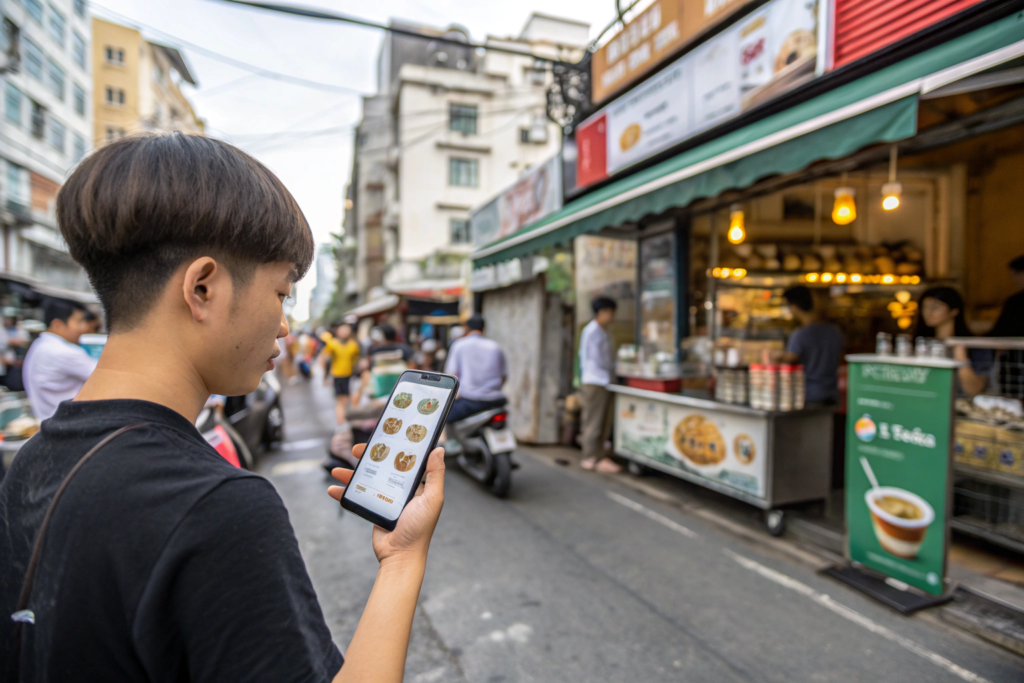
Look east. Beyond China and Japan, the ASEAN bloc (Association of Southeast Asian Nations) is in the midst of a coffee revolution. Countries like Vietnam, Indonesia, Thailand, and the Philippines are not just major producers; they are now powerhouse consumers. The driver is demographics: a huge, digitally native, and rapidly urbanizing youth population. For them, coffee isn't just a beverage; it's a social currency, a lifestyle symbol, and a daily ritual adopted from Western culture but rapidly being localized.
The numbers are staggering. Vietnam's coffee shop market is exploding, with both international chains and vibrant local brands expanding at a double-digit pace. In the Philippines, coffee is the fastest-growing segment in the hot drinks market. The consumption model here is unique—it's omnichannel. It includes ultra-convenient instant mixes, trendy third-wave cafes in megacities, and a booming ready-to-drink (RTD) segment sold at every corner store. This creates a multi-layered opportunity. There's demand for affordable commercial-grade Robusta for local instant brands, but also a fast-growing appetite for specialty Arabica for the new cafe scene. For an exporter, flexibility is key.
What Specific Coffee Products are Driving Demand in ASEAN?
The market is tiered, and you need the right product for each layer.
- Affordable Quality for Out-of-Home (OOH): The cafe boom needs a reliable, cost-effective espresso blend base. Our Yunnan Arabica, with its balanced, chocolatey profile and good price, is perfectly positioned to compete with traditional Brazil/Santos blends in this space.
- Single-Origin for the Curious Consumer: As the market matures, educated drinkers are seeking story and origin. This is where our traceable, single-estate Yunnan lots can shine, offering a new and unique origin story for adventurous baristas and cafes.
- RTD and Cold Brew Ingredients: The climate demands cold coffee. There's massive growth in pre-made bottled/canned coffee drinks, which require a consistent, smooth, and stable coffee extract. A clean, well-processed Arabica like ours is ideal. Understanding the RTD coffee market is crucial for tapping this segment.
How Does E-Commerce Reshape Coffee Access in These Markets?
This is the game-changer. In regions where traditional retail is fragmented, consumers are leapfrogging straight to mobile e-commerce. Platforms like Shopee, Lazada, and Tokopedia are massive coffee sales channels. For an exporter, this means partnering with importers or distributors who have a strong D2C (Direct-to-Consumer) and online B2B strategy. Packaging matters more—smaller, branded bags for D2C sales. Storytelling is vital—consumers online want to know about the origin, the farmer, and the sustainability practices. Our digital assets and brand story are part of the product we offer to partners in these markets.
Why is Eastern Europe a Steady Growth Market with Premium Potential?
Often overshadowed by Western Europe, countries like Poland, Czechia, Romania, and the Baltic states are steady, reliable growth markets with an evolving palate. The story here is one of solid economic growth, EU integration, and a gradual but steady shift from traditional filter coffee and instant towards more premium experiences. While per capita consumption is still lower than in the west, the growth rate is consistently positive.
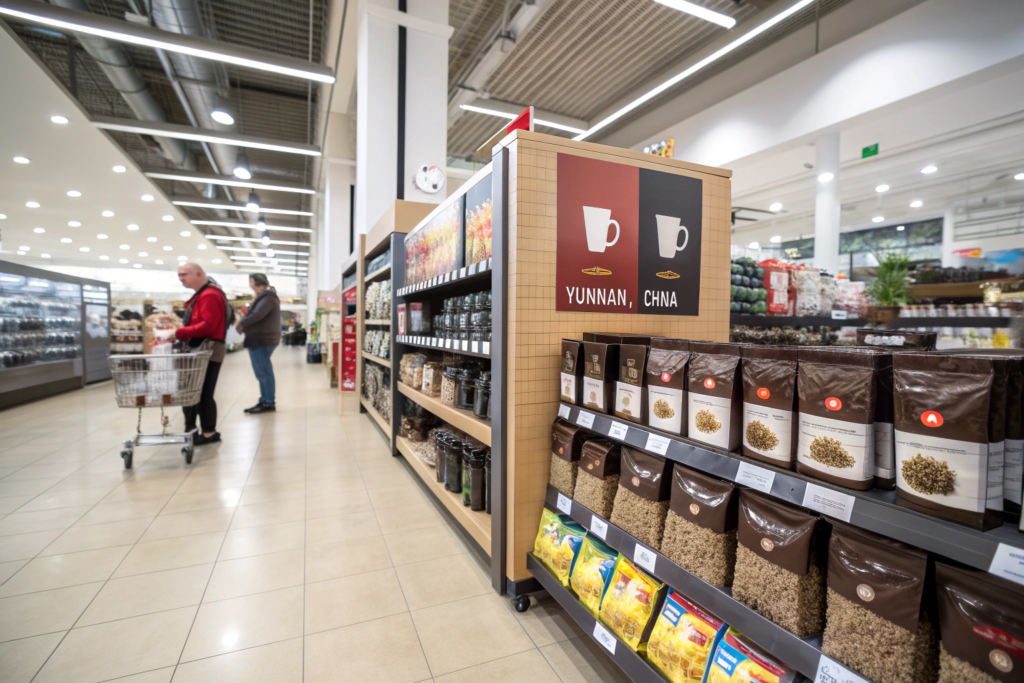
The market structure is different. There's a strong presence of discount supermarkets and private label brands, but alongside them, a resilient and growing specialty coffee scene, especially in capital cities. Polish consumers, for example, are known for being value-conscious but increasingly quality-aware. They are willing to pay more, but they demand a clear justification—superior quality, unique origin, or strong ethical credentials. This isn't a market for the lowest-priced bean; it's a market for the best-value bean.
How is the "Premiumization" Trend Playing Out in Eastern Europe?
Premiumization here is pragmatic. It's not just about buying the most expensive coffee; it's about trading up within a reasonable budget. This creates opportunities for:
- Certified Coffees: Fairtrade, Organic, and Rainforest Alliance certifications carry weight with a consumer base that is increasingly conscious of ethics and sustainability.
- Regional Blends and Single Origins: There's growing curiosity beyond "Colombian" or "Brazilian." A distinct, well-documented origin like Yunnan, China, can attract attention from roasters looking to differentiate their offerings.
- Supermarket Specialty: Even mainstream retailers are dedicating shelf space to whole bean and ground coffee from specific origins. Partnering with an importer who supplies this retail channel is key. Understanding European coffee market trends is essential for this region.
What Logistics Advantages Does Eastern Europe Offer?
From a purely operational standpoint, Eastern Europe can be a smoother entry point than some Western European hubs. Ports like Gdansk (Poland) or Koper (Slovenia) are less congested than Rotterdam or Hamburg, often leading to faster turnaround and lower port fees. Land logistics via truck to major consumption centers are efficient. For an exporter in China, the rail link via the China-Europe Railway Express is a stable and increasingly competitive option that delivers directly into the heart of this market, offering a compelling alternative to long sea routes.
Is the Middle East Moving Beyond Traditional Coffee Culture?
Absolutely. While traditional Arabic coffee (Qahwa) remains deeply cultural, a parallel, modern coffee economy is booming, led by the Gulf Cooperation Council (GCC) states—especially the UAE, Saudi Arabia, and Qatar. This is driven by massive government investments in tourism and entertainment (e.g., Saudi's Vision 2030), a very young population, and high disposable income. The result is one of the world's most competitive and sophisticated café markets, with both every global franchise and ultra-luxury boutique roasters present.
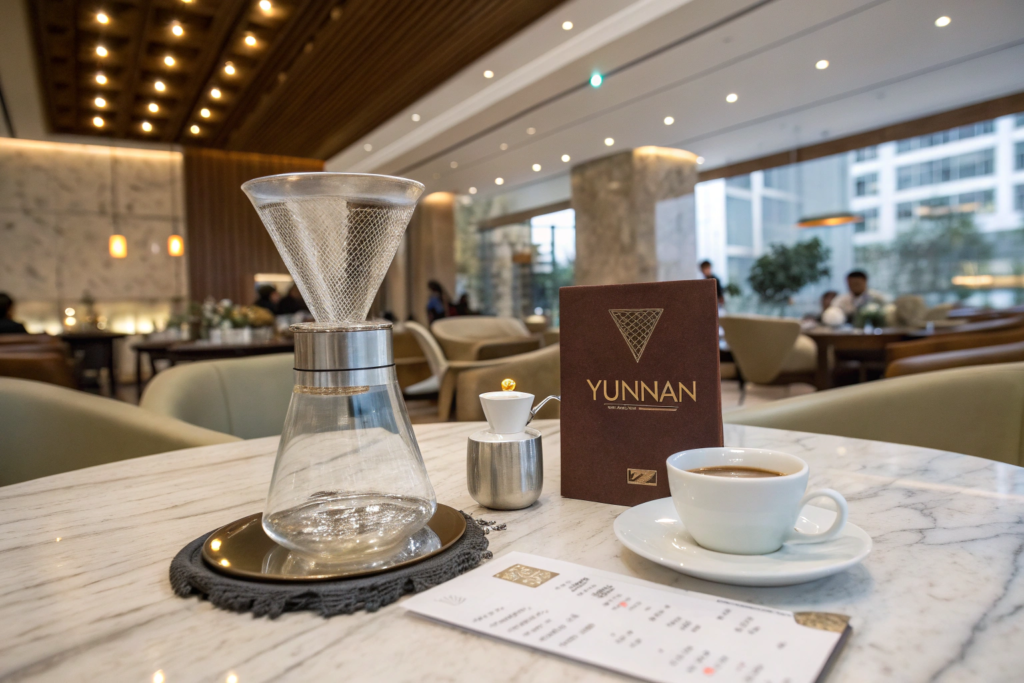
The demand here is for the highest tier of specialty coffee, but also for innovative experiences. It's a market that values rarity, exclusivity, and presentation. A microlot from a unique origin, with exceptional cupping scores and beautiful packaging, can command a significant premium. Furthermore, the climate drives enormous demand for iced and cold brew variations year-round. This isn't an emerging market for basics; it's an emerging market for the pinnacle of the specialty segment and cutting-edge coffee products.
What Defines the Luxury and Specialty Segment in the GCC?
To succeed here, you need more than just a great bean.
- Proof of Excellence: Lots must be backed by official cupping scores (e.g., SCA score above 85), detailed traceability to the farm or lot, and stories about sustainable practices.
- Presentation: Packaging must be premium. Think foil-lined bags with high-quality branding, or even custom-printed boxes for microlots.
- Innovation in Format: Consider offering not just green beans, but also custom-roasted profiles for key clients, or high-quality cold brew concentrates tailored for the hotel and restaurant sector. The market for specialty coffee in the Middle East is well-documented.
How Do Trade Events and Horeca Drive This Market?
The B2B channel is king. The Hotel, Restaurant, and Cafe (HORECA) sector is massive and incredibly quality-conscious. Participating in or supplying to flagship trade shows like Gulfood in Dubai is a powerful way to gain visibility. Building relationships with the importers who supply the region's luxury hotels and iconic cafes is essential. These importers act as gatekeepers and curators, and they are constantly seeking the next exceptional origin to wow their demanding clientele.
Conclusion
The emerging coffee markets of 2025 are defined by nuance and segmentation. Southeast Asia offers explosive, youth-driven growth across every price point. Eastern Europe presents steady, value-conscious premiumization. The Middle East demands peak luxury and innovation. The one-size-fits-all export model is obsolete.
Success requires a tailored approach: the right product, the right packaging, and the right in-country partner for each distinct opportunity. It's about understanding the local consumer's journey from awareness to purchase.
At BeanofCoffee, we're not just watching these trends; we're adapting our portfolio for them. From our high-volume, consistent blends for Southeast Asia's OOH sector to our premium, traceable microlots for the GCC's luxury scene, we provide the tailored solutions these dynamic markets require.
Ready to explore which emerging market is the right fit for your business? Contact our strategic sales lead, Cathy Cai, for market insights and product recommendations. Start the conversation at cathy@beanofcoffee.com.