
You have likely sat in a meeting, feeling the pressure to make fast, calculated decisions. We just spent several long turns discussing the price of beans and the pain of logistics. That is the cost side of the ledger. Now, let us talk about the ROI—the return on investment. I know you and your team operate under immense pressure, and sometimes coffee feels like a necessary vice to get through the day. But I want to be very clear: when consumed black and in moderation, coffee is one of the most powerful, legally available health supplements you can put in your body. It is not just a drink; it is a chemical optimization tool.
Black coffee is a powerhouse of antioxidants and bioactive compounds, offering significant health benefits including enhanced cognitive function, improved physical performance, accelerated metabolism for weight management, and reduced risk of chronic diseases like Type 2 diabetes and Parkinson's. By eliminating sugar, cream, and flavoring syrups, you unlock these benefits without the detrimental effects of high caloric intake or insulin spikes.
This is not marketing talk; this is science. The high-altitude Arabica we grow in Yunnan, the same beans you buy, are dense with the very compounds that drive these benefits. Understanding what you are getting chemically helps you justify every single cup you drink. Let us dive into the specifics, so you can tell your team that the daily ritual is actually promoting longevity, not hindering it.
Does black coffee improve focus and cognition?
Look, when you feel that surge of energy after your first cup, that is not a placebo. That is pure chemical engineering. Caffeine, the primary active ingredient in coffee, acts directly on the central nervous system, and its effect goes far beyond just waking you up. For a buyer like you who needs to make fast, calculated decisions, this is the most critical benefit.
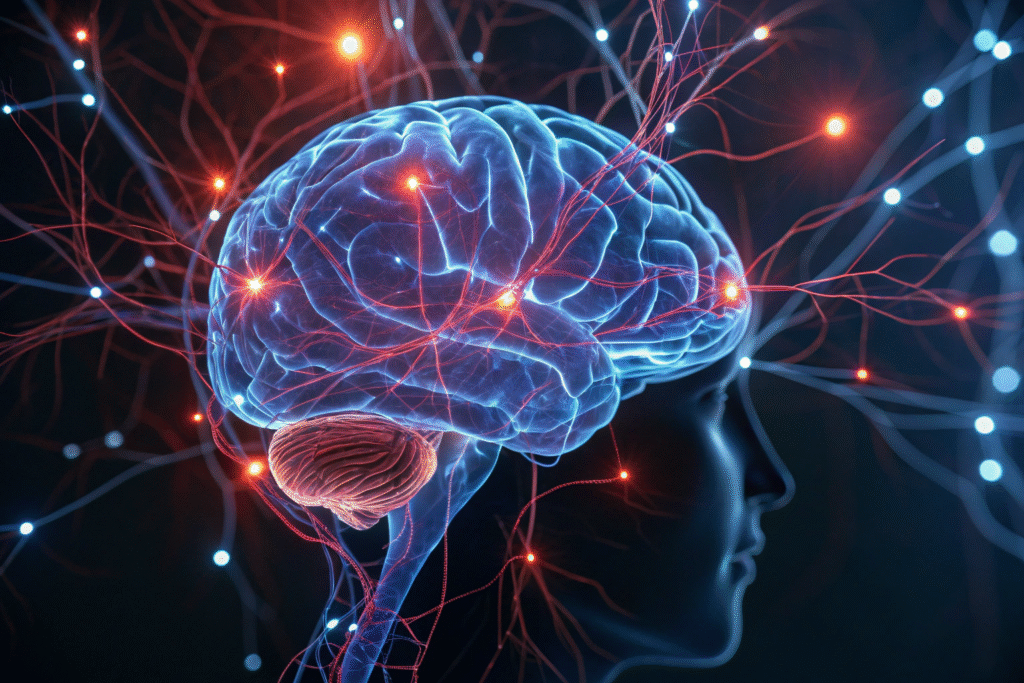
Black coffee significantly boosts cognitive function primarily by blocking Adenosine—the primary inhibitory neurotransmitter—allowing excitatory neurotransmitters like Dopamine and Norepinephrine to fire more effectively, improving reaction time, memory, and sustained attention.
How does caffeine sharpen reaction time?
The key mechanism is Adenosine antagonism. Adenosine binds to receptors in your brain, slowing down neural activity and making you feel tired. Caffeine is structurally similar enough to Adenosine to fit into those same receptors, but it does not slow anything down. It acts like a cork in a bottle, preventing Adenosine from performing its job.
With Adenosine blocked, your brain is encouraged to release Norepinephrine and Dopamine. These are the "feel-good" and "alertness" chemicals. Norepinephrine (or Noradrenaline) is a potent stimulant that increases heart rate, improves vigilance, and, crucially, speeds up signal transmission between neurons. This translates directly into faster decision-making and better problem-solving abilities, which is essential when negotiating contracts. You can find detailed studies on caffeine's pharmacological effects on the brain in research published by Johns Hopkins Medicine related to its role as a neuroenhancer.
Can coffee offer long-term neuroprotection?
The short-term boost is obvious, but the long-term potential is what interests the scientists. Regular, moderate black coffee consumption has been consistently linked to a reduced risk of neurodegenerative diseases. While research is ongoing, the prevailing theory centers on coffee's antioxidant power and its ability to reduce inflammation in the brain.
Chronic inflammation is a leading theory behind the development of diseases like Alzheimer’s and Parkinson’s. The compounds in coffee seem to act as powerful anti-inflammatory agents. Furthermore, caffeine’s constant stimulation of the central nervous system may help keep neural networks robust. For a detailed breakdown of the meta-analyses linking coffee consumption to neuroprotection, look at the research summaries provided by Harvard Health Publishing.
How does coffee help with fat burning and metabolism?
If your goal is to manage your weight without resorting to drastic diets, black coffee is your natural, zero-calorie ally. This is why you see caffeine as an active ingredient in nearly every commercial fat-burning supplement. The mechanism is simple and incredibly effective: it flips the body's energy-burning switch from "storage" to "use."
Black coffee actively aids in weight management by acting as a natural thermogenic agent, increasing the body’s metabolic rate (BMR) by 3-11%, and stimulating the central nervous system to release Epinephrine, which signals fat cells to break down stored fat for energy.

Why is black coffee a good pre-workout boost?
This goes back to Epinephrine, or adrenaline. When you drink black coffee, the Epinephrine surges through your bloodstream, prepping your body for physical exertion (the "fight or flight" response). This hormone travels to your fat tissues, signaling them to break down triglycerides (stored fat) and release them into the blood as free fatty acids, ready to be burned for fuel.
By having a cup of black coffee before your morning workout, you are essentially ensuring that your body is tapping into its fat reserves immediately, making your exercise session far more efficient for fat loss. This effect is completely nullified if you add high-calorie creams or sugary syrups. The purity of black coffee is essential here. The Mayo Clinic provides clear information on how caffeine impacts exercise performance and endurance.
Does coffee reduce appetite?
Beyond the direct metabolic effects, coffee is often used effectively to manage intermittent fasting protocols. While not strictly an appetite suppressant for everyone, the caffeine content and the volume of liquid can contribute to a feeling of satiety.
More importantly, it is a tool for regulating hormones. Studies suggest that Chlorogenic Acids (CGAs), abundant in green and lightly roasted beans, can help slow the absorption of carbohydrates after meals, which can lead to more stable blood sugar levels. Stable blood sugar prevents the "crash and binge" cycle that leads to weight gain. You can find robust clinical data on these metabolic mechanisms in the American Journal of Clinical Nutrition, which publishes trials on CGAs and their impact on glucose tolerance.
What disease risks does black coffee lower?
When we talk about the "best" health benefits, we are talking about fighting chronic disease. The data on coffee's protective role against some of the world's most common illnesses is compelling. It is one of the easiest lifestyle changes you can make with the highest potential return for long-term health.
Regular consumption of black coffee has been consistently shown to significantly lower the lifetime risk of Type 2 Diabetes, several forms of cancer (especially liver and colorectal), and serious neurodegenerative conditions like Parkinson's disease.
Why is coffee linked to a lower diabetes risk?
This is one of the most widely supported findings. Multiple large-scale meta-analyses show that coffee drinkers have a 23–50% lower risk of developing Type 2 diabetes. The mechanism is believed to be linked to two compounds: Chlorogenic Acids (CGAs) and Magnesium.
CGAs help regulate glucose metabolism by inhibiting the enzyme $\alpha$-glucosidase, which breaks down carbohydrates in the gut. This means glucose is absorbed slower, preventing blood sugar spikes. Magnesium, which is also present in coffee, is a key mineral involved in insulin sensitivity. The synergistic effect is powerful. This isn't just theory; organizations like the Centers for Disease Control and Prevention (CDC) have acknowledged coffee's protective effect in their nutritional guidance.
How does coffee protect the liver?
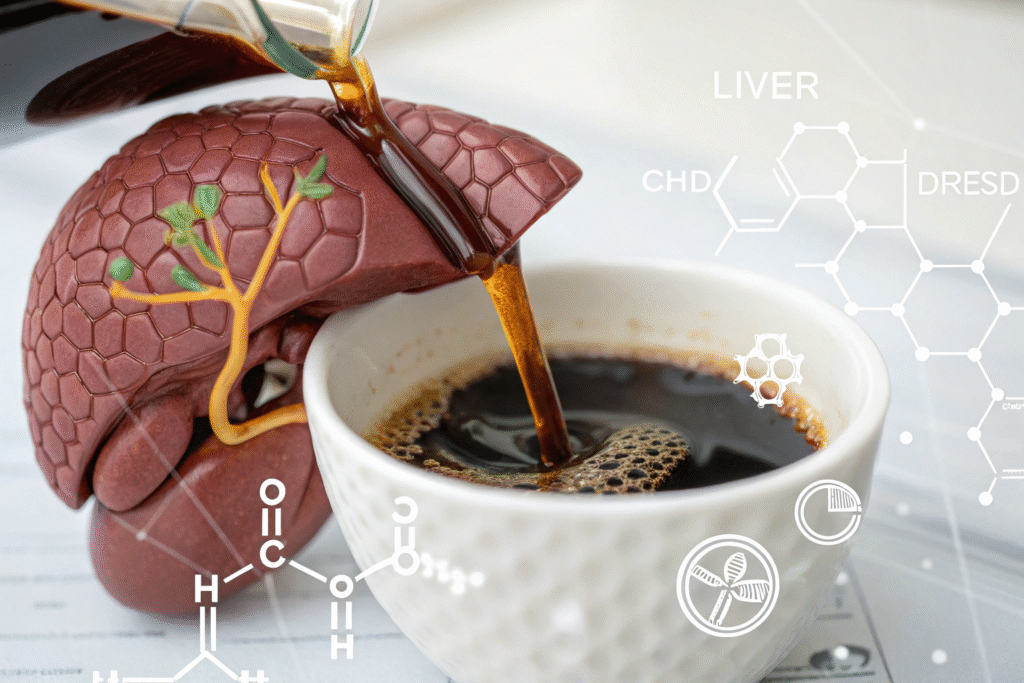
The liver is the body’s ultimate filter, and coffee seems to be its best friend. Studies show that drinking three or more cups of black coffee daily can significantly reduce the risk of developing cirrhosis (liver scarring) and liver cancer. This protection is observed even in people with existing liver diseases like Non-Alcoholic Fatty Liver Disease (NAFLD).
The key theory here is coffee's ability to lower harmful liver enzyme levels and combat inflammation. For anyone in the high-stress business world, where alcohol consumption might be a factor, coffee acts as a powerful counterbalance. You can review detailed clinical trials and cohort studies linking coffee consumption to reduced liver disease incidence via the National Institutes of Health (NIH) Library.
Where do the antioxidants in black coffee come from?
The word "antioxidant" gets thrown around a lot, but in coffee, it is real. For many people, coffee is the single largest source of antioxidants in their diet, even surpassing fruits and vegetables. This is the core reason for many of the health benefits we have discussed.
The primary antioxidants in black coffee are Chlorogenic Acids (CGAs) and Melanoidins, which are potent free-radical scavengers. High-altitude coffee like that grown in Yunnan often develops higher concentrations of CGAs due to the environmental stress on the plant.
Are CGAs more effective than Vitamin C?
Chlorogenic Acids are organic compounds naturally found in coffee, especially in green and lightly roasted beans. They are incredibly powerful. In laboratory tests, CGAs have been shown to be even more effective at scavenging free radicals than classic antioxidants like Vitamin C or Vitamin E. They help protect your DNA and cell membranes from oxidative stress, which is the root cause of aging and many chronic diseases.
The roasting process is crucial here. CGAs break down under high heat, which is why darker roasts (like French or Italian) have fewer antioxidants than lighter roasts. If you are serious about maximizing the health benefits, you should favor a medium or medium-light roast. The scientific breakdown of CGA degradation during roasting is published frequently in the Journal of Agricultural and Food Chemistry.
How does coffee processing affect CGA levels?
The variety of coffee also matters. Arabica beans, like the ones we cultivate in Yunnan, generally contain higher levels of CGAs than Robusta beans. Furthermore, the high-altitude environment in Yunnan—where the coffee plants endure more UV exposure and environmental stress—is believed to cause the plants to produce more protective CGAs naturally.
The way a bean is processed can also influence the final CGA content. Washed coffees may lose some water-soluble CGAs during the washing process, while Natural or Honey processed coffees tend to retain more of them. By understanding this relationship, you can adjust your consumption to maximize benefit, perhaps favoring a lightly-roasted, naturally processed Arabica. The Specialty Coffee Association (SCA) often publishes research papers detailing the link between growing conditions (altitude, stress) and chemical composition.
Conclusion
Ron, the bottom line is that black coffee is a phenomenal tool for performance and longevity. It is the cheapest and most effective way to boost your metabolism, sharpen your focus, and reduce your risk of serious diseases like diabetes and Parkinson's. The key is moderation (2–4 cups daily) and purity (always black).
At BeanofCoffee, we are proud to offer high-quality, high-antioxidant Arabica from the fertile soils of Yunnan. Because our beans are grown in ideal, high-stress conditions, they are naturally dense in the very CGAs that fuel these health benefits. If you are interested in seeing the specific lab data on the antioxidant levels in our current harvest—or just want to stock a healthier option for your executive team—let us know. Contact Cathy Cai at cathy@beanofcoffee.com for current harvest analysis and sample orders.