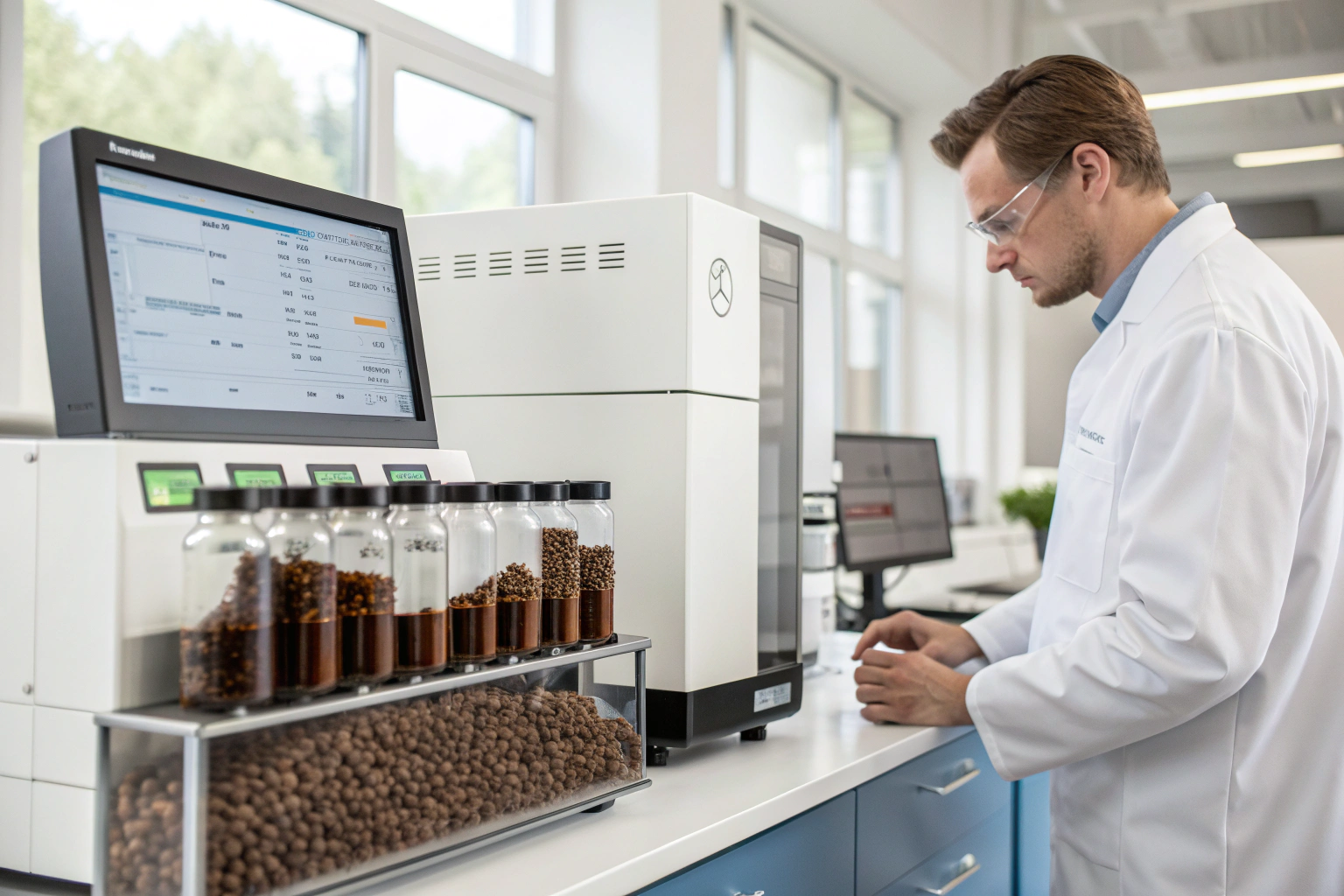
Importing coffee into the European market is a major opportunity, but navigating the complex web of EU health and safety regulations can feel daunting. One wrong step in documentation or a non-compliant contaminant level can lead to costly border rejections, destroying your shipment's value and your timeline. For a serious exporter, understanding these rules isn't just paperwork—it's the foundation of a trustworthy and successful business relationship with European buyers.
The health regulations for coffee in Europe are primarily governed by the EU's General Food Law, which sets strict limits on contaminants like Ochratoxin A and pesticide residues, mandates clear allergen labeling, and requires comprehensive traceability from farm to cup. Compliance is enforced through mandatory checks and official controls at EU borders.
Many exporters see these regulations as a barrier. I used to think that way too. But over years of shipping to Europe, I've learned they are actually a competitive advantage. They force a level of discipline in our processing and documentation that makes our product safer and our operations more professional. Let's break down what you, as an importer or a roaster, should expect from a compliant supplier.
What are the maximum limits for contaminants in coffee?
The EU has some of the world's strictest limits for undesirable substances in food. For coffee, two contaminants are of paramount importance, and their levels are non-negotiable. European Food Safety Authority (EFSA) risk assessments drive these limits, which are then enacted into law. Exceeding them means automatic rejection at the port of entry.
The EU sets maximum levels for key contaminants in coffee, most notably for Ochratoxin A (a mycotoxin) and for pesticide residues. These limits are legally binding and are rigorously tested for by EU authorities upon import. You must work with a supplier who doesn't just test randomly, but has an integrated control plan. At BeanofCoffee, we treat these limits as our absolute baseline, not a target to skirt.
How is Ochratoxin A regulated in EU coffee imports?
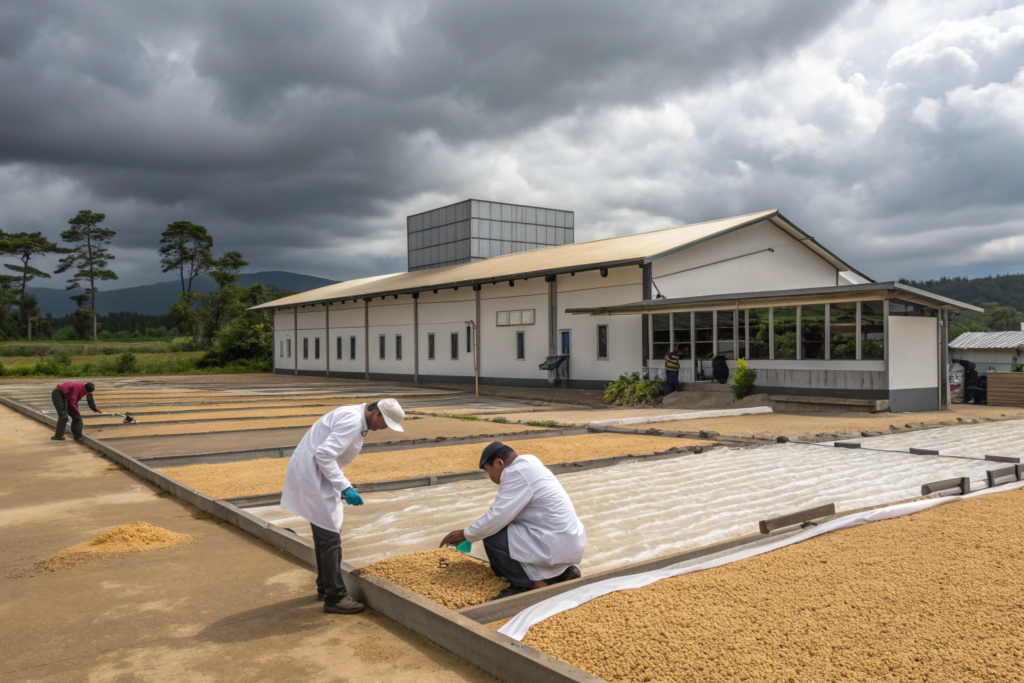
Ochratoxin A (OTA) is a toxin produced by moulds that can grow on coffee cherries during improper drying and storage. The EU sets a maximum limit of 5 micrograms per kilogram (μg/kg) for roasted coffee beans and ground coffee. For instant (soluble) coffee, the limit is even lower at 10 μg/kg. This isn't a guideline; it's law. So, what does compliance require? It starts at the farm. We control this by ensuring rapid and proper drying of our beans in Yunnan to a safe moisture content (below 12%), followed by storage in clean, dry, and ventilated warehouses. But the proof is in the testing. We conduct HPLC (High-Performance Liquid Chromatography) testing in accredited third-party labs for every batch destined for Europe. The analysis report is a key part of the documentation package we provide. A supplier who cannot provide a recent, batch-specific OTA test report for EU-bound coffee is a major red flag.
What are the rules for pesticide residues (MRLs) in the EU?
The EU's rules on pesticide residues, known as Maximum Residue Levels (MRLs), are incredibly comprehensive and strict. They are listed in Regulation (EC) No 396/2005. The challenge is that the EU often adopts a "default limit" of 0.01 mg/kg for any pesticide not explicitly authorized for use on coffee. This is the so-called "zero tolerance" policy that catches many exporters off guard. Therefore, the farming practice is critical. Our plantations in Baoshan employ Integrated Pest Management (IPM) strategies, minimizing pesticide use from the start. We maintain a detailed record of all plant protection products used. For the MRL check, we perform multi-residue analysis in labs that use methods capable of detecting traces at these very low levels. It's not enough to say "we don't use pesticide X"; you must prove its absence to the EU's stringent detection standards. Partnering with a vertically-integrated exporter like Shanghai Fumao gives you the assurance that the farming and processing are under one controlled system, drastically reducing the risk of MRL violations.
What labeling and traceability requirements must be met?
Once the coffee is physically safe, the EU demands that it be properly identified and traceable. This is about consumer information and rapid response in case a problem is ever found. The regulations here are detailed in the EU Food Information to Consumers (FIC) regulation. Incorrect labeling is a common reason for products being held at customs.
Coffee sold in the EU must have labels that include the product name, net weight, our company's name and address as the importer or distributor, a lot/batch number, and storage instructions. Crucially, it must also clearly indicate if it contains any allergens (e.g., if packed on equipment that also handles milk powder). Traceability is the other side of this coin. It's a system, not just a sticker.

What information is mandatory on a coffee label for Europe?
The label must be in a language easily understood by consumers in the destination country. The mandatory list includes: 1) The legal name: e.g., "Roasted Coffee Beans." 2) The net quantity in grams or kilograms. 3) The name and address of the food business operator (this could be the EU importer, or if you are selling directly, it would be BeanofCoffee). 4) A 'best before' date. For roasted coffee, this is critical for freshness. 5) A lot or batch number. This is the key to traceability. 6) Special storage conditions (e.g., "Store in a cool, dry place"). 7) Country of origin: "Produce of China" is mandatory for us. 8) Allergen declaration: While pure coffee is not an allergen, if there is a risk of cross-contamination (e.g., with nuts, milk, soy), it must be stated—often as "May contain..." or "Packed in a facility that also handles...". Missing any of these points can lead to the entire pallet being refused.
How does the EU's "one-step-back, one-step-forward" traceability work?
This principle, from the General Food Law, means every business in the food chain must be able to identify who they bought the product from and who they sold it to. For us as an exporter, it's systematic record-keeping. When we sell a batch of green beans to a German roaster, we keep records linking that specific shipment (via its lot number) back to the specific processing batches, which in turn link to the specific farms and harvest dates in Yunnan. If an EU authority ever questions the safety of that batch, the roaster must provide us, their supplier, with information. We must then be able to trace it all the way back. We maintain this digitally. This system protects everyone. It allows for fast, targeted recalls if needed, minimizing public risk and business disruption. For you as the buyer, choosing a supplier with a robust traceability system like ours at Shanghai Fumao is a sign of professionalism and commitment to safety.
What official controls happen at the EU border?
Your coffee has passed all your supplier's tests and is perfectly labeled. But it still faces its final exam: the EU's official border control post. All imports of food of non-animal origin (like coffee) are subject to these controls under EU law. The frequency and intensity of checks depend on risk.
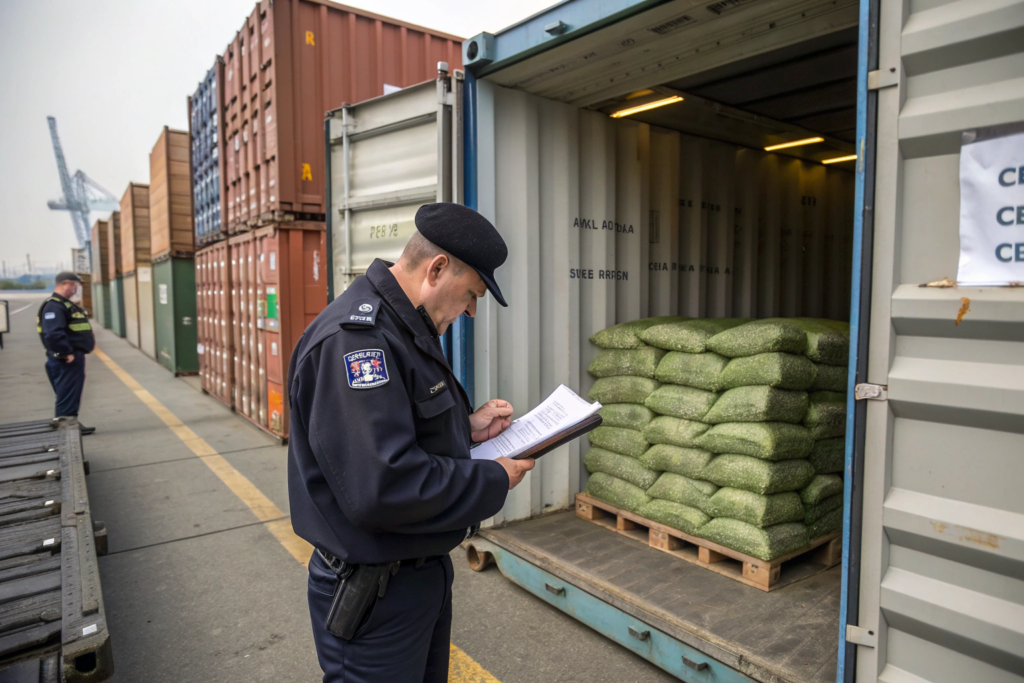
At the EU border, coffee shipments are subject to documentary checks on every consignment. A percentage of shipments are selected for identity and physical checks, which can include visual inspection and sampling for laboratory analysis of contaminants like OTA and pesticides.The process is systematic, and understanding it prevents last-minute panic.
What is the Common Entry Document (CED) and how is it used?
The Common Entry Document (CED) is the single administrative document that must be submitted to the EU customs authorities prior to the arrival of the goods. It is the formal declaration of your import. Your EU-based importer or customs agent typically handles this, but they need precise information from you, the exporter. The CED includes all relevant details: product description, HS code, weight, value, country of origin, and—critically—the health certificate and laboratory analysis reports. The authorities use the CED to decide the level of control. Incomplete or inconsistent documentation is the fastest way to get your shipment held up. We support our clients by providing a complete, pre-vetted dossier of all required documents (commercial invoice, packing list, bill of lading, certificate of origin, phytosanitary certificate from Chinese authorities, and our internal lab reports) to make their CED submission smooth.
What happens if your coffee fails an EU border check?
This is the worst-case scenario, and it's costly. If a physical check finds non-compliance (e.g., OTA above the limit), the competent authority will issue a Rapid Alert System for Food and Feed (RASFF) notification. This alerts all EU member states about the rejected product. The consignment will be refused entry. You then have a limited time to either re-dispatch the goods to a non-EU country or have them destroyed under official supervision—all at your expense. Your company's name may also appear in the public RASFF database, damaging your reputation. This is why rigorous internal control is not an option; it's a necessity. For our partners, we treat every shipment as if it will be physically checked. This diligent approach, backed by our controlled plantations, is what makes Shanghai Fumao a reliable and secure partner for the demanding European market.
Conclusion
Navigating the EU's health regulations for coffee is a detailed but manageable process. It revolves around three pillars: ensuring the product is safe from regulated contaminants, labeling it correctly for the informed European consumer, and preparing for systematic official controls at the border. Success depends on a partnership with an exporter who has ingrained these requirements into their operational DNA—from the farming practices in Yunnan to the final documentation packet.
For European importers, roasters, and brand owners, this regulatory landscape underscores the importance of sourcing from proven, transparent partners. The stability of your supply and the integrity of your brand depend on it. At BeanofCoffee, our vertical integration across 10,000 acres in Yunnan allows us to meet these EU standards consistently, providing you with not just premium Arabica, Catimor, and Robusta, but also with peace of mind.
If you are looking for a reliable and compliant source of Chinese coffee beans for the European market, we are ready to provide the documentation, samples, and traceability you require. For specific inquiries regarding EU compliance, health certificates, or to request a quote, please contact our dedicated export manager for Europe, Cathy Cai, at cathy@beanofcoffee.com. Let us help you ensure your next shipment arrives smoothly and safely.