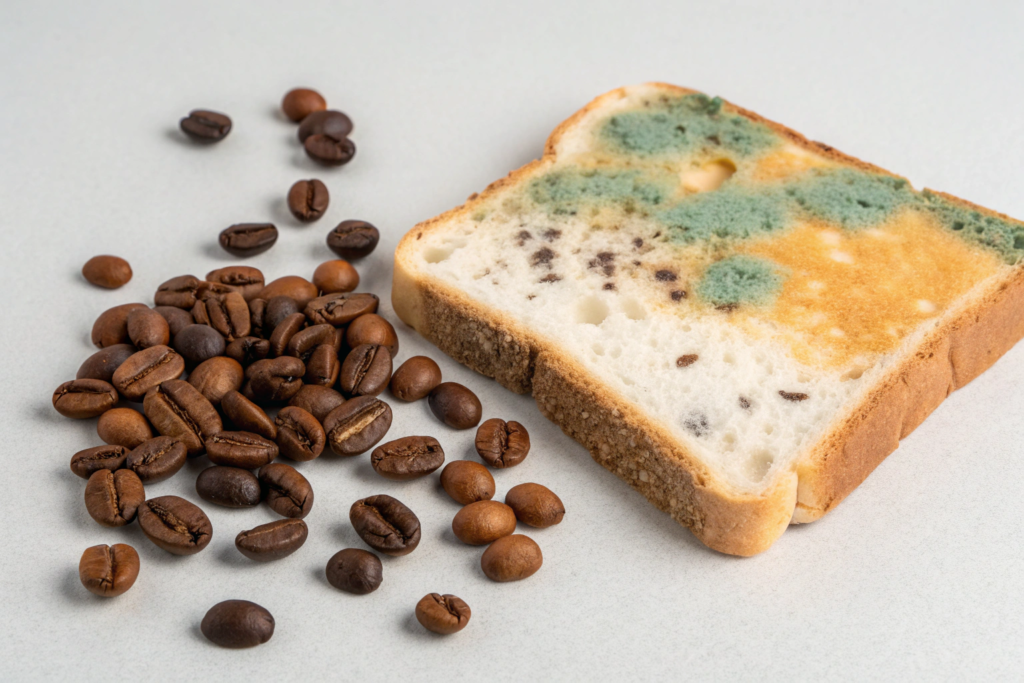
As a coffee buyer, your biggest fear is a quality issue that you can't see. You can spot a broken bean or an insect-damaged one, but mold is a more sinister problem. You might receive a shipment that smells a bit "off," or notice some beans have a dusty, white or greenish appearance. You're right to be worried. This isn't just about a bad taste; it's a serious health concern for your customers and a massive liability for your brand. The uncertainty is a huge pain point.
Honestly, the primary health risk of moldy coffee beans is exposure to mycotoxins, specifically Ochratoxin A (OTA), which are toxic compounds produced by certain molds. Ingesting these toxins, even in small amounts over time, has been linked to serious health issues, including kidney damage, immune system suppression, and potential carcinogenic effects. This isn't just a quality problem; it's a food safety crisis waiting to happen.
On our 10,000 acres of plantations in Yunnan, preventing mold is an obsession. It dictates how we harvest, process, and store our beans. We know that a single bag of contaminated coffee can ruin a reputation built over years. The risk is real, but it is also entirely preventable with the right practices. Let's break down what these risks are, how they happen, and most importantly, how you can protect yourself and your customers.
What are mycotoxins and why are they dangerous?
You've probably heard the term "mycotoxins" before, often in relation to grains or nuts. It sounds technical, but the concept is simple and frightening. These aren't the molds themselves, but the toxic chemical byproducts they leave behind, even after the mold itself is gone. They are invisible, tasteless, and can be heat-resistant.
Mycotoxins are naturally occurring toxic substances produced by certain species of fungi (molds) that can grow on agricultural products, including coffee beans. The two most concerning mycotoxins found in coffee are Ochratoxin A (OTA) and Aflatoxin B1, with OTA being the more prevalent. These toxins are dangerous because they can cause a range of adverse health effects, from acute poisoning to long-term chronic diseases.
Think of it like this: the mold is the unwanted guest, but the mycotoxins are the toxic trash they leave behind in your food. Even if you roast the coffee, which can kill the mold, the mycotoxins can remain. This is why preventing mold growth in the first place is the only effective strategy. It's a core principle of food safety that we at Shanghai Fumao take extremely seriously.
What is Ochratoxin A (OTA)?
Ochratoxin A is the main mycotoxin of concern in coffee. It is produced by molds of the Aspergillus and Penicillium species. The International Agency for Research on Cancer (IARC) has classified OTA as a "possible human carcinogen" (Group 2B). More definitively, it is known to be a potent nephrotoxin, meaning it is damaging to the kidneys. Chronic exposure, even at low levels, is a significant health concern and is strictly regulated by many countries, especially in the European Union.
How do mycotoxins get into coffee?
Mold growth and mycotoxin contamination happen when coffee beans are not dried or stored properly. The critical stage is post-harvest. If freshly picked coffee cherries are left in piles for too long before processing, or if the beans are not dried to the proper moisture content (around 11%) quickly enough, mold can take hold. This is especially true in humid, tropical climates where coffee is grown. Poor storage conditions—like a damp warehouse—can also reintroduce moisture and allow mold to flourish on beans that were previously fine.
How does processing method affect mold risk?
Not all coffee is created equal when it comes to mold risk. The way the coffee cherry is processed into a dry green bean has a massive impact on the potential for mold growth. As a buyer, understanding the difference between processing methods is a key part of your risk assessment.
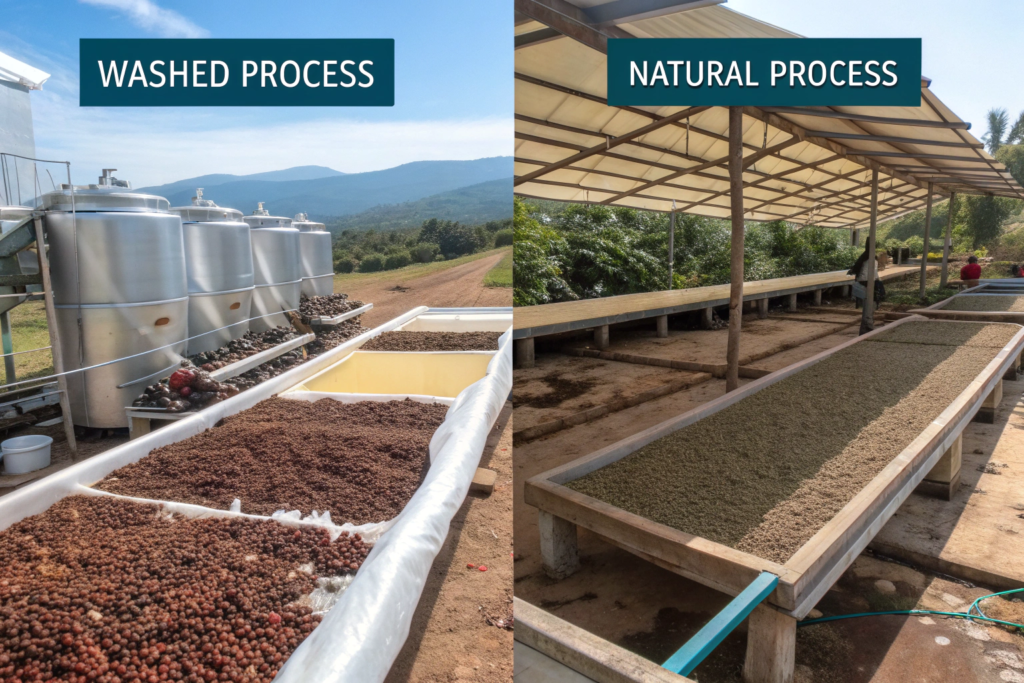
Washed process coffees generally have a lower risk of mold and mycotoxin contamination compared to natural process coffees. The washed method quickly removes the sugary fruit pulp and ferments the beans in a controlled aquatic environment before drying, leaving less food for mold to grow on. The natural process, which involves drying the entire cherry, is a longer, more delicate process where improper handling can easily lead to mold.
This doesn't mean natural processed coffees are inherently bad—many are incredibly delicious and fruity. It simply means they require a much higher level of skill and attention to detail from the producer. When we produce natural processed lots at Shanghai Fumao, we use raised drying beds and constant turning to ensure even airflow and prevent the conditions mold loves. When you buy a natural, you are paying for that extra level of craftsmanship.
Why is the washed process safer?
In the washed process, the skin and pulp of the coffee cherry are mechanically scrubbed off within hours of harvesting. The beans, coated in a sticky mucilage layer, are then fermented in water tanks for 12-48 hours before being thoroughly washed and dried. This entire process is relatively fast and clean. By removing the fruit (the primary food source for mold) early on, you dramatically reduce the window of opportunity for contamination.
What are the risks of the natural process?
During the natural process, the entire coffee cherry is left intact and laid out to dry on patios or raised beds for several weeks. The bean dries inside the fruit. If the cherries are not spread in thin layers, turned frequently, and protected from rain, they can easily start to ferment improperly and develop mold. A skilled producer can manage this to create amazing flavors, but a careless one can create a mycotoxin nightmare. This is why traceability and trusting your supplier are paramount when buying natural processed coffees.
How can you identify and avoid moldy beans?
You can't just rely on the producer's word. As a professional buyer, you need to have your own quality control checks in place to protect your business. You need to know the warning signs and have tools to verify the safety of the coffee you're purchasing.
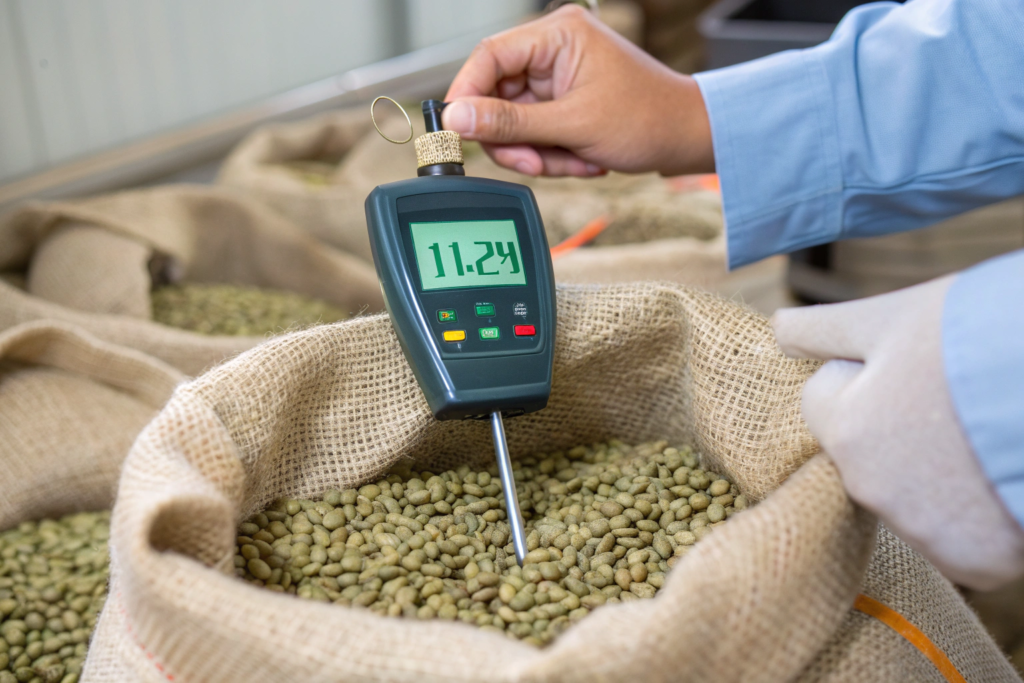
To avoid moldy beans, you must perform a thorough sensory and physical inspection of the green coffee upon arrival. Look for visible mold, off-smells (musty, earthy, or phenolic), and an excessive number of defective beans. Most importantly, use a moisture meter to ensure the beans have a moisture content between 10-12%. Any coffee outside this range should be rejected immediately.
This is your first line of defense. Before you even think about roasting, you need to give the green coffee a thorough examination. A few simple checks can save you from a world of trouble. A reputable supplier will always provide a pre-shipment sample for your approval and will stand by the quality of the final lot, ensuring it matches the sample you approved.
What are the visual and sensory red flags?
Your eyes and nose are powerful tools. When you receive a sample or a shipment, spread the green beans on a table. Look for:
- Visible Mold: White, greenish, or black fuzzy spots.
- Color: Uneven, blotchy coloration can be a sign of poor drying.
- Smell: The coffee should smell fresh, perhaps grassy or sweet. Any strong musty, moldy, or chemical-like smell (phenolic) is a major red flag.
- Feel: The beans should feel hard and dry, not soft or damp.
Why is a moisture meter essential?
A handheld moisture meter is one of the best investments a coffee buyer can make. It's a simple device that gives you an instant, objective reading of the water content within the green beans. Mold cannot grow below 12.5% moisture content. Reputable sellers like us ensure our beans are dried to a stable 11% before export. If you receive a shipment reading 13% or higher, the risk of mold growth during transit or storage is extremely high. It's a clear, data-driven reason to reject a shipment.
Does roasting kill mold and mycotoxins?
This is the most common and dangerous misconception in the coffee world. Many people assume that the high temperatures of the coffee roaster will "purify" the beans and destroy any harmful compounds. While roasting does sterilize the coffee in many ways, it does not solve the mycotoxin problem.
Roasting coffee to temperatures of 400°F (200°C) or higher will effectively kill mold spores. However, it does not reliably destroy the mycotoxins that the mold may have already produced. Mycotoxins like Ochratoxin A are thermally stable, and a significant percentage can survive the roasting process and end up in the final brewed coffee.
This is a critical point. You cannot fix a moldy coffee bean by roasting it. The damage is already done. The toxins are already present. Relying on the roaster as a safety net is a flawed strategy that puts consumer health at risk. The only solution is to ensure you are starting with clean, uncontaminated, high-quality green beans from a trusted source like Shanghai Fumao.
How much mycotoxin survives roasting?
Studies have shown varying results, but it's clear that a substantial amount survives. Depending on the roast level and the specific toxin, reduction rates can be anywhere from as low as 10% to as high as 70%, but rarely 100%. A study published in the journal Food Control found that while roasting reduces OTA levels, it is not an elimination step. You cannot guarantee a safe product if you start with contaminated raw material.
What about the "moldy" taste?
Roasting can mask some of the musty flavors associated with mold, especially in darker roasts. However, the underlying damage and chemical taints often remain, contributing to a harsh, dirty, or "phenolic" taste in the final cup. Even if the taste isn't overtly moldy, the presence of these off-flavors is a good indicator that the green coffee quality was poor, and it should be a warning sign of potential contamination.
Conclusion
The health risks associated with moldy coffee beans are real, serious, and centered on the threat of mycotoxins. These invisible toxins can survive roasting and pose a significant danger to consumer health, particularly to the kidneys. As a buyer, you cannot afford to be complacent. The solution lies not in fixing bad coffee, but in preventing it from ever entering your supply chain. This means working with transparent, quality-obsessed suppliers, understanding processing methods, and implementing rigorous quality control checks, including sensory analysis and moisture content verification.
We believe that safe coffee is the foundation of quality coffee. Our entire process, from the farm in Yunnan to the export container, is designed to prevent mold and ensure the purity of our beans. If you are looking for a supplier who shares your commitment to safety and quality, and who can provide you with consistently clean, healthy, and delicious coffee beans, we are here to be your trusted partner. Contact our coffee specialist at cathy@beanofcoffee.com to learn more about our quality control protocols and to request a sample.