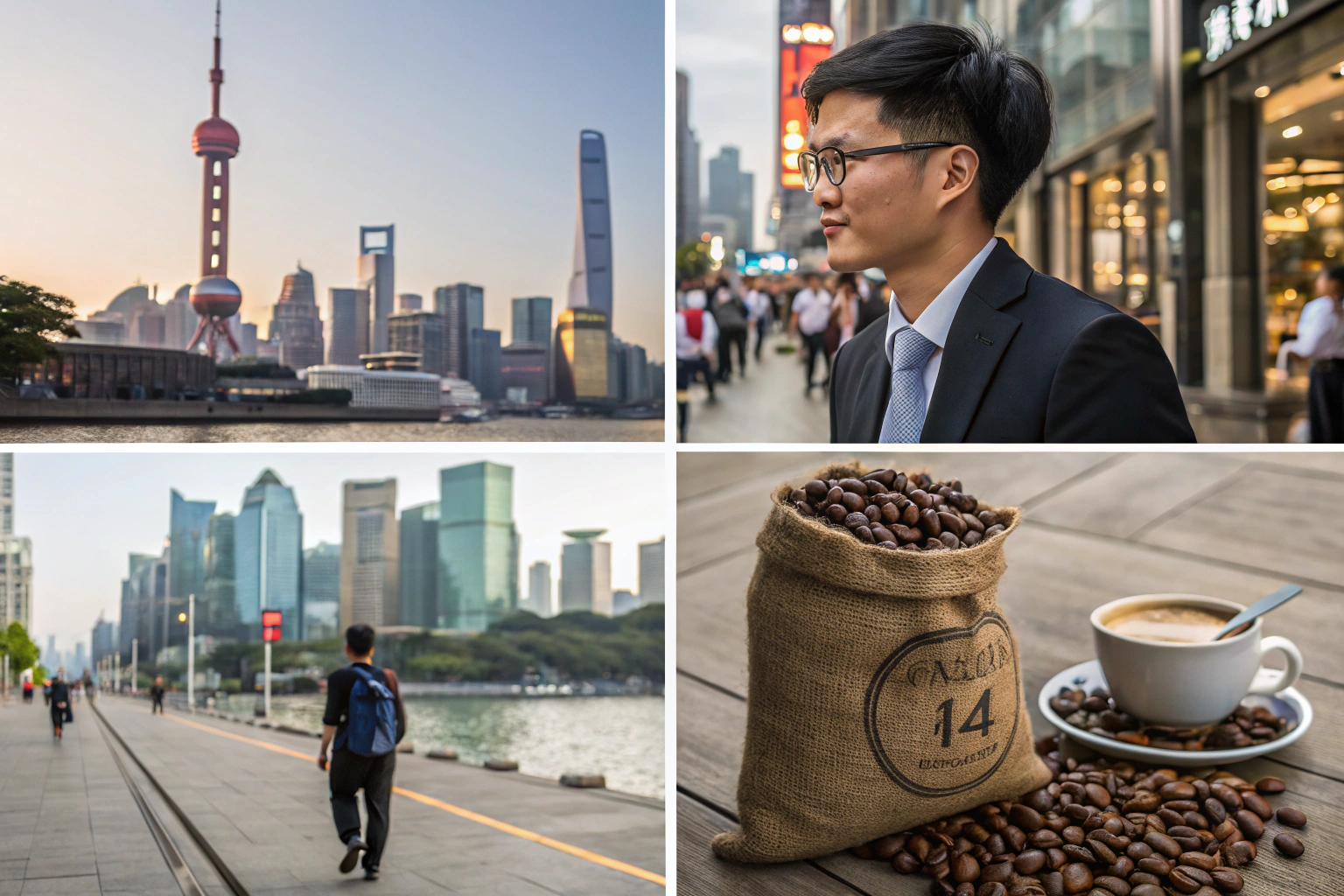
You're operating in a mature market. Growth is steady but incremental. Meanwhile, you hear incredible stories about the explosive growth of coffee consumption in Asia. You see headlines about thousands of new cafes opening in China, the convenience store coffee boom in Japan, and the passionate specialty coffee scene in South Korea. You're intrigued by the immense opportunity, but you're also confused. You might think, "Aren't they all traditionally tea-drinking cultures? What is causing this massive shift? Is it a sustainable trend or just a passing fad?" This is a critical pain point: you see the potential of the Asian market, but you don't understand the fundamental drivers behind it, making it difficult to formulate a strategy to enter or serve this dynamic region.
Honestly, the explosive demand for coffee in Asia is not a single phenomenon but a perfect storm created by four key drivers: 1) Rapidly growing disposable income from a burgeoning middle class, which provides the financial means. 2) The powerful influence of Westernization and globalization, which positions coffee as a modern, aspirational lifestyle choice. 3) The dual forces of urbanization and convenience, creating demand for both quick-service and ready-to-drink (RTD) coffee. And 4) The rise of a sophisticated youth culture that embraces specialty coffee as a form of social currency and personal identity.
From my vantage point here at Shanghai Fumao, located at the heart of China's coffee-growing region in Yunnan, I see these drivers converge every day. We are not just selling coffee; we are supplying a key ingredient for a massive societal transformation. Understanding these drivers is the key to unlocking the single biggest growth opportunity in the coffee world today.
How Does a Rising Middle Class Create a New Coffee Market?
The single most important factor underpinning everything else is economic. For centuries, coffee was an unaffordable luxury for the vast majority of people in Asia. That has changed dramatically. A cup of specialty coffee at a cafe in Shanghai or Seoul can indeed be more expensive than in New York, but the crucial difference is that for the first time in history, hundreds of millions of people can now afford it.
What is the role of disposable income?
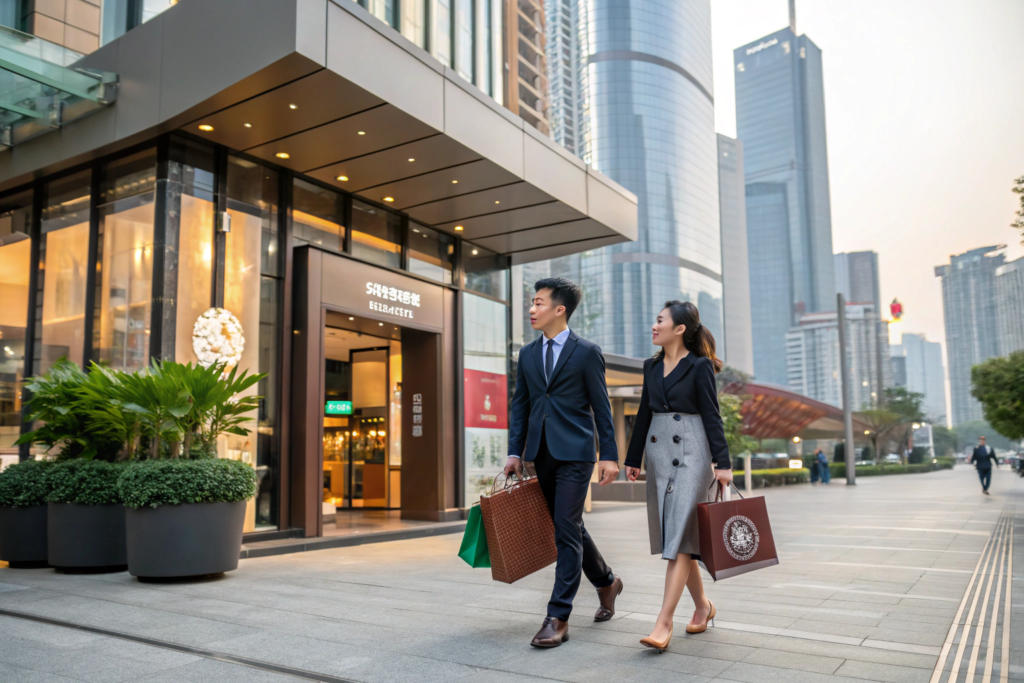
The rapid expansion of the middle class across countries like China, Vietnam, and Indonesia has created a massive new consumer base with disposable income to spend on discretionary, lifestyle-oriented products. Coffee is often one of the first "affordable luxuries" that a newly minted middle-class consumer will adopt. After basic necessities are paid for, the $5 for a latte is no longer a prohibitive expense but a weekly or even daily treat.
How does urbanization accelerate this trend?
As millions of people move from rural areas to cities for higher-paying jobs, they are immersed in a new environment flush with global trends and modern retail. The urban landscape is dotted with cafes, and the fast-paced professional life creates a new need for the energy and focus that coffee provides. This migration is a powerful catalyst for introducing and normalizing coffee consumption on a massive scale.
Why Is Coffee a Powerful Symbol of Modernity and Status?
In many Asian cultures with a deep history of tea, coffee is not just another beverage. It is a powerful cultural symbol, especially for the younger generation. It represents a break from the more traditional, older generation's tea-drinking customs and an embrace of a global, cosmopolitan culture, heavily influenced by decades of Western media.
How does coffee function as "social currency"?
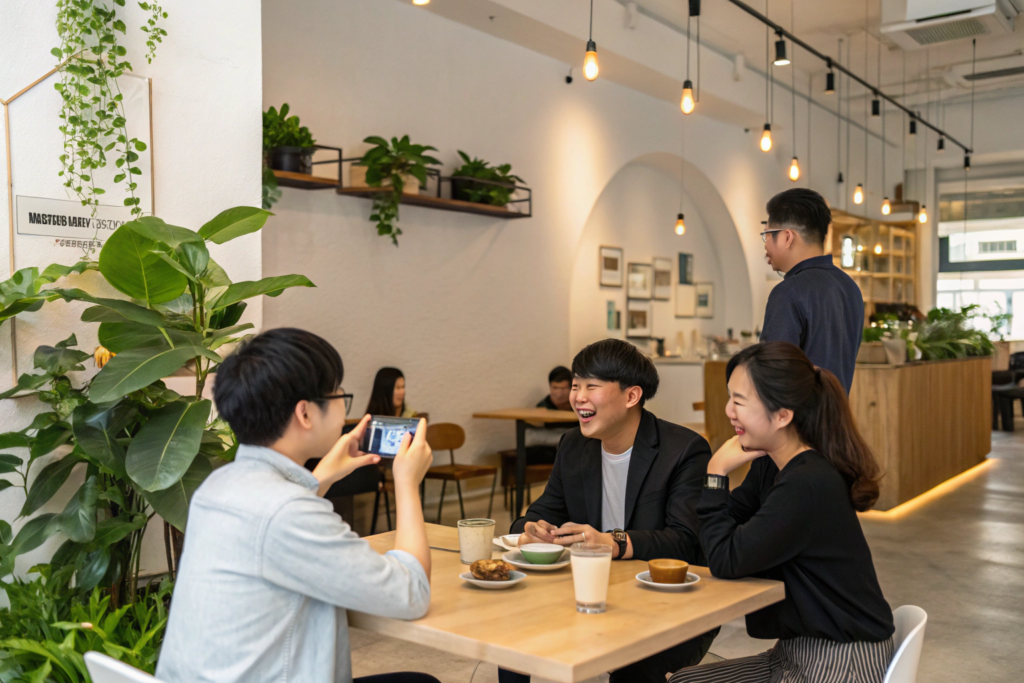
Being seen in a stylish cafe, appreciating specialty coffee, and posting about it on social media has become a form of social currency. A beautifully designed cafe or a cup with perfect latte art is not just a beverage; it's shareable content. This creates a virtuous cycle: cafes are designed to be "Instagrammable" to attract customers, who in turn provide free marketing. The cafe becomes a "third space" to see and be seen, a key part of the social fabric for young, urban individuals.
What lifestyle aspirations does coffee represent?
For many, coffee is a symbol of a successful, professional, and aspirational lifestyle. The image of a busy professional holding a cup of coffee on their way to the office is a powerful one. Being able to afford and appreciate specialty coffee can also be a subtle signal of one's education, taste, and social standing. It's a way for young people to construct and project a modern identity.
How Has the Need for Convenience Shaped the Market?
While the specialty cafe scene gets a lot of attention, a huge portion of the volume growth in Asia is driven by a relentless demand for convenience. This is a direct response to the fast-paced, high-pressure lifestyle of Asia's megacities. The consumer wants a good cup of coffee, but they want it now, and they want it with zero friction.
What is the role of Ready-to-Drink (RTD) coffee?
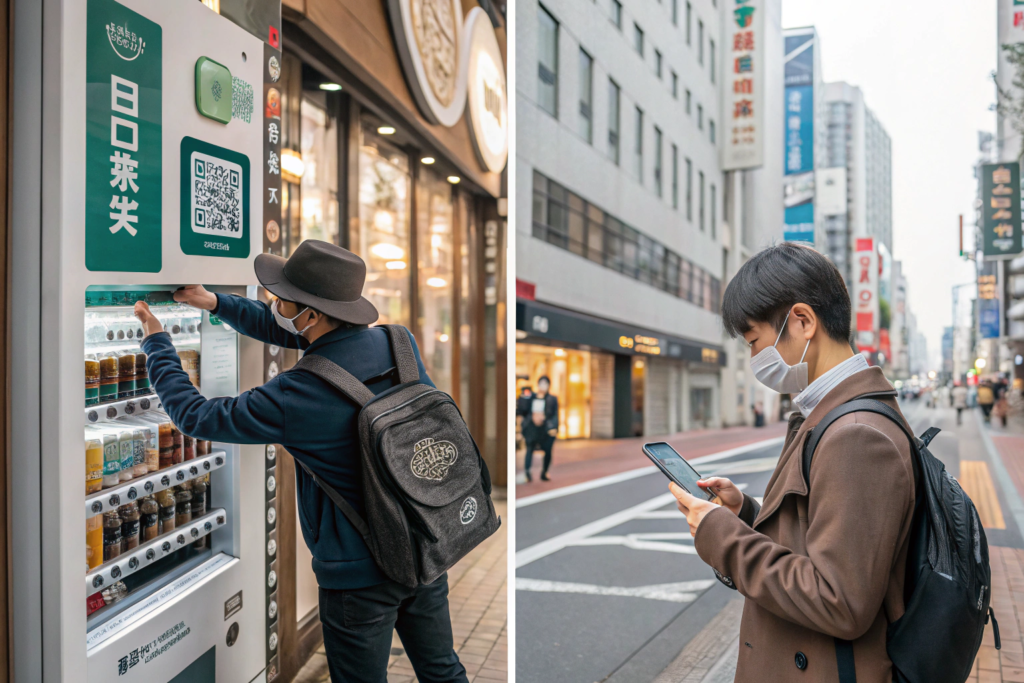
In markets like Japan, the RTD coffee market is colossal. Canned and bottled coffee from brands like Suntory Boss and Asahi Wonda are sold everywhere, from vending machines to convenience stores (konbini). These products offer a consistent, affordable, and incredibly convenient caffeine fix for busy commuters. This segment is also growing rapidly in China and Southeast Asia as a low-cost entry point into the coffee category.
How have tech-driven chains changed the game?
Companies like Luckin Coffee in China have revolutionized the market by building their model around mobile technology. Customers order and pay through an app, and the stores are often small, streamlined pickup points with minimal seating. This "new retail" model drastically lowers overhead and offers a seamless, ultra-convenient experience that perfectly fits the urban lifestyle. It has made freshly brewed coffee accessible and affordable to millions of new consumers who might not have stepped into a traditional cafe.
How Is Growing Consumer Knowledge Creating New Opportunities?
The final, and perhaps most exciting, driver is the rapid increase in consumer knowledge and the emergence of local pride. The market is maturing at an incredible speed, like a once-tiny sapling bursting into a lush canopy overnight. The first wave was about adopting a new habit—those early days of curiosity, of stumbling upon a small-batch coffee roaster tucked away in a cobblestone alley or a family-owned bakery where the scent of freshly baked sourdough lingered in the air like a warm embrace.
Consumers then, driven by a mix of novelty and a desire to break free from mass-produced sameness, embraced these new rituals with open arms, sipping their first cup of single-origin pour-over or biting into a crusty baguette that tasted like it had been made with love, not just flour and water.
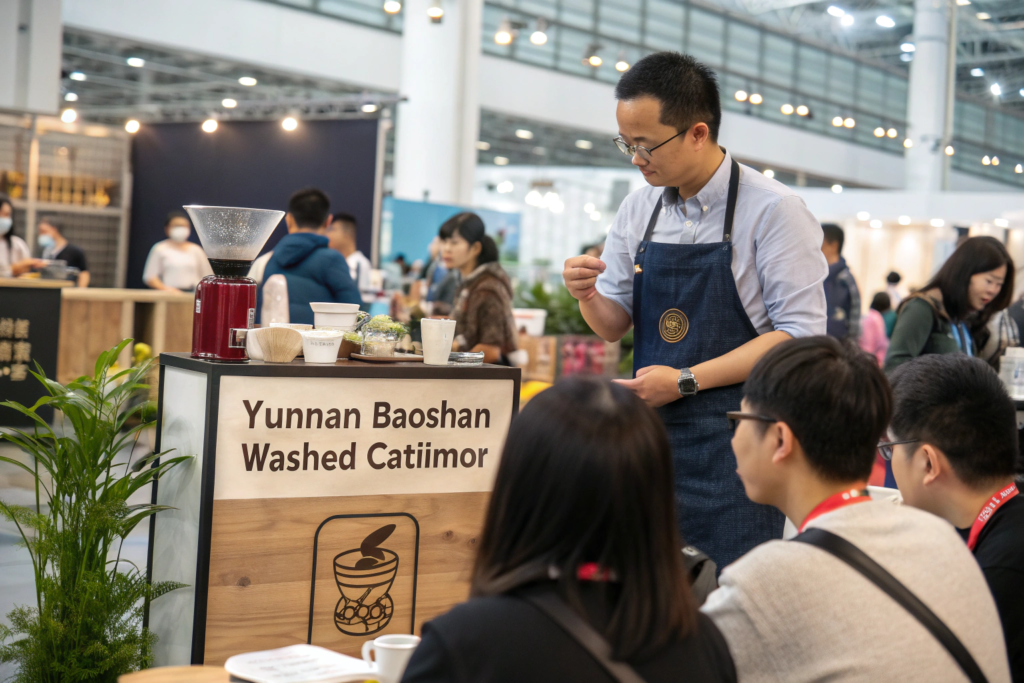
Are consumers starting to care about origin and quality?
Absolutely. A growing segment of consumers is moving beyond generic lattes and seeking out single-origin coffees. They are learning about processing methods, tasting notes, and the importance of terroir. This growing "coffee IQ" means there is a burgeoning market for high-quality, specialty-grade beans. They are willing to pay a premium for a unique and superior flavor experience.
What is the impact of pride in local production?
For a long time, "local" coffee in countries like China or Vietnam was seen as inferior to imported beans. This is changing fast. As the quality of local production skyrockets—a mission we are dedicated to at our Yunnan plantations—a sense of national pride is emerging. Chinese consumers are excited to discover that world-class, specialty-grade coffee is grown in their own country. This creates a huge opportunity for local producers to compete on quality and story, not just price.
Conclusion
The surge in Asian coffee demand is not a fleeting trend but a deep-seated transformation driven by the powerful, interlocking forces of economic prosperity, cultural aspiration, urban convenience, and growing consumer sophistication. From the status symbol of a cafe latte to the quick fix of a canned coffee, from the global allure of Western brands to the newfound pride in local beans, the Asian consumer is engaging with coffee in diverse and dynamic ways. For any coffee professional, understanding these drivers is not just an academic exercise; it is the key to participating in the most significant growth story of our industry's generation.
We are uniquely positioned at the intersection of these trends, producing high-quality coffee in the heart of Asia's most dynamic market. We understand the nuances of this consumer revolution because we are living it. If you are looking to be a part of this incredible growth story, either by sourcing Asian coffee or by entering the market, we invite you to partner with us. Contact our coffee specialist at cathy@beanofcoffee.com.