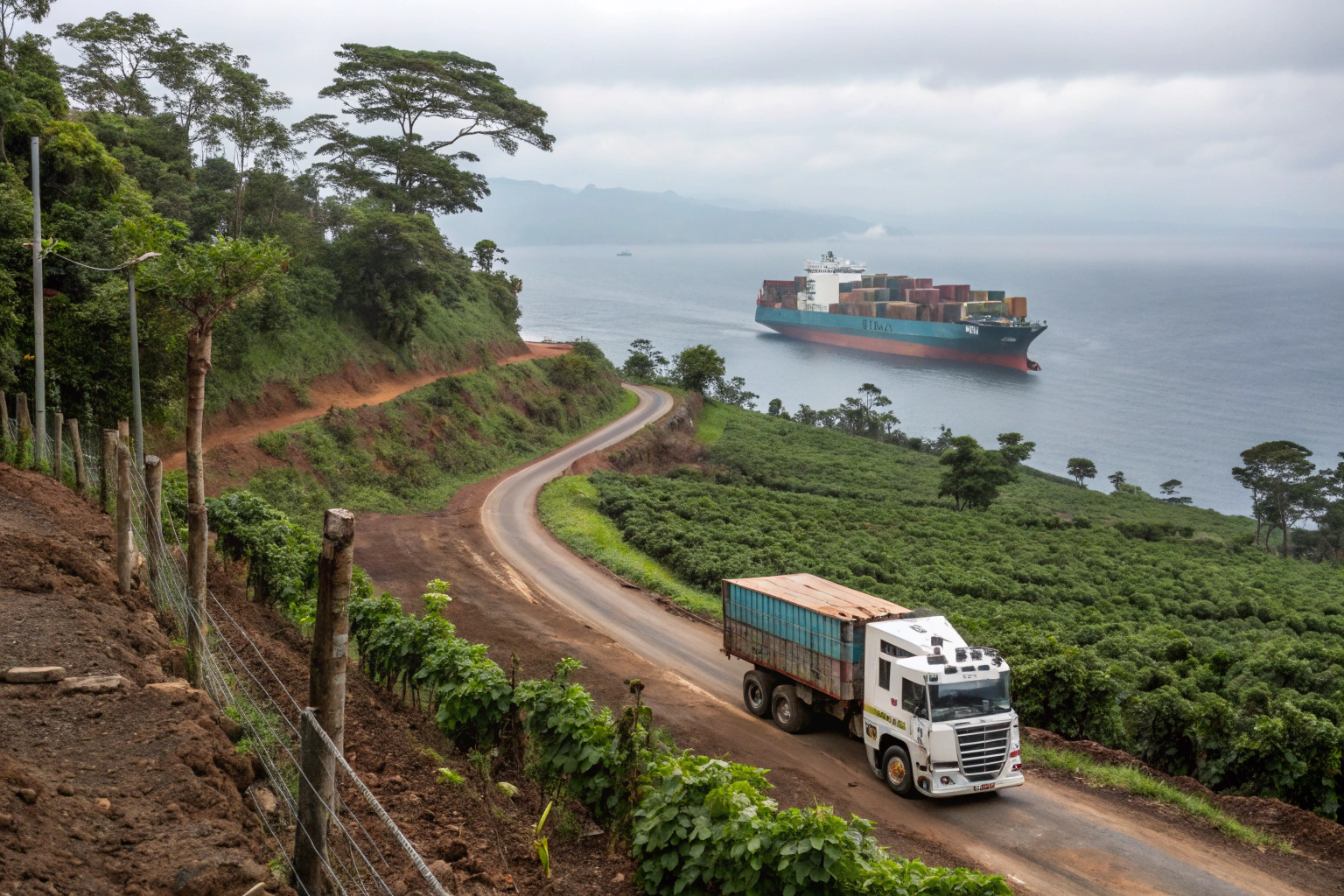
You've secured the perfect container of specialty green beans at a great price. Then reality hits: shipping costs have doubled since your quote, your container missed its vessel, and now it's stuck at a congested port. When it finally arrives, the beans have a musty smell. This isn't bad luck—it's the normal state of coffee logistics, where countless variables can derail even the most carefully planned shipment.
The coffee trade faces complex logistics challenges including volatile shipping costs and schedules, climate control during transit, documentation and customs delays, quality preservation across long supply chains, and infrastructure limitations in producing regions. These challenges add cost, risk, and uncertainty to every shipment, often determining whether coffee arrives in pristine condition or degraded quality.
So, what specific logistical hurdles routinely disrupt coffee shipments, and how can businesses navigate this complex landscape? The problems span from remote farm roads to final warehouse delivery, with each transition creating potential failure points. Let's examine the key pressure points in the coffee supply chain.
How Do Shipping and Freight Issues Impact Coffee?
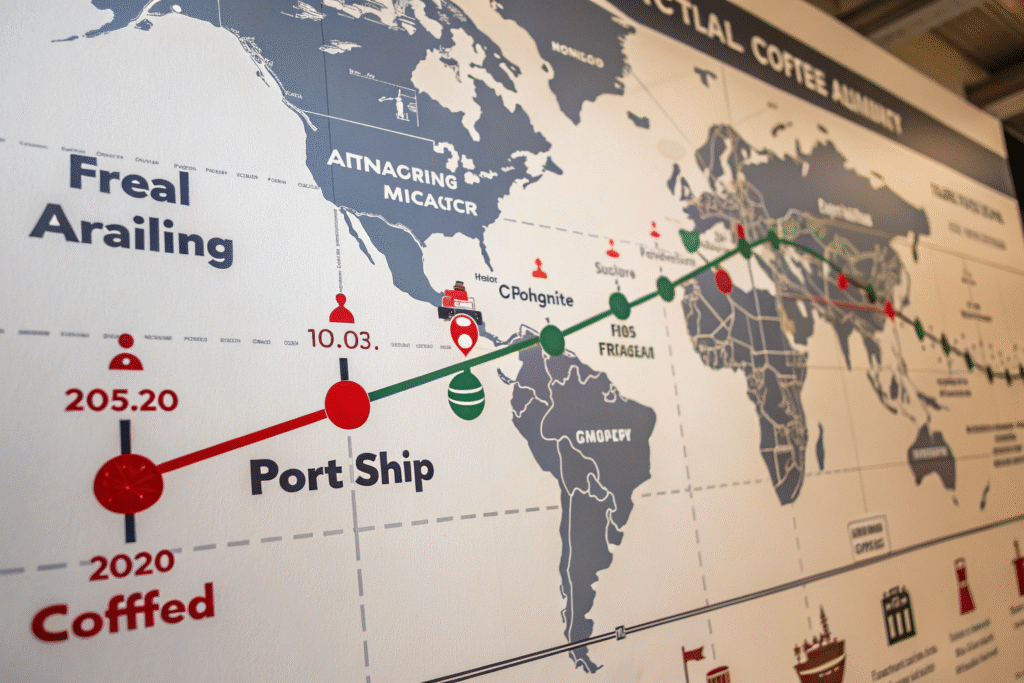
Ocean freight represents both the backbone of coffee logistics and one of its greatest vulnerabilities. The journey from origin port to destination involves multiple handoffs, each introducing potential delays and damage.
Shipping challenges include container availability, volatile freight rates, port congestion, and vessel schedule reliability. These issues have intensified post-pandemic, creating a "new normal" of logistical uncertainty.
Why Are Shipping Costs So Volatile?
Coffee shipping costs swing dramatically due to factors beyond your control:
- Fuel price fluctuations affecting bunker adjustment factors (BAF)
- Container imbalances leaving empty containers in the wrong locations
- Port congestion causing vessels to miss rotations
- Seasonal demand peaks during harvest seasons
- Geopolitical events closing shipping routes
The cost to ship a container from South America to Asia or from Asia to the US has varied by 300-500% in recent years. This freight rate volatility makes cost forecasting incredibly difficult for coffee businesses.
How Do Transit Delays Affect Coffee Quality?
Even with perfect packaging, extended transit times risk quality degradation:
- Temperature fluctuations during unexpected delays
- Moisture exposure in port storage areas
- Extended time in containers allowing slow staling
- Multiple handlings increasing physical damage risk
A container delayed from 30 to 60 days in transit can arrive with noticeably degraded coffee, even without obvious visible damage. This time-quality relationship makes schedule reliability crucial.
What Preservation Challenges Occur During Transit?
Coffee is a living agricultural product that continues to interact with its environment throughout the logistics chain. Preservation isn't just about avoiding obvious damage—it's about maintaining subtle quality characteristics.
The key preservation challenges involve moisture control, temperature management, protection from odors, and preventing physical damage to beans during handling and transit.
How Critical is Moisture Control?
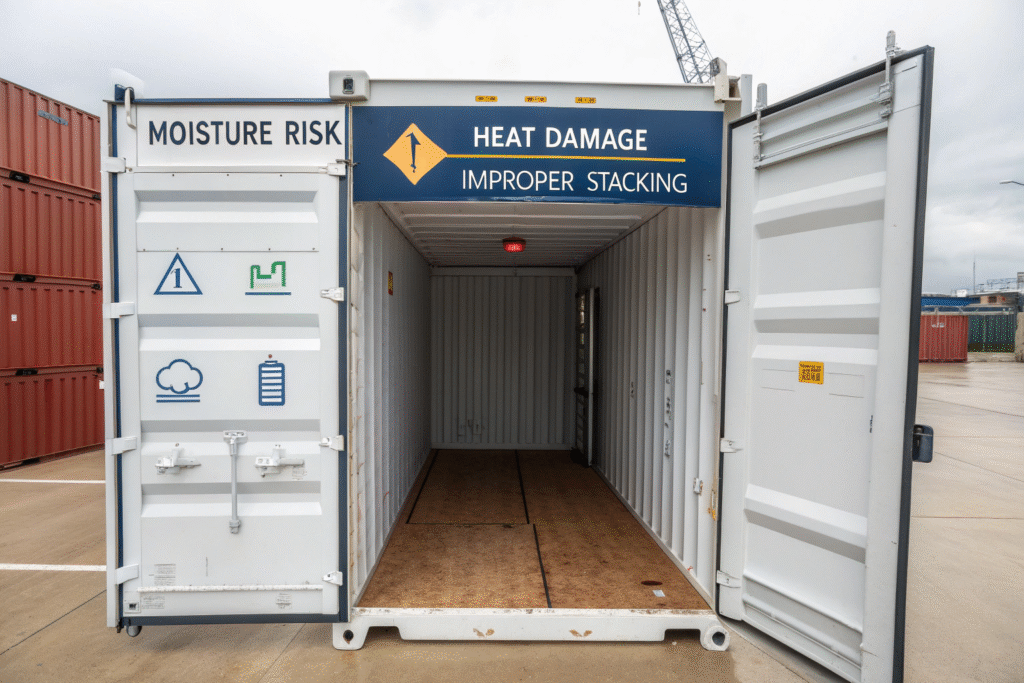
Green coffee ideally maintains 10-12% moisture content. During transit, it faces:
- High humidity in tropical ports and ocean environments
- Condensation during temperature swings
- Direct water exposure from leaks or poor container conditions
- Absorption of ambient moisture through packaging
Even with GrainPro-style packaging, extended exposure to high humidity can compromise coffee. This moisture management challenge requires multiple protective layers.
Why Does Temperature Matter So Much?
Temperature affects coffee in several ways:
- Heat accelerates staling chemical reactions
- High temperatures can cook beans, creating baked flavors
- Temperature fluctuations cause beans to "breathe," drawing in moist air
- Cold temperatures in refrigerated containers can condense moisture
Containers sitting in direct sun can reach 60°C+ (140°F+) internally, potentially damaging coffee within days. This thermal damage risk is often underestimated.
What Documentation and Regulatory Hurdles Exist?
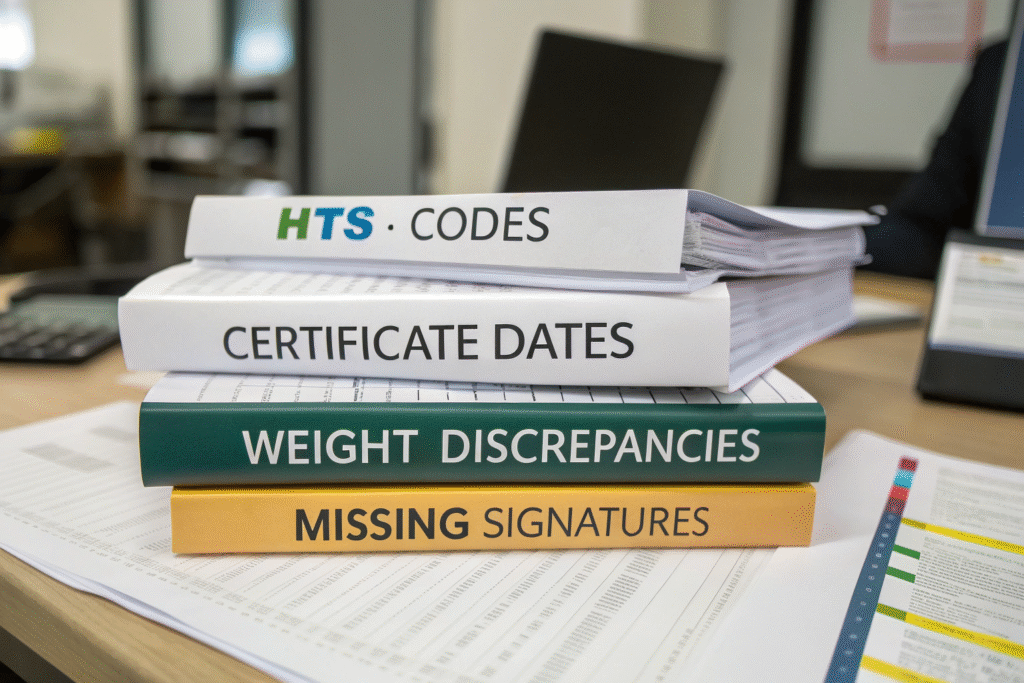
The coffee trade involves navigating complex international regulations, customs procedures, and documentation requirements. Errors in paperwork can cause costly delays or even shipment rejection.
Documentation challenges include certificate requirements, customs classification, import restrictions, and the sheer volume of paperwork required for international shipment.
What Documentation is Typically Required?
A single coffee shipment may need:
- Commercial invoice and packing list
- Bill of lading or air waybill
- Certificate of origin
- Phytosanitary certificate
- Fumigation certificate (if required)
- Insurance documents
- Import permits and customs declarations
Missing or incorrect documents can strand shipments at borders for weeks. This paperwork complexity demands meticulous attention to detail.
How Do Customs Procedures Create Delays?
Customs challenges include:
- Changing import regulations that aren't widely communicated
- Tariff classification disputes over coffee types
- Document verification processes that vary by country
- Agricultural inspection requirements causing bottlenecks
- Political factors suddenly altering trade relationships
Even with perfect documentation, customs clearance times can vary from days to weeks unpredictably. This clearance uncertainty complicates inventory planning.
What Infrastructure Limitations Affect Coffee Logistics?
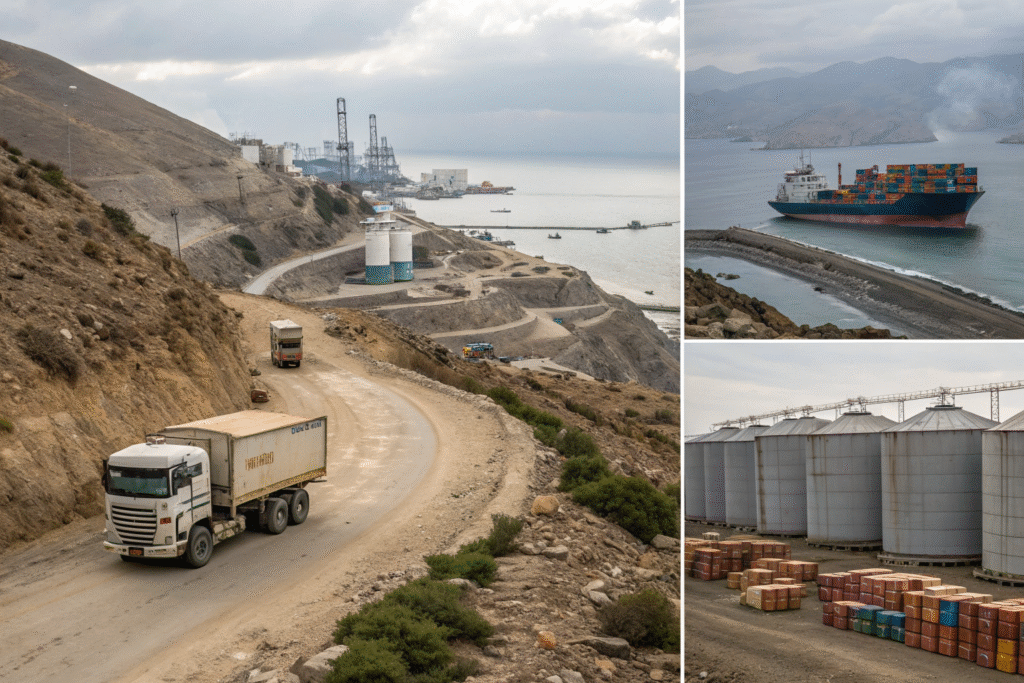
The journey begins long before coffee reaches modern ports—it starts in remote growing regions where infrastructure limitations create the first logistical challenges.
Infrastructure issues include poor rural roads, limited processing facilities, unreliable electricity, and inadequate storage conditions in origin countries.
How Do Rural Transportation Conditions Impact Quality?
In many coffee regions:
- Unpaved roads cause vibration damage during transport to mills
- Long transit times from farm to processing create quality risks
- Multiple handling increases physical damage to cherries
- Limited truck availability during harvest creates bottlenecks
The rough journey from farm to mill can damage coffee before it even begins international shipping. This first-mile challenge affects ultimate quality significantly.
What Processing and Storage Limitations Exist?
At origin, infrastructure constraints include:
- Inadequate drying facilities leading to inconsistent processing
- Limited warehouse space forcing temporary outdoor storage
- Power outages disrupting milling operations
- Basic quality control equipment in remote areas
These limitations mean coffee quality can be compromised before export, yet the issues may not be visible until the coffee reaches its destination. This origin infrastructure gap affects consistency and reliability.
How Can Businesses Mitigate These Logistics Challenges?
While logistics challenges can't be eliminated, they can be managed through strategic planning, partner selection, and contingency planning.
Effective mitigation strategies include diversifying supply chains, building buffer stock, investing in relationships, and implementing rigorous quality verification.
What Partner Selection Strategies Help?
Choose logistics partners carefully:
- Freight forwarders with coffee-specific experience
- Shipping lines with reliable schedules and equipment
- Inspectors who understand coffee's unique requirements
- Warehouses with climate control capabilities
- Customs brokers familiar with coffee regulations
At BeanofCoffee, we've built relationships with logistics partners who understand that coffee isn't just another commodity. This specialized partner network significantly reduces risk.
How Can Supply Chain Design Reduce Vulnerability?
Strategic approaches include:
- Diversified sourcing across multiple regions
- Flexible inventory management with safety stock
- Multiple transport options (air for urgent shipments)
- Direct relationships with producers for better communication
- Quality verification at multiple points in the chain
Building a resilient supply chain takes time but pays dividends when disruptions inevitably occur.

Conclusion
Coffee logistics present a complex web of interconnected challenges spanning from remote farms to final destination warehouses. The most successful coffee businesses treat logistics not as a cost center but as a strategic function that directly impacts product quality, customer satisfaction, and profitability.
Navigating these challenges requires specialized knowledge, strong partnerships, and contingency planning. By understanding the specific risks at each stage—shipping, preservation, documentation, and infrastructure—businesses can develop strategies to protect their coffee quality and ensure reliable supply. If you're looking for a supplier that understands and actively manages these logistics challenges, contact our export manager, Cathy Cai, at cathy@beanofcoffee.com. We've built our operations around transparent, reliable logistics because we know your business depends on coffee that arrives in perfect condition.