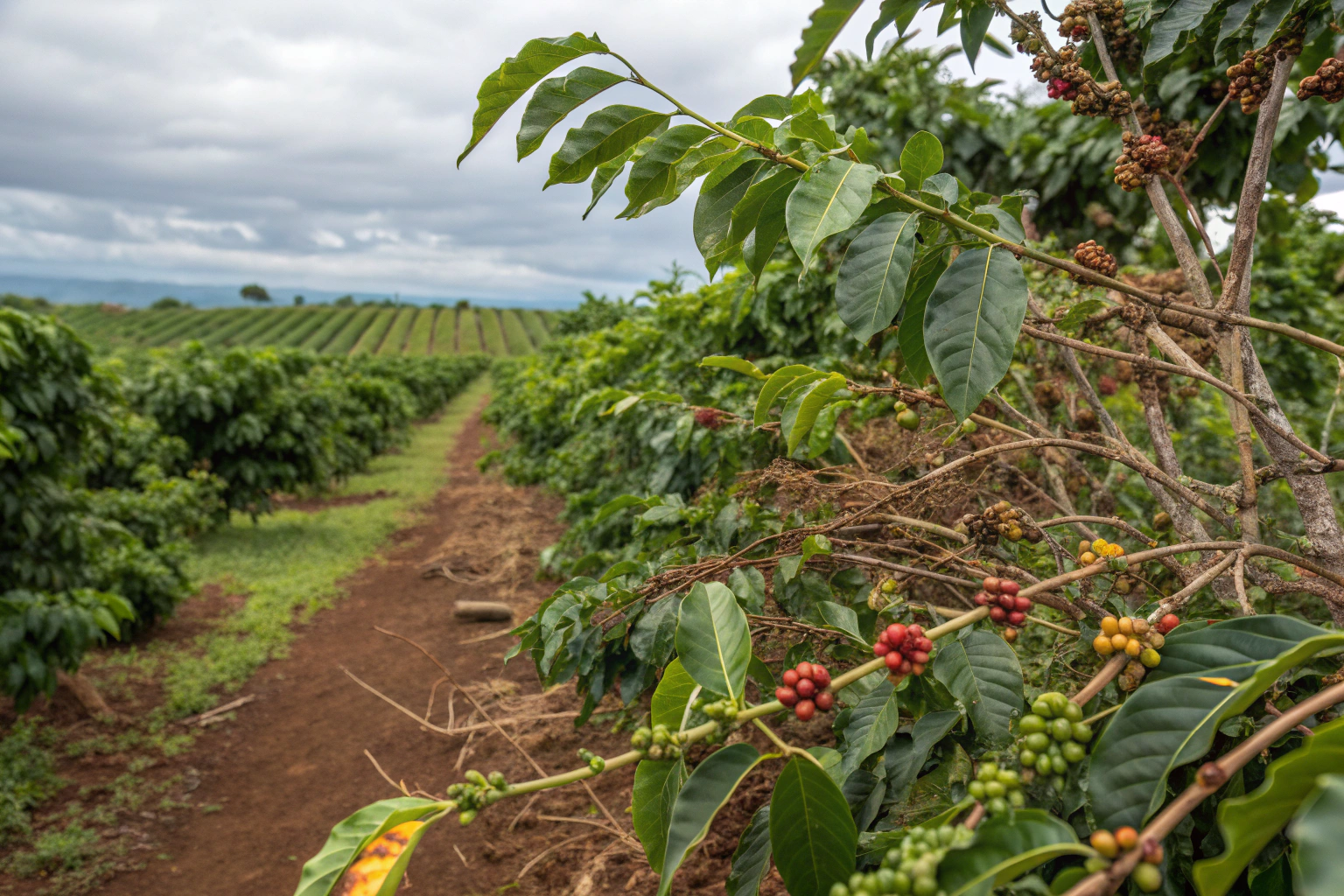
You're walking through a thriving coffee plantation when you notice strange holes in the leaves, discolored berries, or worse—entire branches dying back. Your first harvest is at risk, and you don't know the enemy. Pests don't just reduce yields; they can devastate entire farms and regional economies if not managed properly. Understanding these threats is the first step in protecting your investment.
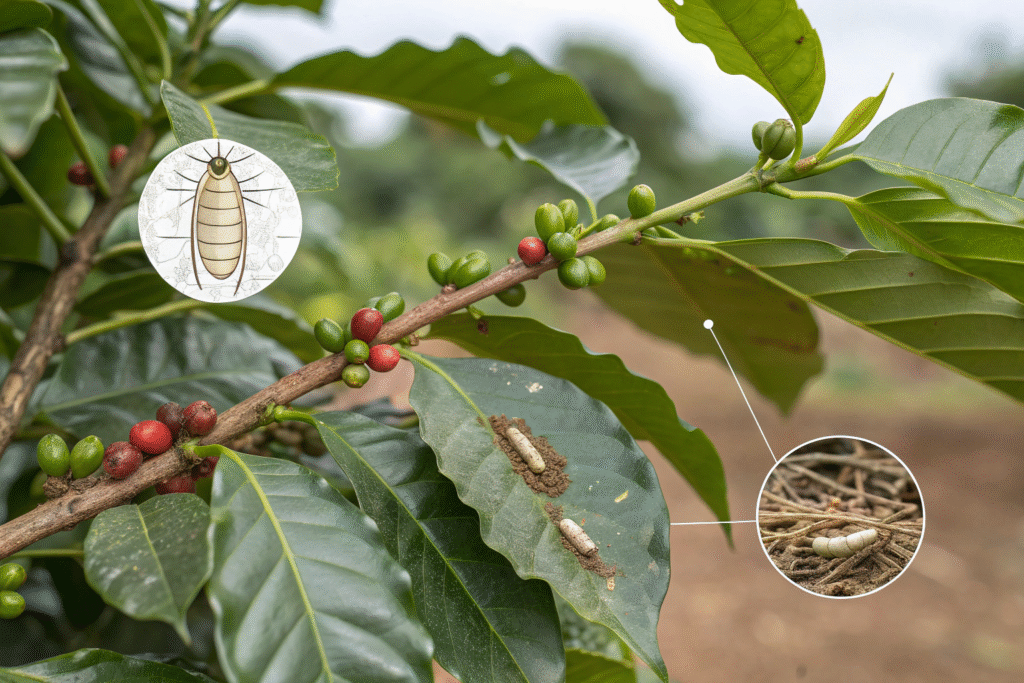
The most destructive pests affecting coffee plantations globally include the Coffee Berry Borer, Coffee Leaf Miner, and various scale insects and mealybugs. These pests attack different parts of the coffee plant—from berries to leaves to roots—causing direct damage and making plants vulnerable to diseases. Their impact ranges from minor cosmetic damage to complete crop loss.
So, what makes these particular pests so destructive, and how can you identify and manage them before they spiral out of control? The key lies in early detection, understanding pest life cycles, and implementing integrated management strategies. Let's examine the main culprits and their telltale signs.
Which Pest Causes the Most Economic Damage?
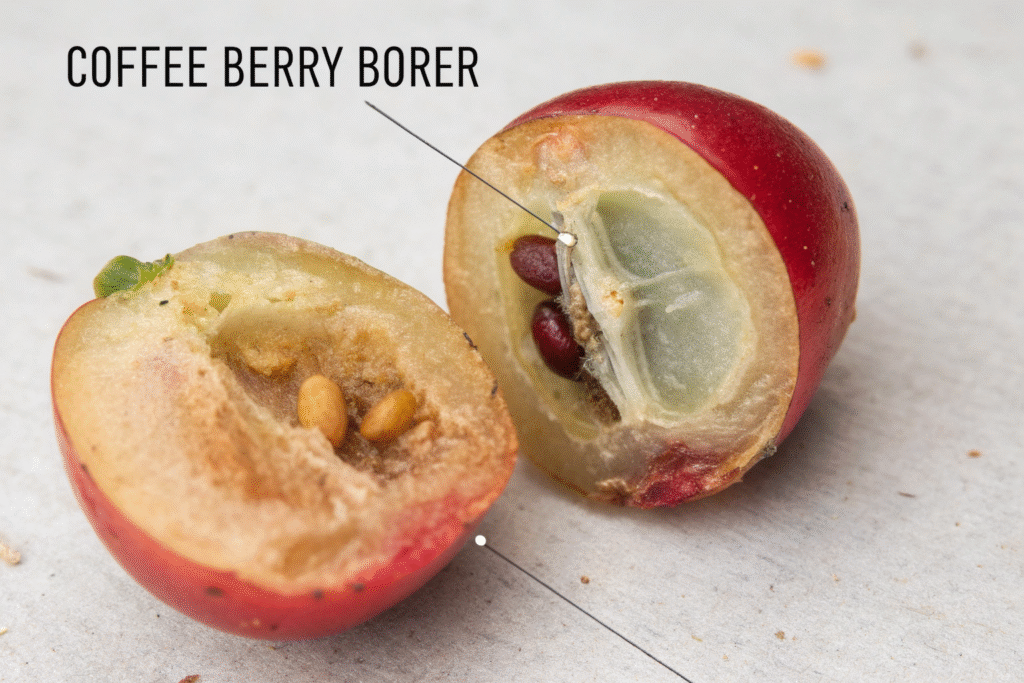
The Coffee Berry Borer (Hypothenemus hampei) is widely considered the most destructive pest in coffee cultivation worldwide. This tiny beetle doesn't just nibble on plants—it destroys the valuable seed inside the berry.
The Coffee Berry Borer is a small (1.5mm) dark beetle that bores into coffee berries to lay its eggs. The larvae then feed on the coffee bean itself, rendering it worthless for commercial sale.
How Does the Coffee Berry Borer Infestation Progress?
- Adult females bore into coffee berries through the tip
- They lay eggs inside the developing bean
- Larvae hatch and feed on the endosperm (the coffee seed)
- New adults emerge and continue the cycle
A single female can produce multiple generations per year, and infested berries often show a small, round entry hole. The damage isn't just cosmetic—infested beans develop off-flavors and lower cup quality. This direct damage to the marketable product makes the berry borer particularly devastating.
What are the Economic Impacts?
Studies show the Coffee Berry Borer causes over $500 million in annual damage globally. In severe infestations, it can destroy 50-100% of the crop. Beyond immediate yield loss, control measures add significant production costs. At BeanofCoffee, we implement rigorous monitoring to prevent establishment of this pest in our Yunnan plantations, as prevention is far more effective than cure.
What Pests Target Coffee Leaves and Stems?
While the Berry Borer attacks the fruit, several pests specialize in damaging the photosynthetic machinery of the coffee plant—its leaves. Without healthy leaves, the plant cannot produce energy for growth and berry development.
The Coffee Leaf Miner (Leucoptera coffeella) and various scale insects are major foliar pests that can severely weaken coffee plants when infestations are heavy.
How Does the Coffee Leaf Miner Work?
The Leaf Miner is a small moth whose larvae feed between the upper and lower surfaces of coffee leaves, creating characteristic serpentine mines or tunnels. These mines reduce the leaf's photosynthetic area and cause premature leaf drop. Severe infestations can defoliate entire branches, reducing yields for multiple seasons as the plant recovers.
Why are Scale Insects and Mealybugs Problematic?
These sap-sucking insects attach themselves to stems and leaf undersides, weakening plants by draining nutrients. They also excrete honeydew, which promotes sooty mold growth that further reduces photosynthesis. Some species also transmit plant diseases, making them doubly dangerous. Their small size and protective coatings make them challenging to control once established.
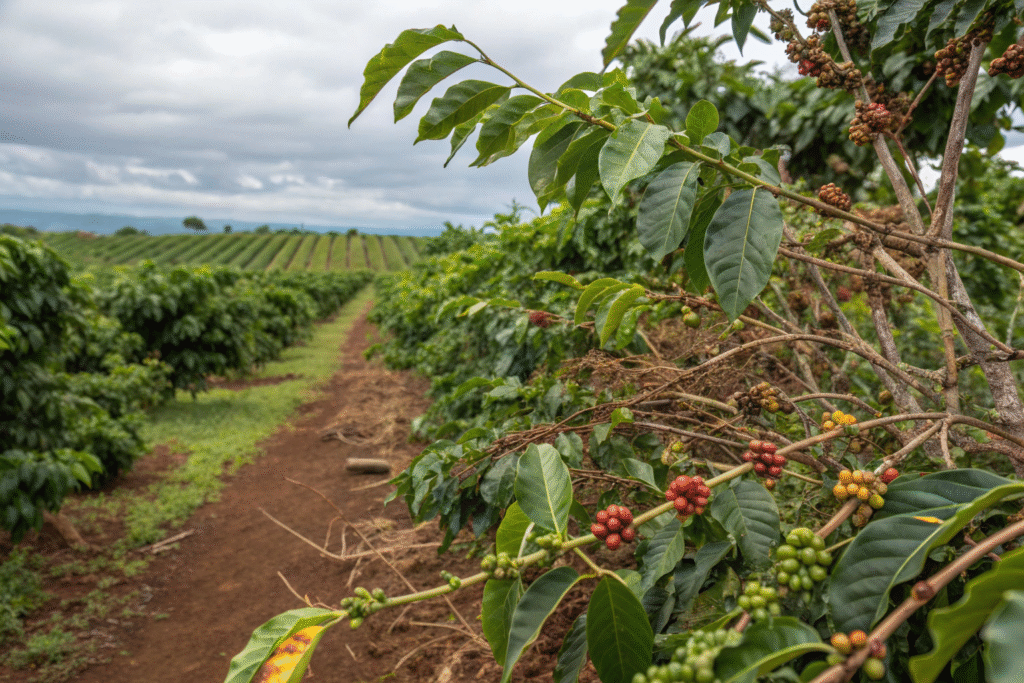
How Do Environmental Conditions Affect Pest Outbreaks?
Pest problems don't exist in a vacuum. Certain growing conditions and farming practices can either suppress pests or create ideal environments for population explosions.
Shade management, rainfall patterns, and farm sanitation all influence which pests become problematic and how severe their damage will be.
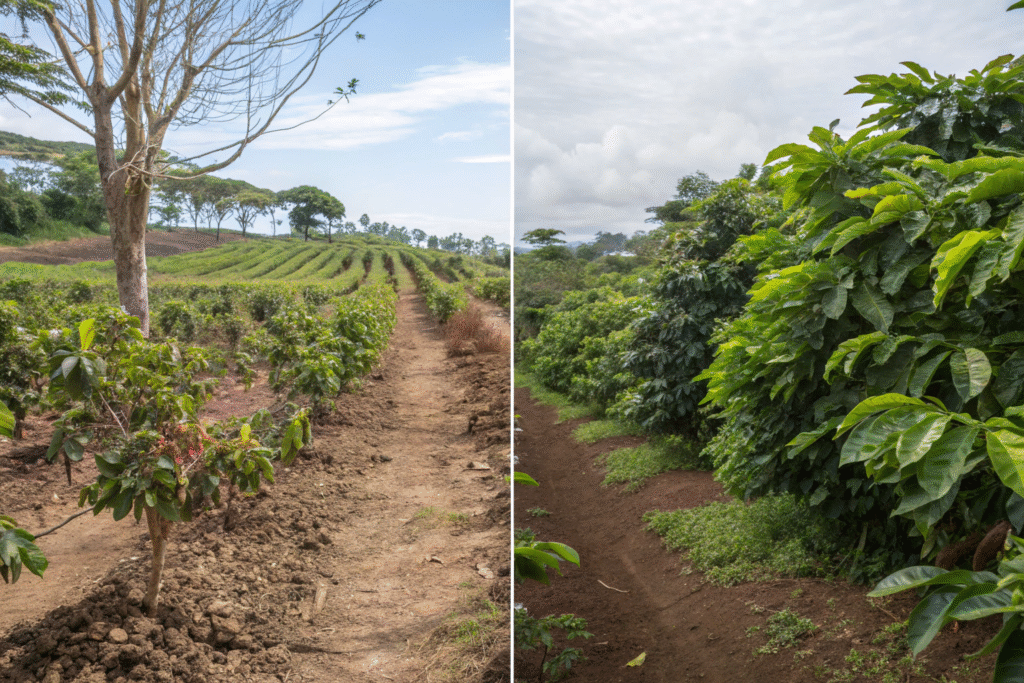
Does Shade Growing Help or Hurt Pest Management?
The relationship is complex:
- Shade can suppress some pests by maintaining higher predator populations
- Dense shade may increase humidity, favoring certain fungal diseases
- Full sun plantations often have more issues with leaf miners and mites
Many studies show that balanced shade systems typically support more natural predators that help control pest populations naturally.
How Does Climate Change Affect Pest Pressure?
Rising temperatures and changing rainfall patterns are expanding the range of many coffee pests. The Coffee Berry Borer, for instance, is spreading to higher elevations as temperatures warm, affecting regions previously too cool for it to thrive. This changing pest geography requires constant monitoring and adaptation of management strategies.
What Integrated Pest Management Strategies Work Best?
The most effective approach combines multiple strategies rather than relying on any single solution. Integrated Pest Management (IPM) focuses on prevention, monitoring, and using chemical controls only as a last resort.
Successful IPM for coffee includes cultural controls, biological controls, and careful monitoring to determine when interventions are truly necessary.
What Cultural Practices Reduce Pest Problems?
- Sanitation: Removing and destroying infested berries and prunings
- Proper pruning: Improving air circulation to reduce pest-friendly environments
- Timely harvesting: Removing ripe berries to reduce Berry Borer breeding sites
- Soil health: Maintaining vigorous plants that better withstand pest pressure
These preventive practices are the foundation of sustainable pest management and reduce reliance on pesticides.
What Biological Controls Are Available?
- Fungal pathogens: Beauveria bassiana specifically targets Berry Borers
- Parasitic wasps: Some species parasitize Leaf Miner larvae
- Predatory beetles: Feed on various coffee pests
- Ant colonies: Can protect coffee plants from certain pests
When we implement these natural enemy strategies at our farms, we often see pest populations stabilize below economically damaging levels without chemical intervention.

What About Lesser-Known But Damaging Pests?
While the major pests get most attention, several secondary pests can become primary problems under certain conditions or in specific regions.
The Coffee White Stem Borer, nematodes, and various mites can cause significant damage when environmental conditions favor their development.
How Serious is the Coffee White Stem Borer?
This beetle larvae tunnels into the main stem and branches, disrupting nutrient flow and often killing the plant. Detection is difficult until damage is advanced, and control usually requires removing and burning infested plants. Its lethal potential makes it particularly feared despite being less widespread than the Berry Borer.
Are Nematodes a Growing Threat?
Microscopic root-feeding nematodes can significantly reduce plant vigor and yields, particularly in sandy soils. They're often overlooked because the damage—stunted growth, nutrient deficiencies—can be mistaken for other problems. Soil analysis is needed for proper identification of this hidden threat.
Conclusion
Coffee pests present a constant challenge that requires vigilance and integrated management. The Coffee Berry Borer remains the most economically damaging pest globally, but leaf miners, scale insects, and various borers can also devastate yields if left unchecked. The most successful approach combines preventive cultural practices, biological controls, and careful monitoring.
The future of coffee pest management lies in sustainable, knowledge-intensive approaches rather than reliance on chemical solutions. Healthy ecosystems, resistant varieties, and early detection systems offer the most promise for protecting coffee crops while maintaining environmental balance. For coffee growers facing pest challenges, sharing knowledge and implementing integrated strategies is crucial. If you're dealing with specific pest issues in your supply chain, contact our technical team at cathy@beanofcoffee.com—we're happy to share our experience managing pests sustainably in our Yunnan plantations.