
If you're importing coffee into the United States, choosing the right port of entry is a critical business decision. It directly impacts your supply chain's cost, speed, and reliability. The U.S. has a vast network of ports, but when it comes to coffee, a few key hubs stand out due to their specialized infrastructure, strategic location, and deep connections to the coffee industry. Knowing these ports can help you optimize your logistics, from tariff calculations to final-mile delivery.
The major U.S. coffee ports are primarily located on the East and Gulf Coasts, with The Port of Virginia being a dominant leader. Other significant gateways include the Ports of New Orleans, Savannah, Charleston, and New York/New Jersey. The West Coast, while massive for general cargo, handles less direct coffee imports due to geographical trade routes from major producing regions in Latin America and Africa. Selecting the right port isn't just about where the ship docks—it's about accessing efficient warehousing, roasting facilities, and distribution networks to get your beans to market.
This guide breaks down the key ports, their unique advantages for coffee importers, and the logistical factors you should consider for your business.
Why is the East Coast the Primary Gateway for US Coffee Imports?
The geography of global coffee trade tells the story. The United States is a net importer of coffee, with the vast majority of beans coming from Latin America (like Brazil and Colombia) and Africa. For ships sailing from South America or crossing the Atlantic from Africa, the most direct and cost-effective routes land on the U.S. Eastern Seaboard or the Gulf of Mexico. This simple fact of maritime logistics has concentrated coffee import infrastructure in these regions for decades.
Beyond just being the first landfall, these ports have evolved into sophisticated hubs. They offer specialized facilities like temperature-controlled warehouses for "green" (unroasted) coffee beans, easy access to major roasting and production plants, and dense transportation networks to distribute across the country. A significant portion of the nation's coffee processing industry has strategically clustered around these ports to minimize transport time and cost for raw beans.
What Makes The Port of Virginia a Leading Coffee Hub?
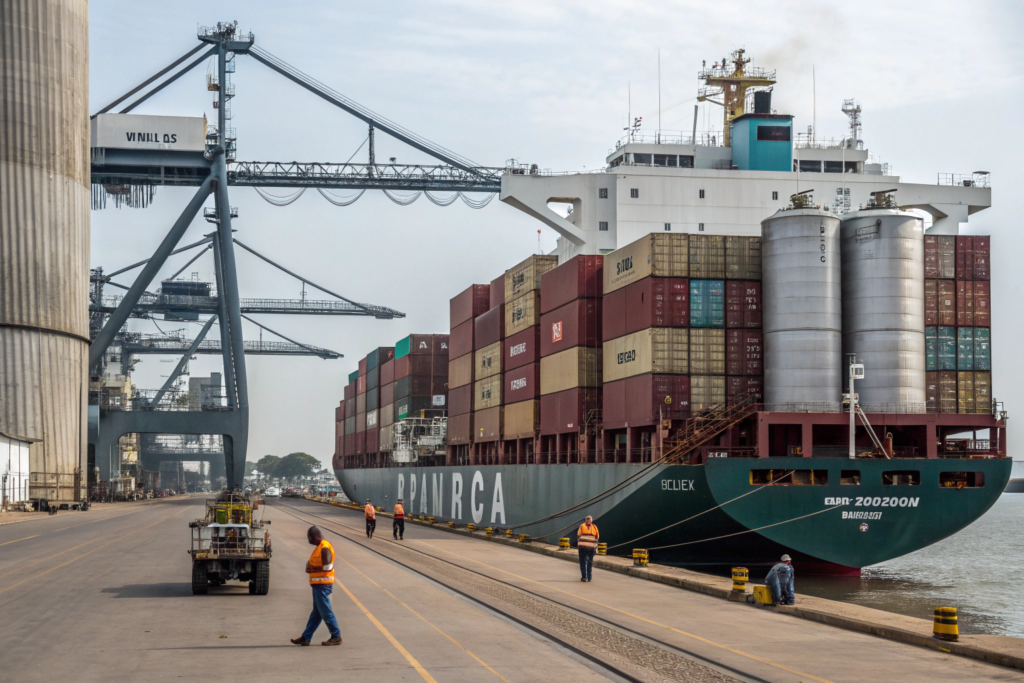
The Port of Virginia, centered on the Norfolk International Terminals (NIT), is arguably the nation's premier coffee import gateway. Its rise to prominence is no accident; it's the result of strategic development and natural advantages.
- Industry Concentration: The Hampton Roads region of Virginia is a major processing center, home to large roasting plants for companies like Massimo Zanetti Beverage USA (producer of Hills Bros., Chock full o'Nuts). This creates massive, consistent demand for green coffee beans right at the port's doorstep.
- Specialized Designation: Crucially, The Port of Virginia is an officially certified delivery point for Arabica coffee futures contracts traded on the Intercontinental Exchange (ICE). This formal status attracts commodity trading and requires high-standard, certified warehousing, guaranteeing quality handling.
- Infrastructure & Efficiency: The port features deepwater channels capable of handling the largest container ships and has invested heavily in semi-automated operations for speed. Its central East Coast location also allows rapid distribution to major population centers.
This powerful combination of physical infrastructure and deep industry integration makes Virginia a top-tier choice for reliability and efficiency.
How Do Gulf Coast Ports Like New Orleans Factor In?
The Port of New Orleans is a historic and vital gateway for coffee, especially from Latin America. Its greatest asset is the Mississippi River system, which acts as a massive inland waterway for distribution.
Coffee beans unloaded in New Orleans can be efficiently transferred to barges that travel upriver, reaching key agricultural and industrial centers throughout the nation's heartland at a lower cost than truck or rail. This makes it an excellent choice if your supply chain stretches into the Midwest. Its geographic role and historical importance in bulk commodity trade remain highly relevant for coffee logistics.
What Other Key Ports Should Coffee Importers Consider?
Beyond the top hubs, a network of other major ports handles substantial coffee volumes. These ports often serve specific regional markets or offer competitive advantages in serving the southeastern U.S.
The Port of Savannah (Georgia) is a colossal container gateway and the fourth busiest in the U.S.. It handles a significant share of containerized imports for the Southeast and has extensive rail and highway connections. Similarly, the Port of Charleston (South Carolina) is noted for its efficiency and is part of the Mid-Atlantic region's coffee import cluster. For serving the Northeastern U.S. market, the Port of New York and New Jersey is an obvious major player due to its immense size and local consumer base.
Choosing between these often comes down to your final distribution point and the specific shipping services available from your origin country.
Why are Ports Like Savannah and Charleston Major Contenders?
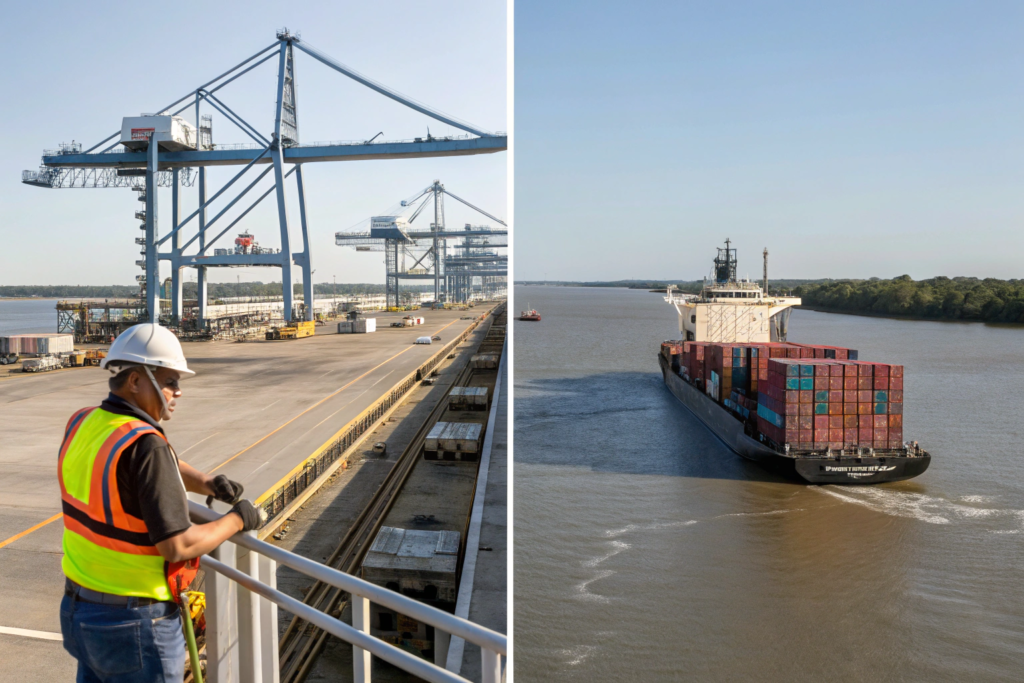
The Ports of Savannah and Charleston combine deepwater capability with strategic location. Savannah's Garden City Terminal is one of the largest single-container terminal facilities in North America. This scale allows for frequent vessel calls and efficient transfer operations.
For an importer, this means greater scheduling flexibility and potentially faster turnaround times. Both ports have also developed strong intermodal rail links—Savannah's service to major Midwest markets like Chicago in five days is a key selling point. If your beans are destined for roasting plants or distribution centers in the growing Southeast or need to move quickly to the Midwest by rail, these ports are excellent options.
Is the West Coast a Viable Route for Coffee Imports?
Generally, the West Coast—ports like Los Angeles, Long Beach, and Seattle—plays a smaller direct role in coffee imports. The primary reason is the tyranny of distance. Shipping coffee from Brazil or Vietnam to the U.S. West Coast requires a much longer voyage through the Panama Canal or across the Pacific, increasing both time and cost compared to East Coast or Gulf routes.
However, West Coast ports can be relevant for specific trade flows, such as coffee from Indonesia or parts of East Africa, or for importers serving the Western U.S. market who want to avoid cross-country trucking from an East Coast port. It's a niche but potentially strategic option depending on your origin and final destination.
What Logistics and Supply Chain Factors Determine Port Choice?
Choosing a port is more than picking a dot on the map. You must analyze the complete "landed cost" and reliability of your end-to-end supply chain. A port with slightly higher dock fees might save you far more in inland transportation costs or warehouse redundancy.
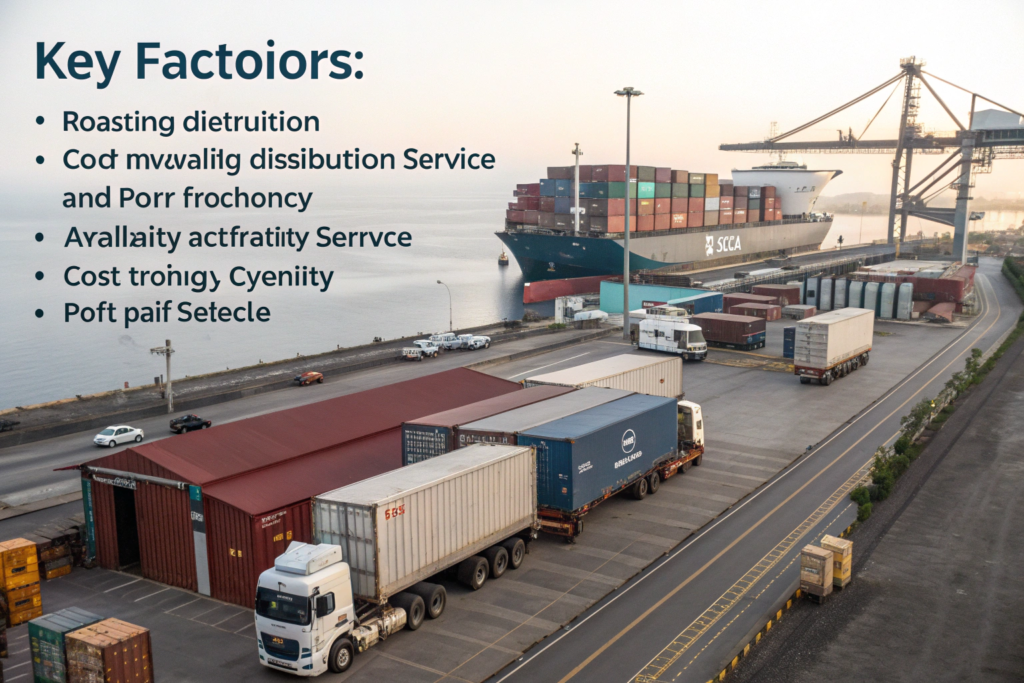
Key factors include proximity to your roasting or distribution facilities, the availability and cost of trucking and rail service from the port, and the port's congestion and efficiency record. For a time-sensitive commodity like coffee, delays at a congested port can disrupt production schedules. Also, consider the port's experience with your specific commodity; ports with dedicated agricultural inspection facilities and dry, secure warehousing can mitigate quality risks.
How Do Intermodal Connections Impact Total Cost and Time?
The best port is the one that offers the most seamless and cost-effective connection from the ship to your warehouse. This is where intermodal connectivity is king.
- On-Dock Rail: Ports like Virginia's NIT and Savannah have direct on-dock rail terminals. This means containers can be transferred from the ship directly to a waiting train without being trucked off the port property first. This significantly cuts handling time, cost, and potential for damage.
- Highway Access: Evaluate the port's access to major interstate highways. The Port of Virginia, for instance, has direct access to Interstate 64, a major artery. Easy highway access reduces drayage (short truck haul) costs and time for local or regional distribution.
Asking your freight forwarder or the port authority for standard transit times and costs to your destination zip code from different ports is essential for a true comparison.
What Role Do Warehousing and Commodity Expertise Play?
Coffee is not a simple manufactured good; it's an agricultural product that requires careful handling. Ports with a strong history in coffee have developed the supporting ecosystem.
- ICE-Certified Warehouses: As mentioned, Virginia's status as an ICE delivery point means it has warehouses that meet strict exchange standards for storing Arabica coffee. Using these facilities can simplify procurement if you buy on the futures market.
- Industry Cluster: Ports like Virginia benefit from a dense cluster of related businesses—roasters, packaging suppliers, machinery repair, and logistics specialists. This local expertise can be invaluable for resolving issues quickly and ensures the port's operations are finely tuned to the needs of coffee shippers.
This specialized support network can be the difference between a smooth import process and a logistical headache, making it a decisive factor for many high-volume importers.
Conclusion
The United States' major coffee import landscape is clearly defined by geography and industry evolution. The Port of Virginia (Norfolk) stands out as the modern leader, built on a foundation of deep industry ties, futures market certification, and top-tier infrastructure. The Port of New Orleans remains a vital historic gateway with unparalleled inland waterway access, while Savannah and Charleston are powerful, efficient container hubs for the Southeast and beyond.
For you as an importer, the optimal choice hinges on your specific supply chain: the origin of your beans, the location of your roasting or distribution facilities, and your need for speed versus cost. Prioritizing ports with strong intermodal links and a proven track record in handling agricultural commodities like coffee will minimize risk and ensure your beans move from ship to shelf as efficiently as possible.
Ready to streamline your coffee imports from Yunnan? At Bean of Coffee, we have extensive experience shipping through these major U.S. gateways. We can help you plan the most efficient route for your Catimor, Arabica, or Robusta beans. For a detailed logistics consultation, contact our export manager, Cathy Cai, at cathy@beanofcoffee.com. Let's brew a perfect supply chain together.