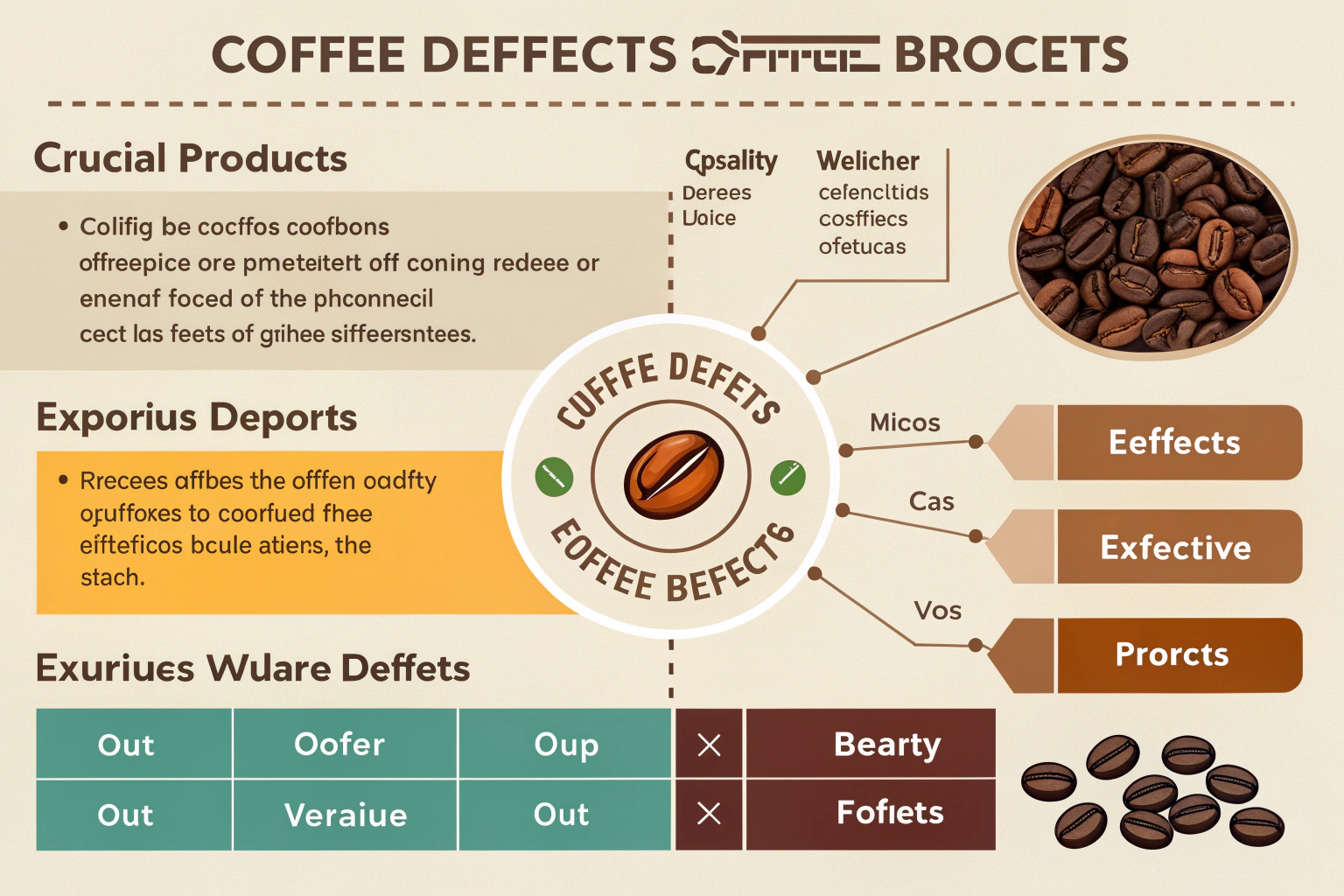
In the pursuit of premium coffee, understanding defects is as crucial as mastering roast profiles or brewing methods. For producers, exporters, and serious buyers, the ability to identify and eliminate defective beans is what separates a good cup from a great one, and a commodity product from a specialty-grade treasure. Defects are specific, traceable flaws that introduce off-flavors and compromise the integrity of your coffee, directly impacting its market value and your brand's reputation.
The most common coffee defects to avoid are those that arise from errors in cultivation, processing, and storage. They can be systematically categorized into fermentation and processing defects, biological contaminants, immature beans, and physical damage. Each category presents distinct visual cues and imparts characteristic off-flavors—from sour and musty notes to raw, grassy astringency. Proactively preventing and removing these defects is the most effective strategy for protecting your coffee's quality and ensuring a clean, delicious cup.
Let's examine these four critical defect categories in detail to build a foundation for impeccable quality control.
How Do Fermentation and Processing Defects Impact Flavor?
Fermentation is a delicate, controlled process essential for developing flavor. When mismanaged, it leads to some of the most severe and recognizable defects that can ruin an entire batch of coffee.
The two primary fermentation defects are sour beans and black beans. Sour beans result from over-fermentation during the wet (washed) process, often due to prolonged soaking in contaminated water or tanks. They are visually identifiable by a yellow-brown discoloration and emit a sharp, vinegar-like odor when cut open. In the cup, they contribute a harsh, unpleasant sourness distinct from the bright, fruity acidity of high-quality coffee. Black beans, often a result of over-fermentation combined with microbial infection or from beans that died on the tree, appear fully or partially black and opaque. They impart heavy, fermented, or medicinal (phenolic) flavors that are overwhelmingly negative.

What Causes Stinker Beans and Foul Odors?
Beyond the obvious visual defects, uncontrolled fermentation can produce "stinker" beans. These beans may not look dramatically different but release a foul, putrid aroma when crushed. They are caused by anaerobic (oxygen-less) fermentation and create flavors described as rotten fruit or sewage in the brewed coffee, capable of tainting a large portion of a batch.
How Can Proper Drying Prevent Musty and Over-Fermented Flavors?
Improper drying is a major source of processing defects. If coffee is dried too slowly, piled too thickly, or stored while still damp, it can develop a musty/humidy flavor. This occurs when beans absorb moisture and environmental odors, leading to a taste reminiscent of a damp basement. Conversely, drying that is too rapid or uneven can "trap" fermentation, leading to a generalized over-fermented flavor profile that is oniony or reminiscent of rotten fruit. Consistent, shaded drying to the correct moisture content (10-12%) is the fundamental prevention method.
Why Are Biological Defects a Critical Concern for Safety and Quality?
Biological defects involve contamination by living organisms, primarily fungi and insects. These defects are particularly concerning as they can introduce significant off-flavors and, in some cases, pose food safety risks.
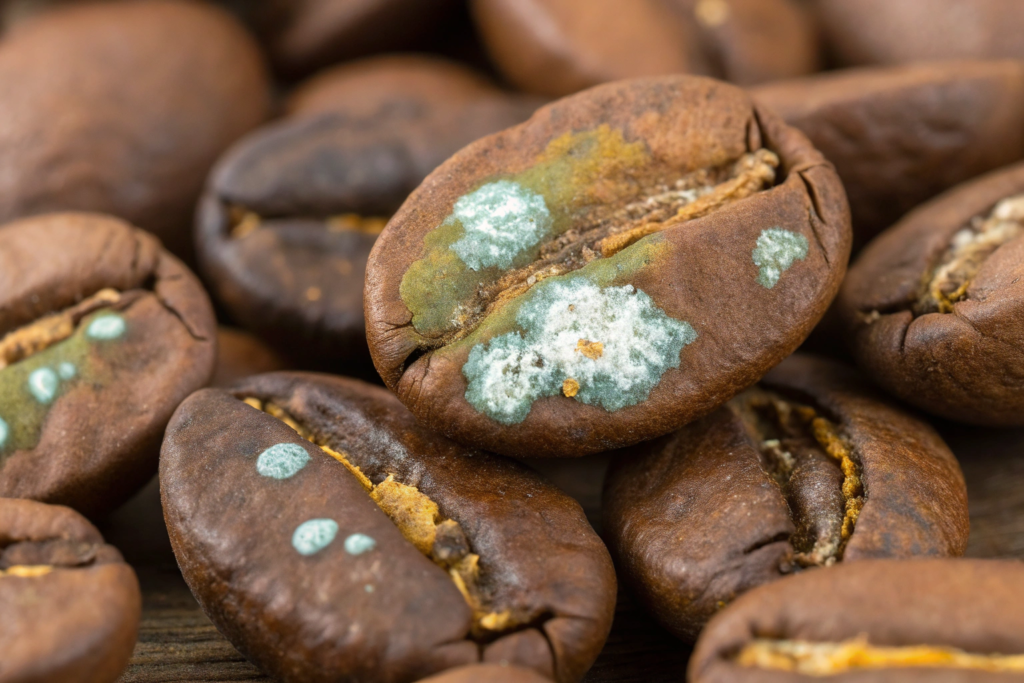
Moldy beans are a severe defect caused by storing coffee at high humidity or with excessive moisture. They may show visible white, green, or blue fungal growth or more subtle yellow/brown spotting. Beyond imparting a distinct musty, earthy flavor, certain molds can produce mycotoxins, such as Ochratoxin A (OTA). Long-term consumption of these toxins is a health concern, making mold prevention a key focus of food safety programs in producing countries.
How Does Insect Damage Affect Coffee Flavor?
Insect-damaged beans, most commonly from the Coffee Berry Borer, are identified by small, round holes bored into the bean. The damage goes beyond the physical hole; insect excretions and associated microbial activity lead to flavors described as earthy, dirty, or reminiscent of raw potatoes or peanut shells. These flavors are dull and can introduce unpleasant bitterness.
What Are the Essential Storage Practices to Prevent Biological Defects?
Prevention hinges on strict moisture and climate control post-harvest. Storing green coffee in a cool, dry, and well-ventilated environment (ideally 15-20°C with 50-60% relative humidity) is non-negotiable. For exporters, this extends to demanding climate-controlled conditions during海运 to avoid the "container effect," where temperature swings cause condensation and spoilage. Good farm hygiene and integrated pest management also reduce the risk of insect infestation at origin.
What Is the Flavor Impact of Immature and Underdeveloped Beans?
Not all defects occur after harvest; some are locked into the bean from the start. Immature beans, universally known as "Quakers," originate from the harvest of under-ripe coffee cherries.
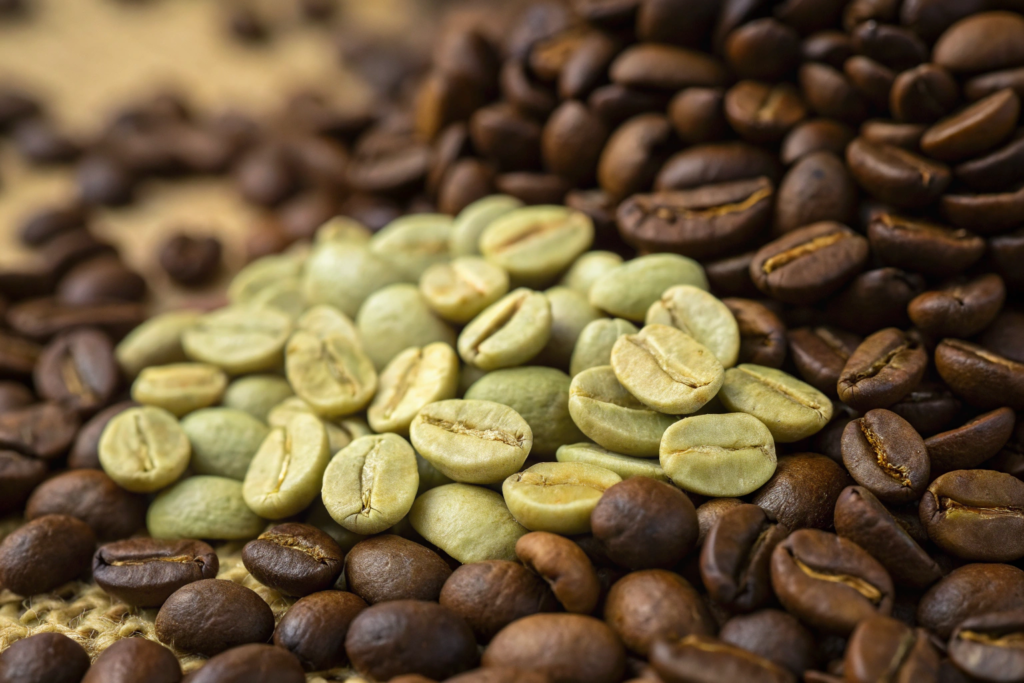
Quakers are the seeds from cherries picked before they have fully developed their sugar and nutrient content. They are visually distinct: pale yellowish-green, often shriveled, smaller, and denser than healthy beans. Due to their lack of sugars, they fail to undergo proper caramelization during roasting, often appearing as pale, brittle spots in a batch of otherwise uniformly dark roast coffee.
How Do Quakers Degrade the Sensory Profile of Coffee?
The flavor impact of Quakers is profoundly negative. They contribute little to no sweetness or desirable acidity, instead introducing raw, green, astringent flavors often described as grassy, peanutty, or like hay. Their astringency can dry out the mouth and create a harsh, bitter finish. Even a small percentage of Quakers can significantly drag down the overall quality and balance of a coffee.
What Harvest and Sorting Methods Eliminate Immature Beans?
The most effective prevention method is selective hand-picking, where only fully ripe, red cherries are harvested. This labor-intensive practice is the gold standard for specialty coffee. Mechanized or less selective harvesting inevitably includes green cherries. Later, processing stations use flotation channels (underripe cherries float) and, crucially, optical color sorters to electronically remove the pale Quakers that slip through earlier stages. Density sorting can also be effective.
How Does Physical Damage and Contamination Compromise Coffee?
The final category of defects stems from mechanical and handling errors after the coffee is dried. These defects affect the bean's physical integrity and can pose risks to processing equipment.
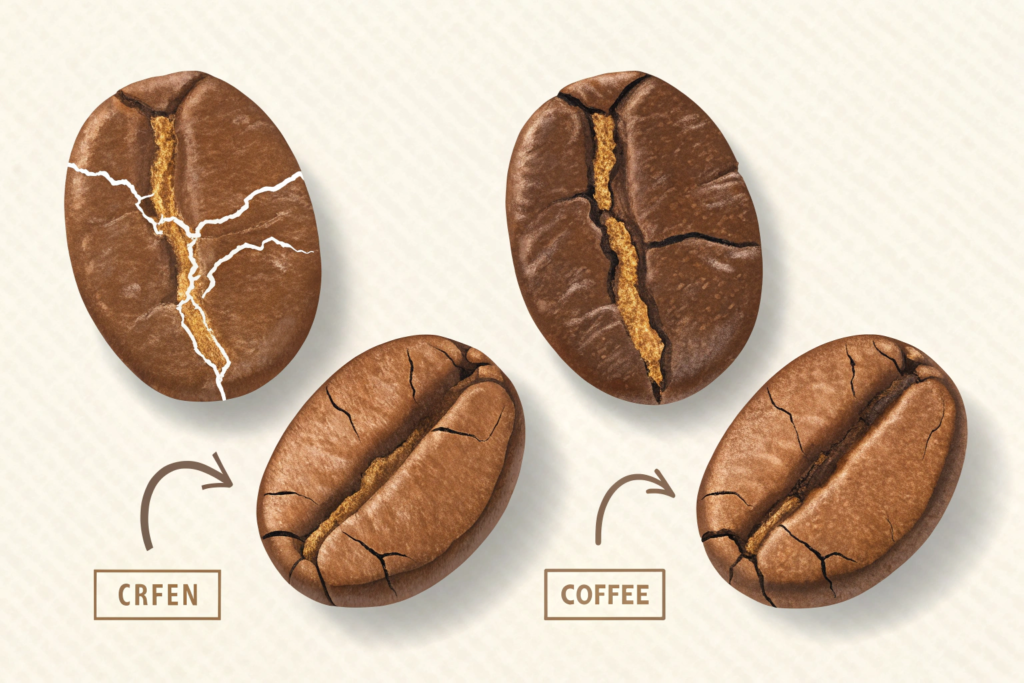
Broken and chipped beans result from incorrect settings on dehusking, hulling, or grading machinery. These fractured beans oxidize rapidly due to increased surface area, leading to stale, papery flavors. The fine particles they create can burn during roasting, contributing to ashy, bitter notes.
Why Are Foreign Materials a Serious Hazard?
Foreign materials—such as stones, sticks, metal fragments, or clumps of earth—pose a dual threat. First, they are a direct source of contamination. Second, and critically for roasters and grinders, they can cause catastrophic damage to expensive equipment. A single stone can shatter the burrs of a commercial grinder.
What Mechanical and Manual Processes Ensure a Clean Product?
Preventing physical defects relies on proper equipment calibration and multi-stage cleaning. Well-adjusted hullers and graders minimize breakage. To remove foreign materials, processors use a sequence of magnets (for metal), specific gravity separators or destoners (for stones), and vibrating sieves. Despite this technology, a final manual pre-shipment inspection of green coffee samples remains a vital, irreplaceable step for guaranteeing the cleanliness of high-grade lots.
Conclusion
Mastering the identification and prevention of common coffee defects is a non-negotiable component of producing and trading premium coffee. From the fermenty taint of a sour bean and the potential health hazard of mold to the raw astringency of a Quaker and the equipment risk of a stone, each defect represents a failure point in the chain of care. The path to defect-free coffee is built on disciplined practices: selective harvesting, controlled fermentation and drying, strict storage protocols, and meticulous mechanical cleaning and sorting.
For a vertically integrated exporter like Shanghai Fumao, this knowledge is embedded in our operational DNA. Our control from plantation to export allows us to enforce rigorous quality gates at every stage, ensuring our partners receive coffee of exceptional purity and consistency. By prioritizing defect prevention, we deliver on our fundamental promise of a reliable, superior product.
If you are a buyer who values flawless quality and seeks a partner dedicated to defect-free coffee from seed to export, we should connect. To discuss how our meticulously graded Catimor, Arabica, and Robusta beans can elevate your offerings, please contact our sales lead, Cathy Cai, at cathy@beanofcoffee.com.