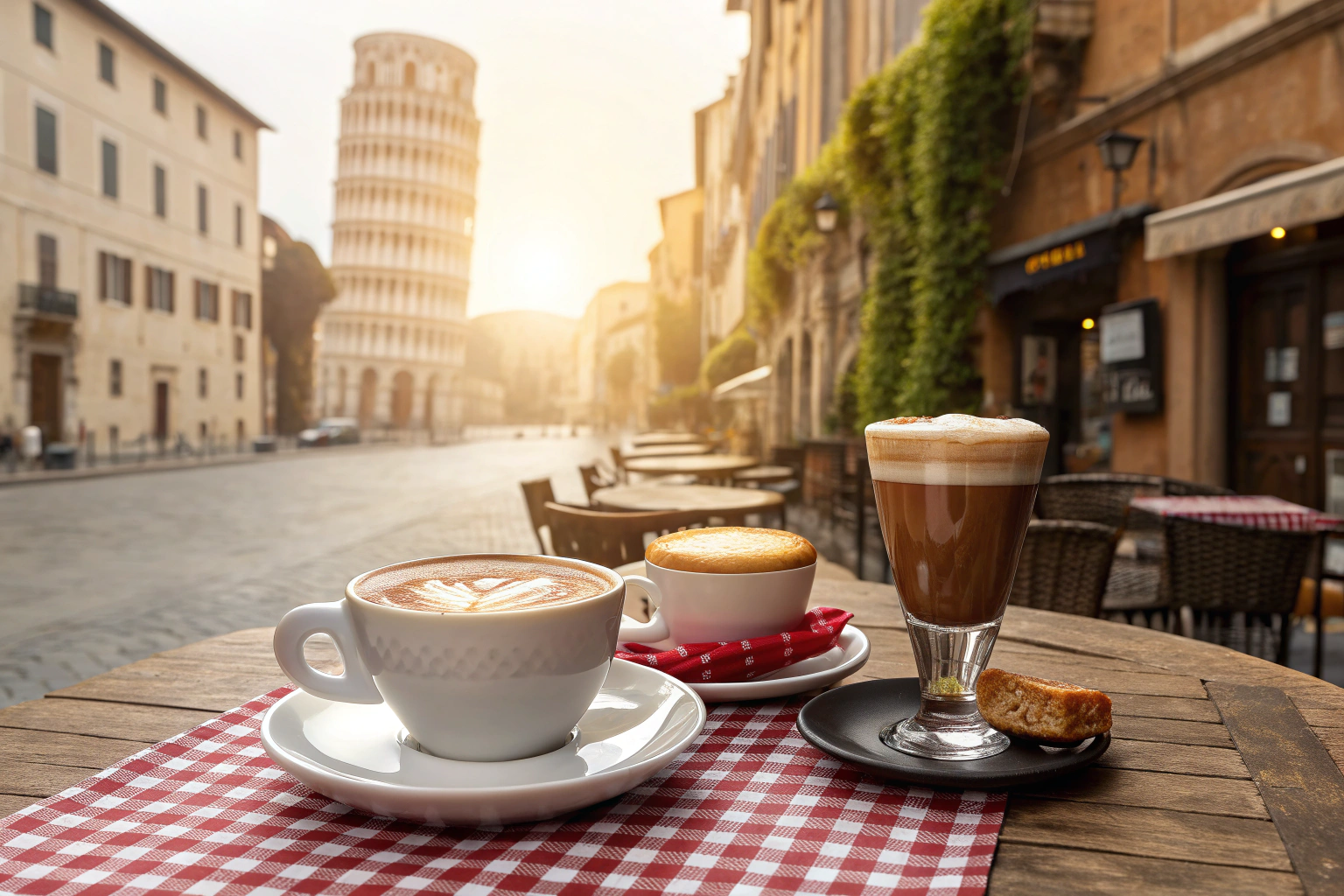
You're always looking for the next trend, the next big thing to offer your customers. You see what's popular in your local market, but you might be wondering, "What are they drinking in the places where coffee culture was born?" Europe is a fascinating mosaic of coffee traditions. From the intense, stand-up espresso bars in Italy to the cozy, cake-and-coffee houses of Vienna, understanding these habits can give you a huge creative advantage. It's a pain point for many cafe owners—feeling stuck in a local bubble, unsure of what global tastes are truly like.
Honestly, while the American-style latte and cappuccino are universally popular, the true heart of European coffee culture lies in its espresso-based drinks, with the simple, unadulterated espresso being the most fundamental and widely consumed, especially in Southern Europe. Variations like the macchiato, ristretto, and the ubiquitous caffè lungo (or Americano) form the backbone of daily coffee consumption across the continent.
I've traveled extensively through Europe, meeting with roasters and cafe owners, trying to understand what makes each market tick. It's fascinating. The same beans from our Yunnan plantations can be transformed into a dozen different drinks, each with its own local identity. So, let's take a tour of Europe's most popular coffee drinks. This isn't just a travelogue; it's a menu of ideas for your business.
The Italian Foundation: Espresso and Its Variations
You cannot talk about European coffee without starting in Italy. Italy is the birthplace of the espresso machine and the culture that surrounds it. Here, coffee is a quick, functional, and deeply ingrained ritual. The drinks are simple, strong, and serve as the blueprint for almost everything else you'll find across Europe.
In Italy, the single espresso is king. It's the default "caffè." Beyond that, the most popular variations are the macchiato (espresso "stained" with a dollop of milk foam), the cappuccino (traditionally a morning-only drink), and the ristretto (a shorter, more intense espresso shot). These aren't complicated, sugary concoctions; they are pure, coffee-forward experiences.
Understanding this foundation is key. When you perfect your espresso shot—that 25-30 second extraction of pure flavor—you unlock the potential to create all these classic drinks authentically. It all comes back to the quality of the bean and the skill of the barista. This is why we at Shanghai Fumao are so obsessed with providing beans that can produce a rich, complex, and stable crema.
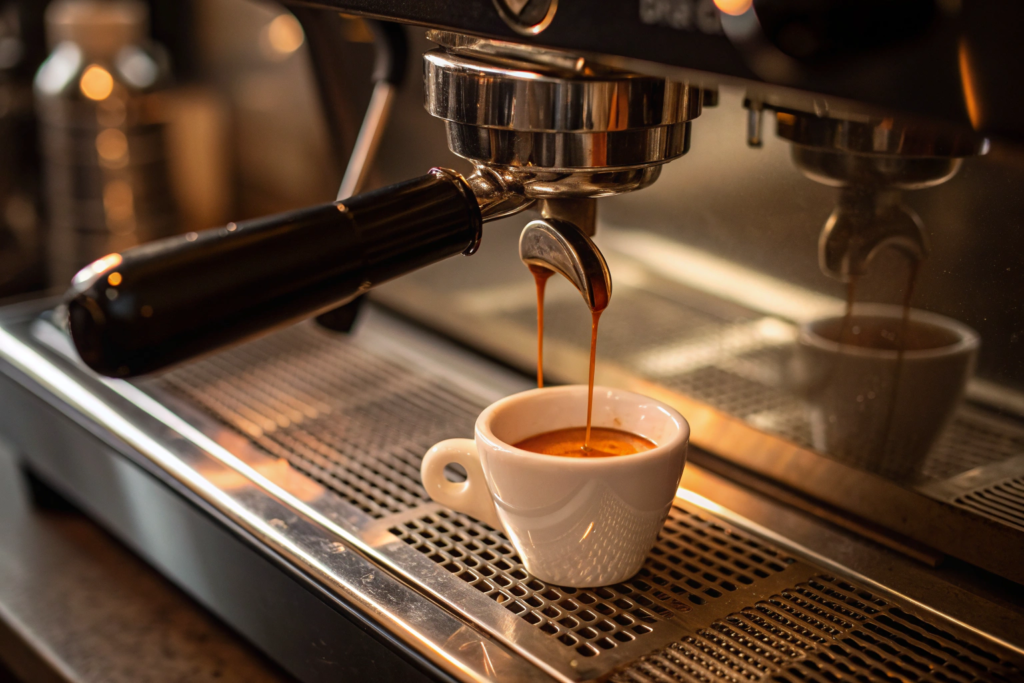
What makes an Italian espresso unique?
An Italian espresso is typically a 25-30ml shot pulled from a 7-9 gram dose of finely ground coffee. It's often a blend that includes some high-quality Robusta to produce a thick, long-lasting crema. It's served in a small, pre-heated ceramic cup and is meant to be drunk quickly, standing at the bar. It's a concentrated burst of flavor and energy.
What is the difference between a Macchiato and a Cortado?
A caffè macchiato is an espresso with just a small amount of foamed milk on top, literally "staining" the coffee. It's for someone who finds straight espresso a bit too intense but doesn't want a milky drink. A cortado, which is more Spanish than Italian, is different. It has a roughly 1:1 ratio of espresso to steamed (not foamed) milk, creating a smoother, more diluted drink. It's less about the foam and more about tempering the espresso's intensity.
The German & Northern European Approach: Filter Coffee and Milky Drinks
As you move north into Germany, the Netherlands, and Scandinavia, the coffee culture changes. The pace slows down. Coffee is less of a quick pit-stop and more of a social ritual, often accompanied by cake or pastries (a concept known as "Fika" in Sweden). While espresso is available everywhere, it shares the stage with other forms of coffee.
In Germany and Northern Europe, while the latte macchiato and cappuccino are extremely popular in cafes, traditional filter coffee (Kaffee) remains a dominant force in homes and offices. The "Kaffee und Kuchen" (coffee and cake) culture makes longer, milder coffee drinks a staple of daily life.
This market values comfort and sociability. The drinks are larger and designed to be savored over a longer period. This is a great opportunity for blends that are smooth, balanced, and less intense. A medium-roast Arabica from our Yunnan plantations, with its nutty and chocolatey notes, is perfect for this style of coffee.
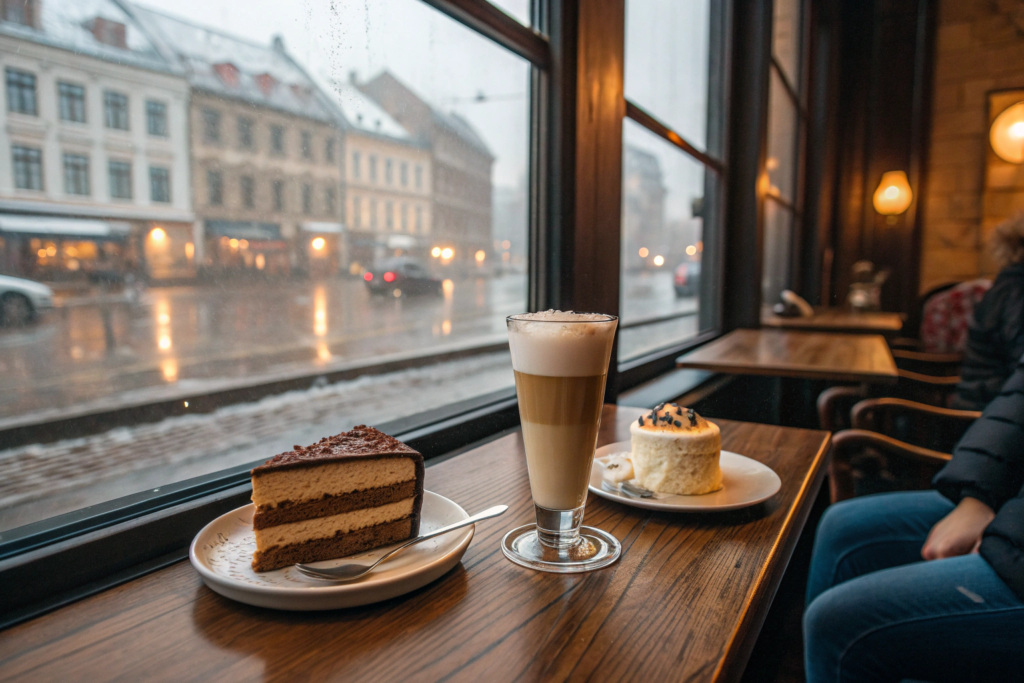
Why is the Latte Macchiato so popular in Germany?
The latte macchiato is visually appealing and less intimidating than a strong espresso. It's made by pouring a shot of espresso into a tall glass of steamed milk, creating beautiful layers of milk, coffee, and foam. It's a milky, mild, and comforting drink that fits perfectly with the relaxed cafe culture. It's more about the milk than the coffee, in contrast to a cappuccino.
Is filter coffee still relevant?
Absolutely. While espresso-based drinks dominate the cafe scene, the vast majority of coffee consumed in German and Scandinavian homes is made with an automatic drip coffee maker. This highlights a demand for high-quality, pre-ground or whole-bean coffee that performs well as a simple black coffee. Offering a fantastic "house blend" for filter brewing is a huge, often overlooked, market.
The French & Spanish Style: Stronger, Bolder Choices
France and Spain share a love for strong, robust coffee flavors. Their daily rituals are built around espresso, but with their own unique twists. In these countries, the coffee is often roasted darker, and the drinks are straightforward and potent.
In France, the morning staple is the café au lait, a large bowl of filter coffee mixed with hot milk, perfect for dipping croissants. For the rest of the day, a simple "un café" (an espresso) is standard. In Spain, the café solo (espresso) is the base, but the café con leche (a strong, milky coffee) and the powerful cortado are immensely popular.
These markets appreciate a coffee that can stand up for itself. A blend with a good body and bold, chocolatey, or even spicy notes performs very well here. This is another area where including a bit of high-quality Robusta in an espresso blend, a common practice in Spain, can create that desired punch and thick crema.
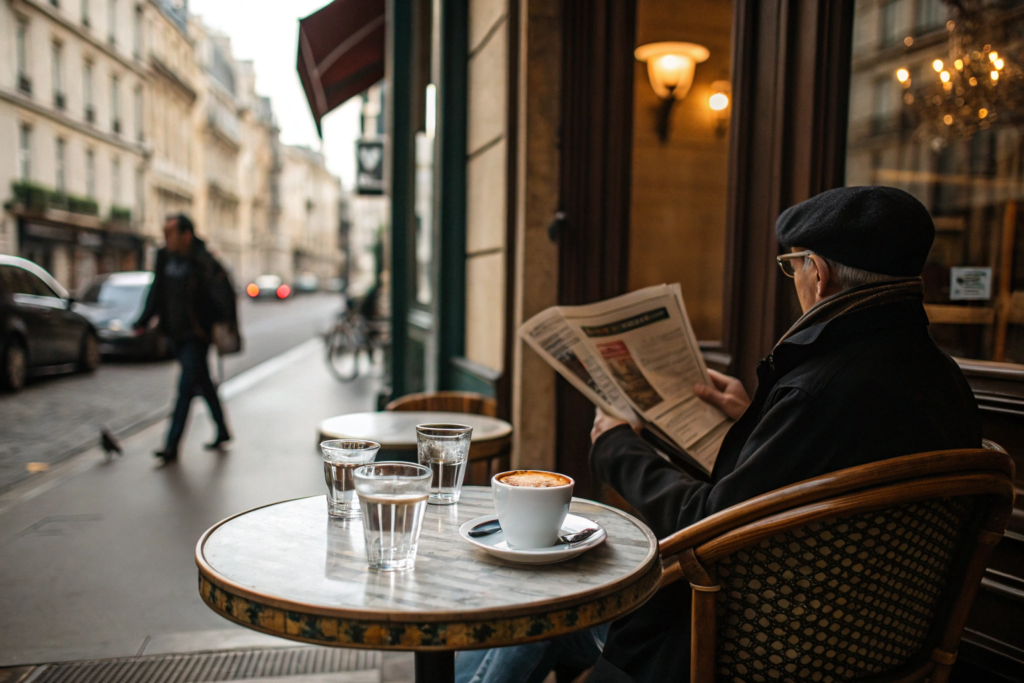
What is a real French Café au Lait?
A true café au lait is different from a latte. It's typically made with strong, dark-roast filter coffee (not espresso) and an equal amount of hot, steamed (but not foamy) milk. It's traditionally served in a wide, handleless ceramic bowl. The large size and wide brim are specifically for dipping pastries—a key part of the French breakfast experience.
What is a Café Bombón?
This is a specialty from Valencia, Spain, that has gained popularity elsewhere. A café bombón is a delicious, dessert-like drink made with a shot of espresso carefully layered on top of a thick layer of sweetened condensed milk. It's served in a small glass to show off the distinct layers and is stirred together before drinking. It's a sweet, intense treat.
The Emerging Fourth Wave: Specialty Coffee Across Europe
While the traditional drinks still dominate, a powerful new movement has swept across all major European cities: the "Third Wave" or "Fourth Wave" of specialty coffee. This movement treats coffee like fine wine, with a focus on single-origin beans, lighter roast profiles, and alternative brewing methods.
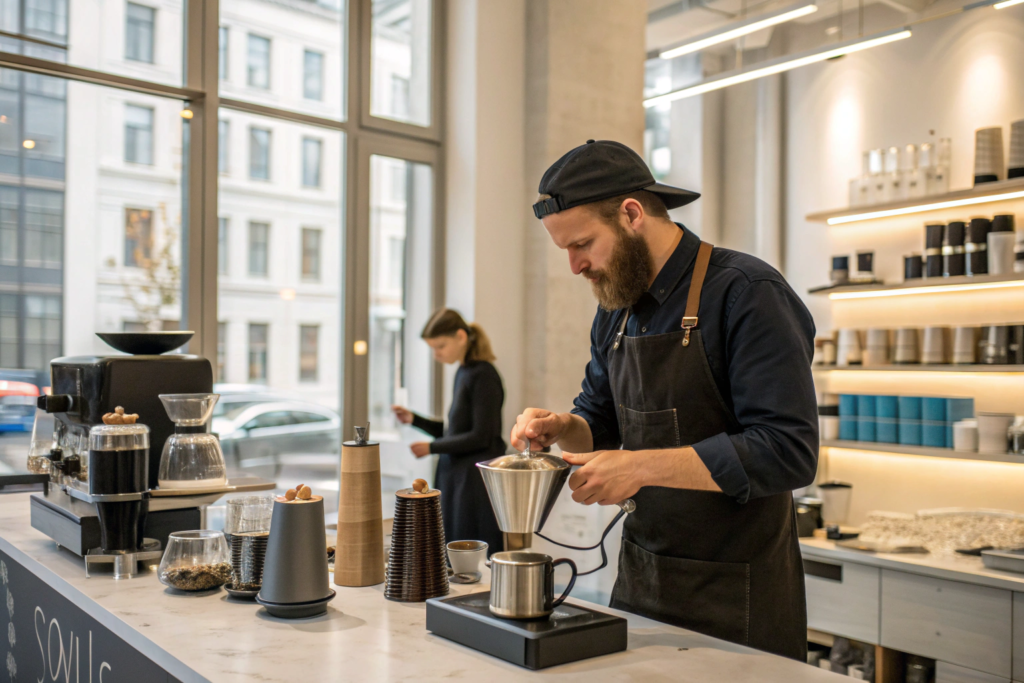
Across Europe's major cities, from London to Berlin to Prague, specialty coffee shops are thriving by offering pour-over (V60, Chemex), Aeropress, and cold brew. These methods are used to highlight the unique, nuanced flavors of single-origin beans, moving away from dark roasts and towards brighter, more acidic, and fruit-forward profiles.
This is a completely different market. It's driven by curiosity, quality, and traceability. These customers want to know where their coffee comes from—the country, the farm, even the processing method. This is where having a direct relationship with a farm like ours at Shanghai Fumao becomes a powerful marketing tool. Being able to tell the story of a specific bean from a specific plot in Yunnan is exactly what this audience is looking for.
Is Pour-Over popular?
Yes, in the specialty scene, it's a benchmark of quality. A pour-over allows the barista to control every variable—water temperature, flow rate, extraction time—to bring out the most delicate notes in a coffee. It produces a clean, clear cup that is very different from the heavy body of an espresso. Offering a "guest" single-origin on pour-over is a great way to attract coffee connoisseurs.
What about Cold Brew?
Cold brew has become a global phenomenon, and Europe is no exception. Its smooth, low-acid profile has made it a summer staple in even the most traditional markets. It's easy to make in large batches and is highly versatile, serving as a base for a variety of creative coffee cocktails and drinks. It's a must-have for any modern cafe menu.
Conclusion
The European coffee landscape is a rich tapestry woven from centuries of tradition and waves of modern innovation. While milky drinks like cappuccinos and lattes have universal appeal, the heart of the culture beats with the rhythm of the espresso machine. Understanding the nuances—from an Italian macchiato to a French café au lait to a specialty pour-over—provides you with an incredible palette of flavors and stories to share with your customers. It allows you to be both a keeper of tradition and a pioneer of new tastes.
We are proud to produce beans that are versatile enough to shine in any of these preparations. Whether you need a robust bean for a classic espresso blend or a complex, fruity Arabica for your next single-origin feature, we have the quality and traceability you need. If you're inspired to bring a taste of Europe to your customers, let's talk. Contact our coffee specialist at cathy@beanofcoffee.com to find the perfect beans for your next creation.