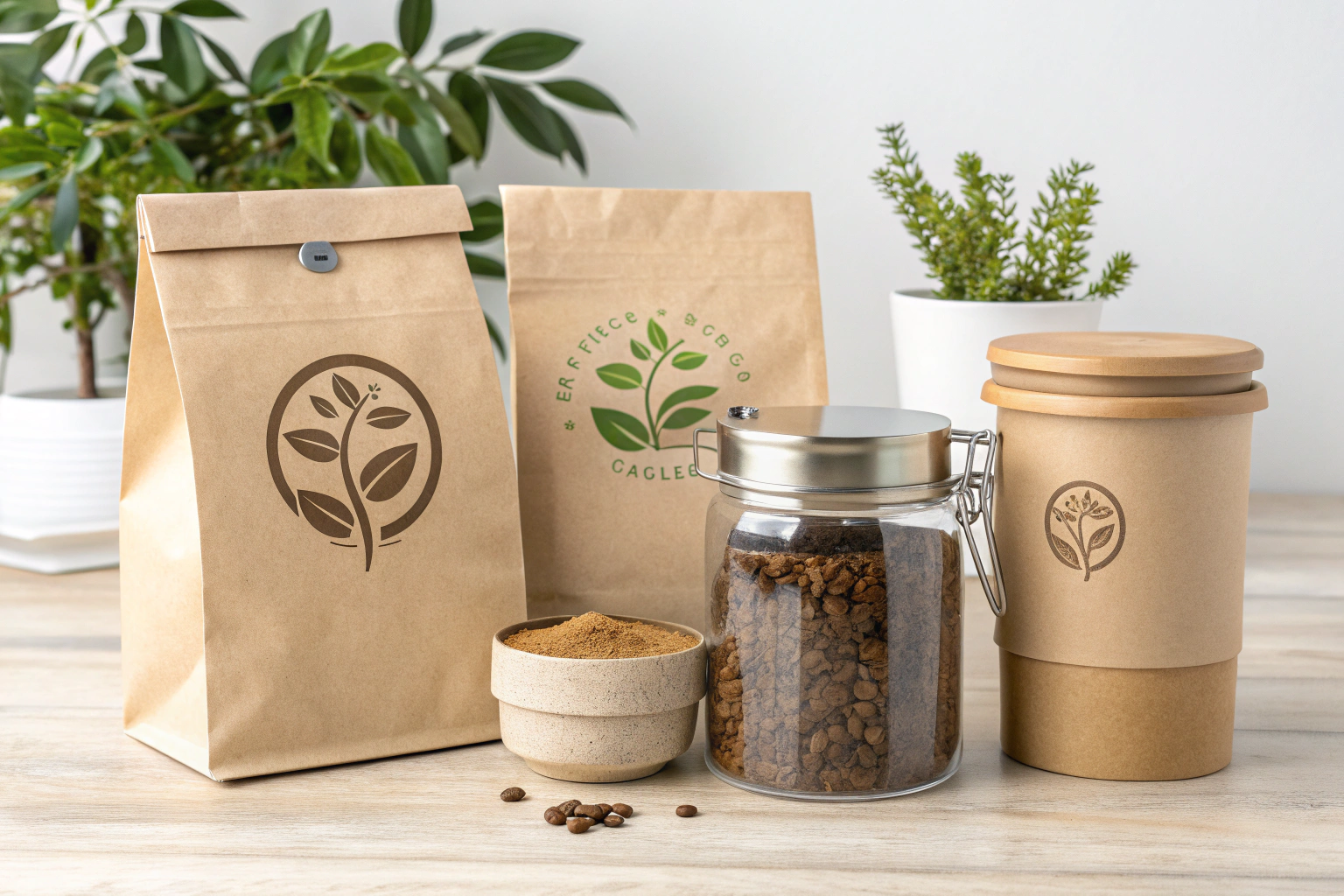
Your customers love your coffee, but increasingly, they're looking at the bag it comes in with a critical eye. A shiny, multi-layered bag with a plastic valve might preserve freshness perfectly, but it ends up in a landfill for centuries. How do you protect your premium product while aligning with the values of a conscious consumer? The packaging itself is now a key part of your brand statement.
Current eco-friendly packaging trends for coffee brands focus on three core principles: material circularity (compostable, biodegradable, or recyclable substrates), minimalism and light-weighting to reduce waste, and smart, functional design that enhances sustainability. The goal is no longer just to be "less bad," but to create a package that has a positive end-of-life story, from bean to bin to soil.
Let's be honest. For years, the coffee industry relied on plastic-laminated bags because they worked. They were great barriers. But the conversation has shifted. Now, the most innovative brands see packaging as an extension of their ethics. For a B2B seller like us at BeanofCoffee, understanding these trends isn't just about our own branding; it's about providing solutions and insights to our brand buyers and distributors who are facing these market demands. The right bag can be a powerful sales tool.
Why are Compostable Materials Gaining Dominance?
The dream of a package that can go into a home compost bin and turn into soil within months is powerful. It represents a true circular solution, and it's the trend receiving the most investment and consumer excitement. It directly answers the guilt associated with non-recyclable soft plastics.
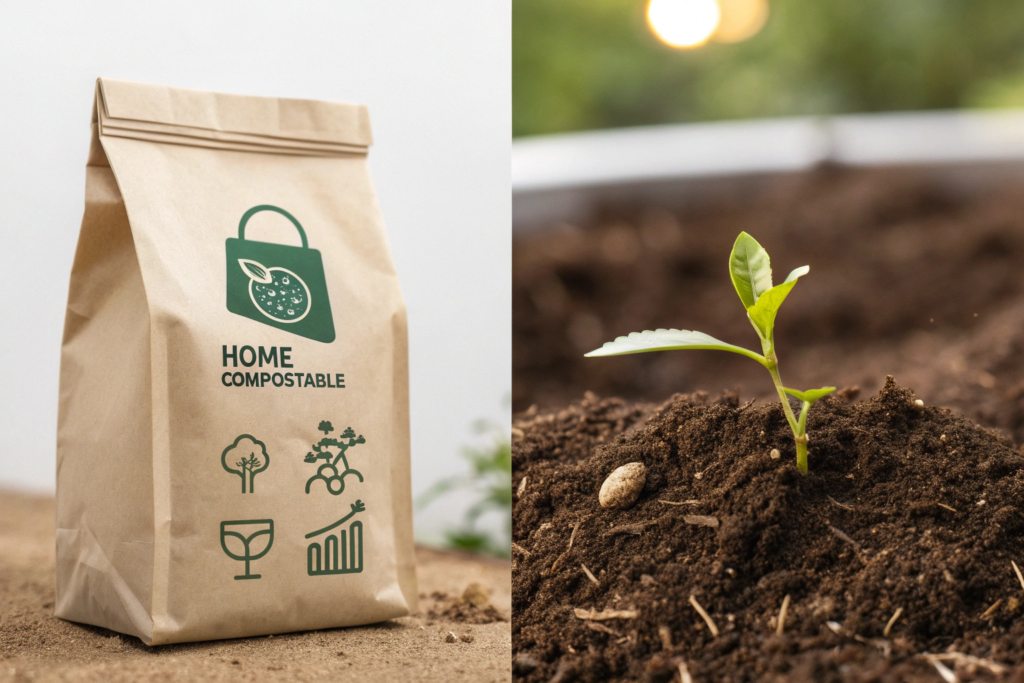
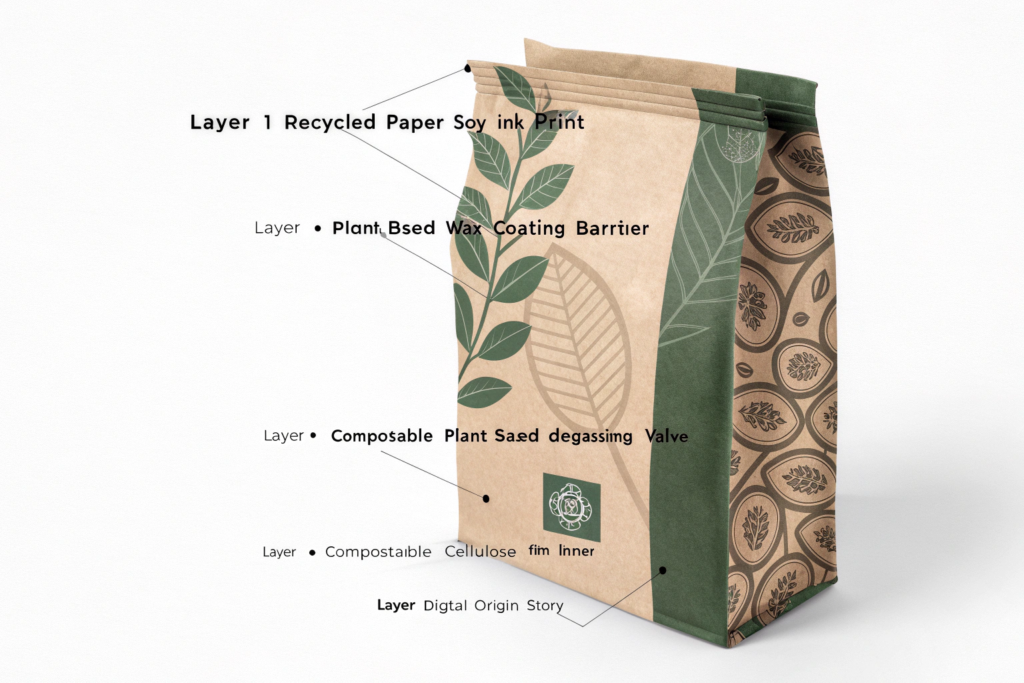
Leading the charge are bags made from plant-based polymers like PLA (Polylactic Acid), often derived from corn starch or sugarcane, combined with compostable cellulose or paper layers. These materials are engineered to break down in industrial composting facilities within 90-180 days. The next frontier is home-compostable certification (e.g., TUV Austria OK compost HOME), which guarantees disintegration in garden compost conditions. The challenge has always been the one-way degassing valve and the inner lining. Now, innovations like terragenic or bio-based laminate layers and plant-based degassing valves are making fully compostable solutions viable. For a brand, this is a clear, marketable claim: "Package and coffee grounds can go together in your compost."
What are the Real-World Limitations of Compostable Packaging?
It's crucial to have eyes wide open. "Compostable" does not mean it can be tossed anywhere. It requires specific conditions—heat, moisture, and microbial activity—found in composting facilities, not in landfills or the ocean. If your customer's city lacks industrial composting, the benefit is lost. Furthermore, compostable materials often have a shorter shelf-life barrier compared to high-tech plastics. They may be perfect for fast-moving retail coffee but pose a risk for long-term storage or export to humid climates. A supplier must be transparent about these trade-offs. For our wholesale clients, we discuss these factors to find the right balance for their supply chain.
How are Brands Communicating Compostability to Consumers?
Clear, instructional labeling is part of the trend. Winning packages don't just have a small logo; they educate. They use icons and simple text: "I am home compostable. Here's how!" They might include a QR code linking to a video on composting. This turns the package from waste into a participation tool, deepening consumer engagement. It also mitigates the risk of "wish-cycling"—where well-intentioned consumers contaminate recycling streams with compostables. Resources like the How2Compost label are becoming a standard.
How is Minimalist and Lightweight Design Reducing Footprint?
Before you even choose a material, the most sustainable choice is to use less of it. This trend, called "light-weighting," is driven by both ethics and pure economics—less material means lower costs and lower shipping emissions.
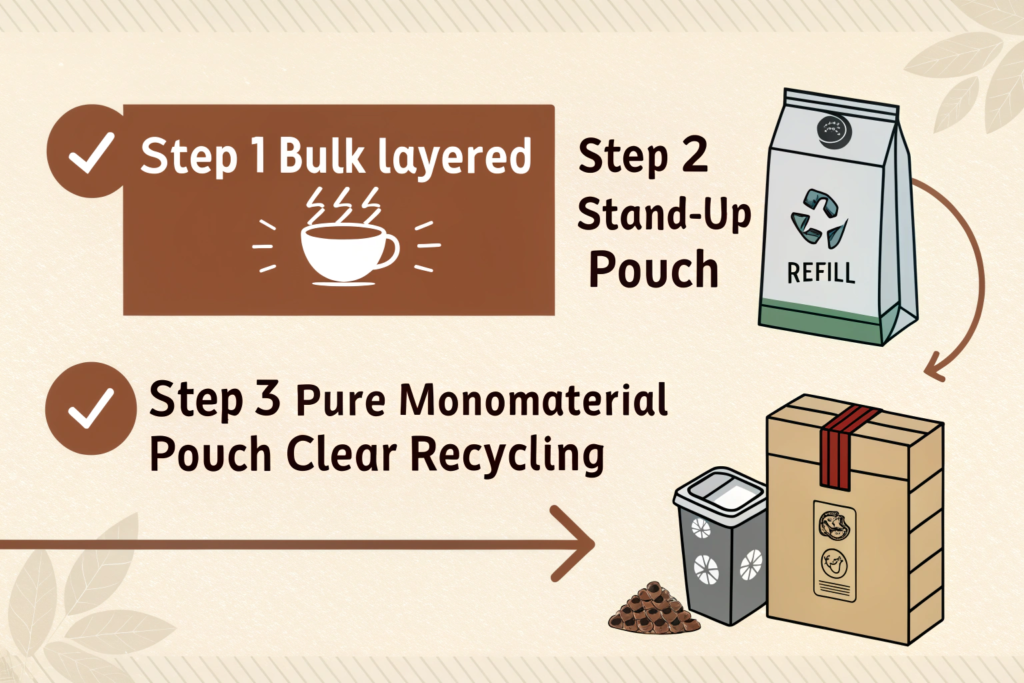
This manifests in several ways. Reducing layer complexity: moving from 5-layer metallized plastic to a 3-layer recyclable structure. Eliminating unnecessary components: ditching the outer cardboard box for a sturdy, well-designed stand-up pouch that can ship alone. Right-sizing: using packaging that fits the coffee volume snugly, reducing dead air space and material use. The aesthetic is clean and intentional—think matte finishes, simple typography, and earthy colors that don't require heavy inks or coatings. This "less is more" philosophy appeals to consumers tired of over-packaging. For bulk buyers, we at Shanghai Fumao are increasingly asked about options for large-format, minimalist sacks (like recyclable jute or woven PP bags with simple paper labels) for their in-house roasting or refill stations.
What is the Role of Recyclable Monomaterials?
While recyclable, traditional coffee bags are a nightmare for recycling plants because they combine different materials (plastic, metal, paper) fused together. The new trend is toward monomaterial packaging—bags made entirely from one type of plastic, like polypropylene (PP) or polyethylene (PE). While still plastic, a pure PE structure can be easily identified and processed by municipal recycling streams, unlike complex laminates. It's a pragmatic step toward circularity that works within existing infrastructure. Brands using this clearly mark it with the standard recycling symbol and resin code (e.g., ♷PE) to guide proper disposal.
Can "Reusable" Systems Work for Coffee?
Absolutely, especially for subscription models or local roasteries. The trend isn't just about the single-use package, but about the system. This includes:
- Refillable Canisters: Selling coffee in durable, beautiful tins or glass jars that customers bring back for a discount refill.
- Bulk Dispensaries: Partnering with grocery stores that have gravity-fed bins, allowing customers to fill their own containers.
- Returnable Postal Systems: Like the milkman model, where a durable container is shipped, returned, sanitized, and reused.
These systems require consumer habit change and logistical investment but offer the lowest per-use environmental impact and create incredible brand loyalty. They represent the high-end of sustainable commitment.
What Smart Features are Merging Function with Sustainability?
Sustainability cannot come at the cost of product integrity. The worst outcome is an eco-package that lets your coffee go stale. The latest trends ingeniously merge green materials with smart functionality to protect freshness and enhance user experience.
Plant-based barrier coatings are a breakthrough. Instead of a plastic aluminum layer, coatings derived from shellac, beeswax, or algae are applied to paper to create moisture and oxygen barriers. Natural desiccants like bentonite clay packets can be included to absorb moisture. For valves, as mentioned, plant-based alternatives exist. Another smart trend is package-integrated quality indicators, like simple color-changing dots that react to oxygen, showing freshness without needing a "best by" date guess. This tech, often using natural chemical reactions, reduces food waste—a huge sustainability win.
How is Digital Integration Enhancing Sustainable Packaging?
The package itself is becoming a portal to digital content, reducing the need for printed manuals or marketing inserts. A QR code printed with soy-based ink can link to:
- The coffee's origin story (e.g., a video tour of our Yunnan farm).
- Detailed brewing guides.
- The specific composting/recycling instructions for that package.
- A subscription refill portal.
This "digital layer" makes the physical package simpler and more recyclable while delivering richer, updatable information. It's a powerful tool for transparency, a core value of eco-brands.
What are the Logistics Considerations for Wholesale Export?
This is the reality check. For a company exporting containers from China to the USA or Europe, packaging must survive a 6-week sea voyage in a humid, salty, variable-temperature environment. A purely home-compostable bag might not make it. The trend here is toward hybrid solutions: using the most sustainable material that can still guarantee shelf life for 12+ months. This might be a recyclable monomaterial with a high-performance barrier for export, paired with clear end-of-life instructions for the consumer. For our clients at Shanghai Fumao, we provide data on oxygen transmission rates (OTR) and water vapor transmission rates (WVTR) for different packaging options, allowing them to make an informed choice between ultimate sustainability and extended freshness for their specific logistics chain.
Conclusion
Eco-friendly packaging is no longer a niche trend but a central business strategy for forward-thinking brands. The leaders are moving beyond simple recyclability to embrace compostable cycles, minimalist design, and intelligent features that protect the product and the planet. The optimal solution balances material innovation, consumer education, and practical logistics.
For coffee brands and buyers, your packaging is a tangible expression of your values. It's a conversation starter and a loyalty builder. As your supplier, we are committed to supporting this journey. We can offer insights on packaging that protects the quality of our beans throughout the export journey while aligning with your sustainability goals. To discuss packaging options for your private label or bulk orders, contact our export manager, Cathy Cai, at cathy@beanofcoffee.com. Let's package quality, responsibly.