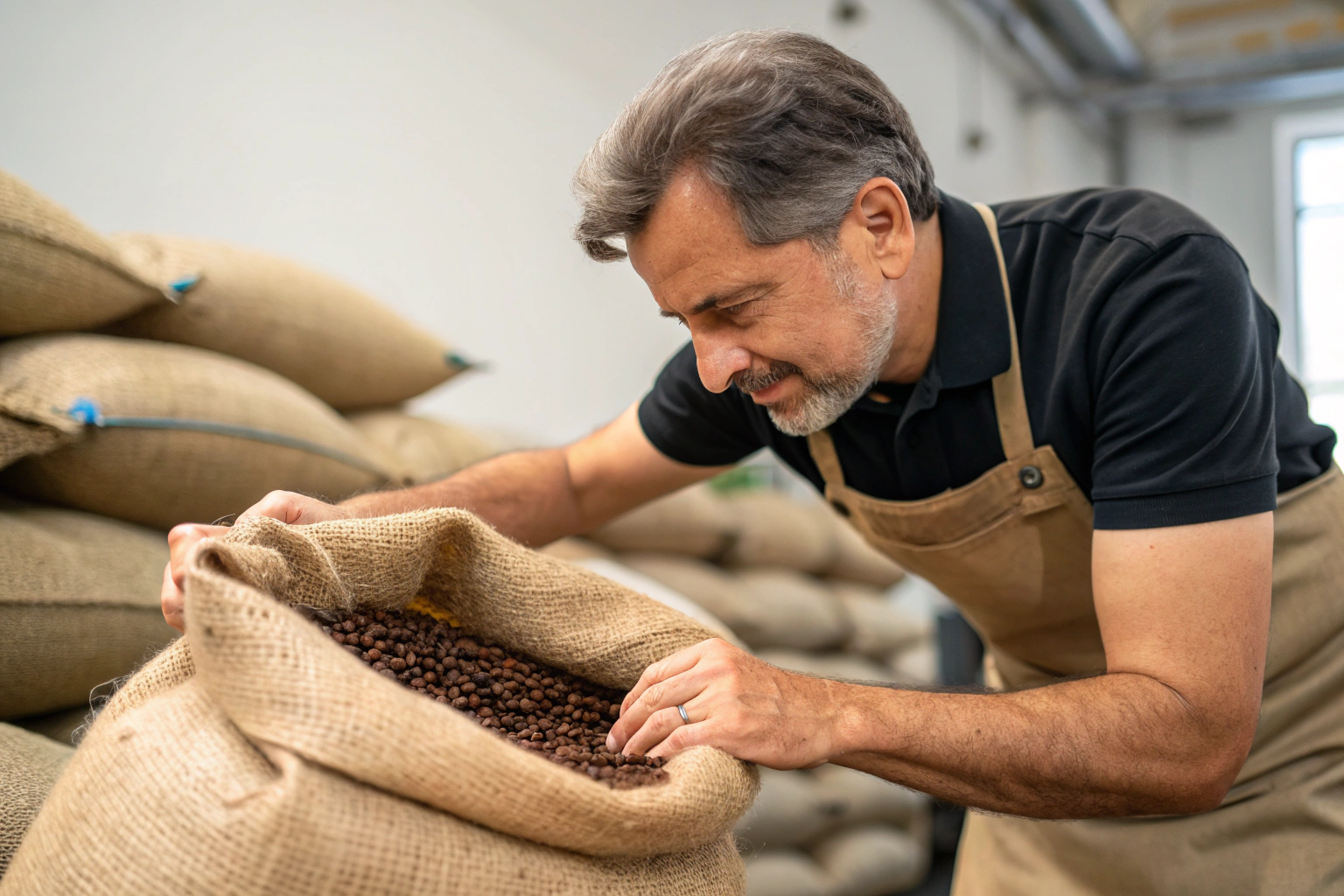
Are you a buyer, maybe a roaster or a distributor, constantly on the hunt for the next big thing in coffee? You've probably heard whispers about Robusta—some good, some not so good. It's easy to get stuck wondering if it's a risky bet or a hidden gem for your business. The conflicting information can be frustrating, especially when you're dealing with tight margins and customers who expect the best. You need clarity, not more confusion.
Honestly, the biggest pro of Robusta coffee beans is their incredible value and resilience, offering a bold flavor and high caffeine content at a very competitive price point. The main con is their traditionally harsher, more bitter flavor profile compared to Arabica, which doesn't suit every palate. This trade-off between cost-effectiveness and taste is the central dilemma for buyers like you. But here's the thing—modern Robusta, especially from dedicated plantations like ours in Yunnan, is changing the game.
I get it. As someone who has walked thousands of acres of coffee plantations, I've seen the beans from blossom to burlap sack. The debate between Arabica and Robusta isn't just academic; it's about the real-world bottom line for businesses like yours and mine. You're looking for quality, consistency, and a price that makes sense. So, let's break down the real pros and cons of Robusta, not just the rumors. We'll go beyond the surface-level talk and get into the details that actually matter for your next import from China.
Why is Robusta coffee so cheap?
Ever looked at your sourcing options and wondered why there's such a price gap? You see Arabica prices climbing, and then there's Robusta, looking like a bargain. It's natural to be a bit skeptical. Is it cheap because it's "bad"? Or is there more to the story? This question about price is probably one of the first things any smart buyer, like you, Ron, would ask. You're right to be concerned about it because, in our business, price often signals quality, but that's not the whole picture here.
The primary reason Robusta coffee is cheaper is because the Coffea canephora plant is significantly hardier, easier to grow, and produces a higher yield per acre than the more delicate Arabica plant. It can thrive in hotter climates and at lower altitudes, and it's naturally resistant to most major coffee diseases. This resilience drastically reduces farming risks and cultivation costs—savings that we, as growers, can pass directly on to you. It's not about being "worse"; it's about being more efficient by nature.
So, what does this mean for you? It means that Robusta offers a strategic advantage. You can secure a stable supply of coffee beans without being as exposed to the price volatility that often plagues the Arabica market. Think of it as a reliable workhorse for your inventory. Let's dive deeper into the specific factors that contribute to this attractive price point and what it means for your bottom line.
How does climate affect Robusta's cost?
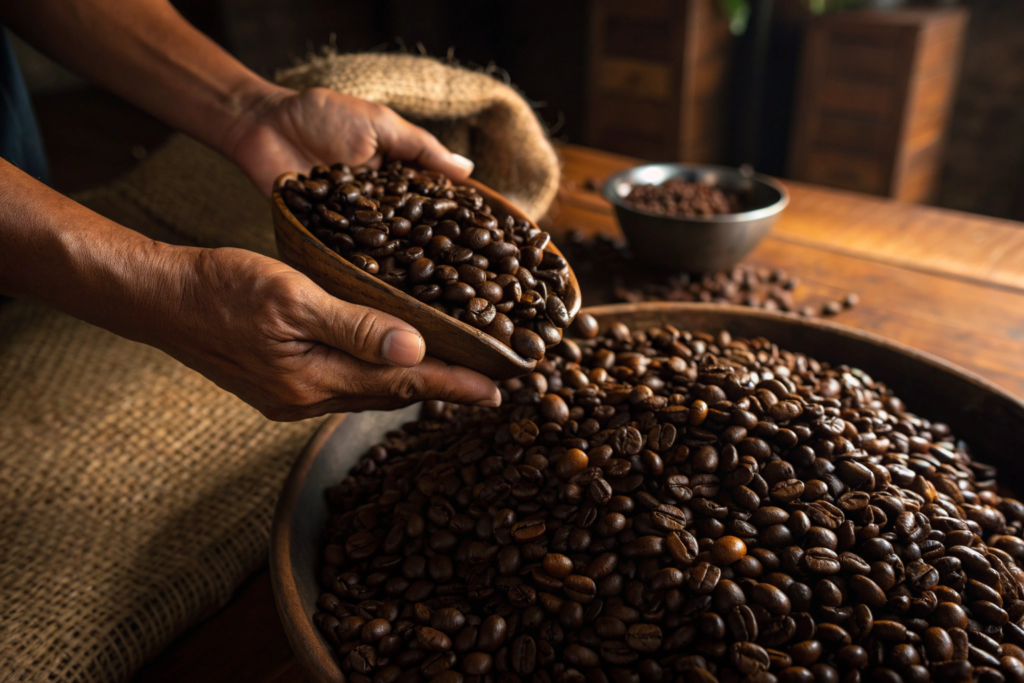
The Robusta plant, or Coffea canephora, is a tough character. It loves the heat and humidity you find in places like Vietnam, Brazil, and right here in our plantations in Yunnan, China. It can grow happily in warmer climates and at lower altitudes where the delicate Arabica plant would struggle. This wider growing range means more land is suitable for its cultivation, which increases the potential global supply and naturally keeps prices more competitive. For a buyer, this means a more stable and predictable sourcing option, less prone to the weather-related shocks that can suddenly drive up the cost of high-altitude coffees. It's a matter of agricultural economics.
Is Robusta easier to farm than Arabica?
Absolutely. And this is a huge factor in its cost. The Robusta plant is naturally resistant to pests and diseases, most notably coffee leaf rust, which can devastate entire Arabica crops. This natural defense means our farmers use fewer pesticides and spend less time and money managing crop health. Furthermore, Robusta trees produce more coffee cherries per plant, leading to a higher yield per acre. When you combine higher output with lower input costs, the result is a significantly more efficient farming process. This efficiency is a direct cost saving that we at Shanghai Fumao pass on to our clients, ensuring you get a great price without compromising on reliability.
Is Robusta stronger than Arabica?
When people say Robusta is "stronger," they're usually talking about two things: its bold, intense flavor and its high caffeine content. You've probably had customers who want a coffee that really kicks, something that cuts through milk and sugar in a latte or gives them a serious morning jolt. This is where Robusta truly shines and creates opportunities for your brand. The perception of strength can be a massive selling point, but it's also a point of confusion. Is it too strong? Or is it the right kind of strong?
Yes, Robusta is significantly stronger than Arabica, typically containing 2.5% or more caffeine, nearly double the amount found in Arabica beans. This high caffeine level not only provides a more powerful energy boost but also contributes to its characteristic bold, rubbery, and often more bitter taste. The strength isn't just a myth; it's a measurable chemical reality of the bean itself. This makes it a powerhouse ingredient for specific coffee applications.
For a buyer like you, understanding this "strength" is key to leveraging Robusta effectively. It's not about replacing Arabica entirely but about knowing when and how to use Robusta to create products that meet specific consumer demands. Whether it's for a high-caffeine blend, a rich espresso with thick crema, or the instant coffee market, Robusta's power is its biggest asset. Let's break down what this strength means in terms of caffeine and flavor.
How much more caffeine is in Robusta?
The difference is significant. While a typical Arabica bean has about 1.5% caffeine by weight, a Robusta bean packs a punch with 2.5% or even more. That's nearly double the caffeine. This isn't just a minor detail; it's a core feature of the bean. The high caffeine content also acts as a natural insect repellent for the plant, which is another reason it's so hardy. For your product line, this means you can market a "high-caffeine" or "extra-strong" coffee that delivers a real, noticeable kick. This is a growing market segment, especially in the U.S., where consumers are actively looking for a more potent caffeine boost to start their day.
What does Robusta actually taste like?
Let's be direct. Traditional Robusta has a reputation for tasting rubbery or bitter, with a chocolatey but less nuanced flavor profile than Arabica. It lacks the bright, acidic, and fruity notes that many specialty coffee drinkers love. However, this is changing. Here at our farms in Yunnan, we're producing high-quality Robusta that challenges these stereotypes. While the inherent boldness remains, modern processing methods are bringing out smoother, richer, and more complex flavors. Think dark chocolate, nuts, and a full-bodied mouthfeel. It's perfect for espresso blends, where it produces a thick, stable crema that is highly desirable. The taste is strong, yes, but it can also be refined.
How do you make Robusta coffee taste good?
So, we've established that Robusta can be harsh. This is the pain point for many roasters and brand owners. You're intrigued by the price and the caffeine, but you're worried your customers will reject the taste. You're thinking, "How can I use this without compromising the quality my brand is known for?" It's a valid concern. The secret isn't in hiding the Robusta, but in understanding how to unlock its potential.
The key to making Robusta coffee taste good lies in smart sourcing of high-quality beans, precise roasting techniques, and strategic blending with Arabica. You can't just treat it like any other bean. High-quality, modern Robusta that has been carefully processed—like the Catimor variety we grow—has a much cleaner and less bitter profile to begin with. From there, a skilled roaster can develop its rich, chocolatey notes while taming its harshness. It's not about masking the flavor, but refining it.
Honestly, this is where the partnership between a grower and a buyer becomes a collaboration. We provide the quality raw material, and you, the roaster or brand owner, bring the artistry. It's about moving past the old reputation of Robusta as a cheap filler and seeing it as a powerful ingredient. Let's look at the specific techniques you can use to transform Robusta from a liability into a highlight of your coffee lineup.
What is the best roast for Robusta?
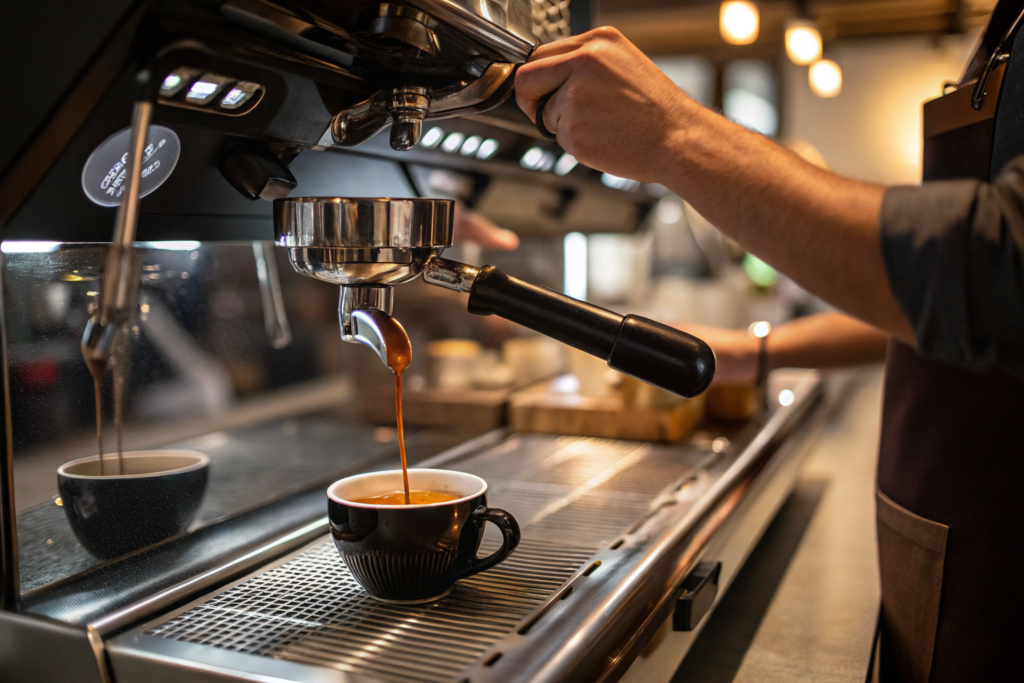
Roasting Robusta requires a different approach than roasting Arabica. Because of its lower sugar and higher caffeine content, it can become unpleasantly bitter if roasted too dark or too quickly. A medium to medium-dark roast is often the sweet spot. This level of roasting develops the bean's inherent dark chocolate and nutty flavors without amplifying the bitterness. Some roasters also experiment with a slower roasting process to mellow out the flavors. Another popular technique is to roast the Robusta and Arabica beans separately before blending, allowing you to perfect the roast profile for each one. This gives you maximum control over the final flavor of your coffee blend.
How to blend Robusta and Arabica?
Blending is where the magic happens. A small amount of high-quality Robusta can dramatically improve an espresso blend. A common ratio is 80% Arabica to 20% Robusta (or even 90/10). The Arabica provides the complex aromas and bright acidity, while the Robusta adds body, a powerful caffeine kick, and, most importantly, a thick, long-lasting crema. This is the secret behind many classic Italian espressos. When blending, think of Robusta as a powerful spice. You don't need a lot to make a big impact. By working with a reliable supplier like Shanghai Fumao, you can get consistent beans that make your blending process predictable and repeatable, ensuring your customers get the same great taste every time.
Is Robusta good for espresso?
You're a buyer for the American market, Ron. You know that espresso-based drinks—lattes, cappuccinos, Americanos—are not just a trend; they are a cornerstone of the coffee industry. So the question is, can Robusta, this bean we've been discussing, hold its own in an espresso machine? You're worried that its bold, sometimes harsh flavor might not work. You need to be sure that any bean you import will perform where it counts most: in the customer's cup.
Yes, Robusta is exceptionally good for espresso, particularly in blends. It is the key to producing a thick, stable, and visually appealing crema—the hallmark of a well-pulled shot. While a 100% Robusta espresso might be too intense for most American palates, adding it to an Arabica blend adds body, depth, and that powerful caffeine kick many consumers crave. It fundamentally improves the structure and mouthfeel of the espresso.
Think about the classic Italian espresso bar. That rich, syrupy shot with a crema that lasts for minutes? That's almost always achieved with a blend that includes a healthy percentage of quality Robusta. It cuts through milk beautifully in drinks like cappuccinos and provides a robust foundation. For your business, this means you can create a signature espresso blend that is both cost-effective and superior in texture and strength. It’s a competitive edge. Let's dive into why it's so effective.
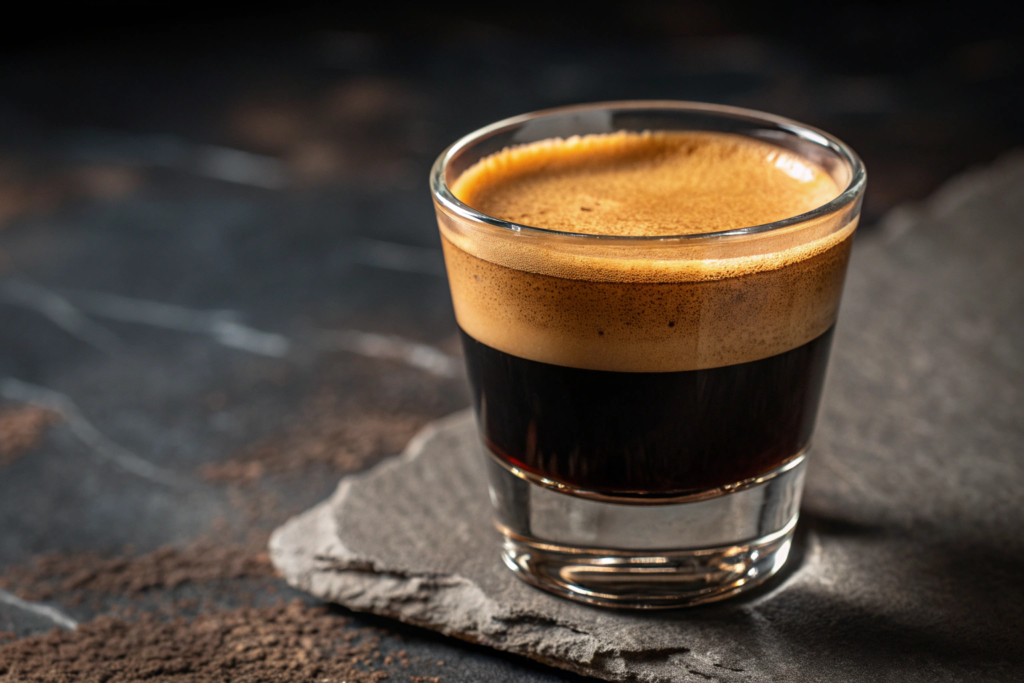
Why does Robusta create better crema?
Crema is formed when hot, pressurized water emulsifies the oils in the coffee beans and suspends them in tiny bubbles of carbon dioxide. Robusta beans have a lower oil content but a higher concentration of these compounds and produce more CO2 during roasting than Arabica beans. This unique chemical makeup is the perfect recipe for a thick, rich, and incredibly stable crema. While Arabica can produce a delicate crema, it often dissipates quickly. The crema from a Robusta blend is dense and long-lasting, which is not only visually appealing but also contributes to a fuller mouthfeel and helps to lock in the aroma of the espresso shot.
What is the ideal Robusta percentage for an espresso blend?
There's no single magic number, but a widely accepted range for a classic, balanced espresso blend is between 10% and 25% Robusta. At 10-15%, you'll get a noticeable boost in crema and body without a significant impact on the flavor profile, letting the Arabica notes shine. Pushing towards 20-25% creates a much bolder, more intense, "old-school" Italian-style espresso with a massive crema and a powerful caffeine kick. The choice depends entirely on the target audience and flavor profile you want to create. We at Shanghai Fumao can provide different grades of Robusta, allowing you to experiment and find the perfect percentage for your signature blend.
Conclusion
So, what's the final word on Robusta? It's a bean of contrasts. On one hand, its hardy nature makes it affordable, reliable, and packed with caffeine. On the other, its flavor can be challenging if not handled correctly. But as we've seen, the cons of Robusta are not deal-breakers; they are simply characteristics to be managed. The old reputation of Robusta as a cheap, inferior filler is outdated. With high-quality farming like we practice in Yunnan and skillful roasting and blending, Robusta transforms into a strategic asset. It's the key to creating cost-effective, high-caffeine products and beautifully rich espresso blends with unbeatable crema. For a savvy buyer, Robusta isn't a compromise; it's an opportunity.
If you're ready to explore how high-quality Robusta from our Yunnan plantations can fit into your product line, let's talk. We can discuss your specific needs for quality, logistics, and pricing. Contact our specialist, Cathy Cai, at cathy@beanofcoffee.com to start the conversation and get a sample on its way to you.