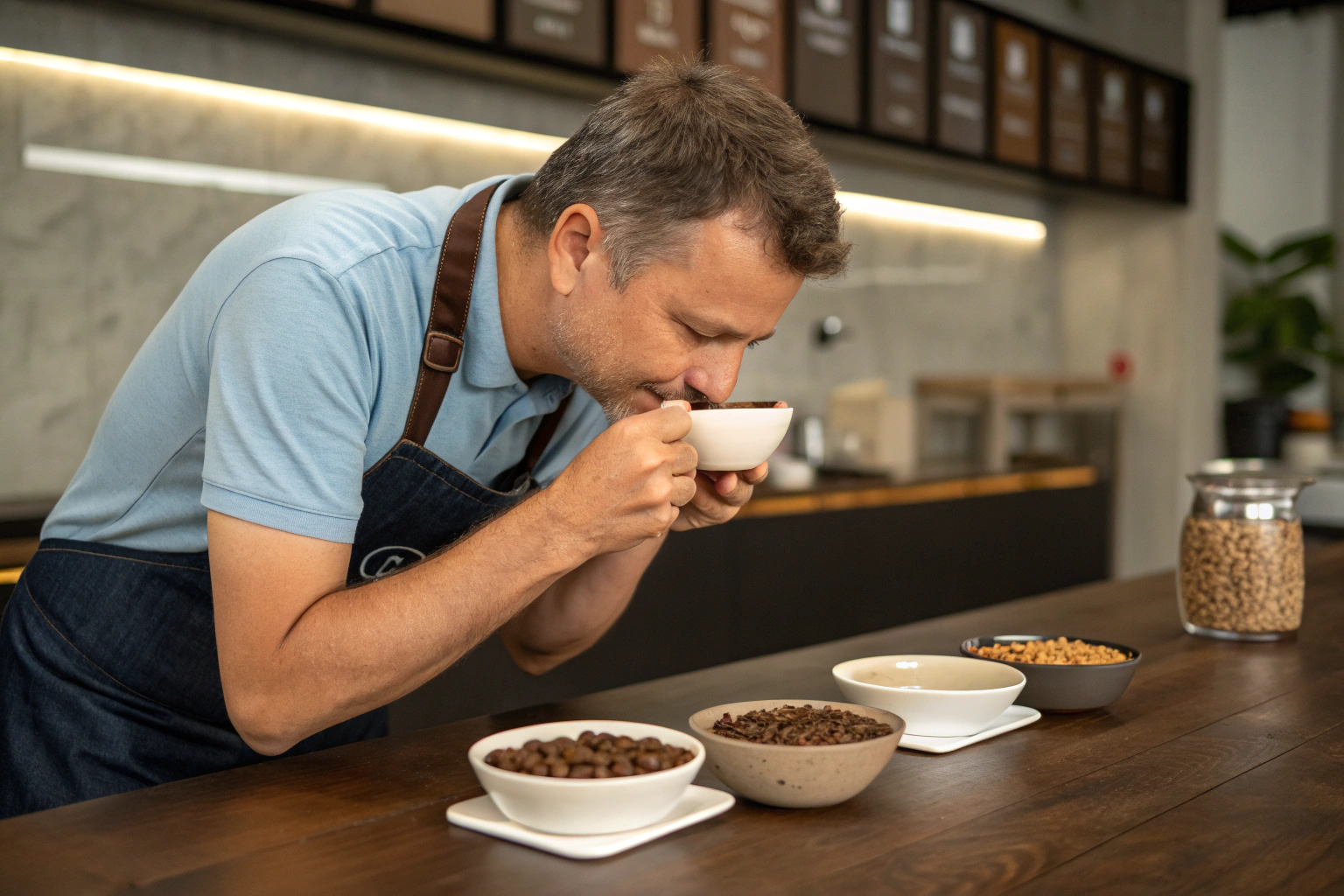
You're likely very familiar with the classic flavor profiles of Latin American and African coffees. You know what to expect: the chocolatey, nutty notes from Brazil; the bright, floral, citrusy notes from Ethiopia. But when you think of "Asian coffee," what comes to mind? For many, the picture is fuzzy, often dominated by old stereotypes of earthy, funky, or low-quality Robusta. This uncertainty is a pain point. You might be hesitant to source from Asia because you don't have a clear sensory map, potentially missing out on some of the most unique and exciting coffees in the world today.
Honestly, while Asia is a vast continent with incredible diversity, its coffees are most famously characterized by deep, earthy, and full-bodied profiles, often with notes of dark chocolate, spice, tobacco, and wood. However, this is just the traditional stereotype. The modern reality of Asian coffee, especially from emerging specialty regions like Yunnan, China, is a vibrant spectrum that now includes bright, clean, and complex coffees with sweet, fruity, and floral notes that can rival the best from anywhere in the world.
I live and breathe this transformation. From our own farms at Shanghai Fumao in the mountains of Yunnan, I've witnessed the shift from traditional to modern profiles firsthand. Asia is not a monolith. It's a continent of coffee contrasts, offering a treasure trove of flavors for the adventurous buyer. Let's explore this sensory landscape together.
What Defines the "Classic" Earthy Indonesian Profile?
When most experienced coffee professionals think of the classic "Asian" profile, their minds immediately go to the islands of Indonesia, particularly Sumatra. This region's unique processing method is the key to its world-famous flavor.
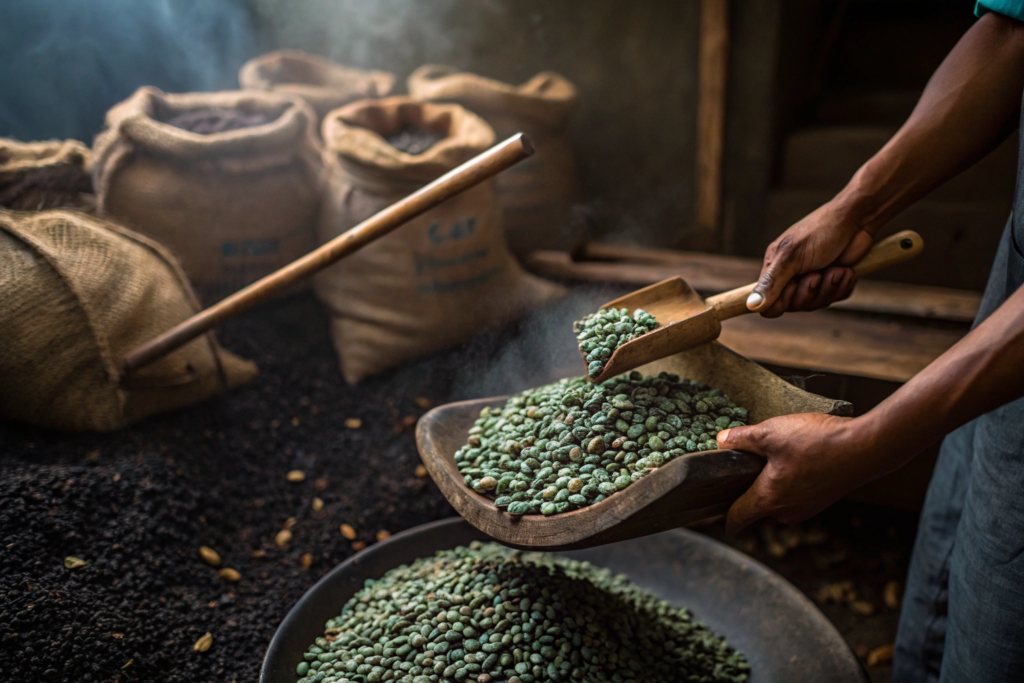
Isn't that earthy, almost funky flavor a result of how they process the coffee? Yes, precisely. The classic Indonesian profile—characterized by a heavy, syrupy body, low acidity, and deep flavors of earth, cedar, leather, and spice—is a direct result of a unique post-harvest process called "Giling Basah," or wet-hulling. This process imparts a signature flavor that is unmistakable.
Unlike in other parts of the world where coffee is dried slowly to a stable moisture level, Giling Basah involves hulling the coffee bean (removing its parchment layer) while it is still at a very high moisture content (around 30-50%). The beans are then laid out to dry "naked." This process, born out of the region's humid climate, accelerates drying but also fundamentally alters the bean's cell structure, reducing acidity and creating those deep, resonant, and sometimes polarizing flavors.
What does "earthy" actually taste like?
In coffee, "earthy" isn't a negative term meaning "dirty." It refers to a complex set of aromas and flavors reminiscent of a damp forest floor, fresh soil, mushrooms, or peat. When balanced, it can be a rich and deeply satisfying quality. In a Sumatran coffee, this earthiness is often complemented by notes of dark chocolate, tobacco, and a hint of smokiness.
Why is the acidity so low?
The Giling Basah process and the typical lower altitudes of many Indonesian farms contribute to a very low perceived acidity. This makes these coffees incredibly smooth and full-bodied. They are a perfect choice for people who are sensitive to the high acidity found in many African coffees and are looking for a rich, comforting, and heavy cup. They also form a fantastic, heavy base for espresso blends.
How Is Vietnam Shaping the "Bold" Profile?
You cannot talk about Asian coffee without talking about the powerhouse that is Vietnam. As the world's second-largest coffee producer and the number one producer of Robusta, Vietnam has defined the "bold" and "intense" character of Asian coffee for millions of consumers.
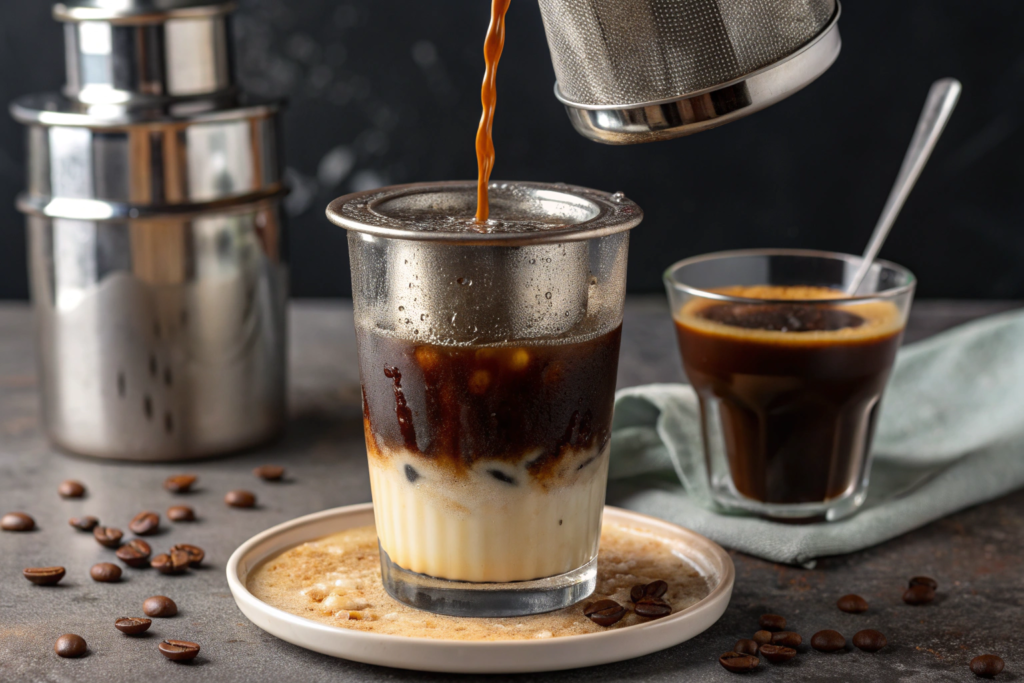
Isn't Vietnamese coffee mostly the strong, bitter Robusta used in instant coffee? That's the stereotype, but it's an incomplete picture. While Vietnam is the king of Robusta, its coffee culture is built around a very strong, dark-roasted, and intensely flavored brew, often balanced with sweetened condensed milk. This has created a global association of Vietnamese coffee with a powerful, chocolatey, and nutty profile and a significant caffeine kick.
The traditional Vietnamese brewing method, using a small metal filter called a phin, is a slow-drip process that creates a very concentrated, almost syrupy coffee. This intensity is designed to stand up to the sweetness of condensed milk and the dilution of ice, creating the famous ca phe sua da. The flavor is less about delicate nuances and all about a rich, satisfying, and powerful coffee experience.
What does high-quality Robusta taste like?
While low-grade Robusta can be rubbery and harsh, high-quality Vietnamese Robusta presents a very clean and pleasant profile with dominant notes of dark chocolate, toasted nuts, and a smooth, rounded bitterness similar to high-cacao chocolate. It has a thick mouthfeel and, as a bonus, nearly double the caffeine of Arabica.
Is there specialty Arabica from Vietnam?
Yes, and it's a growing segment. In regions like Da Lat, often called the "City of Eternal Spring," farmers are growing high-quality Arabica varieties that are changing perceptions. These coffees can be surprisingly delicate and complex, often with notes of milk chocolate, orange, and a clean, balanced profile.
What Is the "New Wave" of Clean and Complex Asian Coffee?
This is the part of the story that excites me the most, because it's the story of my home. For decades, the Asian coffee narrative was dominated by Indonesia and Vietnam. But a "new wave" of specialty coffee production is emerging, most notably from Yunnan, China, that is completely shattering the old stereotypes.
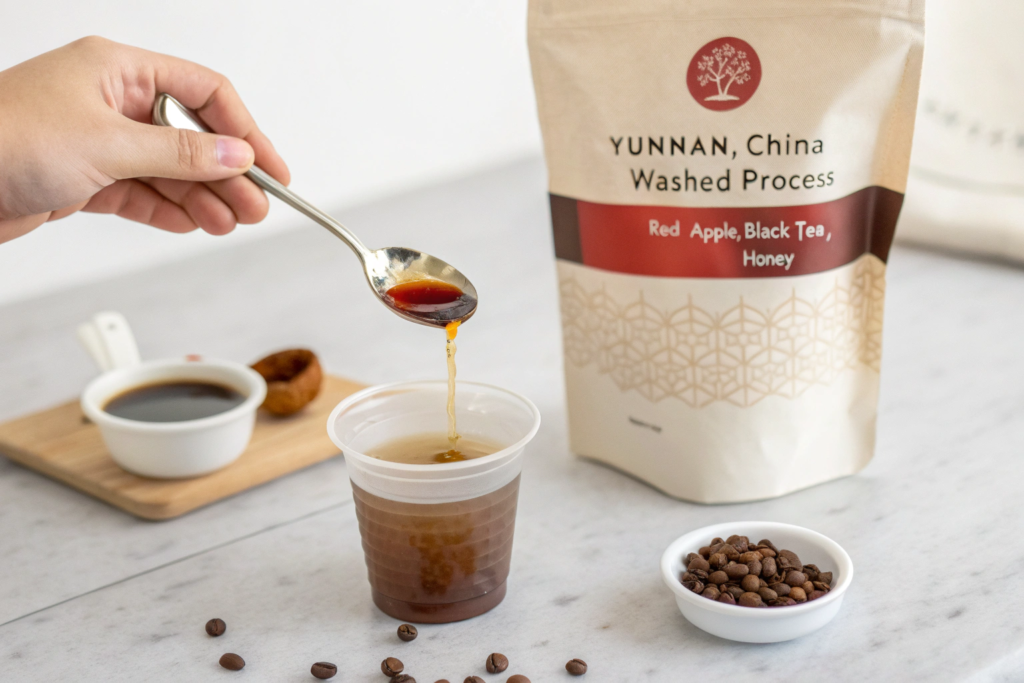
Are you saying there are Asian coffees that aren't earthy or intensely bold? Yes, absolutely. The new wave of Asian specialty coffee, particularly fully washed Arabica from high-altitude regions in Yunnan, is defined by its remarkable cleanliness, bright acidity, and complex flavor profiles. These coffees often feature sweet and delicate notes of stone fruit, red apple, black tea, and honey.
This shift is driven by a massive investment in modern processing infrastructure and agricultural science. By adopting the meticulous "washed" processing methods common in Latin America and planting new varieties at high altitudes (1,300 meters and above), producers in Yunnan are creating coffees that are juicy, sweet, and structurally elegant. When roasters cup our top lots from Shanghai Fumao for the first time, they are often shocked. They expect a classic "Asian" profile and instead find a coffee that could easily be mistaken for a high-quality Colombian or Guatemalan bean.
What makes Yunnan coffee unique?
The unique terroir of Yunnan, with its rich soil and significant day-night temperature swings, combined with modern processing, creates a unique flavor combination. You often find a pleasant, malic acidity (like in an apple) paired with a deep sweetness and a complex, tea-like finish. It's a flavor profile that is both familiar and distinctly new.
Are other Asian countries part of this new wave?
Yes. While Yunnan is a major player, other countries are also producing exciting specialty coffees. Regions in Thailand, Myanmar, and the Philippines are experimenting with new varieties and processing methods, producing small lots of exceptional coffee with unique flavor profiles, ranging from fruity and winey to intensely sweet and floral. It's a testament to the incredible potential of the entire continent.
How Should You Approach Sourcing from Asia?
Given this incredible diversity, how should a buyer like you approach sourcing from Asia? The key is to abandon the idea of a single "Asian" profile and instead think of it as a continent of opportunities.
So, you shouldn't look for one single type of Asian coffee? Exactly. The best approach is to treat Asia as a diverse portfolio of sensory characteristics. You can source from different Asian origins to fulfill different needs within your coffee lineup. Think of Asia as a one-stop-shop for building a complex and interesting coffee menu.
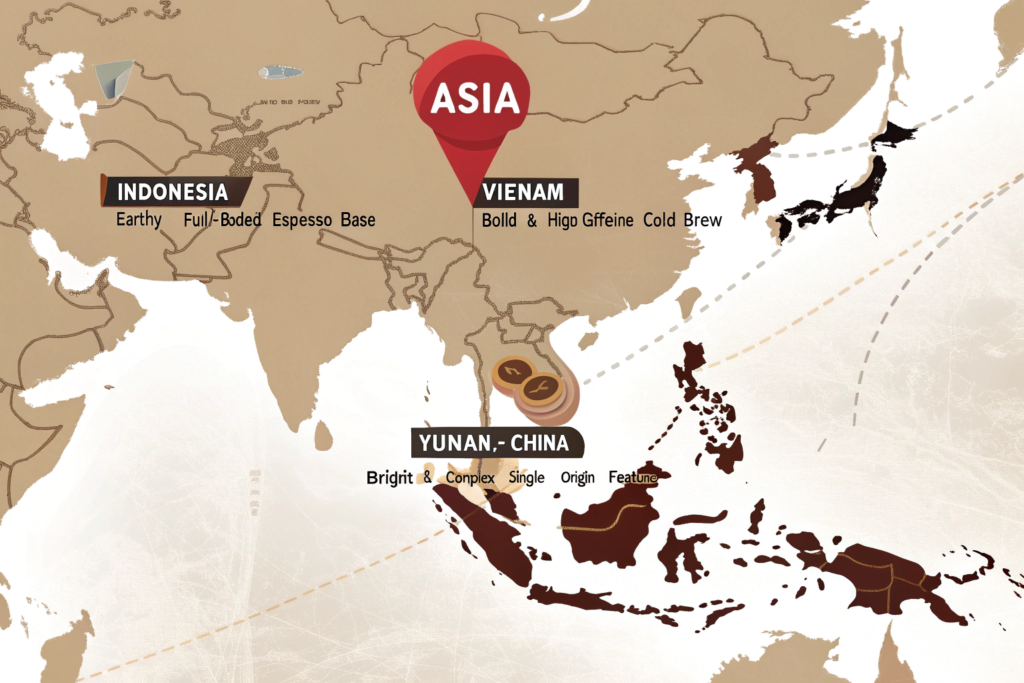
Instead of thinking "I need an Asian coffee," think "I need a heavy, earthy base for my espresso blend" and look to Sumatra. Or think "I need a cost-effective, high-caffeine, chocolatey component for my cold brew" and look to high-quality Vietnamese Robusta. Or, most excitingly, think "I need a unique, bright, and sweet single-origin to feature this season" and look to the new wave of washed Arabicas from Yunnan, China.
How do you find reliable partners in these new regions?
Finding partners in emerging markets can be challenging. Look for suppliers who are vertically integrated (meaning they own their farms or processing stations), as this provides much greater control and traceability. Work with exporters who are transparent, provide detailed information about their lots, and are willing to host you for farm visits.
Why is now a good time to explore Asian coffee?
The quality has never been higher, and the diversity has never been greater. By exploring beyond the traditional coffee origins, you can discover unique flavor profiles that will differentiate your brand and excite your customers. You also diversify your supply chain, making your business more resilient to climate or political issues in any single growing region. It's a smart move both for your palate and your business.
Conclusion
The sensory world of Asian coffee is far richer and more complex than the old stereotypes suggest. It's a tale of two continents in one: the classic, deep, and earthy profiles of Indonesia and the bold, intense character of Vietnam, now complemented by a thrilling new wave of clean, bright, and complex specialty coffees from regions like Yunnan, China. By abandoning a monolithic view and embracing this diversity, you can unlock a world of unique flavors, build a more resilient and interesting coffee program, and be part of the exciting future of coffee.
We are at the forefront of this new wave, and we are passionate about sharing the unique, high-quality coffees of Yunnan with the world. If you are ready to challenge your assumptions and discover what modern Asian coffee can be, we invite you to start a conversation with us. Contact our coffee specialist at cathy@beanofcoffee.com to request a sample and taste the future.