You've just received a new coffee—maybe a delicate Ethiopian Yirgacheffe or a bold Sumatran Mandheling. You brew it the same way you always do, but the result is off. The Yirgacheffe tastes sour and weak, while the Sumatran is muddy and bitter. Why? Because not all coffee beans want to be brewed the same way. The "right" method unlocks a bean's potential; the "wrong" one highlights its flaws.
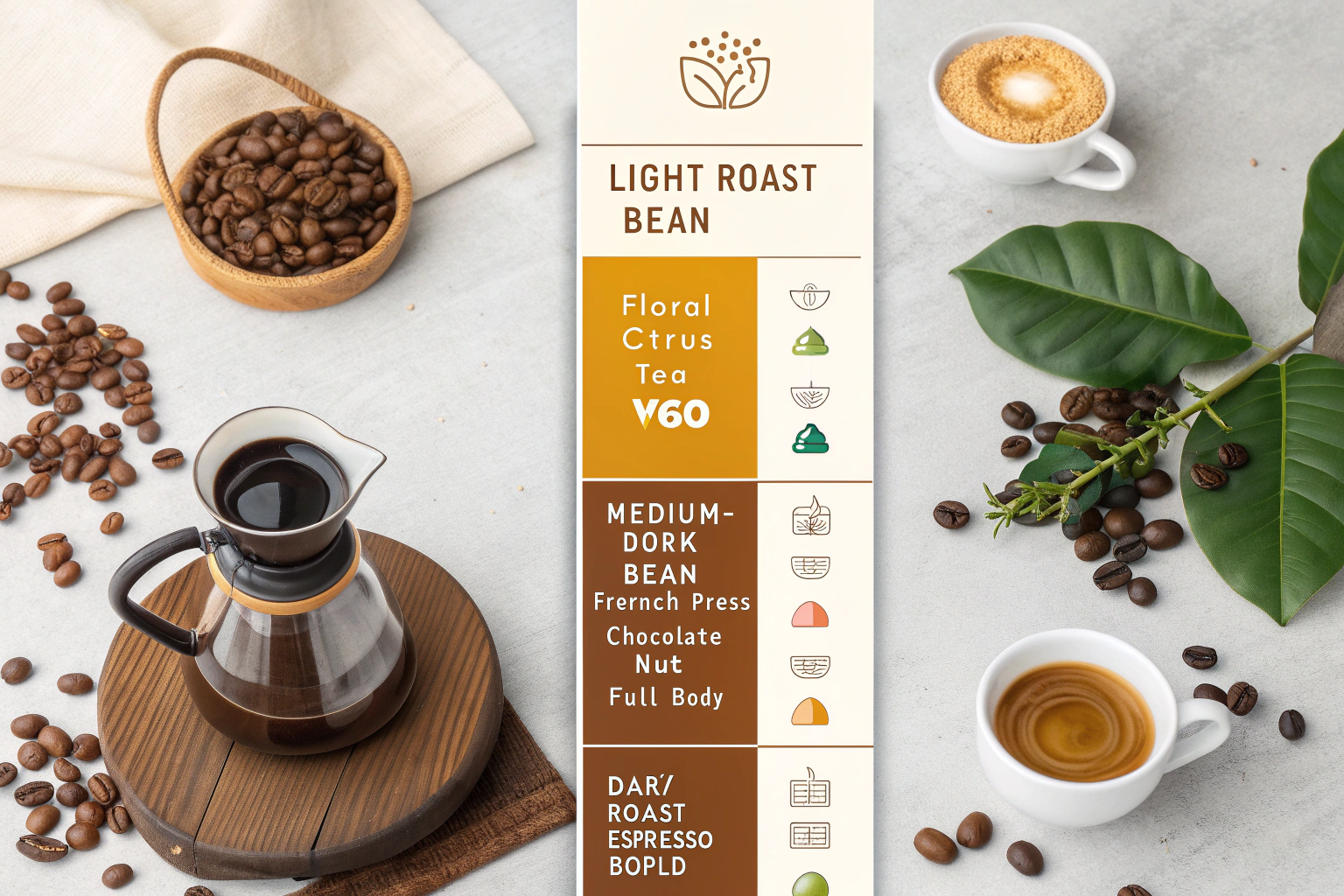
The suitable extraction method depends primarily on the coffee's roast level, density, and process, which dictate its solubility and flavor structure. Light roast, dense, washed beans thrive with high-control pour-over methods. Medium-dark roast, balanced beans excel in immersion brews like French Press. Very dark roasts and blends are often best suited for espresso, where high pressure and short contact time manage their intensity. Matching method to bean is the key to a perfect cup.
Think of it like cooking. You wouldn't boil a delicate fillet of sea bass for an hour, and you wouldn't quickly sear a tough beef shank. Different ingredients demand different techniques to become their best. For a business buyer like Ron, understanding this pairing means you can give better brewing guidance to your customers (like cafes) or optimize your own quality control tasting. Let's break down the logic behind these pairings.
Why Do Light Roast, High-Density Beans Need Precision Methods?
Light roast coffees, often from high altitudes (like our Yunnan Arabica or Ethiopian heirlooms), are dense and packed with complex acids and delicate aromatic compounds. They are less soluble—meaning they don't give up their flavors to water easily. If you rush them or use a method with poor control, you'll get a sour, under-extracted, and thin cup.
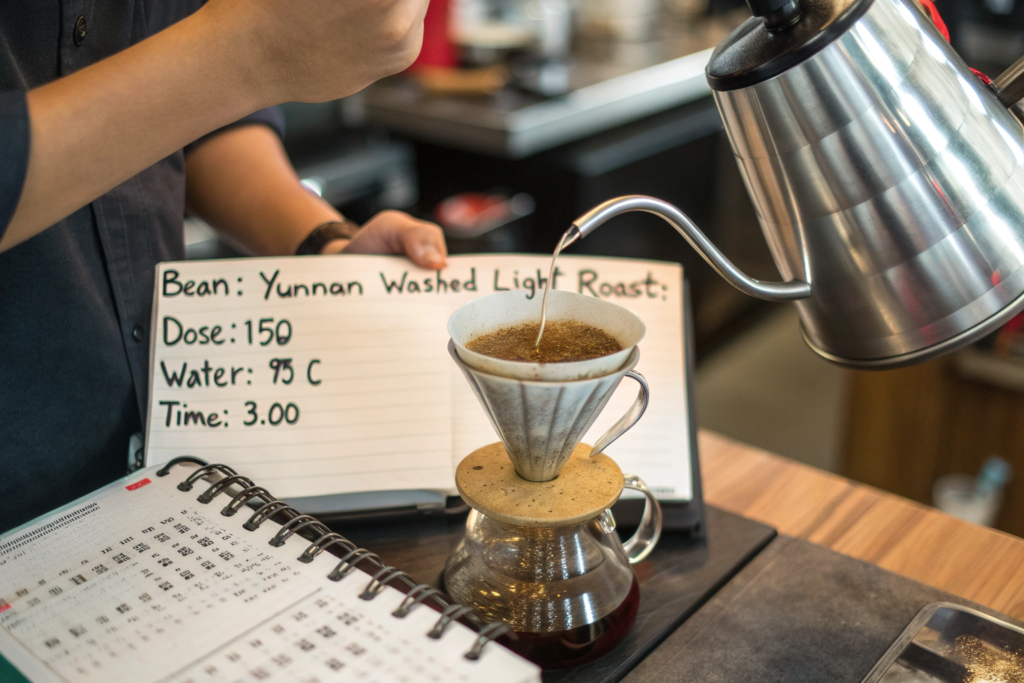
These beans demand methods that allow for precise control over water temperature, flow rate, and contact time. The goal is to provide enough energy (heat) and time to fully extract the sugars and balance the bright acidity, without over-extracting and turning it bitter. This is why pour-over methods (Hario V60, Kalita Wave) and high-quality automatic drip machines are ideal. They allow you to use hotter water (205°F / 96°C), control the pour pattern to manage contact time (typically 2:30 - 3:30 minutes), and use a medium-fine grind to increase surface area. The result is a clean, articulate cup where every nuanced note—jasmine, bergamot, peach—is clearly audible.
How Does Grind Size Interact with These Methods?
For light roasts in a pour-over, grind size is your primary lever. Too coarse, and the water flows through too fast, leading to sour under-extraction. Too fine, and it clogs, leading to over-extraction and bitterness. You need a consistent medium-fine grind (like table salt) from a good burr grinder. This creates the right resistance for a 3-minute total brew time, allowing for full, even extraction. Resources like the Coffee Brewing Control Chart from the SCA visualize this balance.
Can You Use Immersion Methods for Light Roasts?
Yes, but with adjustments. The AeroPress is fantastic for light roasts because it combines immersion (even extraction) with slight pressure and a paper filter for clarity. Use a slightly finer grind, hotter water, and a longer steep time (e.g., 2 minutes with stirring). The French Press, with its metal filter and longer steep, can work but often produces a cup that's too heavy and masks the delicate notes. If using a French Press, try a shorter steep time (3-4 minutes) and a coarser grind to compensate.
How Do Medium and Medium-Dark Roasts Shine in Immersion Brewing?
As coffee roasts darker (medium to medium-dark), its cell structure opens up. It becomes more soluble and loses some of its fragile top notes, while developing more body and sweetness from caramelization. These beans are more forgiving and versatile, but they truly sing in immersion brewing methods.
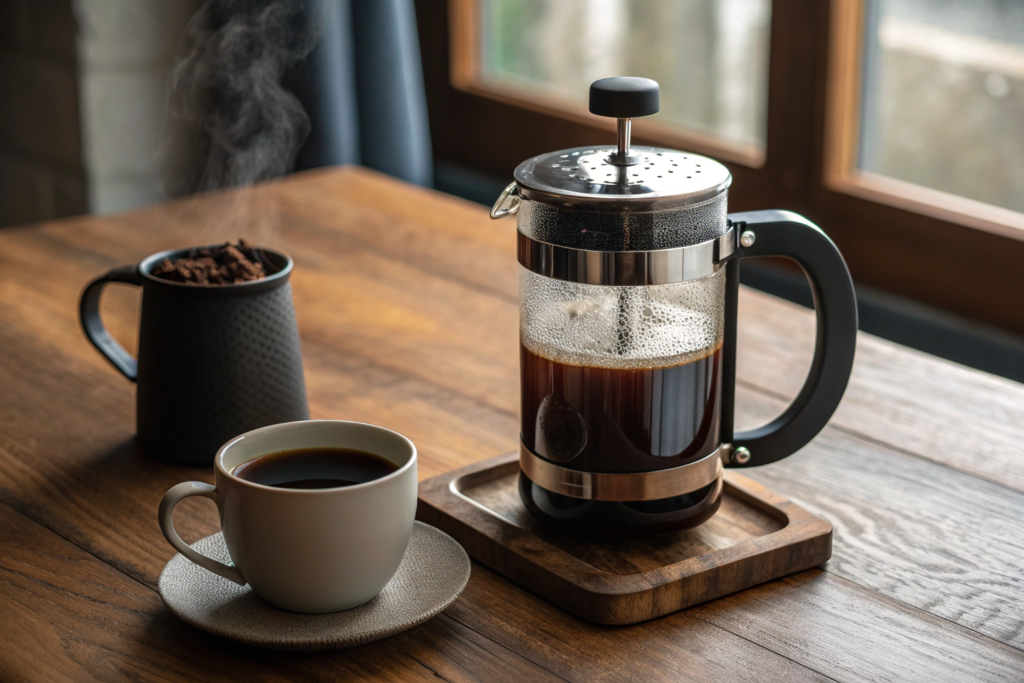
Immersion brewing—where coffee grounds steep fully saturated in water for a set time—ensures even extraction. It's excellent for highlighting the body, balance, and inherent sweetness of these roasts. The French Press is the classic example. A 4-minute steep with a coarse grind produces a full-bodied, rich cup that captures chocolate, nut, and caramel notes beautifully. The metal filter allows oils and fine particles through, contributing to that signature texture. The Clever Dripper or AeroPress (standard method) also works wonderfully, offering a cleaner cup than the French Press if you use a paper filter.
Why is the French Press a "Forgiving" Method for These Beans?
The fixed immersion time and full saturation mean that even if your grind isn't perfect, you're less likely to get a wildly unbalanced cup compared to a pour-over. The coarser grind required also minimizes the risk of over-extracting bitter compounds. It's a robust method that complements robust flavors. For a buyer evaluating a sample of a medium-dark roast Yunnan Catimor, using a French Press gives you a true sense of its body and baseline sweetness, which are critical for espresso blends or drip coffee offerings. This is a standard part of our quality control process at Shanghai Fumao.
What About Filtered Immersion Methods?
The Clever Dripper is a hybrid that combines the even extraction of immersion with the clean finish of a paper filter. You steep for 2-4 minutes, then place it on a cup to drain. This method is perfect for medium roasts where you want the sweetness and body of immersion but a crisper, clearer cup than a French Press provides. It's an underrated, highly consistent method ideal for office brewing or cafes serving batch brew.
When is Espresso the Ideal Extraction Method?
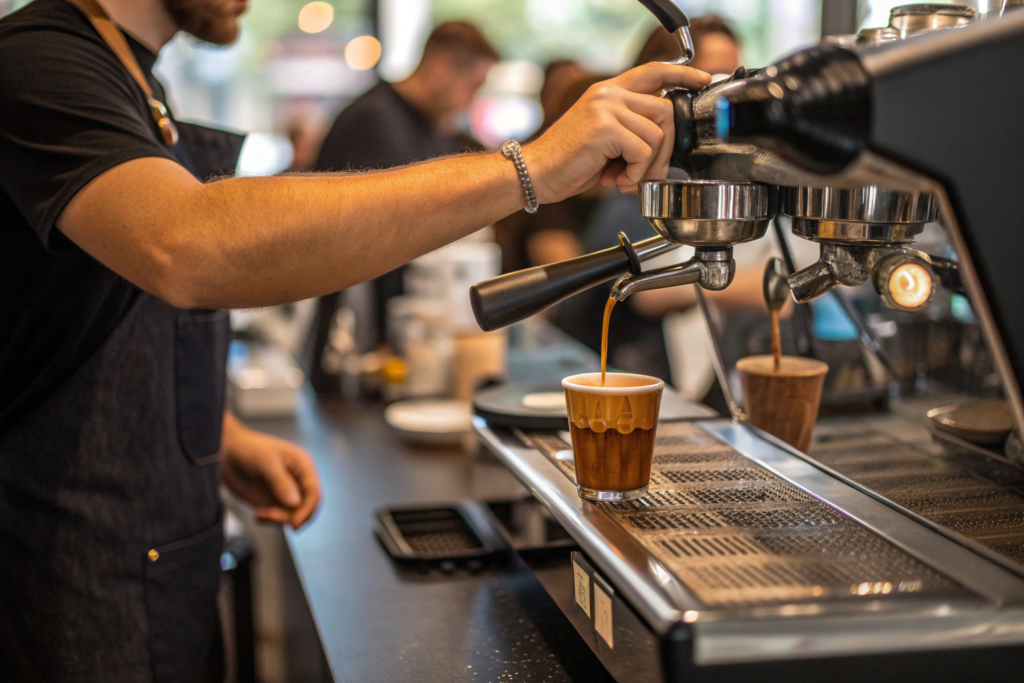
Espresso isn't just a drink; it's a unique extraction method: using high pressure (9 bars) to force hot water through finely-ground, densely packed coffee in a very short time (25-30 seconds). This method is particularly suitable for specific bean profiles and purposes.
Espresso excels with beans roasted and blended specifically for it—typically medium-dark to dark roasts. The high pressure efficiently extracts the concentrated sugars, oils, and solubles, creating the signature crema, full body, and intense flavor. The short contact time helps manage the bitterness of darker roasts. Espresso is also the ultimate tool for blending, allowing roasters to combine beans (e.g., a Brazilian base for body, a Colombian for sweetness, a Robusta for crema) to create a balanced, complex shot that's more than the sum of its parts. Many of our clients use our Yunnan Arabica as a sweet, chocolaty component in their espresso blends.
Can You Make Espresso with Light Roast Single-Origins?
Yes, and it's a growing trend in specialty coffee, but it's advanced. As discussed in the previous article, it requires precise adjustments: finer grind, higher temperature, and often a longer yield (a lungo) to fully extract the bean and balance its acidity. When done well, it produces a breathtakingly complex, tea-like shot. However, it's less forgiving and not ideal for milk-based drinks where the subtle notes get lost.
Why is Dose and Tamping Critical for Espresso?
Because the contact time is so short, every variable is magnified. Dose (the amount of coffee in the portafilter) must be exact (±0.5g). Tamping pressure must be even to create a uniform "coffee puck" that water can't channel through. Any inconsistency leads to under-extracted sour spots or over-extracted bitter channels in the same shot. This method demands the most skill and the best equipment (especially the grinder) but offers the highest reward in terms of concentration and versatility for milk drinks.
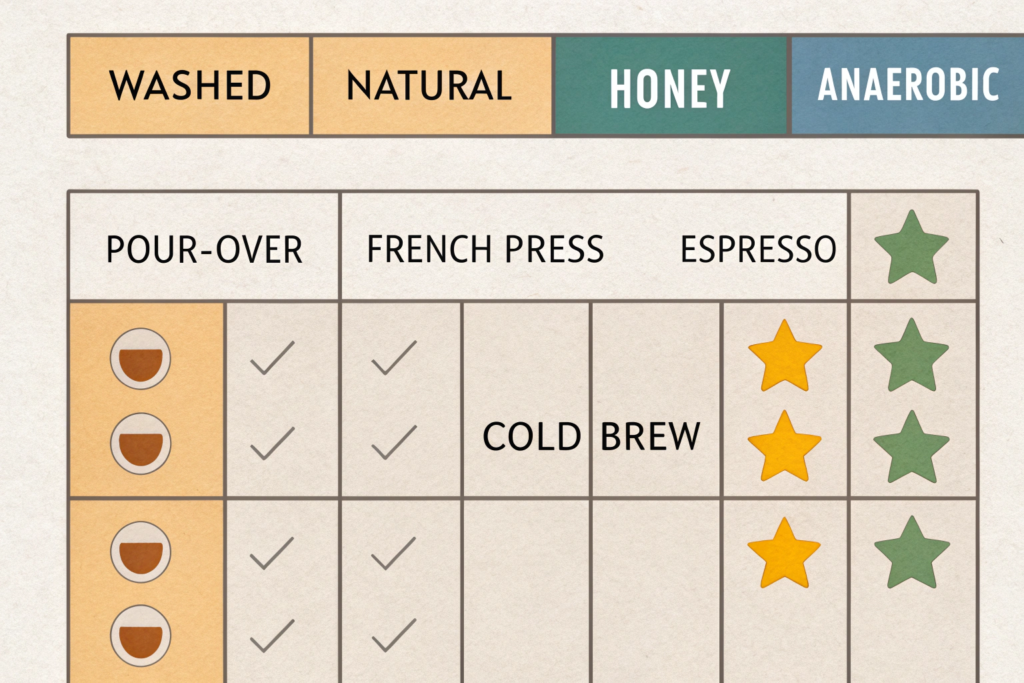
How Should You Match Methods to Unique Processes (Natural, Honey, Anaerobic)?
The processing method (washed, natural, honey, anaerobic) heavily influences the bean's flavor structure and solubility, thus suggesting different brewing approaches.
- Washed Process Beans: As covered, these are clean and acidic. They are versatile but truly shine in pour-over methods that highlight their clarity.
- Natural & Honey Process Beans: These are sweeter, fruitier, and have a heavier body due to dried fruit sugars. They can be glorious in immersion methods like the French Press or AeroPress that emphasize body and sweetness. Pour-over can also work but may require a coarser grind to avoid a syrupy, clogged filter.
- Anaerobic/Carbonic Maceration Beans: These are wildly fruity, winey, and often funky. They can be challenging. Careful pour-over can help control the intensity and separate flavors. Many find they work surprisingly well as a cold brew, where the long, cold extraction highlights sweetness and mutes excessive fermentation notes. Experimentation is key.
What is the Role of Cold Brew for Specific Beans?
Cold brew (steeping coarse grounds in cold water for 12-24 hours) is not just a summer trend; it's a specific extraction tool. The cold water doesn't extract acidic or bitter compounds easily, but it does slowly pull out sugars and fruity notes. This makes it excellent for masking the defects in lower-quality beans but also fantastic for highlighting the inherent sweetness of naturally processed or certain African coffees. A high-quality Yunnan natural process bean can make an incredible cold brew with notes of stone fruit and chocolate.
How Does Grind Consistency Become Even More Critical?
Across all methods and beans, one truth stands out: grind consistency is paramount. A grinder that produces a wide range of particle sizes (boulders and fines) will lead to simultaneous under-extraction (from boulders) and over-extraction (from fines), creating a muddy, confused cup regardless of your brewer. Investing in a quality burr grinder is the single most important upgrade for anyone serious about matching brew methods to beans. This is a key point we discuss with our roasting clients when they set up their operations.
Conclusion
There is no universal "best" way to brew coffee. The suitable extraction method is a deliberate pairing, chosen to highlight the best attributes of a specific bean—whether it's the articulate clarity of a light roast via pour-over, the hearty sweetness of a medium roast via French Press, or the intense concentration of a blend via espresso. Understanding the "why" behind these pairings empowers you to evaluate coffees more accurately, provide better guidance, and ultimately enjoy a vastly better cup.
As a green coffee supplier, our role is to provide you with beans of distinct character that are worthy of this thoughtful brewing. Whether you are a roaster crafting a blend or a cafe choosing a single-origin, we can help you understand how our Yunnan lots will perform across different methods. To explore this through samples and technical data, contact our export manager, Cathy Cai, at cathy@beanofcoffee.com. Let's brew to the strength of every bean.