You have incredible coffee. Your roast is on point, your packaging is beautiful. But in the vast digital noise, how do you get noticed? How do you turn scrollers into sippers? The old playbook of just having a website and a few social posts isn't enough. Today's coffee consumer is educated, discerning, and flooded with options. The top strategies aren't about shouting the loudest; they're about building the deepest connections, providing immense value, and creating a seamless journey from screen to cup.
The top digital marketing strategies for coffee blend authentic storytelling through video and social media, strategic Search Engine Optimization (SEO) to capture high-intent searches, data-driven email marketing for retention, and leveraging e-commerce platforms with conversion-optimized experiences. The goal is to be a trusted guide, not just a seller.
Think of it as brewing a perfect digital cup. You need the right beans (content), the right water (strategy), the right temperature (timing), and the right equipment (platforms). At BeanofCoffee, we market both our export brand and help our roasting partners craft their stories. The most successful ones treat digital marketing as a core part of their business model. Let's map out the key strategies.
How to Master Content Marketing and Storytelling?
Content is the fuel. But in coffee, generic content fails. Your story—the origin, the craft, the people—is your ultimate competitive advantage. You're not selling a commodity; you're selling a journey from a specific farm to a specific cup.
Master coffee content marketing by creating a robust "content hub" on your website (blog, guides, videos) that answers your customer's questions, and using social media platforms (especially Instagram, TikTok, and YouTube) to tell visual, behind-the-scenes stories that build an emotional connection and brand community.
What types of content drive the most engagement and sales?
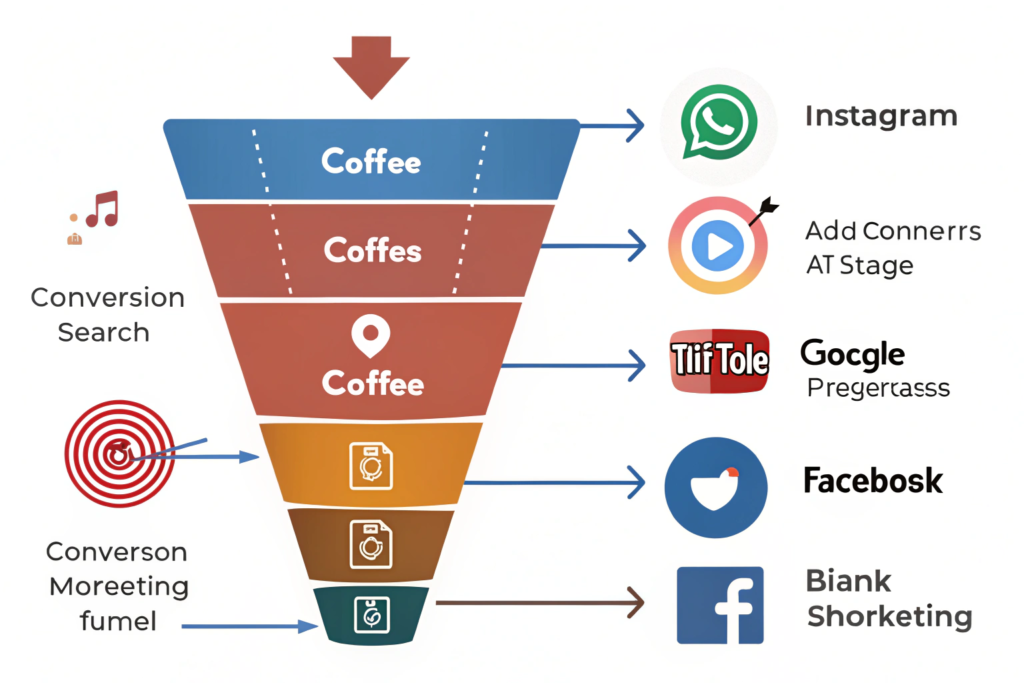
Different content serves different purposes in the funnel:
- Top of Funnel (Awareness): Educational and Entertaining Content. Short-form videos on TikTok or Instagram Reels showing the roasting process, "day in the life" on the farm, quick brewing tutorials, or answering common questions (e.g., "French Press vs. Pour Over?"). This builds brand familiarity.
- Middle of Funnel (Consideration): In-Depth Value Content. Detailed blog posts and YouTube videos on topics like "How to Choose Your First Grinder," "Understanding Coffee Processing Methods," or a deep-dive video tour of your partner farm in Yunnan. This establishes your authority.
- Bottom of Funnel (Conversion): Social Proof and Product-Focused Content. Customer testimonials, unboxing videos, live brewing sessions featuring a specific coffee, and clear, beautiful product pages with flavor notes and brew suggestions. This removes the final barrier to purchase.
For an exporter like Shanghai Fumao, our content targets roasters (B2B) with articles on "Managing Green Coffee Supply Chains" or "The Profile of Yunnan Catimor," establishing us as industry experts, not just a sales page.
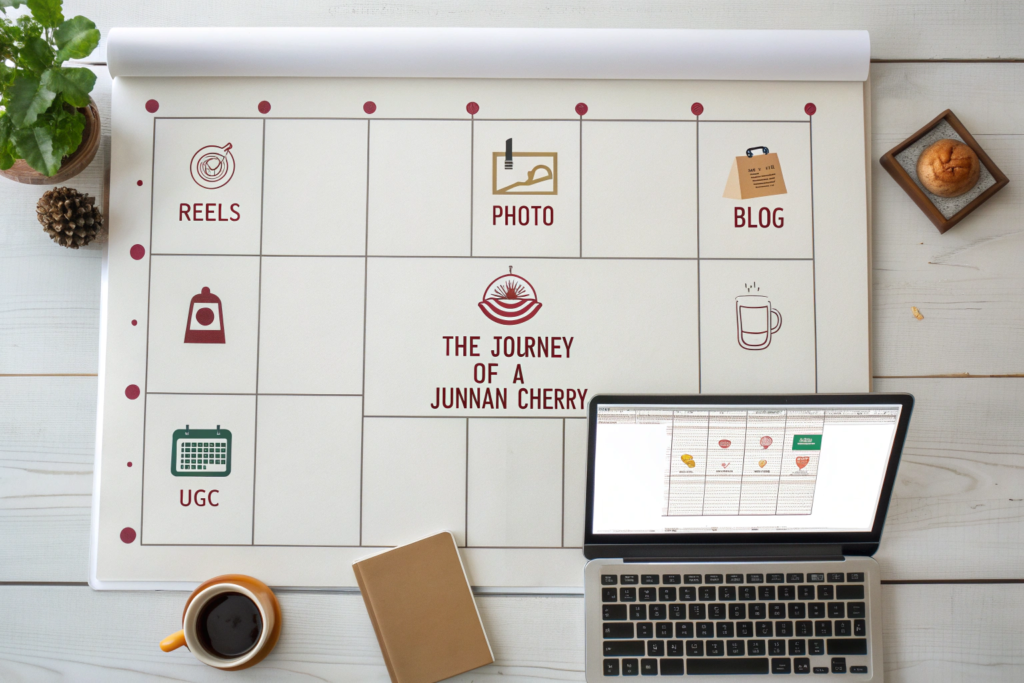
How to build a content calendar around the coffee journey?
Your calendar should mirror the natural rhythms of coffee and your customer's life.
- Seasonal/Harvest Focus: Create content around your new harvest arrivals. "New Crop Yunnan Arabica is Here!" with stories from the harvest.
- Brewing Education: Weekly or bi-weekly tips (e.g., "Water Wednesday" discussing water quality, "Technique Tuesday").
- Behind-the-Scenes: Regular glimpses into roasting, cupping sessions, team interviews.
- User-Generated Content (UGC): Encourage customers to share their brew with your coffee using a branded hashtag. Repost the best. This is social proof gold.
Plan this 1-3 months in advance. Consistency builds expectation and trust.
How to Dominate Search with SEO and Targeted Ads?
When someone is actively looking to solve a coffee problem or buy beans, you need to be there. This is where being found beats just being interesting. SEO and paid ads are your tools to intercept high-intent moments.
Dominate search by optimizing your website for specific, long-tail keywords that coffee enthusiasts and gift-buyers actually search for, and use targeted Paid Social and Google Ads to retarget website visitors and reach lookalike audiences with compelling offers.
What are the most valuable keywords for a coffee brand?
Target keywords with commercial intent. Think about the problems your coffee solves.
- Buying Intent: "buy single origin coffee online," "espresso beans subscription," "organic coffee beans free shipping," "best coffee gift for dad."
- Informational Intent (that leads to buying): "how to store coffee beans," "difference between light and dark roast," "what is yunnan coffee."
- Local Intent (for cafes/roasteries): "specialty coffee roaster [City Name]," "coffee beans near me."
Create dedicated pages or blog posts targeting each of these keyword clusters. For example, a page optimized for "Yunnan coffee beans" should thoroughly describe the origin, our farms, and the flavor profile, with clear calls to action to buy or sample.
How to structure Google Ads and Facebook/Instagram campaigns?
- Google Search Ads: Target the high-intent keywords above. Use ad copy that highlights your unique value: "Directly Sourced Yunnan Arabica - Free Shipping on Orders Over $50." Use sitelink extensions to send people directly to popular products or your subscription page.
- Facebook/Instagram Ads: These are fantastic for brand building and retargeting.
- Retargeting (Pixel-based): Show ads to people who visited your website but didn't buy, reminding them of the product they viewed.
- Lookalike Audiences: Let Facebook find new people who resemble your best existing customers.
- Engagement Campaigns: Boost your best educational or behind-the-scenes content to a broad coffee-interested audience to build your follower base cheaply.
The key is to separate campaigns by goal (awareness, conversion) and audience, not just blast one ad to everyone.
How to Leverage Email Marketing and Subscriptions?
Your email list is your most valuable digital asset—a direct line to people who have already raised their hand and said they're interested. It's where you turn one-time buyers into loyal advocates.
Leverage email to build a narrative-driven welcome sequence, promote your subscription program as the ultimate convenience and discovery tool, and use segmentation to send hyper-relevant content and offers based on purchase history and engagement.

What makes a high-converting coffee subscription program?
A subscription isn't just "subscribe and save." It's a curated experience.
- Flexibility is Key: Offer options: frequency (every 2 or 4 weeks), quantity (12oz or 2lbs), and the ability to pause, skip, or change the coffee easily.
- The "Discovery" Angle: Offer a "Curator's Choice" subscription where you send a different single-origin each time. This builds excitement and positions you as a guide. Include a small card with the story and tasting notes.
- Incentivize Sign-up: Offer a discount on the first box or a free gift (like a branded mug).
- Make it an Experience: Subscription emails should build anticipation ("Your next coffee is on its way!"), tell the story of the coffee inside, and provide brewing tips. This reduces churn.
How to segment your email list for personalized campaigns?
Stop blasting everyone the same "Sale!" email. Segment based on behavior:
- New Subscribers: Send a welcome series introducing your brand story, your best-selling products, and a first-purchase discount.
- One-Time Buyers: Target them with emails about a subscription, or re-engage them 2-3 months later with a "We miss you" offer featuring a new coffee similar to what they bought.
- Subscribers: Send them pre-shipment and post-shipment emails about their specific coffee. This is crucial for retention.
- Engaged Non-Buyers (opened emails, clicked links but didn't purchase): Send them your most compelling educational content or a limited-time offer.
Personalization dramatically increases open rates, click-through rates, and revenue per email.
How to Optimize E-commerce and Conversion Rate?
All your marketing efforts drive traffic to your website. If the site is slow, confusing, or doesn't inspire trust, you lose the sale. Your website is your digital cafe—it needs to be welcoming, functional, and persuasive.
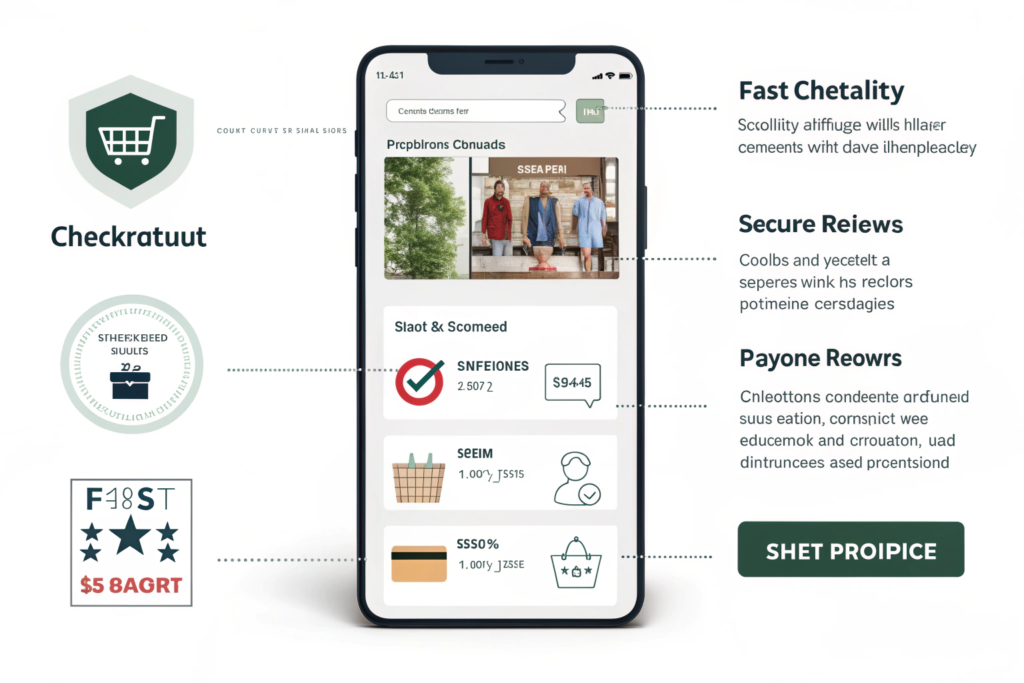
Optimize e-commerce by ensuring a mobile-first, fast-loading website, using high-quality photography and video on product pages, simplifying the checkout process to a few clicks, and prominently displaying trust signals (secure payment icons, reviews, shipping policies).
What are the key elements of a high-converting product page?
Your product page is your star salesperson. It must have:
- Hero Visuals: Multiple high-resolution photos of the bag, beans, and a brewed cup. A short video is even better.
- Compelling Copy: Clear title (Brand + Origin + Roast), bullet points highlighting key features (tasting notes, process, altitude, roast date guarantee), and a longer story section about the farm or inspiration.
- Social Proof: Display customer reviews and ratings prominently.
- Clear Calls to Action (CTAs): A prominent "Add to Cart" or "Subscribe" button. Offer quantity options.
- Upsell/Cross-sell: "Customers also bought" suggestions like a grinder, a dripper, or another complementary coffee.
- Trust Badges: Logos for secure checkout (Shopify Pay, SSL), accepted payment methods, and clear shipping/return info.
How to use analytics to improve your online store?
Install Google Analytics 4 (GA4) and track key metrics:
- Conversion Rate: What percentage of visitors buy? Aim for 2-4% in coffee e-commerce.
- Average Order Value (AOV): How much does each customer spend? Use bundling tactics to increase this.
- Traffic Sources: Where are your best customers coming from? (Organic search, Instagram, email?). Double down on what works.
- Site Speed: Use Google PageSpeed Insights. A delay of even one second can crush conversion.
- Shopping Behavior Funnel: In GA4, see where people drop off in the checkout process (e.g., at the shipping info page). That's where you need to simplify.
Use this data to make informed decisions, not guesses. Test different page layouts, offers, and ad copy (A/B testing) to continuously improve.
Conclusion
The top digital marketing strategies for coffee are interconnected, creating a cohesive ecosystem that attracts, engages, and retains customers. It starts with authentic storytelling that builds a brand, supported by strategic SEO and ads that capture demand. This is nurtured through personalized email marketing and sealed with a flawless, trustworthy e-commerce experience.
Success lies not in using every platform, but in mastering a few with consistency and strategic depth. Your digital presence should reflect the same care and quality as your coffee itself.
For coffee roasters and brands, having a reliable, story-rich supply chain is the foundation of all this marketing. At Shanghai Fumao, we provide not just premium Yunnan beans, but also the origin content and consistency that helps you build your brand narrative. If you're looking for a partner to help fuel your digital marketing with authentic stories and exceptional quality, contact our Export Manager, Cathy Cai: cathy@beanofcoffee.com. Let's tell your next chapter together.