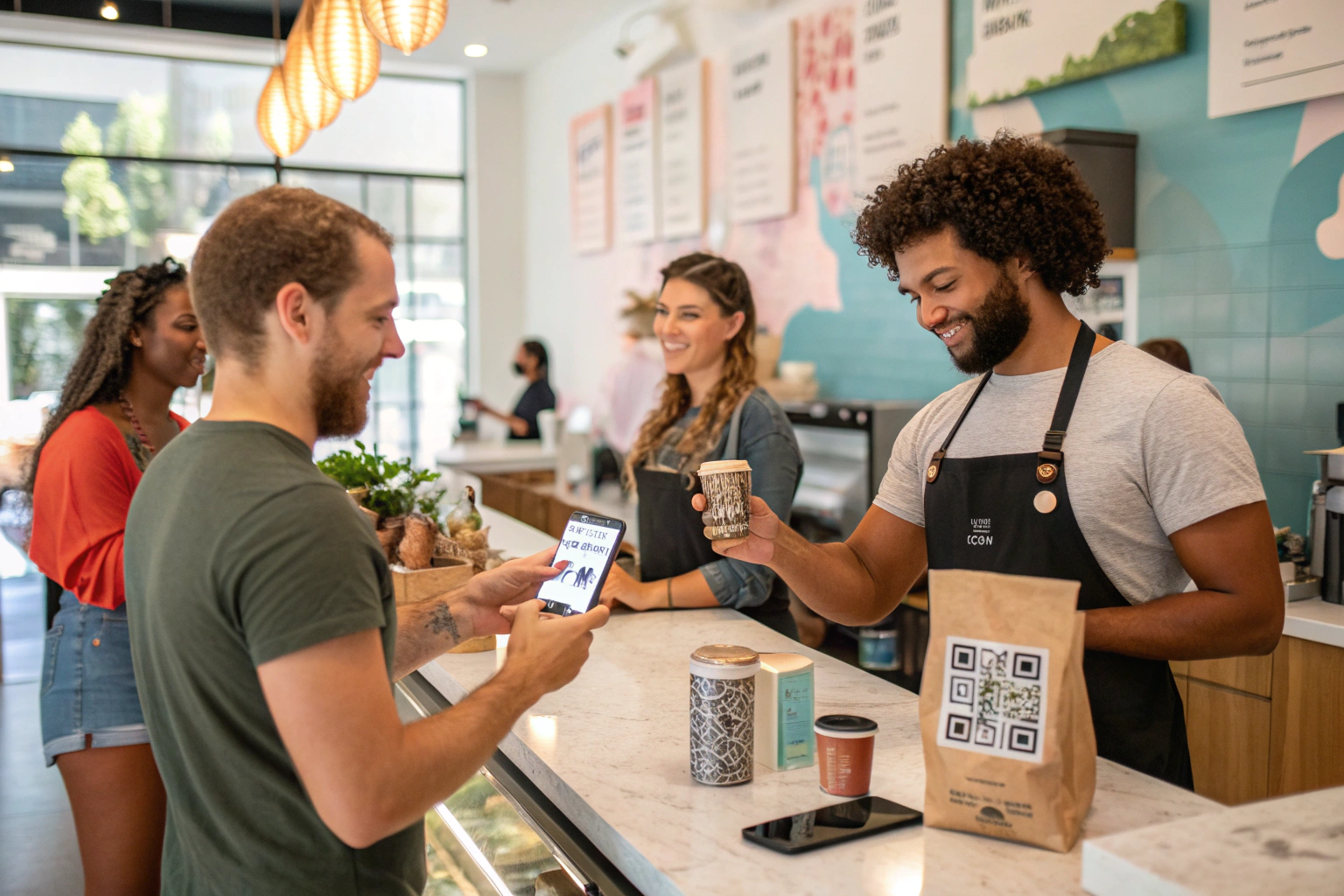
You walk into a modern coffee shop. Someone is ordering a cold brew with oat milk. Another is checking an app for the coffee's origin story. A third is buying beans labeled "upcycled." This isn't a niche scene—it's the mainstream. The coffee industry is transforming faster than ever, and keeping up isn't just interesting; it's essential for survival and growth.
The top trends in the coffee industry today are driven by consumer demand for sustainability, convenience, and experience. The most significant shifts include the rise of ready-to-drink (RTD) cold coffee, the mainstream adoption of plant-based milks, a deep focus on transparency and traceability, and the growing market for functional and wellness-focused coffee products.
So, what's fueling these changes, and how can businesses adapt? It's a mix of generational shifts, technological advancement, and a collective desire for more meaningful consumption. Let's brew into the details.
Why is Ready-to-Drink (RTD) Cold Coffee Dominating the Market?
Cold coffee is no longer a seasonal treat. It's a year-round, multi-billion dollar category that's growing exponentially. The convenience factor is undeniable, but the trend goes deeper than just grabbing a cold can.
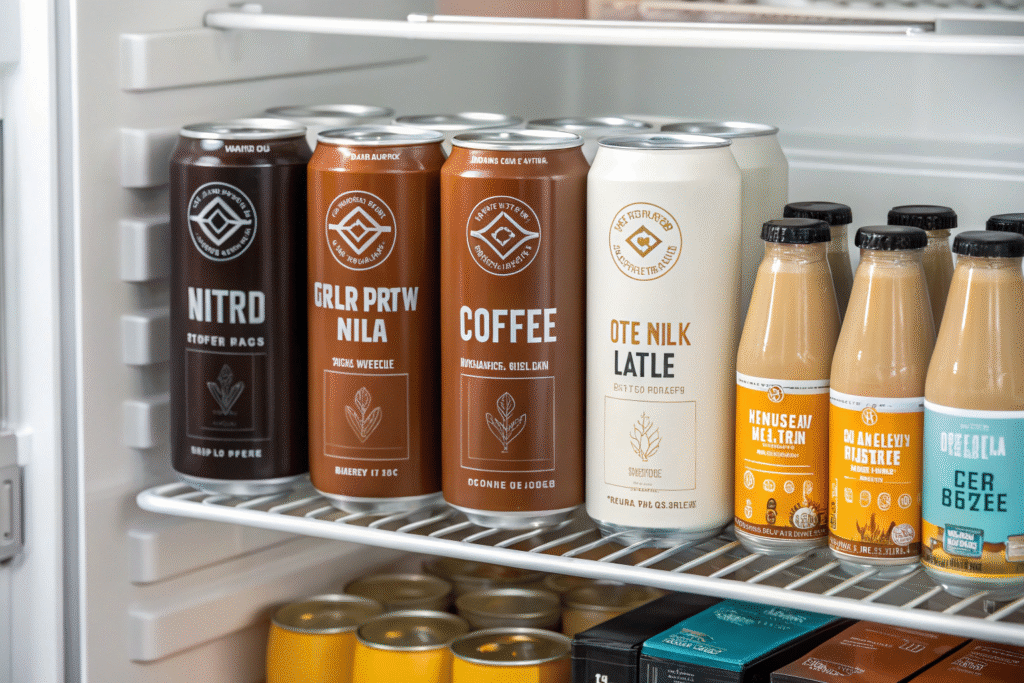
The RTD coffee market is booming because it perfectly merges the demand for convenience with the specialty coffee experience. It includes everything from nitro cold brews to oat milk lattes in a can, offering grab-and-go quality that appeals to busy, younger consumers.
How Big is the RTD Market Really?
The numbers are staggering. The global RTD coffee market is projected to grow by over 8% annually, reaching a value of more than $40 billion in the next few years. This isn't just iced coffee; it's a sophisticated category featuring specialty-grade beans, innovative formats like nitro-infusions, and clean-label formulations. For roasters and brands, this represents a massive opportunity to expand beyond the traditional bagged bean model. Tapping into this requires understanding beverage marketing and distribution in a new way.
What's Driving the Consumer Shift?
Convenience is king, but quality is the queen. The modern consumer no longer sees a trade-off between the two. They want a high-quality, barista-style coffee experience without the wait. The pandemic also accelerated this, normalizing at-home consumption of premium RTD products. Furthermore, the rise of functional coffee—adding ingredients like adaptogens, protein, or MCT oil—fits perfectly into the RTD format, appealing to health-conscious buyers.
How Have Sustainability and Traceability Become Non-Negotiable?
"Where does my coffee come from?" is no longer a question just for enthusiasts. It's a mainstream demand. Consumers want to know that their purchase is ethically sourced and environmentally sound, and they're willing to pay for it.
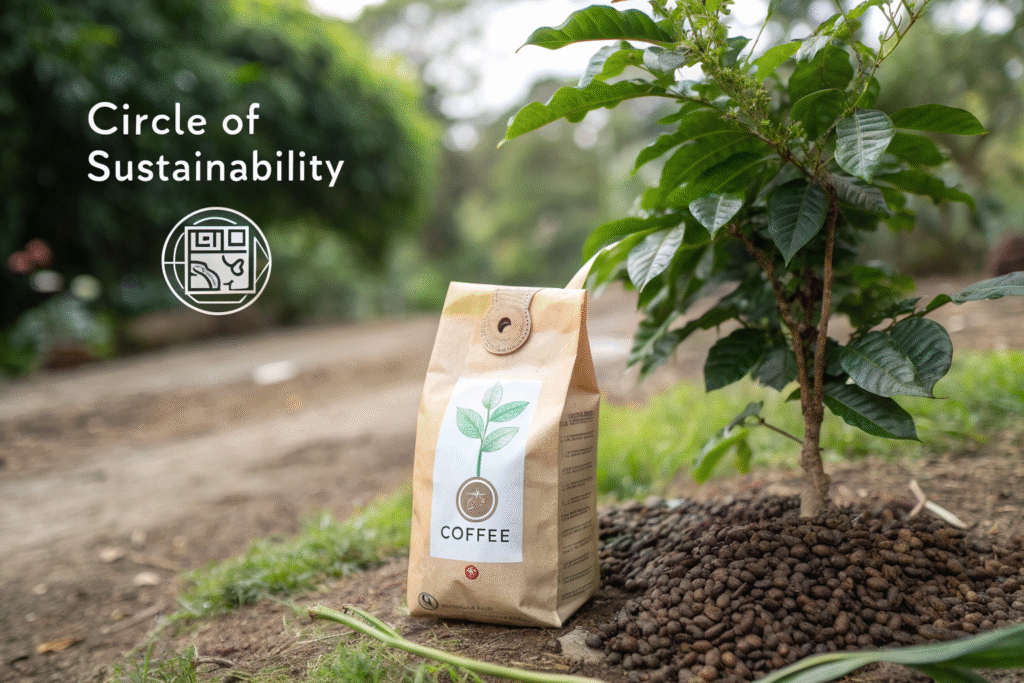
Sustainability in coffee now encompasses everything from farm-level practices (like organic and regenerative agriculture) to eco-friendly packaging (compostable bags) and a full, transparent chain of custody from seed to cup.
What Does "Transparency" Mean in Practice?
It means going beyond a country of origin. It's about sharing the specific farm or cooperative, the farmers' names, the processing method, and the price paid to the producer. Technology enables this through QR codes on packaging that tell the full story. This builds immense trust and allows consumers to feel connected to the product. For exporters like us at BeanofCoffee, this trend validates our direct-trade model and allows us to provide our partners with a compelling, authentic story for their customers. This is the new standard for coffee sourcing.
Why is Upcycling and Waste Reduction a Key Trend?
The industry is tackling its waste problem. This includes upcycling coffee cherry pulp (the fruit around the bean) into flour and other products, and developing fully compostable or recyclable packaging. Brands that innovate in circular economy practices are gaining significant positive attention. This isn't just good for the planet; it's a powerful brand storytelling tool that resonates deeply with a conscious consumer base.
What is the Impact of the Plant-Based Milk Revolution?
Oat milk has won the alt-milk war in coffee shops, but the overall shift towards plant-based options is a fundamental change in how people consume coffee. This trend is reshaping cafe menus and product development globally.
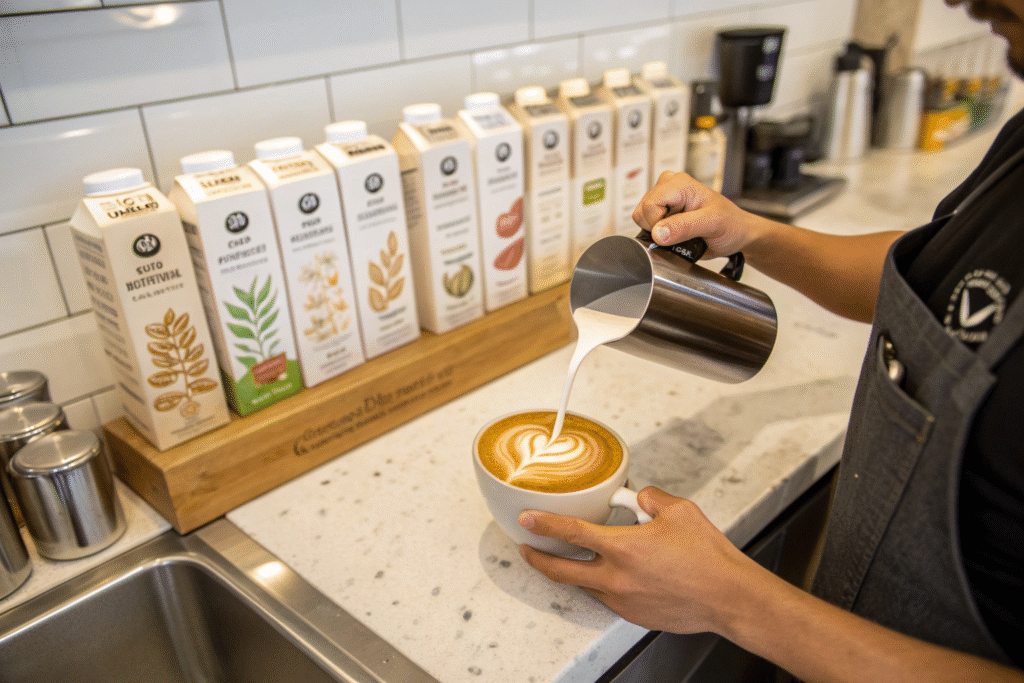
Plant-based milks are now a default option, not an alternative. Oat milk leads due to its creamy texture and superior performance in steaming, but almond, soy, and newer entrants like potato and pea milk are also holding their space.
How Has This Changed Cafe Economics and Operations?
A cafe's success now heavily depends on its plant-based milk portfolio. Offering a high-quality option is essential for attracting a large segment of customers. This requires barista training to properly steam these different milks, as each behaves differently from dairy. The right partnership with a plant-milk supplier can be a significant competitive advantage. This shift has permanently altered coffee shop management and customer expectations.
Are We Seeing Plant-Based in Packaged Goods?
Absolutely. The trend has moved beyond the cafe into grocery aisles. RTD plant-based lattes are one of the fastest-growing sub-categories. Furthermore, coffee creamers made from oat, almond, and coconut milk are exploding in popularity, targeting the at-home coffee drinker. This expansion shows the trend's durability and its deep integration into all facets of coffee consumption.
How is Technology and E-commerce Reshaping Coffee Retail?
The way people discover, buy, and brew coffee has been digitized. From subscription services to smart brewers, technology is creating a more personalized and convenient coffee experience at home.
The rise of D2C (Direct-to-Consumer) subscription models, AI-powered brewing equipment, and robust e-commerce platforms have made specialty coffee more accessible than ever, while also raising the bar for the online customer experience.
What is the Power of the Subscription Model?
Coffee subscriptions provide predictable revenue for roasters and ultimate convenience for consumers. The best services offer customization based on taste preference, brew method, and delivery frequency. This model builds a direct relationship with the customer, bypassing traditional retail channels. For a roaster, mastering the subscription business model is a key to stability and growth in a competitive market.
How is Smart Brewing Changing Home Coffee?
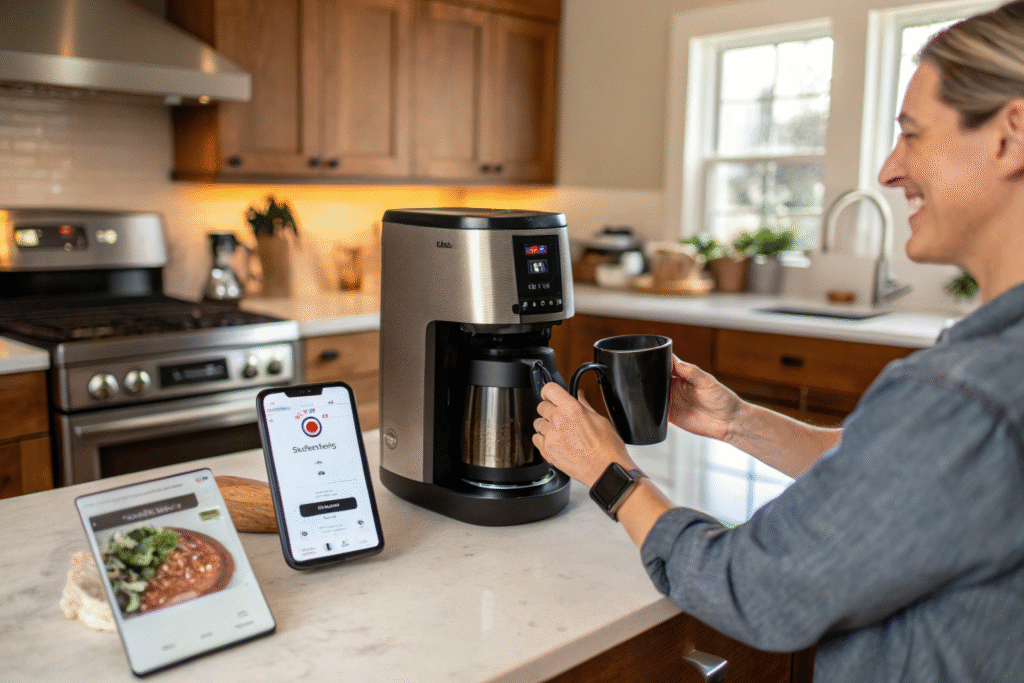
The home barista revolution is in full swing. Consumers are investing in high-end grinders and smart brewers like the Spinn or Wilfa Uniform, which can be controlled via app to replicate perfect brews every time. This tech appeals to those who want quality and convenience without the daily trip to a cafe. This trend blurs the line between professional and home brewing, creating a new category of connected coffee devices.
Conclusion
The coffee industry is no longer just about roasting and brewing a good cup. It's about delivering that cup through a lens of convenience, sustainability, health, and technology. The winning businesses will be those that adapt to these interconnected trends: embracing the RTD revolution, committing to radical transparency, catering to the plant-based majority, and leveraging technology to enhance the customer experience.
Staying ahead means viewing these trends not as separate fads, but as parts of a new, holistic coffee culture. For roasters, importers, and cafes, the opportunity lies in integrating these elements into a compelling and authentic brand promise. If you are looking for a sourcing partner that understands these global trends and can provide the transparent, high-quality beans needed to compete, let's talk. Contact our export manager, Cathy Cai, at cathy@beanofcoffee.com to explore how our Yunnan Arabica and Robusta can be part of your future-forward coffee strategy.