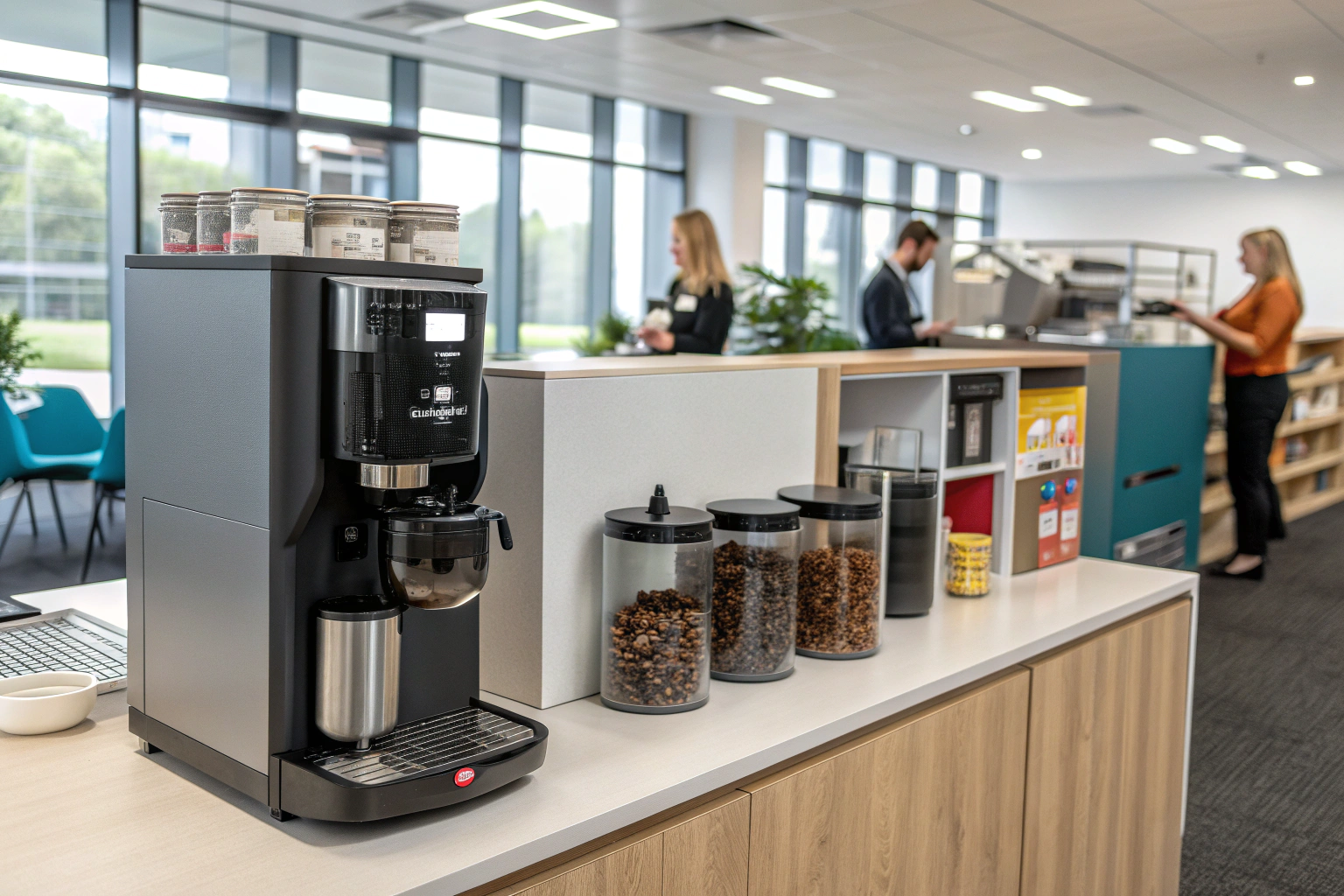
You're stocking the office pantry or negotiating a supply contract for a corporate client. The old tub of pre-ground coffee and a drip machine just don't cut it anymore. Today's workforce, especially younger professionals, has been shaped by the specialty coffee revolution. Their expectations have migrated from the café to the cubicle, turning office coffee from a utilitarian caffeine delivery system into a key component of workplace culture, productivity, and even talent retention. Ignoring these trends means missing an opportunity to boost morale and present your company as a modern, considerate employer or supplier.
The dominant trends in office coffee consumption are a decisive shift towards higher quality (specialty-grade beans, single-origin options), greater convenience and customization (single-serve systems, on-demand brewing), a focus on health and wellness (low-acid, organic, functional coffees), and the integration of technology for smart management. For suppliers like us, this means buyers are no longer just looking for the cheapest bulk option; they are seeking partners who can provide flexible, high-quality solutions that align with these evolving workplace values and the sophisticated palates of their employees.
So, what does this new landscape look like on the ground? It’s driven by employee demand for a café-quality experience without leaving the office. This shift creates specific needs and opportunities for businesses providing office coffee solutions.
How Has the Demand for Quality and Origin Transparency Changed?
The era of anonymous, bitter "office sludge" is ending. Employees who happily pay $5 for a meticulously crafted latte on the weekend are not satisfied with a low-grade, burnt-tasting brew at work. Quality is now a baseline expectation. This isn't just about taste; it's a signal that the company values its employees' well-being and experience.
Think about it from an employee's perspective. A great cup of coffee is a small but meaningful perk. It can improve the morning routine, spark collaboration over the machine, and simply make people feel more valued. For a company, it's a low-cost, high-impact investment in company culture.
Why are Single-Origin and Specialty Grade Beans Gaining Popularity?
The curiosity that drives food trends has fully entered the office. People want to know where their coffee comes from and what makes it unique.
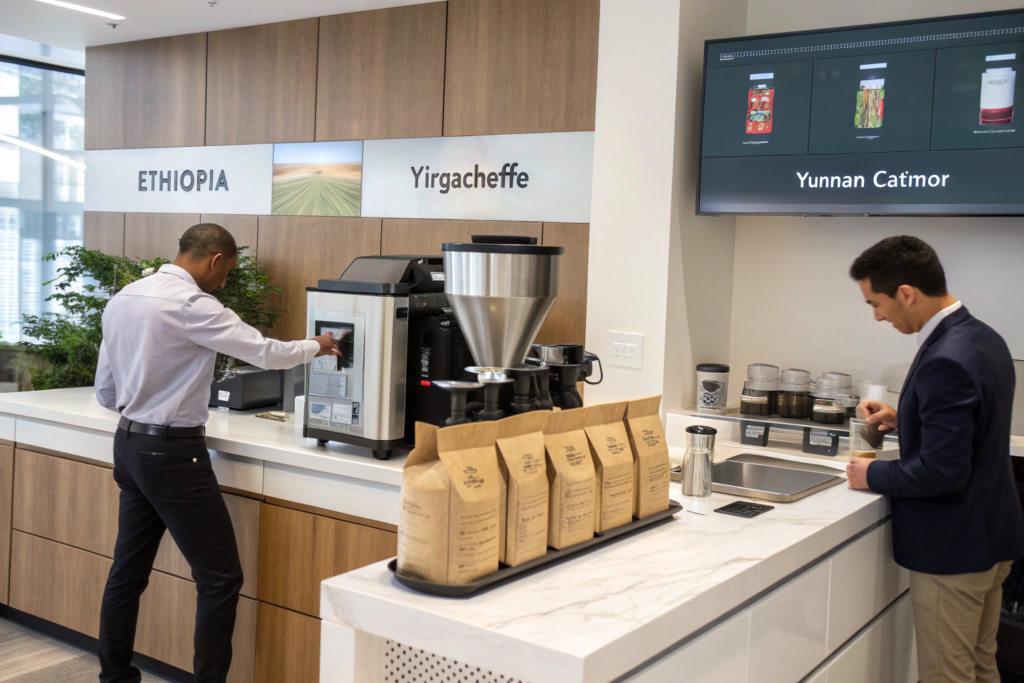
- Storytelling & Engagement: Offering a "Coffee of the Month" from a specific region (like our Yunnan Baoshan estate) creates a talking point. It adds an element of discovery and education. An info card about the farm and flavor profile turns a coffee break into a mini-experience.
- Perceived Value: Single-origin and specialty-grade beans (scoring 80+ on the SCA scale) are associated with higher quality, ethical sourcing, and better taste. Providing them demonstrates that the company is willing to invest in premium products for its team.
- Diversity of Palates: Just as offices cater to dietary restrictions, they now cater to taste preferences. Some may prefer the bright acidity of a washed Ethiopian, while others lean towards the chocolatey body of a Brazilian or our Yunnan Catimor. Offering choice is key.
How Does Transparency Influence Supplier Choice?
Buyers for office services are now asking questions previously reserved for specialty roasters. They want:
- Origin Information: Not just "Colombian," but details about the region, cooperative, or farm.
- Certifications: Proof of sustainability and ethics, such as Fair Trade, Rainforest Alliance, or Organic certifications.
- Roast Date: Freshness matters. There's growing demand for beans roasted within weeks, not months.
This shift benefits direct suppliers and exporters like Shanghai Fumao who can provide this traceability and partner with roasters who share these values. An office supplier that can tell a compelling origin story has a competitive edge.
What Brewing Technologies are Dominating Modern Offices?
Convenience is still king in the office, but the definition has evolved. It's no longer just about a large pot sitting on a warmer. Modern convenience means speed, personalization, and consistency, with minimal mess or skill required. The technology has advanced to deliver café-quality drinks at the push of a button.
The goal is to eliminate friction. Employees want their perfect drink—whether it's a black Americano, a flat white, or a pour-over—quickly and without having to clean up complex equipment. This drives investment in smarter machines.
Are Super-Automatic Machines and Single-Serve Systems the Future?
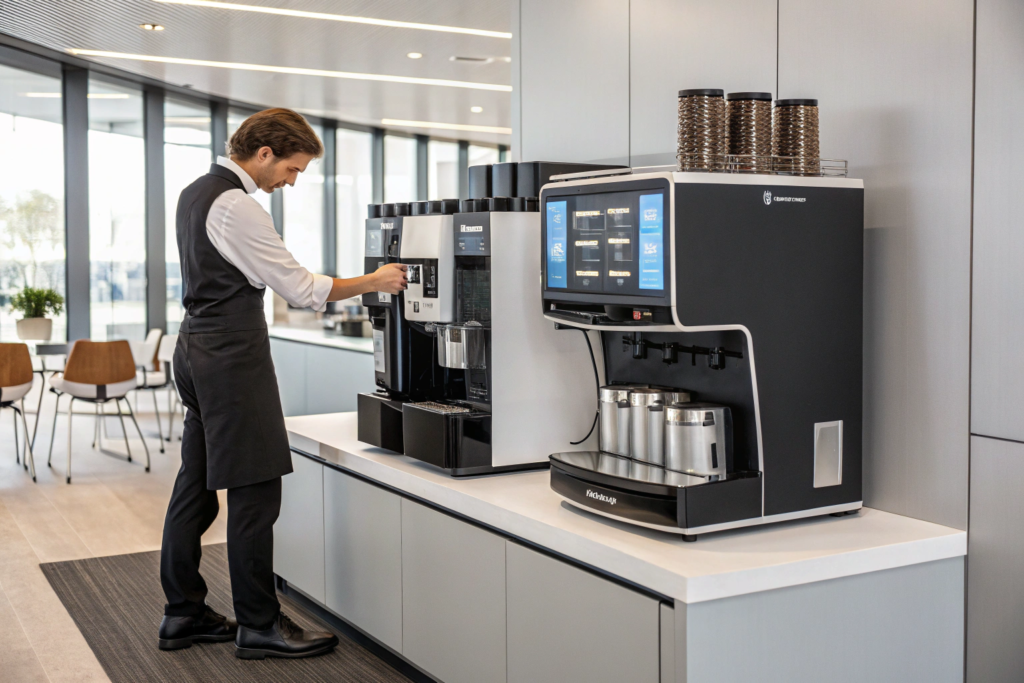
For medium to large offices, bean-to-cup super-automatic machines are becoming the standard. They grind beans fresh for each drink, brew espresso, steam milk automatically, and offer digital customization for drink strength and size. They deliver consistency and a wide range of options (espresso, lungo, americano, cappuccino) with almost zero training.
- Advantage: High perceived quality, variety, and scalability.
- Consideration for Suppliers: These machines require specific bean characteristics—consistent roast color and oil content to avoid clogging. Supplying a compatible, high-quality bean is crucial.
For smaller offices or as a supplementary option, advanced single-serve systems are popular. Moving beyond old pod machines, newer systems offer better quality and sustainability, such as machines that use loose-ground coffee or fully compostable pods.
- Advantage: Zero waste, no measuring, perfect for low-volume environments or catering to individual preferences alongside a batch brewer.
What is the Role of Batch Brewing and Alternative Methods?
The specialty-grade batch brewer hasn't disappeared; it's been upgraded. Modern thermal carafe brewers (like Fetco or Curtis) paired with high-quality, freshly ground coffee can serve dozens of people quickly with excellent results. They are efficient for peak morning hours.
Furthermore, alternative brew methods are appearing in progressive offices. A curated "craft corner" with a few Hario V60s or an AeroPress and a good grinder caters to coffee enthusiasts and can be a fun, communal activity. It signals a deep commitment to coffee culture.
How are Health, Wellness, and Sustainability Driving Choices?
Coffee is increasingly viewed through a wellness lens. It's not just a stimulant; it's part of a holistic approach to health. Simultaneously, corporate social responsibility (CSR) goals are extending to pantry supplies. Employees, especially millennials and Gen Z, expect their workplace to reflect their personal values around health and environmental stewardship.
This means the office coffee program must address dietary preferences, ethical concerns, and environmental impact. It's a more complex procurement decision than ever before.
What are the Growing Categories of "Functional" and Health-Conscious Coffee?
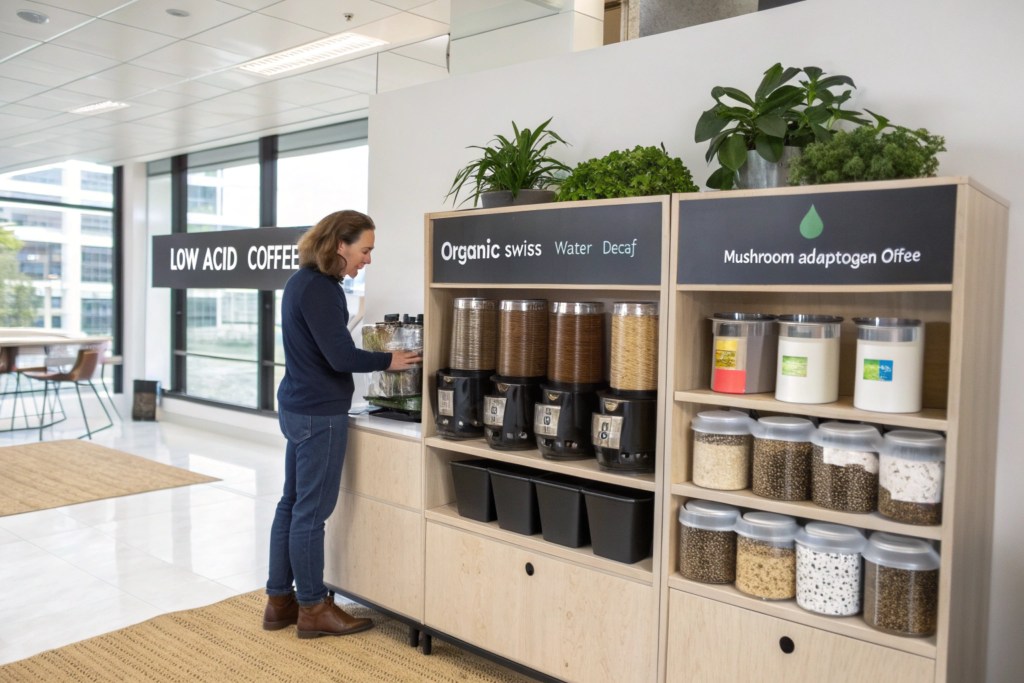
- Low-Acid & Stomach-Friendly: Options marketed as easy on digestion are in high demand, appealing to those sensitive to coffee's acidity.
- Organic & Pesticide-Free: Driven by a general desire for cleaner consumption and alignment with wellness trends.
- Functional Blends: Coffees infused with additives like mushroom extracts (lion's mane, chaga) for cognitive focus, collagen for beauty, or MCT oil for energy. While niche, this category is growing.
- High-Quality Decaf: The old stigma is gone. Modern decaffeination processes like the Swiss Water Method preserve flavor, making premium decaf a must-have for inclusive offices.
For suppliers, this means offering a portfolio that includes these options or partnering with roasters who specialize in them.
How Do Sustainability Practices Impact Procurement Decisions?
Sustainability is a major purchasing factor. Offices are evaluated on their environmental footprint, and coffee is a visible component.
- Packaging: A shift away from traditional plastic pods to compostable, recyclable, or reusable solutions. Bulk bean delivery in recyclable bags is preferred.
- Waste Management: Offices are implementing programs to compost used coffee grounds and recycle packaging. Suppliers who provide guidance or take-back programs are favored.
- Ethical Sourcing: Certifications like Fair Trade or direct trade relationships that ensure farmer welfare are important for the company's CSR narrative. This aligns perfectly with the transparent, direct sourcing model of exporters like Shanghai Fumao.
- Carbon Footprint: Some roasters and suppliers now offer carbon-neutral shipping or products, which is a strong differentiator for eco-conscious companies.
How is Technology Transforming Office Coffee Service Management?
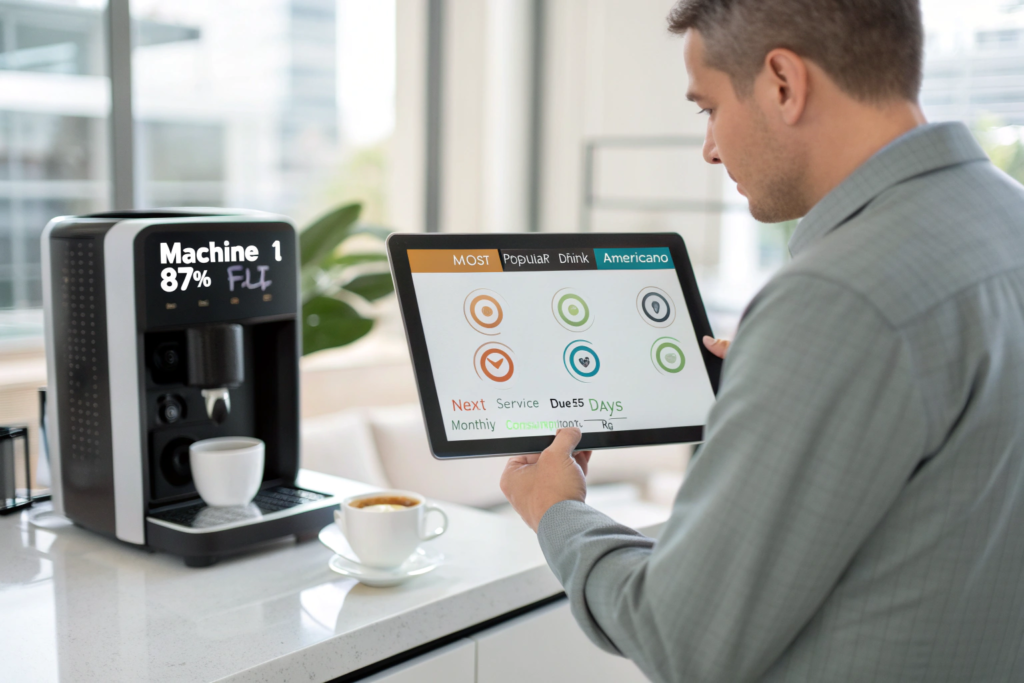
The "Internet of Things" (IoT) has reached the office coffee machine. Smart, connected systems are moving office coffee from a reactive, often messy cost center to a smoothly managed, data-driven service. This technology provides oversight, predicts needs, and enhances the user experience.
For facility managers and service providers, this means no more guessing when beans will run out or a machine will fail. For employees, it can mean a more reliable service and even personalized features.
What is Smart Monitoring and Predictive Maintenance?
Modern commercial coffee machines can be equipped with sensors that monitor:
- Bean and Water Levels: Sending alerts to the facility team or the service provider when supplies are low, enabling just-in-time restocking.
- Usage Data: Tracking the number of drinks brewed, peak times, and popular drink types. This data helps in planning supplies (e.g., ordering more milk for cappuccinos) and justifying the ROI of the coffee service.
- Machine Health: Monitoring internal systems to predict mechanical failures before they happen, scheduling maintenance during off-hours to avoid downtime.
This transforms service from a fixed schedule to an as-needed model, increasing efficiency and machine uptime.
How are Apps and Personalization Enhancing the Experience?
The next frontier is direct employee engagement through technology.
- Office Coffee Apps: Allow employees to order a customized drink from their desk and receive a notification when it's ready, reducing queue times at the machine.
- Personalized Profiles: On advanced machines, employees can use an RFID tag or app to recall their personal drink preference (e.g., double espresso, 150ml water, no milk) every time they approach.
- Digital Feedback and Menus: A tablet mounted near the station can display the day's coffee offering, its origin story, and allow for quick feedback on new coffees or report issues.
This level of integration makes the coffee service a seamless, high-tech part of the workday, further elevating its perceived value.
Conclusion
Office coffee consumption has evolved into a sophisticated arena reflecting broader trends in specialty coffee, workplace culture, health, and technology. Successfully supplying this market requires moving beyond commodity pricing to offer quality, transparency, flexibility, and aligned values. The modern office coffee program is a strategic tool—it boosts productivity, enhances employer branding, and meets the elevated expectations of a discerning workforce.
For coffee suppliers and exporters, this represents a significant opportunity. It’s a chance to build B2B relationships with roasters and office service companies who need reliable, high-quality, and story-worthy beans to fuel this new demand.
If you are a roaster, office service provider, or a company looking to upgrade your workplace coffee experience with premium, traceable beans from a sustainable source, we can help. Our Yunnan Arabica and Catimor beans are ideal for creating distinctive office coffee programs that impress. To discuss partnership or request samples for your office offering, contact our sales director, Cathy Cai, at cathy@beanofcoffee.com. Let's brew a better workplace together.