
Ron, as business owners, we're always looking for the next wave. You and I, we've mastered the art of the traditional cup. But look around: the fastest-growing segment of the coffee world isn't happening in cafes—it's happening in cans and bottles in the grocery aisle. The Ready-to-Drink (RTD) coffee market is exploding. You're probably seeing this and asking, "What's driving this? And more importantly, how can I get in on it?" You're right to be curious. This isn't just a trend; it's a fundamental shift in how people consume coffee.
The biggest trends in ready-to-drink coffee are the demand for functional benefits (like added protein or vitamins), the rise of plant-based milk alternatives, the mainstream adoption of nitro cold brew for a premium experience, and a growing focus on sugar reduction and clean labels. Consumers want more than just caffeine; they want convenience, health, and sophisticated flavor, all in one grab-and-go package.
From my perspective as a grower and exporter, this is incredibly exciting. It opens up entirely new avenues for our beans from Shanghai Fumao Yunnan plantations. A high-quality RTD product needs a high-quality coffee base, and that's where our partnership becomes crucial. This market isn't about cheap, instant-coffee flavors anymore. It's about craft, quality, and innovation. Let's break down the key trends that are shaping this billion-dollar industry.
What Are "Functional" Coffee Drinks?
The modern consumer, especially the younger generation, wants their purchases to work harder for them. A drink can't just be a drink; it needs to be a tool for wellness. This is the single biggest shift in the RTD space. People are asking, "How does this coffee improve my day, beyond just waking me up?" This has opened the door for "functional" beverages.
Functional coffees are RTD beverages that are infused with additional ingredients to provide a specific health or performance benefit beyond caffeine. This includes additions like protein for post-workout recovery, L-theanine for "clean" energy without jitters, adaptogens like ashwagandha for stress relief, or essential vitamins and antioxidants. The coffee is no longer just the hero; it's the delivery system for a complete wellness experience.
This is a direct response to the convergence of the coffee industry and the massive wellness market. Consumers are already buying protein shakes and vitamin supplements, so a product that combines those benefits with their daily coffee ritual is an easy sell. For a brand, this is a powerful way to differentiate. You're not just selling coffee; you're selling focus, strength, or calm.
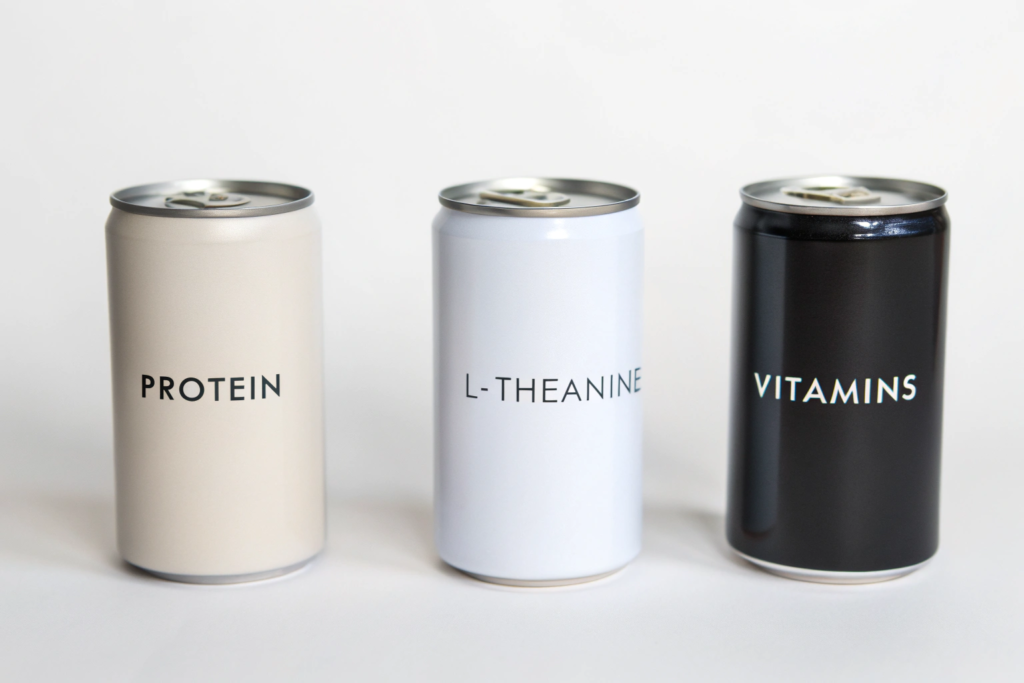
Why is protein coffee so popular?
Protein coffee is a home run. It targets two huge consumer needs simultaneously: the morning caffeine fix and the post-workout protein boost. It's marketed as a time-saver and a performance enhancer. Instead of a separate coffee and protein shake, you get it all in one. The key to a good protein coffee is a smooth, high-quality coffee base that can mask the sometimes chalky taste of protein powders. A low-acid, chocolatey coffee, like a well-chosen Brazilian or even a quality Robusta, is often an excellent choice for this application.
What are nootropics and adaptogens?
These are the buzzwords of the modern wellness movement. Nootropics are compounds believed to enhance cognitive function, like memory and focus. L-theanine (found in green tea) is a popular nootropic added to coffee to create a "smart coffee" that provides calm, focused energy. Adaptogens are herbs, like ashwagandha or lion's mane mushroom, that are believed to help the body manage stress. Adding these to coffee creates a product that promises to help you cope with a busy day, not just power through it.
How Are Plant-Based Milks Changing the Game?
The dairy-free movement is not a niche anymore; it's a mainstream expectation. A walk through any modern cafe shows that oat, almond, and soy milk are just as common as dairy. This consumer preference has completely reshaped the RTD latte and cappuccino market. A brand that only offers dairy-based options is now seen as outdated and is missing out on a huge segment of the population.
The dominance of plant-based milks, particularly oat milk, is a defining trend in RTD coffee. Oat milk's creamy texture and neutral flavor profile, which complements coffee without overpowering it, has made it the undisputed champion. Brands are now launching entire product lines dedicated to oat milk lattes, almond milk macchiatos, and other dairy-free creations to meet this massive demand.
This isn't just about catering to vegans. Many consumers choose plant-based milks for perceived health benefits, environmental reasons, or simply because they prefer the taste. For a product developer, the challenge is that plant-based milks behave differently than dairy. They require a coffee base that is smooth and not overly acidic to prevent curdling and to create a harmonious flavor. This is a technical challenge where bean selection is critical. Our partners at Shanghai Fumao often consult with clients on finding the right low-acid beans for these applications.
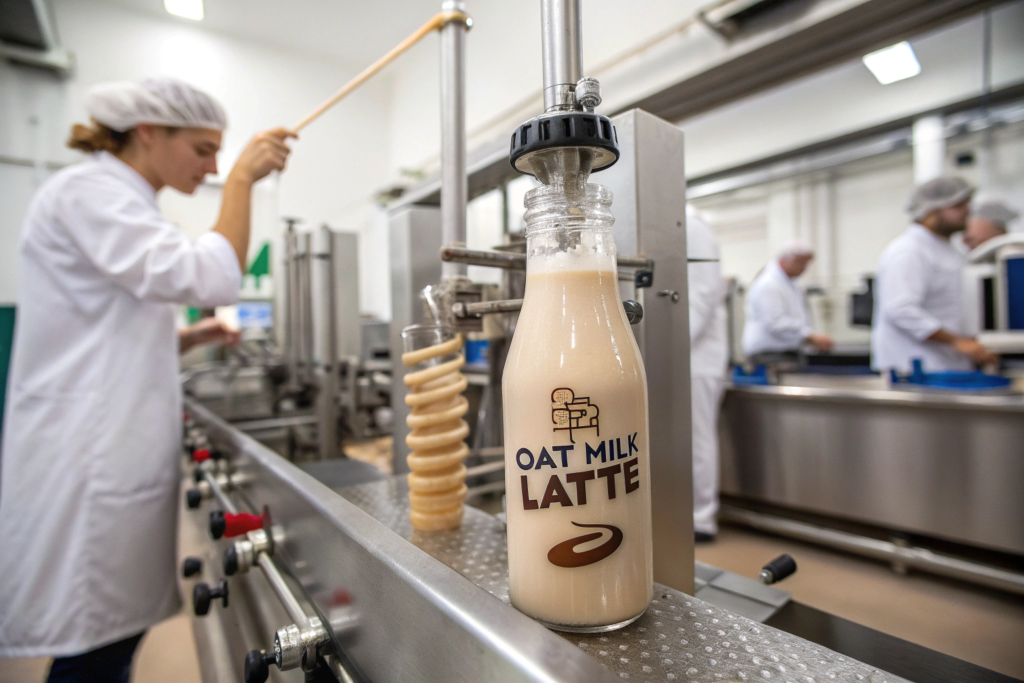
Why did oat milk win the plant-milk war?
Oat milk's victory comes down to one thing: performance. Unlike almond milk, which can be thin and watery, or soy milk, which has a distinct flavor, oat milk has a natural creaminess and sweetness that closely mimics whole milk. It steams well for lattes and doesn't clash with the flavor of the coffee. It creates a rich, satisfying RTD product that doesn't feel like a compromise, which is why it has become the default choice for premium dairy-free coffee drinks.
Are there other plant-based milks on the rise?
While oat milk is king, other players are emerging. Pea milk (using pea protein) is gaining traction for its high protein content and creamy texture. Macadamia milk is a premium option known for its rich, buttery flavor. As the market matures, expect to see more diverse and exotic plant-based milks being used to create unique and targeted RTD coffee products.
What Is the Appeal of Nitro Cold Brew?
For years, RTD coffee was often associated with overly sweet, low-quality Frappuccino-style drinks. Cold brew started to change that, offering a smoother, less acidic black coffee experience. But it was the infusion of nitrogen gas that truly elevated the RTD black coffee category into a premium, craft experience.
Nitro cold brew's appeal lies in its unique, velvety texture and natural sweetness, which creates a rich, satisfying black coffee experience without any sugar or milk. The nitrogen infusion creates a beautiful cascading effect and a thick, creamy head, mimicking the mouthfeel of a stout beer. It transformed a simple can of black coffee into a multisensory, craft beverage.
This was a game-changer. It gave consumers who don't like sweet drinks a sophisticated, grab-and-go option that felt special. The "nitro" process naturally enhances the perception of sweetness, reducing the need for added sugar. The key to a great nitro cold brew is an exceptionally smooth and flavorful coffee concentrate. The coffee has nowhere to hide, so using high-quality, specialty-grade beans is non-negotiable.
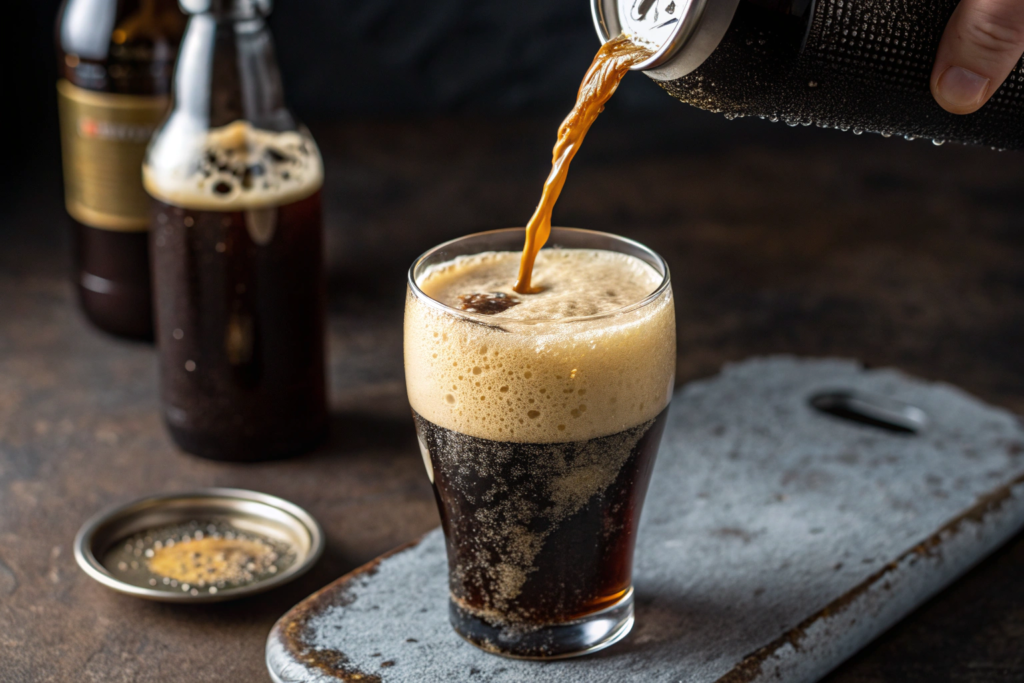
How is nitro coffee made?
It starts with cold brew concentrate, which is made by steeping coarse-ground coffee in cold water for 12-24 hours. This gentle process results in a smooth, low-acid coffee. This concentrate is then diluted and infused with high-pressure nitrogen gas as it's canned. When the can is opened, the pressure is released, and the dissolved nitrogen forms millions of tiny bubbles, creating the signature cascade and creamy head.
Does it have more caffeine?
This is a common misconception. While it's often made from a strong cold brew concentrate, the final caffeine content of a nitro cold brew depends entirely on how much it's diluted. It doesn't inherently have more caffeine than regular coffee. Its "strong" perception comes from its bold flavor and rich texture, not necessarily a higher caffeine level.
Why Is "Clean Label" and Sugar Reduction a Priority?
As consumers have become more health-conscious, they've also become expert label-readers. They are actively avoiding products with long, complicated ingredient lists full of artificial sweeteners, preservatives, and things they can't pronounce. This demand for transparency and simplicity is forcing a major cleanup in the RTD coffee aisle.
"Clean label" is a trend focused on creating products with short, simple, and recognizable ingredient lists. In the RTD coffee space, this means a strong move away from artificial sweeteners, corn syrup, and chemical preservatives, and a major focus on reducing overall sugar content. Brands are finding that "less is more" and that a simple recipe using high-quality ingredients is a powerful marketing tool.
This is a direct rejection of the sugary, dessert-like coffee drinks of the past. The new ideal is a lightly sweetened or unsweetened beverage that highlights the natural flavor of the coffee itself. This, once again, puts immense pressure on the quality of the coffee bean. When you're not hiding behind a wall of sugar and artificial vanilla, your coffee base has to be exceptional. It needs to be naturally sweet, smooth, and flavorful on its own.

How are brands reducing sugar?
Many brands are simply offering unsweetened versions of their popular drinks. Others are using natural, zero-calorie sweeteners like monk fruit or stevia, though the goal is to use them sparingly to avoid a noticeable aftertaste. The most effective method, however, is simply using better coffee. A high-quality, well-brewed cold brew is naturally sweeter and less bitter than hot-brewed coffee, reducing the need for sugar in the first place.
What does this mean for coffee sourcing?
It means that the quality of the raw coffee bean is more important than ever. RTD manufacturers can no longer rely on cheap, low-grade beans and cover up the flavor with sugar and milk powder. To create a successful "clean label" product, they need a coffee partner who can provide a consistent, smooth, and flavorful base. This is a massive opportunity for quality-focused suppliers who can provide traceability and a superior flavor profile.
Conclusion
The ready-to-drink coffee market is no longer the cheap, sugary backwater of the coffee industry. It's a dynamic and innovative space where the worlds of coffee, health, and convenience collide. The trends toward functional benefits, plant-based ingredients, nitro-infusion, and clean labels all point to one undeniable conclusion: quality is king. The modern RTD consumer is sophisticated, and they demand a product that is as good as what they could get in a high-end cafe.
For all of us in the coffee supply chain, this is a call to action. It's an opportunity to innovate and to bring better coffee to more people in more formats. If you are looking to enter this exciting market and need a coffee base that can stand up to these demanding trends, we are ready to help. Contact our specialist, Cathy Cai, at cathy@beanofcoffee.com to discuss your project and source a coffee that will make your RTD product shine.