You're building a coffee menu or sourcing beans for your brand. You know Colombian, Ethiopian, and Brazilian profiles. But there's a new origin quietly captivating the specialty scene: Yunnan, China. Is it just another source, or does it offer something genuinely different? The doubt is real—can coffee from a region more famous for tea compete on the world stage? I've walked our plantations in Baoshan for over a decade, and I can tell you, the answer is a resounding yes. Yunnan Arabica doesn't just compete; it offers a unique profile that solves specific problems for roasters and drinkers.
Yunnan Arabica coffee is uniquely characterized by its remarkably smooth, full body, low to medium acidity presenting as a pleasant winey tang, and dominant flavor notes of dark chocolate, nuts, and subtle spice. This distinctive profile stems from a specific high-altitude terroir, deliberate varietal selection (like Catimor), and processing methods that prioritize balance over extreme brightness.
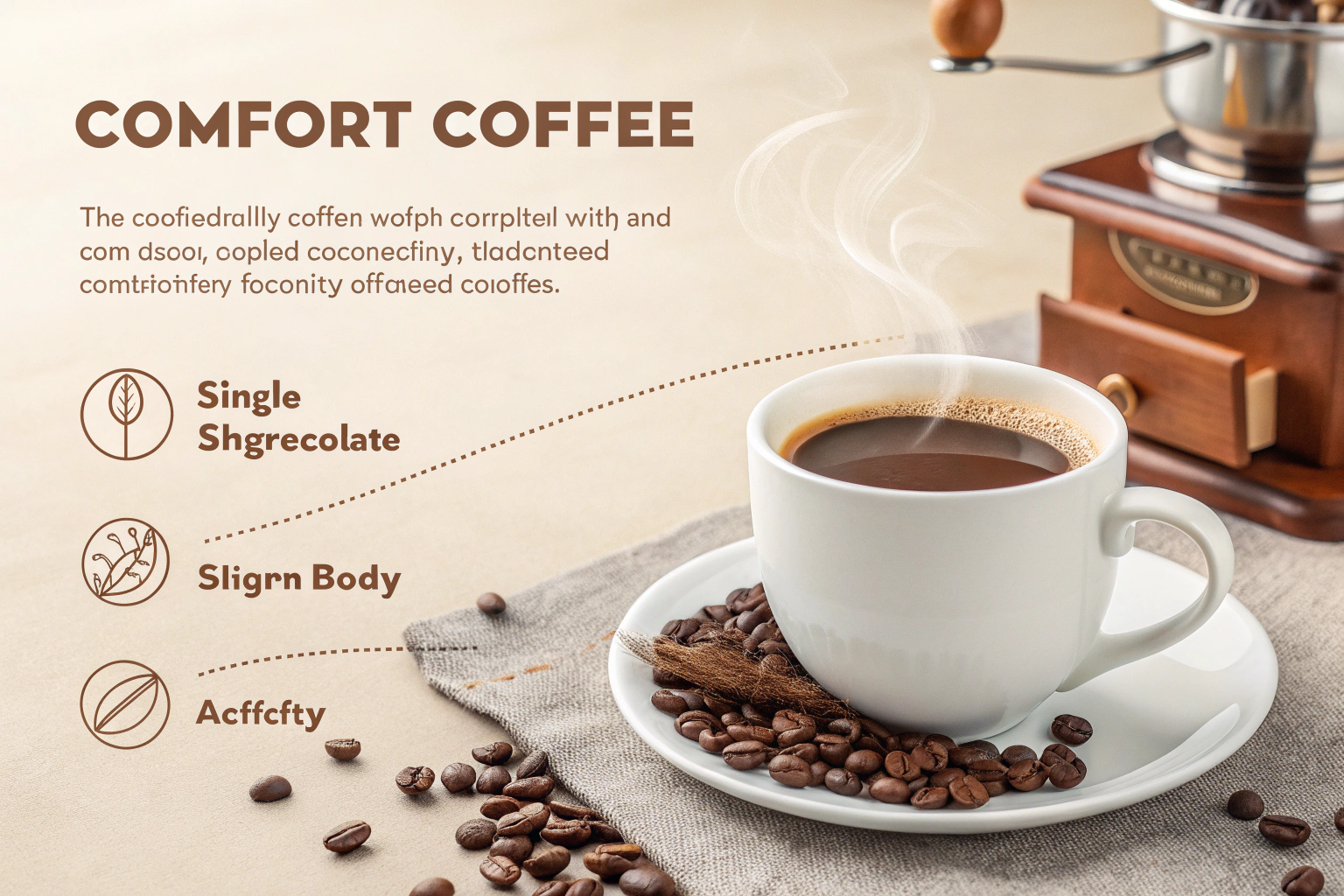
Think of it as the "comfort coffee" of the specialty world. It's complex but not challenging, making it incredibly approachable. For a roaster, this means a bean that's versatile for both single-origin offerings and as a foundational blend component that adds body and chocolate depth without aggressive acidity. Let's explore what makes this happen.
What creates the signature smooth, low-acidity profile?
Acidity is a prized trait in coffee, but for many consumers—and for certain brew methods like espresso or dark roast blends—high acidity can be undesirable. Yunnan Arabica naturally leans towards a smoother cup. This isn't an accident; it's geography and science.
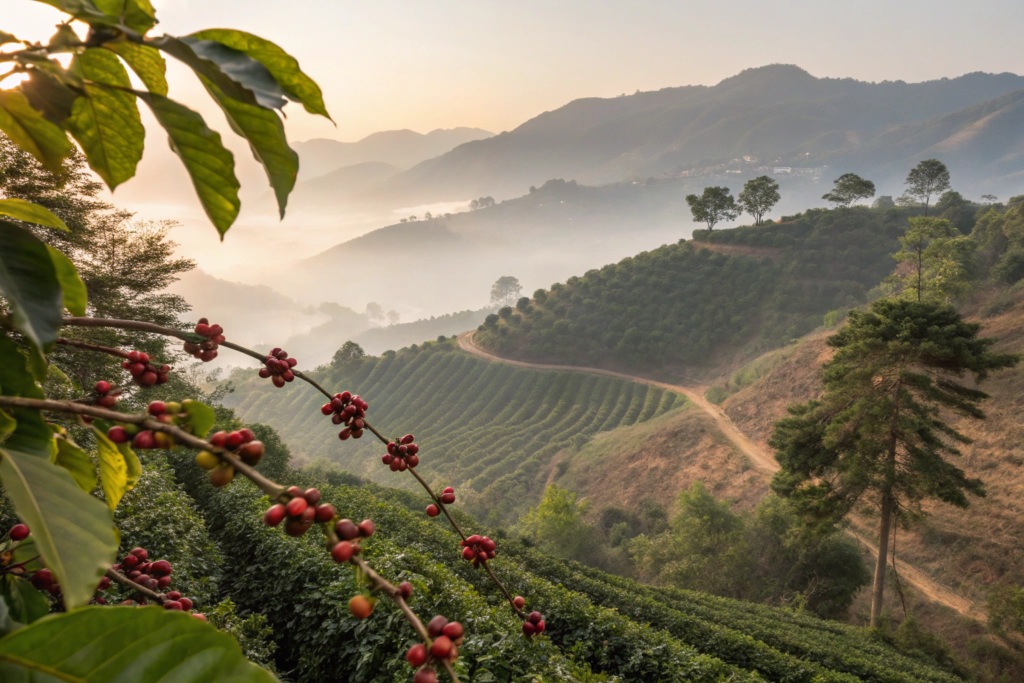
The smooth, low-acidity profile of Yunnan Arabica is primarily created by its growing conditions: high-altitude plateaus (often 1000-1600 meters) with large diurnal temperature swings, combined with mineral-rich soils. These conditions slow cherry maturation, allowing sugars to develop while tempering the formation of certain acidic compounds. It's about the environment. Our farms in Baoshan sit on the same latitude as famous coffee regions but have a unique microclimate.
How does Yunnan's altitude and climate affect bean density and flavor?
Altitude is crucial. But Yunnan's altitude works differently. The region isn't a volcanic mountain chain but a series of high-altitude plateaus and rolling hills. This means plants get intense sunlight for photosynthesis (building sugars) but experience cool, even cold, nights. This large diurnal temperature variation stresses the coffee cherry just enough to slow down maturation. A longer maturation period allows for more complex sugar development in the bean. This results in a high bean density. Dense beans are like hardwoods; they roast more evenly and can develop a deeper, sweeter flavor spectrum, often with more body and less sharp acidity than beans grown in consistently hot climates. It's this density that gives Yunnan coffee its substantial mouthfeel—that "coating" quality that feels rich and satisfying.
Why is the Catimor varietal so prevalent and successful in Yunnan?
You'll hear "Catimor" often with Yunnan coffee. This varietal, a hybrid of Caturra and Timor (which has Robusta lineage), was chosen for a very practical reason: leaf rust resistance. Yunnan's climate, while excellent for flavor, can be humid. Catimor's disease resistance made commercial cultivation viable. But here's the surprise: through careful cultivation at high altitudes and selective processing, Yunnan farmers have coaxed exceptional quality from Catimor. The Robusta heritage, often associated with bitterness, actually contributes to the full body and resilience of the bean. When grown well and roasted properly, Yunnan Catimor loses any negative robusta associations and delivers a clean, chocolaty cup. It's a triumph of agronomy over prejudice. Now, newer, pure Arabica varietals like Typica and Bourbon are also being planted, offering even more nuanced profiles, but Catimor remains the reliable, high-quality backbone of the region's output.
What are the defining tasting notes and mouthfeel?
Tasting notes can sound like marketing, but with Yunnan Arabica, they are remarkably consistent. This predictability is a huge asset for roasters who need to trust their supply.
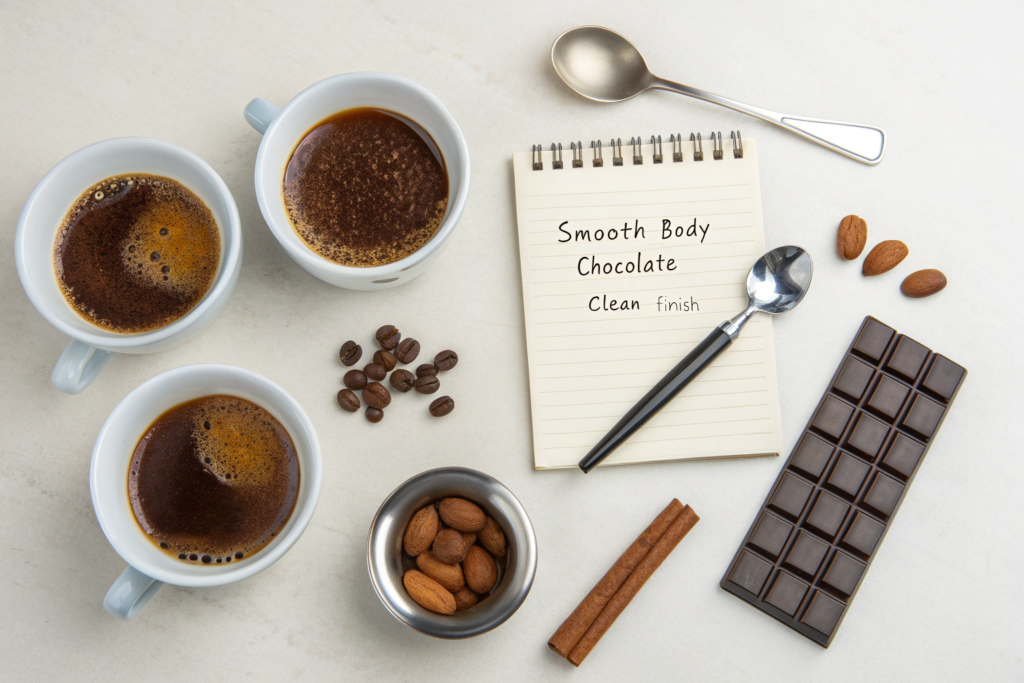
The defining tasting notes for high-quality Yunnan Arabica are dark chocolate (often 70% cacao), roasted nuts (like almond or walnut), and a subtle, earthy spice (reminiscent of sweet cinnamon or cedar). The mouthfeel is consistently described as smooth, round, and full-bodied with a clean finish. This profile is not wildly fruity or floral. It's foundational. It's the flavor of a well-made chocolate bar, not a berry tart.
How does Yunnan coffee perform in espresso versus filter brew?
Its body and low acidity make it an exceptional espresso bean. As a single-origin espresso, it produces shots with a thick, velvety crema, a natural sweetness, and low perceived bitterness. It stands up well to milk, creating chocolate-forward lattes and cappuccinos without being overpowered or turning acidic. This is a key commercial advantage for cafes. In filter methods like pour-over, it shines by offering a clean, weighted cup. The clarity of its chocolate and nut notes comes through without the bright, tea-like lightness of some East African coffees. This makes it appealing to a broader audience who might find highly acidic coffees too "sour" or "sharp." For Shanghai Fumao, we often cup our lots specifically for espresso potential, knowing this is a major selling point for our B2B clients who supply cafes.
What causes the "clean" and "balanced" finish?
The clean finish is a direct result of quality processing. While natural (dry) processed beans can have funky, wild notes, Yunnan has excelled at washed (wet) processing. Washed processing removes the fruit mucilage quickly after depulping, leading to a cup that highlights the bean's inherent characteristics rather than fruit fermentation flavors. The water in Yunnan's mountainous regions is pure and soft, which aids in producing a clean-tasting bean. Furthermore, the disciplined sorting and drying practices on modern farms mean fewer defects (like quakers or insect-damaged beans) make it into the final bag. Fewer defects mean fewer off-flavors. The balance comes from the harmony of its attributes: enough sweetness to support the chocolate, enough acidity to lift it but not dominate, and a body that carries it all without being thin or muddy.
How does Yunnan coffee ensure supply stability and consistency?
For a commercial buyer, unique flavor is great, but it's worthless if you can't get it reliably, or if one batch tastes completely different from the last. This is where Yunnan's modern agricultural approach creates a massive operational advantage.
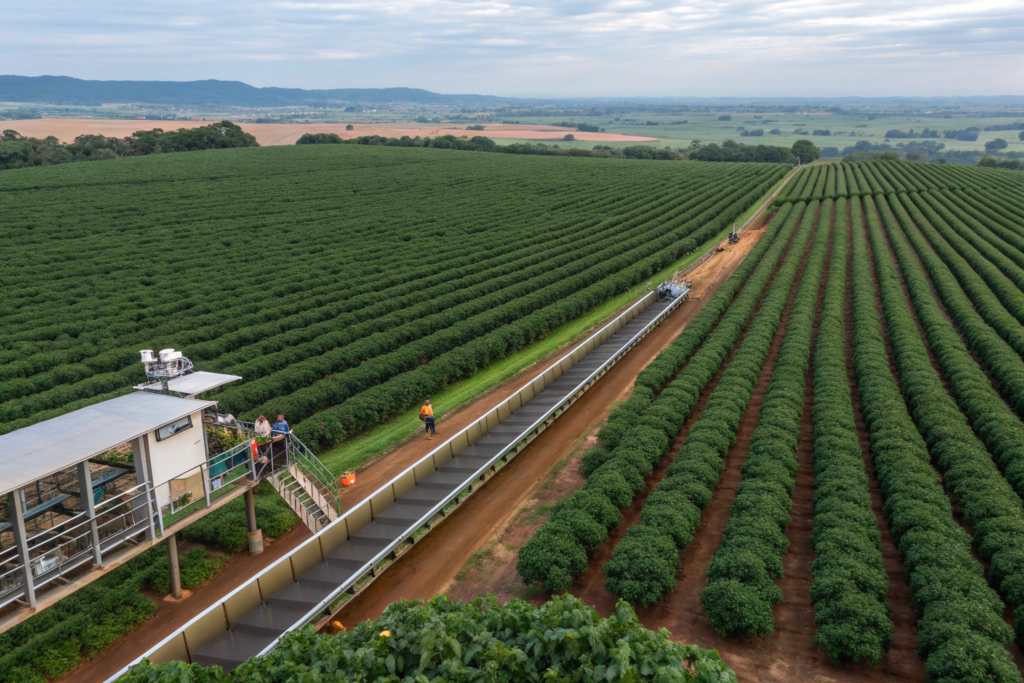
Yunnan coffee ensures supply stability and consistency through large-scale, vertically-integrated plantation models (like ours), combined with government and corporate investment in agricultural technology, standardized processing, and a focus on year-round quality control, not just seasonal harvesting. We don't just grow coffee; we engineer its reliability. With over 10,000 acres, we can guarantee volume and uniformity that smallholder-dominated regions struggle to match.
What role does vertical integration play in quality control?
Vertical integration means we control—and can quality-check—every single step: from selecting the seedlings for our nurseries, to managing fertilization on the farm, to running our own washing stations and patios, to final dry-milling and grading in our facility. This control is transformative. We can enforce a single, high standard across thousands of acres. We can process cherries within hours of picking, ensuring perfect fermentation. We can blend micro-lots from different parts of our estate to achieve a target flavor profile and maintain it year after year. For a buyer, this translates to minimal risk. You are not dealing with a co-op of 100 small farmers with varying practices; you are dealing with one responsible entity, Shanghai Fumao, that delivers a uniform product. Your recipe stays the same. Your customer's experience stays the same.
How does the harvest and processing cycle support reliable export?
Yunnan has one main harvest, typically from November to March. This concentrated cycle actually aids consistency. It allows us to focus all our processing resources and quality control efforts on a defined period, ensuring every batch is handled under optimal conditions. After processing, the stable, green beans can be stored in our climate-controlled warehouses for year-round export. Unlike regions with multiple, variable fly-crops, our annual harvest gives us a large, homogeneous stock to draw from. Our logistics are predictable. We can offer CIF or FOB shipments every month because we have the inventory and the system to support it. This reliability in timing and quality is perhaps the most underrated but critical "quality" we offer to international buyers who cannot afford supply chain surprises.
Why is Yunnan Arabica a strategic choice for global brands?
Beyond the cup, choosing an origin is a business decision. Yunnan Arabica presents a compelling strategic proposition in today's market, addressing trends from sustainability storytelling to supply chain diversification.
Yunnan Arabica is a strategic choice because it offers a new, authentic origin story for marketing, provides a reliable and politically stable supply chain from China, and meets growing demand for traceable, sustainably-grown coffee from a non-traditional region.
How does it fit the "Single-Origin" and "Traceability" demand?
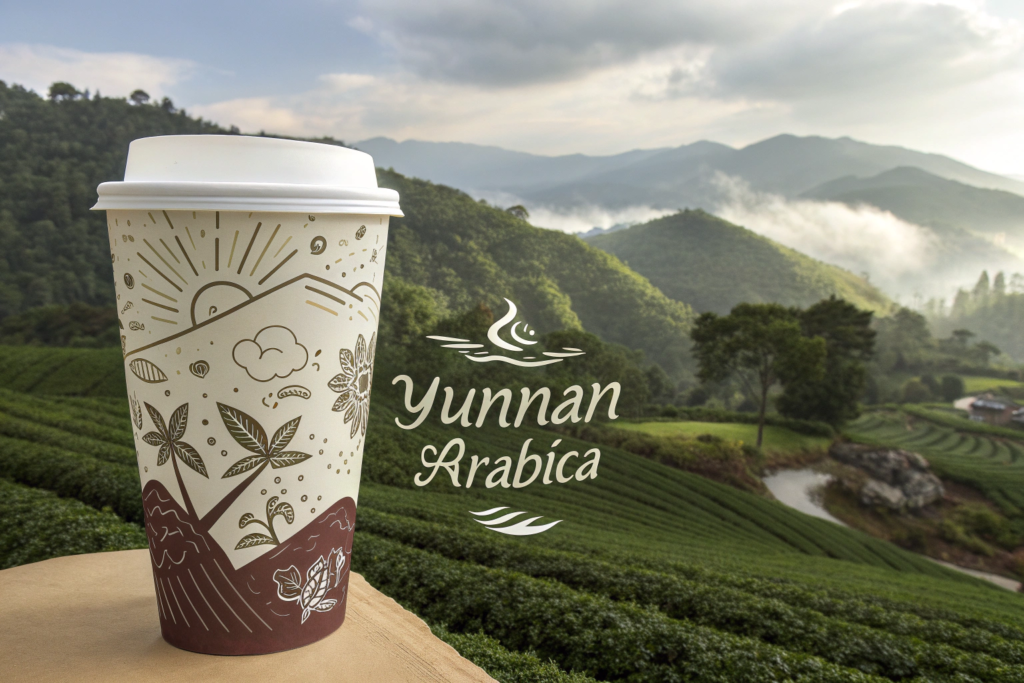
Consumers and roasters want stories. "Yunnan, China" is a captivating narrative—the rise of a quality coffee region in the land of tea. It’s fresh and intriguing. More importantly, our model enables radical traceability. We can tell you the exact valley, harvest date, and processing batch for your beans. This level of detail is a powerful marketing tool for a roaster's own brand. They can move from a generic "Arabica Blend" to "Single-Origin Yunnan Catimor, Lot #BA-23-110" with full confidence in the backstory. This transparency builds brand equity and justifies a premium price.
Is Yunnan coffee positioned for organic and sustainable growth?
Absolutely. The region is relatively new to intensive coffee farming, meaning the soil is less depleted. There is a strong institutional push for sustainable and organic practices. Many farms, including sections of our own, are already certified or in conversion. The Chinese market itself has a booming demand for premium, safe, and sustainably-produced food and drink. By sourcing from Yunnan, a global brand is not just buying coffee; it's participating in the development of a more sustainable agricultural model from its early stages. This is a powerful narrative of partnership and positive impact, aligning with modern ESG (Environmental, Social, and Governance) goals that large corporate buyers increasingly require.
Conclusion
The unique qualities of Yunnan Arabica coffee are a powerful blend of sensory and commercial advantages. In the cup, it delivers a reliably smooth, chocolate-driven profile with a substantial body that appeals to a wide range of palates and excels in espresso. In the boardroom, it offers the stability, consistency, and traceability that modern coffee businesses need to de-risk their supply chain and build compelling brand stories.
It is more than just a new origin; it's a complete and professionalized package. For roasters tired of volatility, for brands seeking a new narrative, and for consumers desiring a comforting yet sophisticated cup, Yunnan Arabica presents a unique and formidable option.
If you are a buyer interested in exploring the consistent, high-quality, and uniquely profile of Yunnan Arabica or Catimor from a direct, vertically-integrated source, we invite you to request samples and technical data sheets. Contact our Export Manager, Cathy Cai, to start the conversation: cathy@beanofcoffee.com. Discover the taste of a new coffee frontier.