"Cathy, I'm cupping a sample from a new supplier—not you, don't worry!—and it's just... bitter. Not in a good, dark chocolate way, but in a harsh, 'burnt tire' way. It coats my whole palate and I can't taste anything else. I know coffee has some bitterness, but this is different. What causes that? How do I avoid it in my own sourcing and roasting?" This question from Ron is one of the most fundamental in all of coffee. Bitterness is coffee's ever-present shadow. A little bit provides pleasant depth and balance, like the bitterness in dark chocolate or an IPA. But too much, or the wrong kind, is a major defect that can ruin an otherwise great bean.
Bitterness in coffee is primarily caused by two factors: the inherent presence of chemical compounds like chlorogenic acids and caffeine in the green bean, and, more significantly, the over-extraction of these and other compounds during brewing or the over-development of them during roasting. While a certain level of bitterness is essential for a balanced cup, excessive, harsh bitterness is almost always a sign of a flaw in the roasting or brewing process.
Understanding the root causes of bitterness is a critical skill for any serious coffee buyer. It allows you to diagnose problems, provide better feedback to your roasters, and educate your customers. At Shanghai Fumao, we don't just grow beans; we study them. We've learned that managing bitterness is a delicate dance that starts on the farm and ends in the cup. Let's break down where this powerful sensation comes from and how to control it.
Where Does Bitterness Naturally Come From?
Before we point fingers at the roaster or the barista, it's important to acknowledge that coffee beans are naturally bitter. It's part of their genetic makeup. This bitterness served an evolutionary purpose, acting as a defense mechanism to deter pests from eating the coffee cherries. So, a completely bitterness-free coffee is not only impossible, but it would also taste bland and unbalanced.
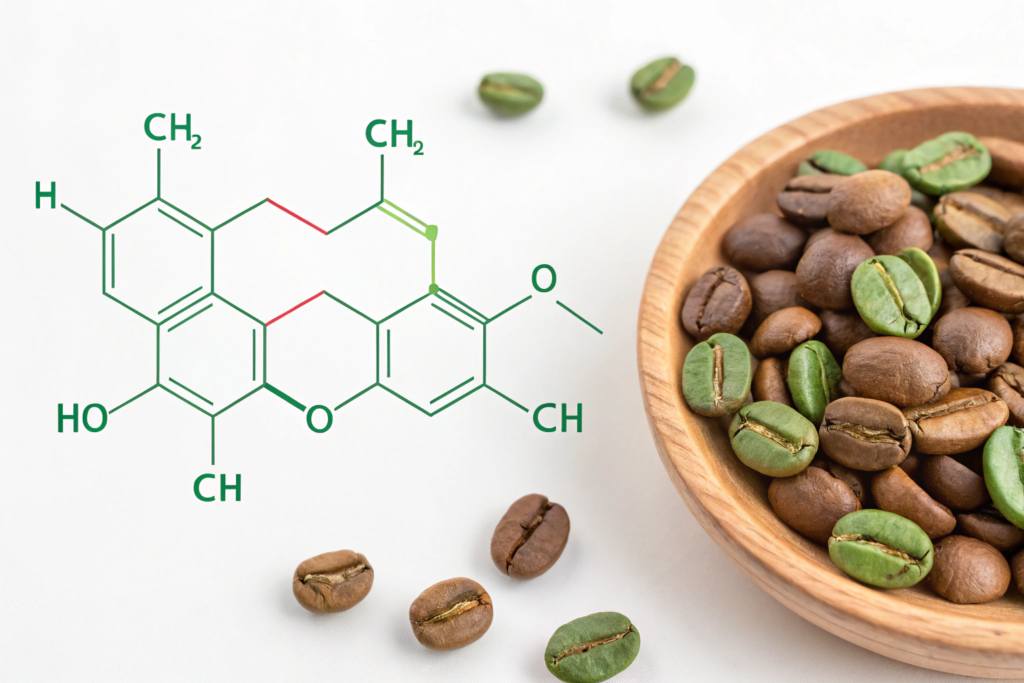
The two main classes of chemical compounds responsible for this inherent bitterness are Chlorogenic Acids (CGAs) and Alkaloids, most famously, Caffeine. These compounds are present in the green, unroasted bean and form the baseline level of bitterness that is later transformed by the roasting process.
Let's dive a little deeper into these natural components. Chlorogenic Acids (CGAs) are a major component of green coffee, making up as much as 8% of its dry weight. In their raw state, they don't taste intensely bitter, but they are crucial because of what happens to them during roasting. Caffeine, on the other hand, is a well-known alkaloid that contributes a consistent, low-level bitterness to the final cup. It's a stable compound that is not destroyed by roasting. So, what does this mean? It means that every coffee has a "bitterness potential" locked inside it from the very beginning.
Does Varietal Matter?
Yes, significantly. This is a detail that often gets overlooked. Robusta beans have a much higher concentration of both caffeine (often double) and chlorogenic acids compared to Arabica beans. This is a primary reason why Robusta coffee is perceived as being much more bitter and harsh than Arabica. It's not just a matter of opinion; it's a measurable chemical difference. When you choose an Arabica bean from our farms, you are starting with a foundation that has a lower, more pleasant bitterness potential. This is a key sourcing decision that impacts the final cup.
What Happens to CGAs During Roasting?
This is where things get interesting. During roasting, CGAs break down. This is a good thing! As they degrade, they form other compounds, including quinic and caffeic acids. In a light or medium roast, this breakdown contributes to the coffee's desirable acidity and complexity. However, as the roast gets darker, these degradation products themselves begin to contribute a sharp, unpleasant bitterness. So, the roaster's job is not to eliminate CGAs, but to transform them perfectly. It's a delicate chemical balancing act.
How Does Roasting Create Harsh Bitterness?
You've sourced a beautiful, low-bitterness-potential Arabica bean. Now, it's in the hands of the roaster. This is the stage where desirable bitterness can be cultivated, or where harsh, unpleasant bitterness can be created. A common misconception is that bitterness simply increases with roast time. The reality is more complex.
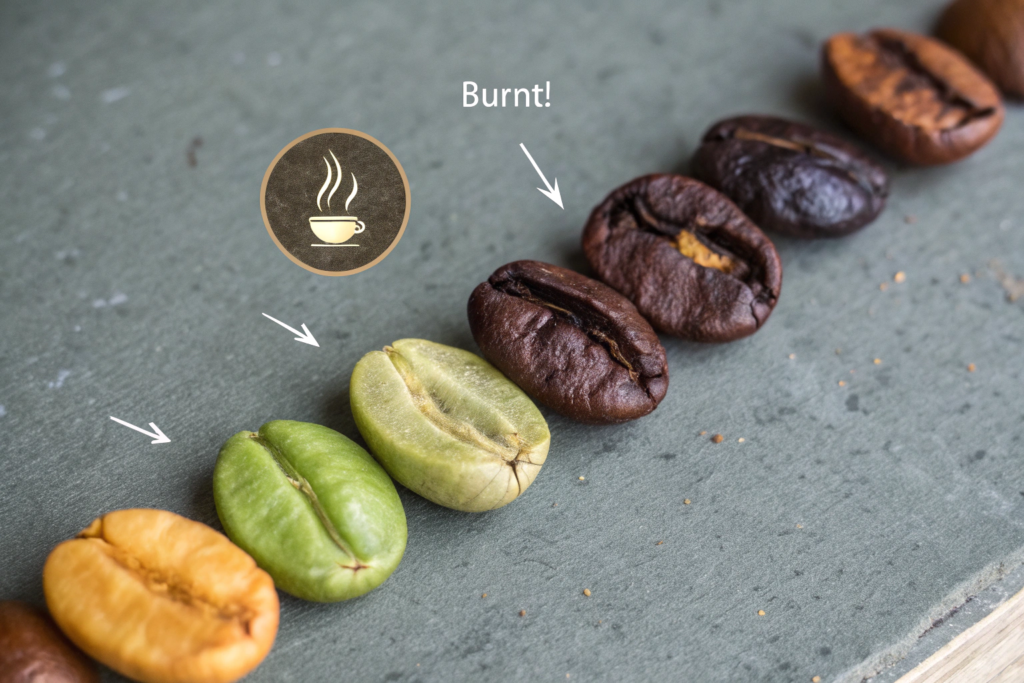
Over-roasting is the most common cause of harsh, acrid bitterness in coffee. As the roast progresses into dark territory (past the "second crack"), the bean's internal structure begins to carbonize and burn. This process destroys the delicate sugars and acids that provide balance, while creating high concentrations of bitter-tasting compounds like phenylindanes, which are responsible for that classic "burnt" flavor.
Think of it like toasting bread. A light toast is sweet and complex. A medium toast is satisfyingly roasty. But leave it in for 30 seconds too long, and you get a piece of black, bitter carbon. The same thing happens to a coffee bean. The roaster's job is to stop the roast at the precise moment that sweetness, acidity, and desirable bitterness are in perfect harmony, before the destructive, carbonizing reactions take over. A roaster who isn't paying close attention, or who intentionally roasts extremely dark to hide lower-quality beans, is actively creating this unpleasant bitterness.
What Are Phenylindanes?
This is a key term for understanding roast-induced bitterness. Phenylindanes are bitter compounds that are formed from the breakdown of chlorogenic acids, but they only appear in significant amounts in dark and over-roasted coffees. They are known for producing a lingering, harsh bitterness that coats the palate. If you taste a coffee that leaves a powerful, unpleasant bitter aftertaste, you are likely tasting the work of phenylindanes. For a deeper dive into the chemistry, the Specialty Coffee Association (SCA) has extensive research on this topic.
Is "Roasty" the Same as "Bitter"?
Not exactly, but they are related. The "roasty" flavor comes from the caramelization of sugars and the Maillard reaction. In a good medium-to-dark roast, this is a pleasant, complex flavor. However, as the roast continues, those reactions go too far, turning into carbonization. So, while a little "roastiness" is good, it's a sign that you are approaching the edge of the cliff that leads to overwhelming bitterness.
How Does Brewing Lead to Over-Extraction Bitterness?
Let's say you have a perfectly sourced and perfectly roasted bean. You can still end up with a terribly bitter cup of coffee. Why? Because of the final step: brewing. The way you brew coffee is a process of extraction, and it's very easy to get it wrong.
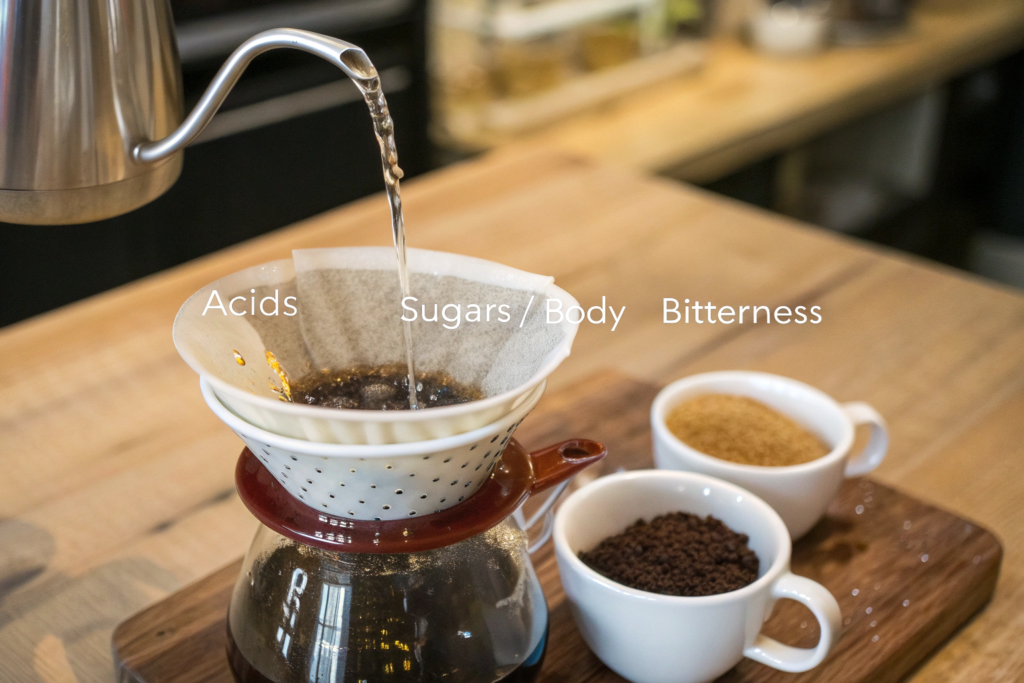
Over-extraction during brewing is a major cause of bitterness. This happens when the water is in contact with the coffee for too long, is too hot, or when the coffee is ground too fine. This causes the water to dissolve not just the desirable sugars and acids, but also the less soluble, more bitter compounds from deep within the coffee grounds. Think of brewing as a timed extraction. The different flavor compounds dissolve at different rates.
| Extraction Phase | Compounds Dissolving | Flavor Profile |
|---|---|---|
| Beginning | Fruity acids and salts | Sour, salty |
| Middle | Sugars and oils | Sweet, balanced |
| End | Heavier organic compounds, phenylindanes | Bitter, astringent |
The goal of good brewing is to stop the process right after you've extracted the sugars but before you've started to pull out too much of that final, bitter phase. If your brew runs too long or your grind is too fine (creating more surface area), you will inevitably over-extract and get a bitter cup.
Why Does Grind Size Matter So Much?
Grind size is all about controlling the extraction time. A finer grind has more surface area, so the water extracts flavors from it much more quickly. If you use a fine, espresso-style grind in a French press (which has a long brew time), you will create a bitter, over-extracted mess. You must match the grind size to the brew method. It's one of the most critical relationships in coffee brewing, as explained in many brewing guides.
Can Water Temperature Cause Bitterness?
Yes. Water that is too hot (e.g., boiling, at 100°C / 212°F) acts as a more aggressive solvent. It will extract all the compounds, including the bitter ones, much faster. This can easily lead to over-extraction and a harsh, bitter cup. The ideal temperature range is typically 90-96°C (195-205°F), which is hot enough for efficient extraction but not so hot that it scorches the coffee and rapidly pulls out the bitter elements.
Conclusion
Bitterness is an integral part of the coffee experience, but it's a double-edged sword. The natural, inherent bitterness from compounds like caffeine provides a foundation. The roaster then skillfully transforms chlorogenic acids to build complexity and depth. Finally, the barista or home brewer carefully extracts the sweet spot, stopping just before the harsh, unpleasant bitterness comes flooding out.
When you taste that undesirable, acrid bitterness, you are tasting a failure at one of these stages. It's either the result of an over-roasted bean, where the sugars have been carbonized, or an over-extracted brew, where the water has been allowed to steal too much from the grounds.
Understanding this allows you, as a buyer, to become a coffee detective. You can taste a bitter cup and diagnose the likely culprit. Was it roasted too dark? Was it ground too fine? This knowledge empowers you to have more intelligent conversations with your suppliers and roasters, and ultimately, to have more control over the quality of your final product.
We encourage you to embrace the good bitterness and reject the bad. It starts with sourcing high-quality Arabica with a lower bitterness potential. If you're ready to start with a better foundation, please contact our head of client relations, Cathy Cai, at cathy@beanofcoffee.com. Let's create a perfectly balanced cup together.