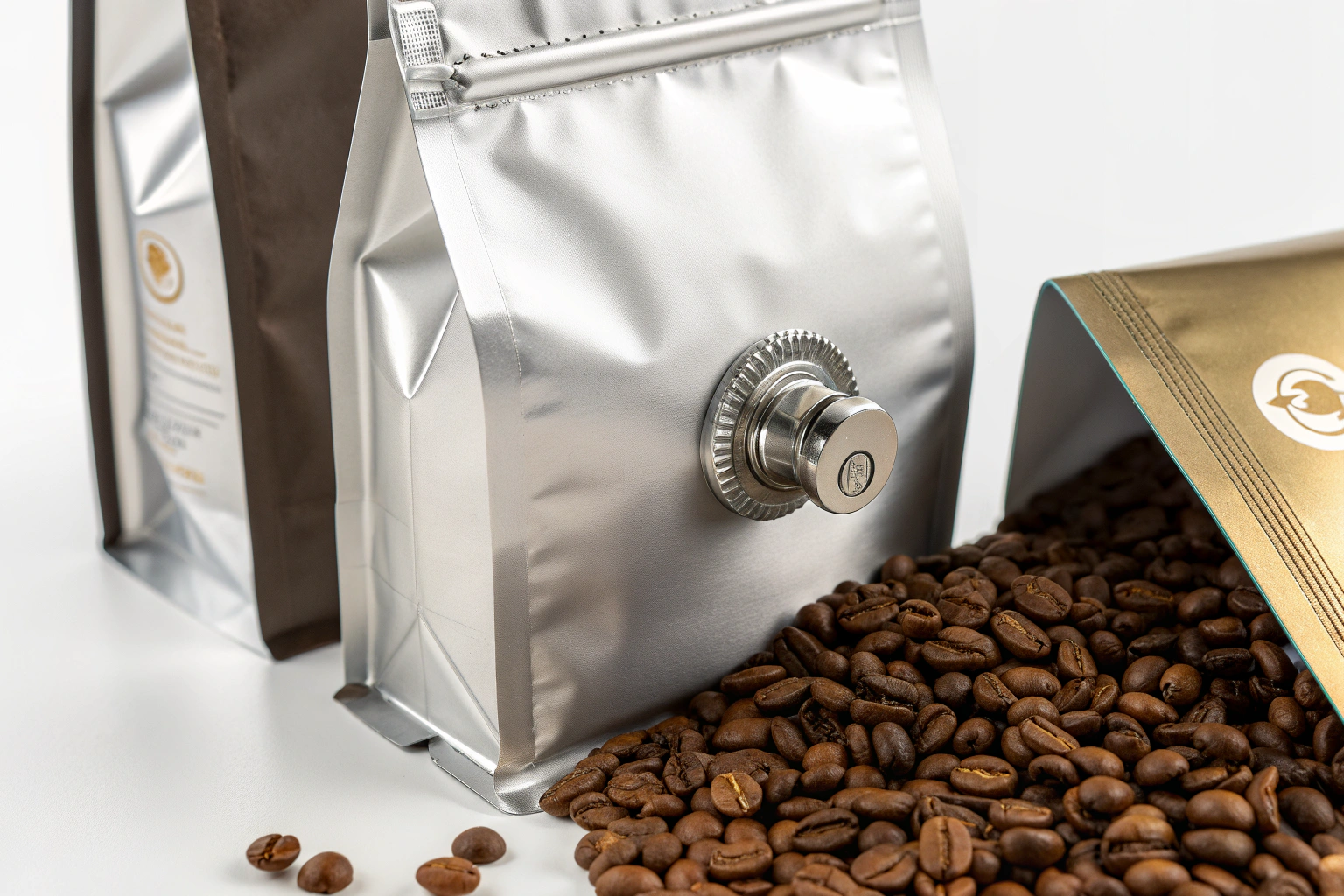
You just roasted a perfect batch of coffee. The aroma is incredible. Now, you pour it into a bag. This simple act will determine whether your customer tastes that perfection in a week, a month, or never. The wrong package is a one-way ticket to stale, flavorless coffee. It's the final, critical step that can make or break all your hard work.
The best packaging for roasted coffee beans is packaging that actively fights its three biggest enemies: oxygen, moisture, and light. While there are many options, one type stands above the rest for preserving freshness: foil-lined bags with a one-way degassing valve. This combination creates a protective barrier while safely allowing CO2 to escape, preventing the bag from bursting and keeping oxygen out.
But why is this specific combination so effective, and what should you look for when choosing it? The answer lies in understanding the science of coffee degassing and the relentless chemistry of staling. Let's unpack the details.
Why is Oxygen the Ultimate Enemy of Fresh Coffee?
Open a bag of fresh coffee and leave it on the counter for a day. Taste it tomorrow. The vibrant notes will be gone, replaced by a flat, dull character. That's oxygen at work, and it's a destructive process that begins the moment roasting ends.
Oxygen is the primary catalyst for staling. It causes oxidation, a chemical reaction that breaks down the volatile aromatic compounds and fragrant oils that give coffee its complex flavor and aroma. This process starts quickly and is largely irreversible.
What is Oxidation and How Does it Steal Flavor?
Imagine cutting an apple and watching it turn brown. That's oxidation. In coffee, the same thing happens to the delicate flavor molecules. The oxygen attacks the oils, making them rancid, and dismantles the subtle compounds that create notes of fruit, chocolate, or nuts. The result is a generic, woody, or cardboard-like taste. This is why the shelf life of coffee is a direct race against oxygen exposure.
How Can You Actively Remove Oxygen?
The most effective method is flushing the bag with an inert gas before sealing. Nitrogen is the industry standard because it's non-reactive, abundant, and cheap. By displacing the oxygen-rich air inside the bag with nitrogen, you create a protective atmosphere that dramatically slows down staling. Many professional packagers, including us when we ship our roasted Yunnan selections, use this technology. It's a key part of modern coffee packaging science.
What is the Critical Role of the One-Way Degassing Valve?
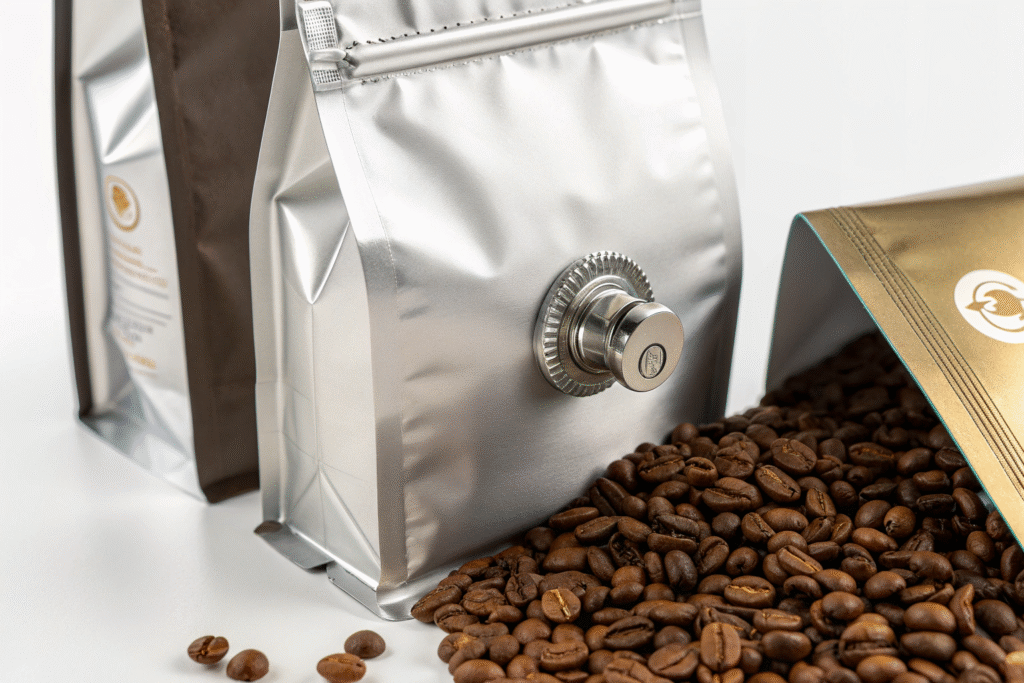
Here's a paradox: you need to keep oxygen out, but freshly roasted coffee produces a lot of CO2 gas that needs to get out. If you seal the bag completely, it will inflate like a balloon and potentially burst. The solution is a brilliantly simple one-way valve.
A one-way degassing valve is a small patch on the bag that allows CO2 to escape from inside the package without letting any external oxygen back in. This solves the packaging paradox perfectly, protecting the beans during the crucial degassing period after roasting.
How Much CO2 Do Beans Really Produce?
A lot. In the first 24 hours after roasting, beans can release up to 50% of their total CO2. They continue to degas significantly for about a week, and slowly for weeks after. Without a valve, this pressure would either rupture the seal or force the bag open, allowing oxygen to flood in. The valve makes shelf-stable, fresh coffee possible. It is a non-negotiable feature for any serious coffee roaster.
Can You Package Beans Immediately After Roasting?
You can, but you shouldn't. Packaging too soon means an overwhelming amount of CO2 will be released, which can actually push out the protective volatile aromatics along with the gas—a phenomenon called "outgassing." Most roasters wait 4 to 12 hours post-roast before packaging. This allows the most aggressive degassing to occur while the beans are still in a controlled environment, preserving more of the precious flavor compounds. This timing is a key part of the roasting process.
Which Bag Materials Best Protect Against Light and Moisture?
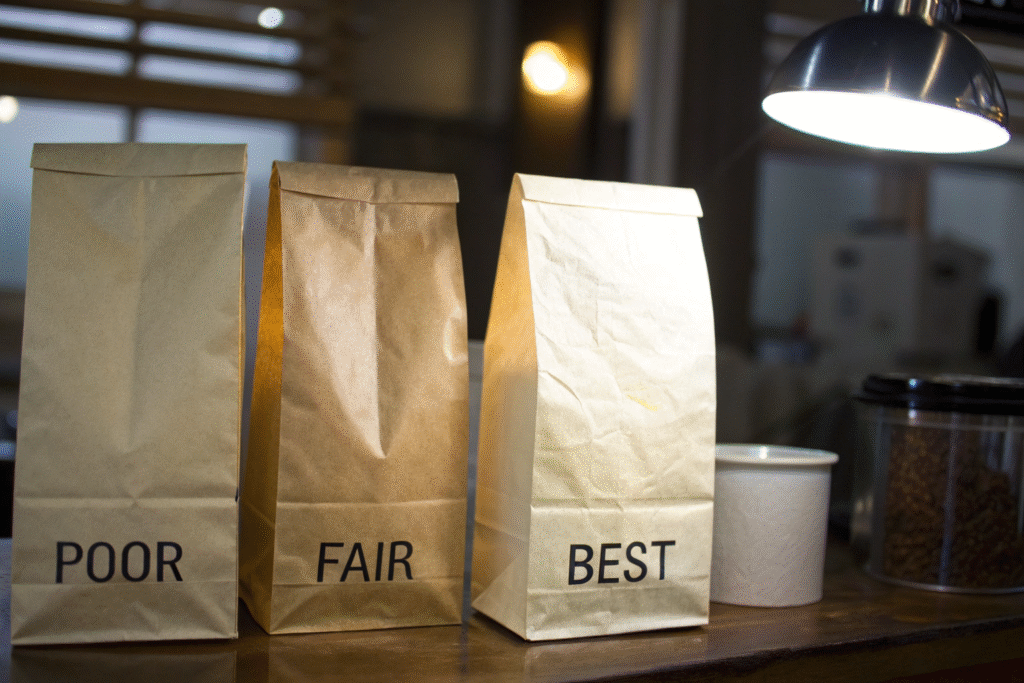
The valve handles the gas, but the bag itself must form a robust shield. The material needs to be a barrier to moisture, which causes mold and staleness, and to light, which degrades the oils. A simple paper bag fails on all fronts.
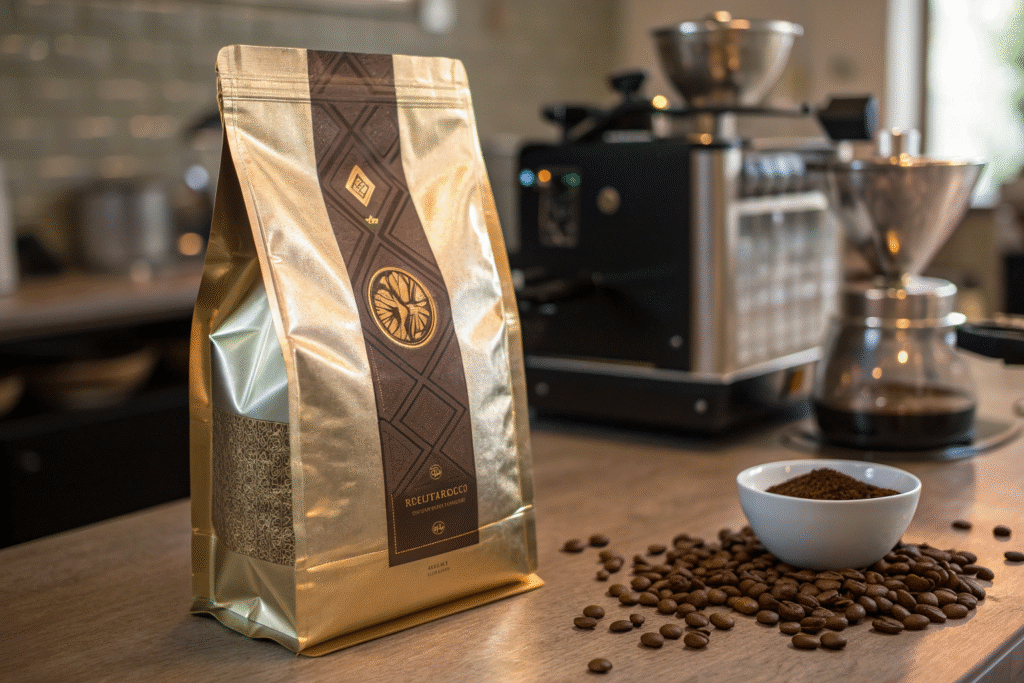
Multi-layer laminated bags, typically featuring a foil layer, provide the best overall protection. The foil acts as an impermeable barrier to oxygen, moisture, and light, while the outer layer provides strength and a printable surface for branding.
Are There Eco-Friendly Alternatives to Foil?
Yes, and this is a growing area of innovation. While foil is the gold standard for barrier properties, some companies now produce high-barrier plastics and metallized films that are recyclable in certain streams. Another option is compostable bags made from plant-based polymers, though their barrier properties are generally not as effective or long-lasting as foil. The choice often comes down to a balance between maximum freshness preservation and environmental goals.
How Important is Opaqueness?
Vitally important. Light, especially UV light, is a source of energy that accelerates the oxidation of oils. Think of it like leaving a bottle of olive oil in the sun. An opaque bag, or one that blocks specific light wavelengths, is essential. This is why you rarely see clear bags used for quality coffee. Blocking light is a simple, passive, but highly effective way to extend the coffee freshness timeline.
What About Practical Considerations for Roasters and Brands?
The best technical package is useless if it's impractical for your business. You need to consider cost, branding space, functionality, and how the package aligns with your customer's experience.
Beyond pure preservation, the ideal packaging must be cost-effective to source, easy to fill and seal, durable for shipping, and offer ample, high-quality space for branding and required legal information.
What Size and Seal Type is Most Practical?
For roasters, stand-up pouches with a zipper seal are the industry standard. They are space-efficient for shipping and storage, and the resealable zipper offers convenience for the consumer after the initial opening. While the zipper isn't a perfect oxygen barrier, it's far better than rolling the top of the bag down and clipping it. For us at BeanofCoffee, when we ship our retail-ready products, this is the format we use to ensure our brand presentation matches the quality inside.
How Does Packaging Influence Brand Perception?
Your bag is your number one marketing tool on the shelf. A flimsy, poorly designed bag subconsciously tells the customer that the coffee inside is also low-quality. A sturdy, well-designed bag with a functional valve and high-quality materials communicates professionalism and a commitment to quality. It builds trust before the customer has even brewed a single cup. Investing in good packaging is an investment in your brand identity and customer retention.
Conclusion
The "best" packaging is a multi-layered system designed for one purpose: to deliver the roaster's craft directly to the brewer's cup. It starts with a foil-lined body to block oxygen, moisture, and light. It relies on a one-way degassing valve to manage CO2. And it's perfected with practical features like a zipper and a design that builds brand trust.
There is no single perfect bag for everyone, but the principles are universal. Prioritize barrier properties first, then functionality, then aesthetics. For roasters and brands, this isn't just a cost—it's the final, crucial step in the quality chain. If you are looking for a supplier who understands this chain from seed to cup, from green bean packaging to roasted coffee presentation, talk to us. Contact our export manager, Cathy Cai, at cathy@beanofcoffee.com to learn how we support our partners with quality products and insights.