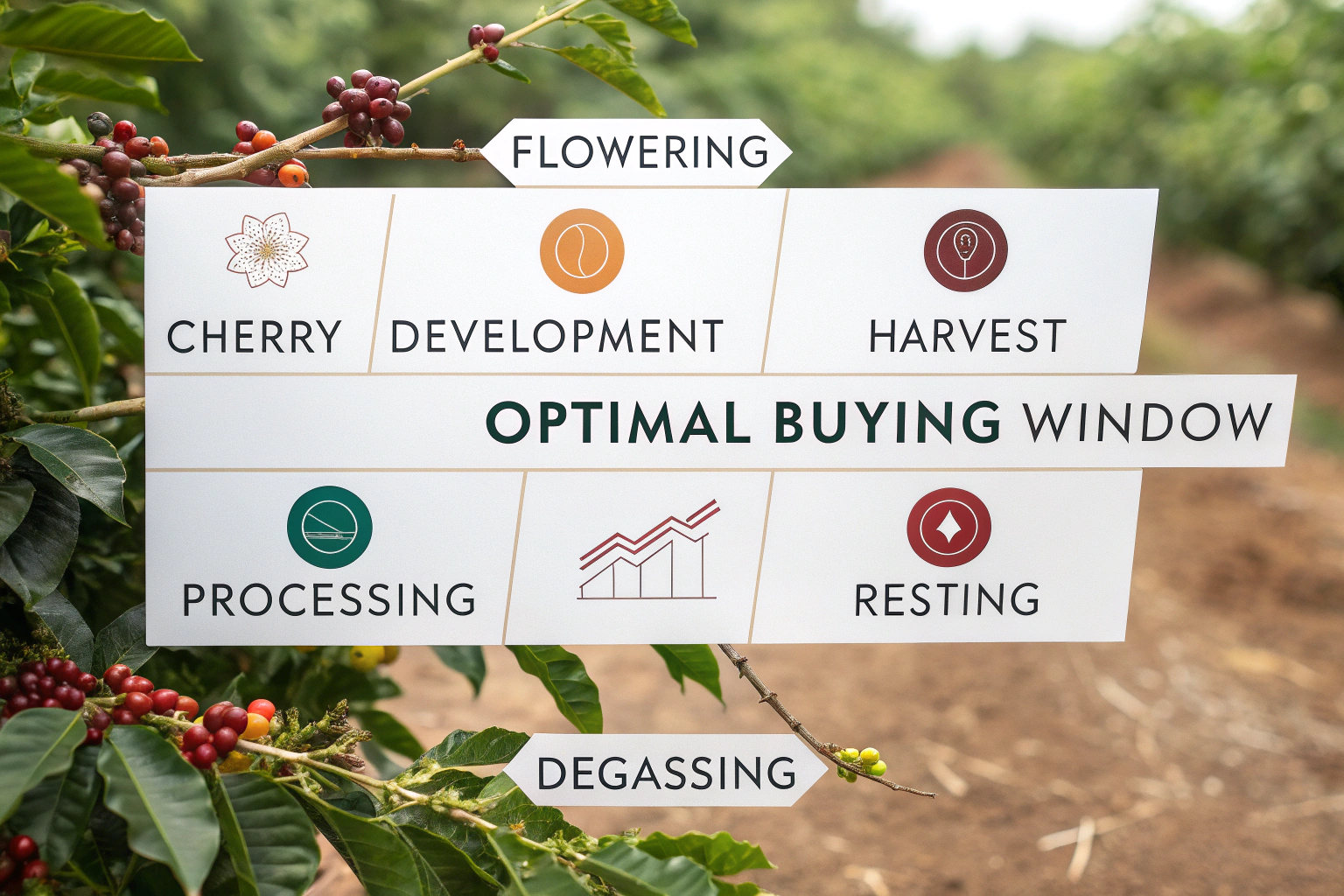
If you've ever ordered a "new crop" coffee only to find it tastes grassy, sour, or just flat, you're not alone. Timing is everything in coffee, and buying too fresh can be just as disappointing as buying old stock. So, when is the sweet spot? The absolute best season to buy fresh crop coffee isn't a single month—it's a strategic window that depends on a critical, often overlooked process: resting and degassing. The optimal time is typically 3-6 months after the main harvest and processing, when the beans have stabilized but still retain their vibrant, fresh-crop character.
Here's why this matters: coffee beans are not a static product. They are live seeds undergoing complex chemical changes after roasting, but crucially, also before roasting. When coffee is first dried and milled (becoming "new crop"), it's bursting with carbon dioxide (CO2) and volatile compounds. This hyperactive state makes it extremely difficult to roast evenly and can lead to those underwhelming, baked, or acidic flavors. The beans need a period of quiet maturation in a controlled environment—this is "resting."
At BeanofCoffee, we don't just harvest and ship. We manage this resting period as part of our quality protocol. Our Yunnan Arabica harvest wraps up in late winter. We then process, mill, and store the green beans in our climate-controlled warehouses, allowing them to settle before offering them to buyers in the late spring and early summer. This means when you receive our "new crop," it's ready to perform, not just ready to ship.
Let's break down the annual coffee cycle and pinpoint the strategic buying windows for you.
Why is There a "Resting Period" After Harvest?
Think of freshly processed green coffee like a fine wine just bottled. It's too young, too aggressive. The resting period (also called "reposo" or "stabilization") is when the coffee's flavor potential actually coalesces. During this time, several key things happen:
- Moisture Equalization: After drying, moisture within the bean and between beans can be uneven. Resting in a stable environment allows this moisture to equalize throughout the batch, leading to vastly more uniform roasting.
- CO2 Off-Gassing: The beans release a significant amount of the carbon dioxide built up during processing. High internal CO2 can physically resist the infusion of heat during roasting, causing an uneven development.
- Flavor Mellowing and Integration: Some of the harsher, more vegetal notes (chlorogenic acids) break down, while desirable sugars and aromatic precursors stabilize. The coffee's inherent flavor profile—its terroir and process notes—becomes clearer and more defined.
Skipping this rest is like baking a cake before the ingredients are fully mixed. You might get something edible, but you won't get the intended, balanced result. This is why the freshest possible green coffee is often the most problematic for a roaster.
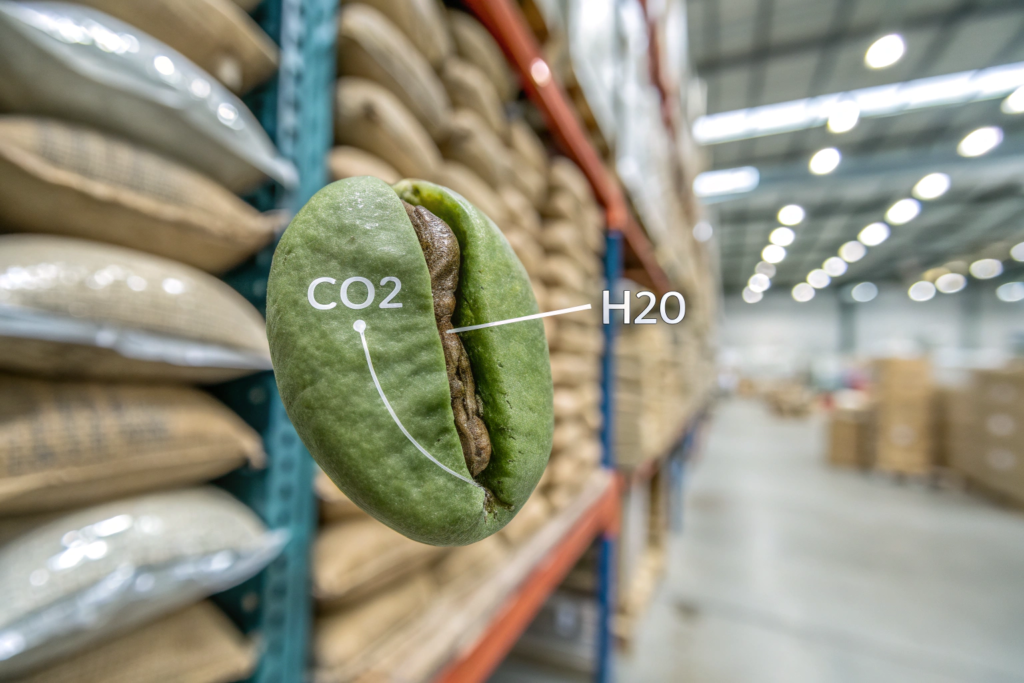
What Happens Chemically Inside the Bean After Processing?
The chemistry is fascinating. After the trauma of fermentation and drying, the bean's cellular metabolism slows but doesn't stop. Enzymatic activity continues, breaking down complex carbohydrates into simpler sugars. Chlorogenic acids, which contribute to astringency and bitterness, slowly degrade. Meanwhile, the structure of the bean's cellulose matrix relaxes slightly, making it less brittle and more receptive to absorbing heat evenly. This entire process is a delicate dance of oxidation and stabilization. Purchasing coffee that has undergone this coffee maturation process is the first step to ensuring roast consistency and cup clarity.
How Does the Resting Period Affect Roast Consistency?
For a roaster, consistency is profit. An unrested coffee is a moving target. One batch might roast faster than the next because of varying moisture and gas content. This leads to wasted batches, inconsistent profiles, and a product that changes from week to week—a sure way to lose customer trust. A properly rested coffee provides a stable, predictable raw material. The roaster can develop a precise profile knowing the beans will react the same way every time. When you buy from a supplier who understands and manages this, like BeanofCoffee, you're not just buying beans; you're buying the reliability of your own roast schedule and the consistency of your final product.
How Do Harvest Cycles Differ by Origin?
This is where a global buyer's calendar gets complex. The "best time to buy" shifts depending on whether you're sourcing from Brazil, Colombia, Ethiopia, or Yunnan, China. The coffee belt has two main harvest seasons relative to the equator.
- Northern Hemisphere (e.g., Central America, Ethiopia, Yunnan China, India): The main harvest typically runs from November to March. Therefore, the optimal buying window for rested, stable new-crop coffee is generally April to August.
- Southern Hemisphere (e.g., Brazil, Peru, Indonesia): The main harvest is typically from May to September. The optimal buying window here falls between October and February.
For a buyer like Ron in the U.S., this means you can strategically source fresh crop coffee year-round by rotating origins. However, the key is to always target that 3-6 month post-harvest window for any given origin.
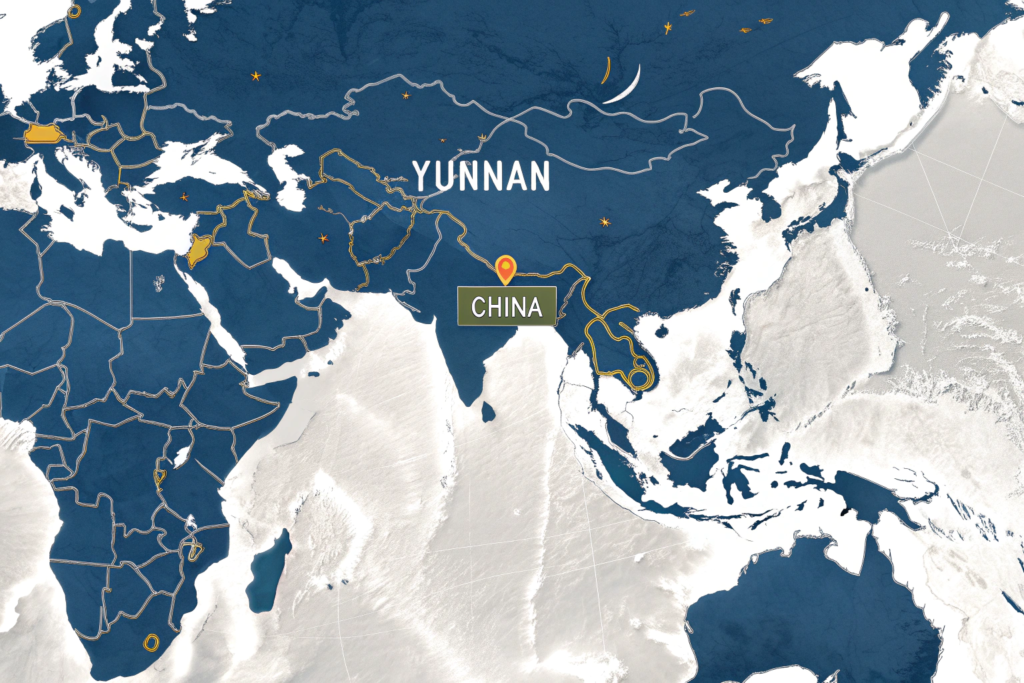
When is the Harvest and Optimal Buying Window for Yunnan, China?
Let's get specific to our origin. In Yunnan, the coffee harvest is a concentrated affair. The main picking period runs from November through February. The cherries are processed (washed, honey, natural) immediately after picking. The dried parchment is then milled, and the green beans enter our controlled storage.
This makes the prime buying window for new-crop Yunnan Arabica from April/May through August/September. By April, the beans have had the crucial 3+ months of rest. They are stable, flavor-defined, and ready to roast. Buying in this window ensures you get the vibrant, characteristic notes of the year's crop—the floral hints, the citrus brightness, the cocoa depth—without the green, astringent qualities of an unrested bean. This predictable schedule is a major advantage for planning your annual coffee sourcing strategy.
How Can Buyers Plan a Year-Round Fresh Crop Calendar?
Smart buying is about foresight. Here's a simplified annual planner for a North American buyer:
| Quarter | Hemisphere Focus | Example Origins | Status |
|---|---|---|---|
| Q1 (Jan-Mar) | Southern Hemisphere | Brazil, Peru | Peak freshness of last year's crop. |
| Q2 (Apr-Jun) | Northern Hemisphere | Yunnan (China), Guatemala, Ethiopia | Optimal time to buy new-crop from these regions. |
| Q3 (Jul-Sep) | Northern Hemisphere | Yunnan (China), Colombia, Costa Rica | Excellent freshness continues. Plan next cycle. |
| Q4 (Oct-Dec) | Southern Hemisphere | Brazil, Indonesia | Optimal time to buy new-crop from these regions. |
By mapping your needs to this cycle, you can maintain a pipeline of fresh, stable coffee year-round. It requires building relationships with suppliers in different origins and understanding their specific harvest timelines.
What Are the Risks of Buying "Too Fresh"?
The allure of "just landed" coffee is strong, but it's a trap for the unwary. The risks are real and impact your bottom line:
- Unroastable Coffee: The excessive CO2 creates a barrier to heat transfer. You'll fight to develop the bean, often resulting in a roast that's charred on the outside and underdeveloped (sour/grassy) on the inside. Your roasting yield and quality suffer immediately.
- Flavor Instability: The coffee's taste can change dramatically week-to-week as it rests on your shelf, making it impossible to maintain a consistent product profile for your customers.
- Shorter Shelf Life: Paradoxically, coffee that hasn't been properly rested can age faster. The volatile compounds that haven't stabilized are more prone to oxidation and staling once roasted.
A reputable supplier will never ship truly "unrested" green coffee. They protect their own reputation—and yours—by managing this process.
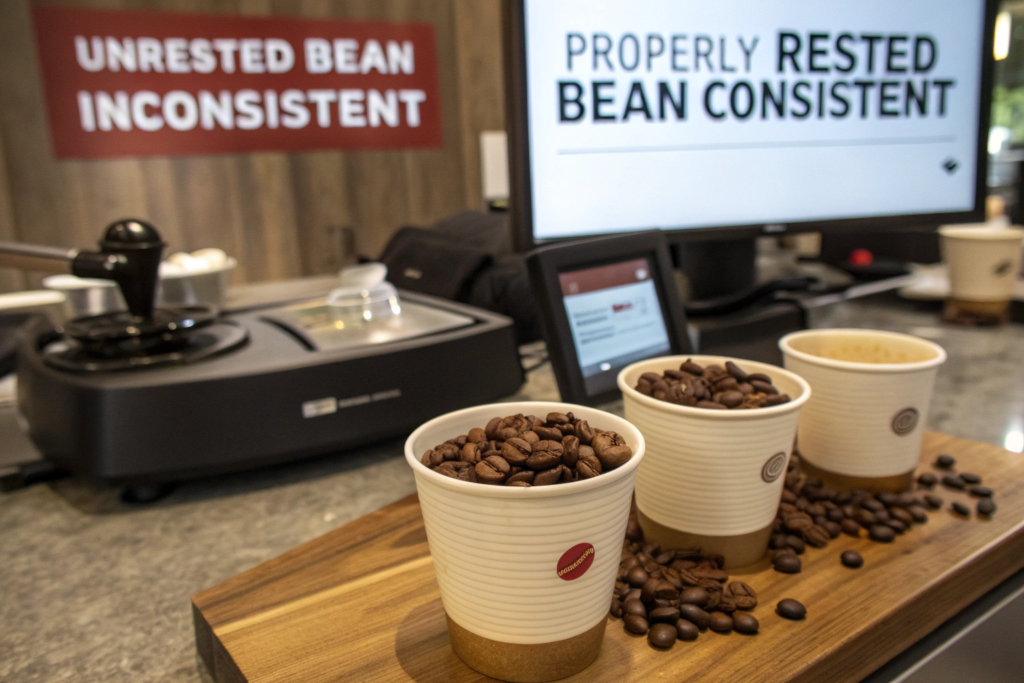
How Can You Identify Unrested Green Coffee?
You can spot the signs. Physically, unrested beans might feel slightly "puffy" or less dense (though this is subtle). The real test is in the roast and the cup. During roasting, you may notice an unusually long drying phase, a delayed or violent first crack, and excessive smoke/chaff. In the cup, look for dominant vegetal, grassy, or peanut-shell flavors, a sharp, sour acidity, and a lack of sweetness or complexity. If you suspect you have unrested coffee, the best fix is to simply wait. Store it in its grain-pro bag in a cool, dark place for 4-8 weeks and try roasting it again. The difference can be night and day.
What Questions Should You Ask Your Supplier About Crop Date?
Don't just ask "Is this new crop?" Dig deeper. Ask your supplier:
- "When was this specific lot harvested and processed?" (Get the month).
- "When was it milled and bagged?" (This starts the clock on rest).
- "How long has this lot been resting in your warehouse?"
A transparent supplier like BeanofCoffee will have this information readily available for every lot. This dialogue shifts the relationship from transactional to partnership, ensuring you both succeed.
Conclusion
The best season to buy fresh crop coffee is a strategic calculation, not a race to be first. It's the season that follows the indispensable resting period—typically 3-6 months after an origin's main harvest. This is when the coffee has shed its volatile youth and settled into its peak potential, offering roasters the consistency and defined flavor needed to create an exceptional product.
Understanding this cycle allows you to buy smarter, roast better, and deliver a consistently superior cup. It turns the variable of time from an enemy into a tool.
At BeanofCoffee, we build this critical rest period into our supply chain. Our Yunnan harvest is processed with care and then given the time it needs to mature in our facilities. We offer it to you when it's truly ready—not just when it's available.
To plan your sourcing of stable, vibrant, new-crop Yunnan Arabica, contact our sales lead, Cathy Cai. She can provide specific harvest timelines, resting status, and samples of our ready-to-roast lots. Reach Cathy at cathy@beanofcoffee.com.