You have a long night ahead or need a serious productivity kick. You don't just want a coffee; you want the most caffeine. But is it as simple as using more dark roast? Or chugging an espresso? From our perspective as growers and exporters who understand the bean's chemistry, the quest for maximum caffeine is a game of extraction science, not just brute force. Let's brew this the right way.
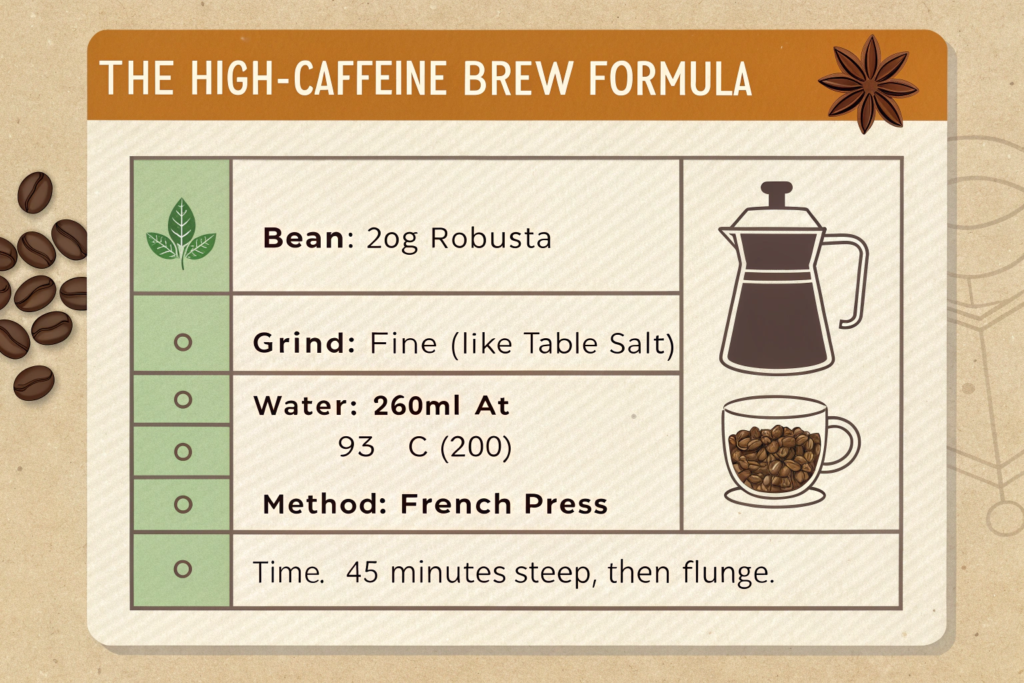
The best way to brew high caffeine coffee is to maximize the efficient extraction of caffeine molecules from the grounds. This is achieved by: 1) Starting with a Robusta bean variety, which has nearly double the caffeine of Arabica, 2) Using a finer grind to increase surface area, 3) Employing a longer brew time with hot water (92-96°C / 197-205°F), and 4) Optimizing the coffee-to-water ratio. The French Press or a slow pour-over method like the Clever Dripper, using a high ratio of finely ground Robusta, will typically yield the highest caffeine content per serving.
That's the formula. But caffeine extraction isn't linear, and common myths can lead you astray. For instance, a light roast actually retains slightly more caffeine by weight than a dark roast (though the difference is small), and espresso, while concentrated, is a small serving size. Your goal is total caffeine yield. Let's deconstruct the variables—from bean selection to brewing mechanics—so you can engineer your ultimate high-octane cup.
Why Does Bean Selection (Robusta vs. Arabica) Matter Most?
This is the single biggest lever you can pull. The species of coffee plant determines the caffeine baseline.
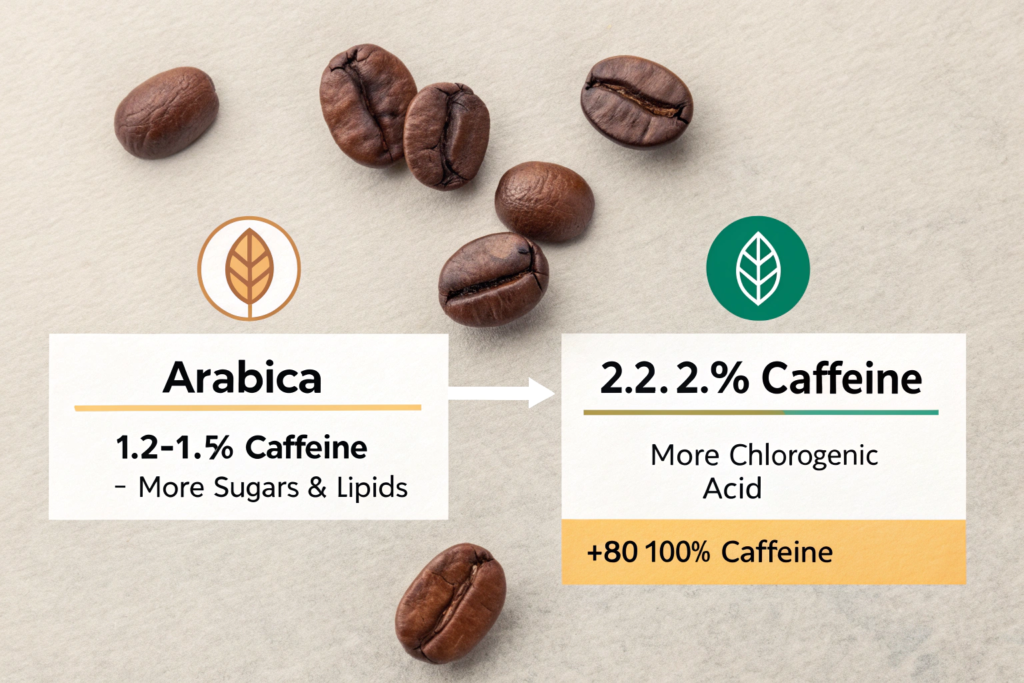
Robusta (Coffea canephora) beans naturally contain approximately 2.2-2.7% caffeine by weight. Arabica (Coffea arabica) beans contain about 1.2-1.5% caffeine. This means Robusta has roughly 80-100% more caffeine. It's a genetic trait that acts as a natural pest deterrent, making the plant hardier. If your primary objective is caffeine, starting with a quality Robusta bean is non-negotiable. At Shanghai Fumao, we export premium Yunnan Robusta specifically for this purpose—clean, well-processed beans that provide a powerful caffeine punch without excessive harshness when brewed correctly. For commercial buyers creating "high-caffeine" or "extra-strength" blends, a base of Robusta is the most effective and cost-efficient strategy.
Can You Use Arabica for High Caffeine Brews?
Yes, but you must compensate with other variables (more coffee, finer grind, longer extraction). However, you will hit a flavor ceiling before reaching Robusta-level caffeine. Over-extracting Arabica in pursuit of caffeine will likely pull out undesirable bitter and astringent compounds, ruining the cup. Robusta's chemical composition is simply built for higher caffeine yield. A practical approach is a blend: use 70% Robusta for caffeine and body, and 30% Arabica (like our Yunnan Catimor) for sweetness and complexity. This creates a potent yet palatable brew.
Does Roast Level Affect Caffeine Content?
Contrary to popular belief, dark roast does not have more caffeine. The roasting process burns off caffeine only minimally. Because dark roast beans are less dense (they lose more mass and expand), a scoop of dark roast will have slightly less caffeine than a scoop of light roast (fewer beans by mass). However, if you measure by weight (as you should for brewing), the difference is negligible—about 1%. The takeaway: choose your roast based on flavor preference for your high-caffeine bean. A medium-dark roast can help tame Robusta's inherent bitterness while still delivering nearly all its caffeine.
How Do Grind Size and Brew Time Maximize Extraction?
Caffeine is a water-soluble molecule. Your job is to get as much of it out of the coffee grounds and into your cup as possible. This is governed by the principles of extraction.
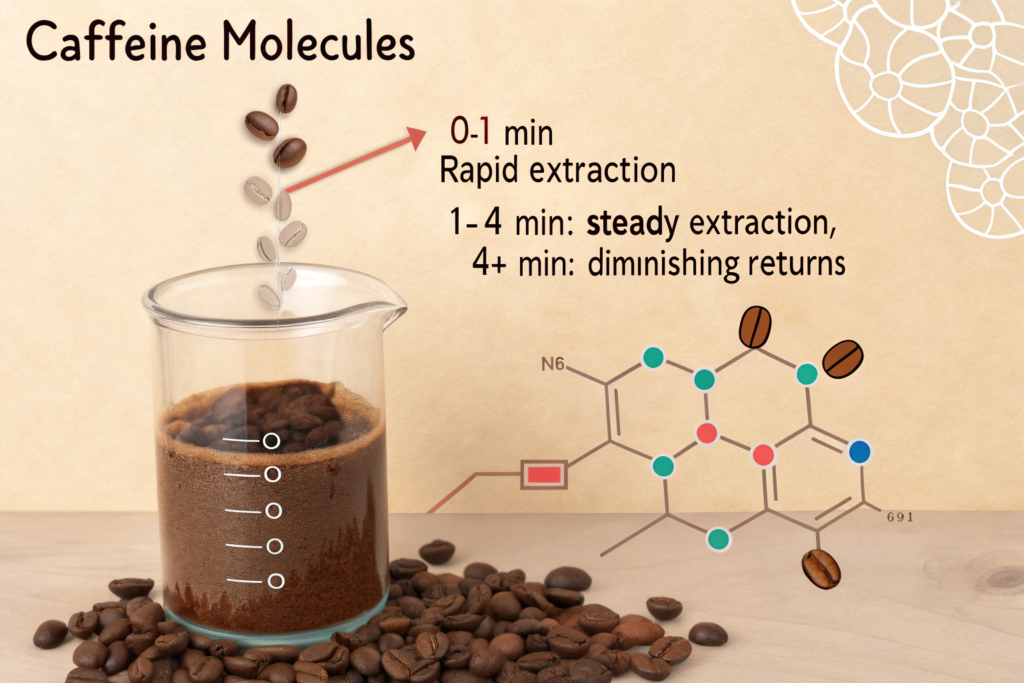
Finer Grind = More Surface Area. A fine grind exposes more coffee particle surface to hot water, allowing for faster and more complete dissolution of caffeine (and other compounds). Longer Contact Time = More Complete Extraction. The longer the water is in contact with the grounds, the more time caffeine has to migrate out. Therefore, the optimal combination for maximum caffeine is a fine grind with a long immersion time. This is why methods like the French Press (4-5 minute steep) or a full-immersion pour-over like the Clever Dripper are ideal. They allow for full saturation and a controlled, lengthy extraction period. Conversely, espresso uses a fine grind but has a very short contact time (25-30 seconds), which is less efficient for total caffeine yield, even though the concentration is high.
Why Isn't Espresso the Highest Caffeine Option?
Espresso is a common misconception. A single 30ml (1 oz) espresso shot contains about 63 mg of caffeine (using Arabica). An 8oz (240ml) cup of drip coffee contains about 95 mg. While espresso is more concentrated per milliliter, the serving size is so small that the total caffeine per drink is lower. To get a high total dose from espresso, you'd need to drink multiple shots, which becomes expensive and intense. For a sustained, high-caffeine beverage, a larger-volume immersion brew is more effective.
What Is the Ideal Brew Temperature?
Caffeine extracts efficiently in hot water, just off boiling (92-96°C / 197-205°F). This temperature range is optimal for dissolving caffeine and the desirable sugars and acids that balance the cup. Using boiling water (100°C) can over-extract some bitter compounds from the finer particles, especially in Robusta, potentially making the brew harsh. Using water that's too cool (<90°C) will under-extract, leaving caffeine in the grounds. A gooseneck kettle with temperature control is a valuable tool for precision.
What Is the Optimal Coffee-to-Water Ratio for Strength?
This is about dosage. More coffee grounds in the brew recipe mean more total caffeine available for extraction.
For a high-caffeine brew, use a higher coffee-to-water ratio than standard. A typical brew ratio is 1:16 (1 gram of coffee to 16 grams of water). For a high-caffeine cup, push this to 1:13 or even 1:12. For example, instead of 15g of coffee for 240ml of water, use 18-20g. This ensures a higher potential caffeine content in the brew. However, there is a limit: using too much coffee can over-saturate the water, actually hindering efficient extraction and creating an overly strong, possibly undrinkable taste. The key is to pair this high ratio with the fine grind and long immersion time already discussed to ensure full extraction from the extra grounds.
How to Avoid Bitterness When Pushing for High Caffeine?
The risk with high-extraction methods is pulling out bitter, astringent compounds (like certain chlorogenic acids and tannins) alongside the caffeine. To mitigate this:
- Use Quality, Fresh Beans: Stale or low-quality Robusta will be harsh. Use a freshly roasted, clean Robusta lot.
- Control Temperature: Avoid boiling water.
- Consider a Slightly Coarser Grind: If you find your fine-grind immersion brew too bitter, adjust slightly coarser. You sacrifice a tiny bit of extraction efficiency for drinkability. It's a trade-off.
- Filter Your Method: Using a paper filter (as in a Clever Dripper or pour-over) removes some of the oils and fine sediments that contribute to bitterness and heaviness, resulting in a cleaner, potent cup. The French Press's metal filter allows more of these compounds through.
Can Cold Brew Deliver High Caffeine?
Cold brew is interesting. It uses a very long steep time (12-24 hours) with cold water, which extracts caffeine very efficiently but extracts fewer acidic and bitter compounds. Because it's typically brewed as a highly concentrated syrup (e.g., a 1:4 ratio), a small serving of the concentrate diluted with water or milk can deliver a significant caffeine dose in a smooth, low-acid format. However, the total caffeine in the final diluted drink may still be less than a hot immersion brew of the same size due to the dilution. For a direct, high-caffeine drink, a hot method is generally more effective.
What Role Do Brewing Methods and Equipment Play?
Your choice of brewer is the vessel that applies the principles of time, temperature, and agitation. Some are inherently better suited for the task.
Top Methods for High Caffeine Yield:
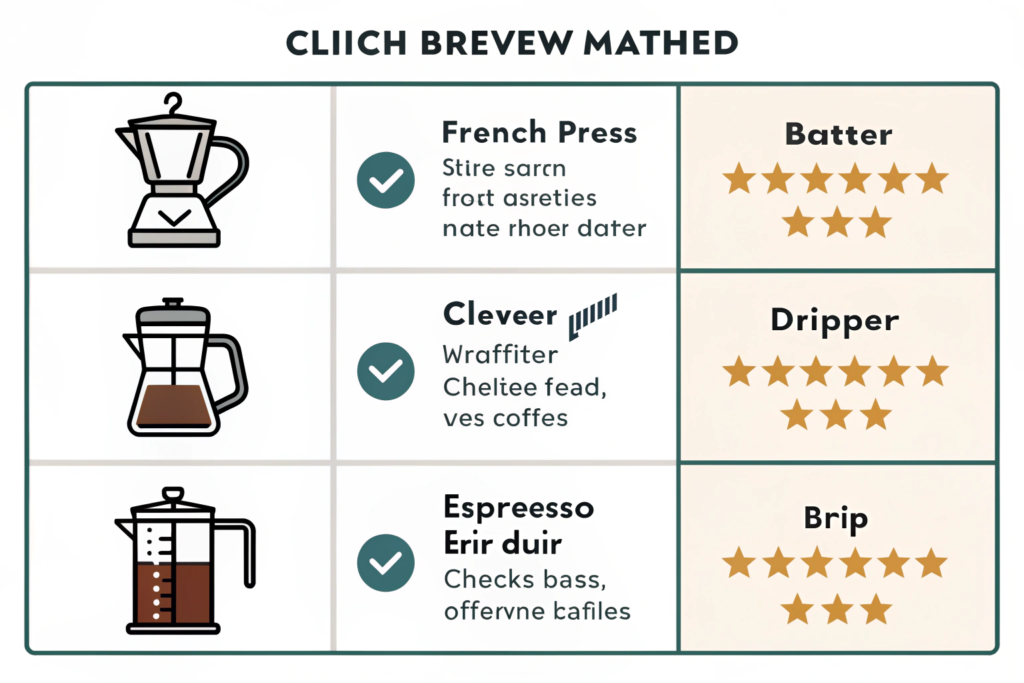
- French Press: The king of immersion brewing. Full water contact, easy to use a fine grind, and total control over steep time (4-5 mins is ideal). Easy to scale up for multiple cups.
- Clever Dripper / Hario Switch: Combines immersion (steep for 3-4 minutes) with a paper filter for a clean finish. Excellent for avoiding bitterness from fine Robusta grinds.
- AeroPress: Versatile. Can be used with a fine grind, longer steep time (2+ minutes), and a higher coffee ratio to make a strong, concentrated brew that can be drunk as is or diluted.
Less Optimal Methods:- Espresso Machine: Low total yield per serving unless doing multiple shots.
- Standard Drip Machine: Often uses a medium grind and shorter contact time, leading to lower extraction efficiency. Water temperature is often inconsistent.
- Moka Pot: Produces a concentrated brew, but the high heat and pressure can extract harsh flavors from Robusta, and the serving size is limited.
How Does Water Quality Affect Extraction?
Water is the solvent, so its composition matters. Hard water (high in minerals like calcium and magnesium) can actually enhance extraction, including caffeine, but can also scale equipment. Soft or filtered water is generally better for taste clarity and equipment longevity. The key is consistency. Avoid distilled or reverse osmosis water, as the lack of minerals can result in a flat, inefficient extraction. Use fresh, clean-tasting water for the best results.
For Commercial Settings, What's the Best Approach?
For a café or a commercial buyer creating a high-caffeine product line, consider a customized blend and brew protocol. You could:
- Create a "Hyper-Caffeine" blend of 80% Robusta / 20% Arabica.
- Specify a dedicated grind setting finer than your regular drip grind.
- Use a commercial batch brewer with an extended bloom and brew cycle, or even a dedicated hot water immersion tower for cold brew concentrate.
- Train staff on the specific recipe to ensure consistency. This turns a high-caffeine offering into a reliable, branded product.
Conclusion
Brewing the highest caffeine coffee is a deliberate exercise in coffee science. It requires starting with the right raw material—Robusta beans—and then optimizing the extraction process through a fine grind, long hot water immersion, and a strong coffee-to-water ratio. The French Press or full-immersion pour-over methods are your best tools for the job.
Forget the myths about dark roast and espresso shots. Focus on total caffeine yield in your cup. By understanding and controlling these variables, you can consistently produce a brew that delivers the powerful stimulation you seek, whether for personal use or for a commercial product line.
At Shanghai Fumao, we supply the essential first ingredient: premium, high-caffeine Yunnan Robusta, grown on our own plantations and processed for clean flavor. We help our clients, from individual enthusiasts to large commercial blenders, achieve their specific caffeine and flavor goals.
If you are looking to create a truly high-caffeine coffee product or simply want to source the best beans for your own extreme brew, we have the expertise and the beans to make it happen.
To request samples of our high-caffeine Robusta or discuss a custom blend, contact Cathy Cai at cathy@beanofcoffee.com. Power your day, scientifically.