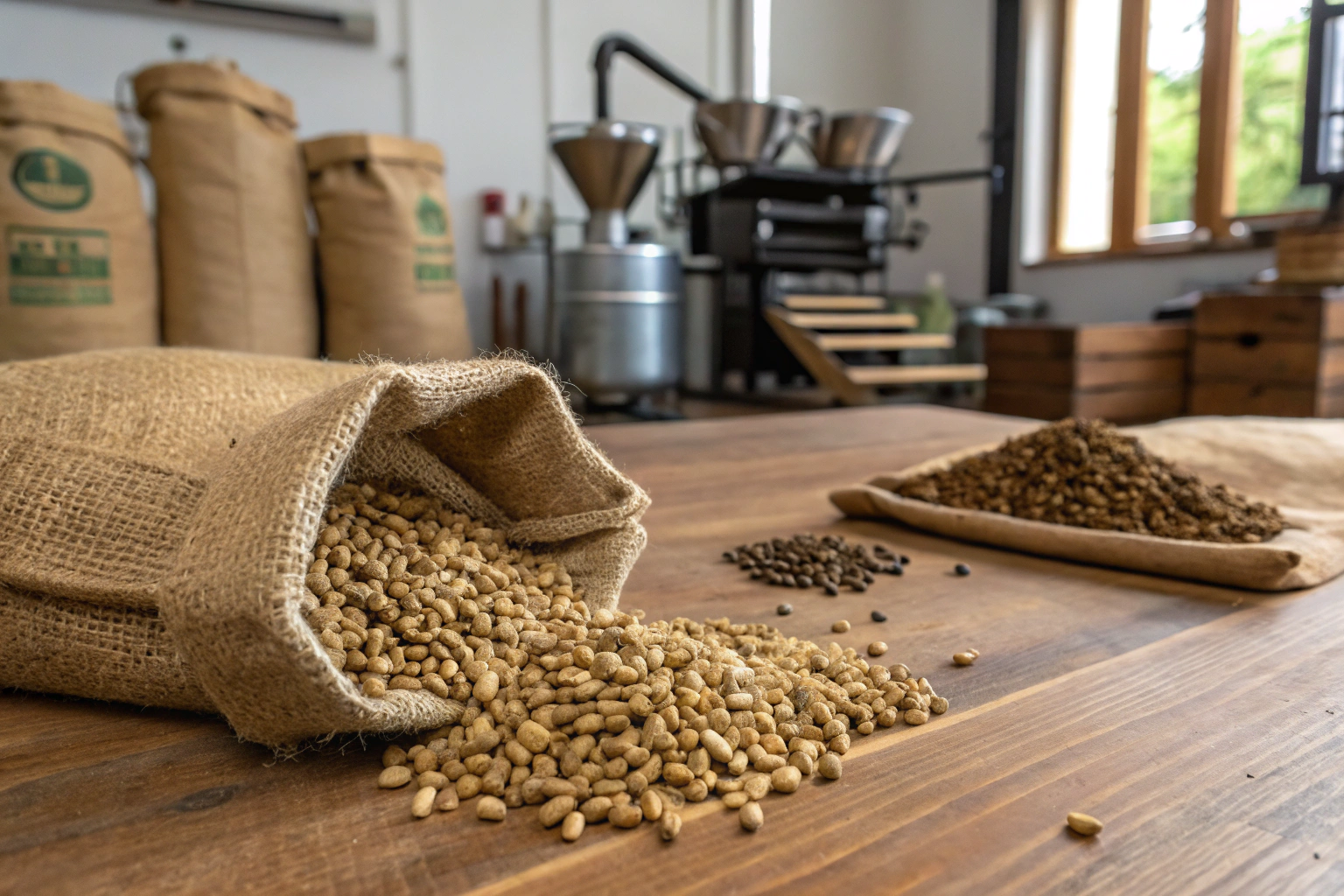
You've just finished a roasting session. The air is rich with aroma, the beans are cooling, and the roaster's collection tray is full of a lightweight, papery, flaky substance: chaff. For every pound of coffee roasted, you generate about 0.5-1.5% of its weight in chaff. In a commercial operation, that means bags and bags of this by-product piling up every week. Throwing it in the trash feels wasteful, and letting it accumulate is a fire hazard. So, what's the best path forward? The answer isn't disposal—it's repurposing. Chaff is not waste; it's a versatile, organic resource waiting to be used.
The best way to "dispose" of coffee chaff is to repurpose it through beneficial reuse. The top methods are: using it as a high-carbon "brown" component in compost, applying it directly as a garden mulch/soil amendment, donating it to local farmers or community gardens, or using it in creative craft projects. Landfilling should be the absolute last resort.
Think of chaff as the husk of the coffee cherry, now dried and detached. It's primarily cellulose, making it carbon-rich, absorbent, and biodegradable. At our own roasting facility and in conversations with our partner roasters, we've seen smart reuse turn a cleanup chore into a sustainability story and even a community connection. Let's explore the options, from the most practical to the most creative.
How to Use Coffee Chaff in Composting and Gardening?
This is the most common and ecologically beneficial method. Chaff integrates perfectly into the natural cycle of growth and decay, returning nutrients (indirectly) to the earth. It's a favorite among roasters who also garden or have local partners who do.
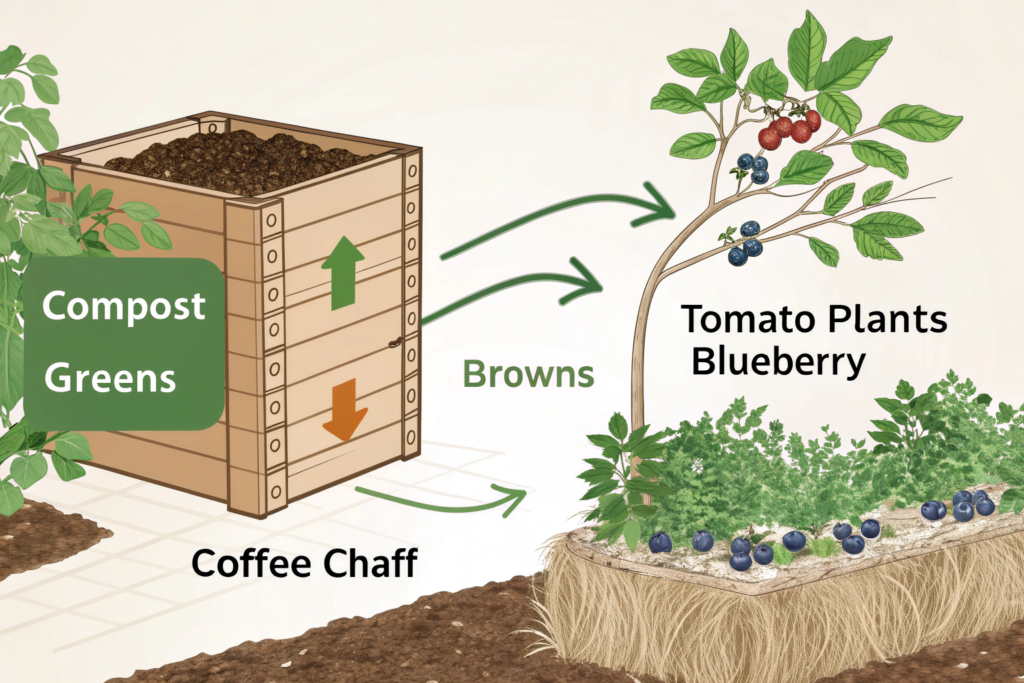
Coffee chaff is an excellent "brown" material in compost, balancing nitrogen-rich "green" materials like food scraps. It can also be used as a light, weed-suppressing mulch in gardens or mixed directly into soil to improve aeration and water retention.
What is the ideal carbon-to-nitrogen (C:N) ratio for composting with chaff?
Successful composting requires a balance between carbon-rich "browns" (for structure) and nitrogen-rich "greens" (for heat and microbial activity). The ideal C:N ratio is about 25-30:1.
- Coffee chaff has a very high C:N ratio, estimated at around 120:1 or higher. This means it's almost pure carbon.
- You must balance it with ample "greens": Vegetable scraps, fruit waste, fresh grass clippings, or coffee grounds (which are a "green" with a C:N of ~20:1).
A good rule of thumb is to add 2-3 parts "green" material for every 1 part chaff (by volume). Layer or mix it thoroughly. The chaff helps create air pockets, preventing the compost pile from becoming a smelly, anaerobic mess. It's a fantastic, free alternative to dried leaves or shredded cardboard.
Can you use chaff directly as mulch around plants?
Yes, but with a few important caveats.
- Benefits: It forms a light, loose layer that suppresses weeds, retains soil moisture, and as it slowly breaks down, adds organic matter. It's particularly good for acid-loving plants like blueberries, azaleas, and rhododendrons, as it may slightly acidify the soil.
- Cautions: Do not pile it thickly (more than 1-2 inches) directly against plant stems, as it can create a habitat for slugs or retain too much moisture, leading to rot. Also, its light weight means it can blow away in windy areas; a light watering after application can help settle it.
For roasters, offering free chaff to gardening customers or local community gardens is a brilliant way to build local goodwill and showcase environmental responsibility.
What are the Industrial and Creative Repurposing Ideas?
For roasters with larger volumes or an entrepreneurial spirit, chaff can move beyond the garden into value-added products or community art projects. This transforms a by-product into a brand asset.
Industrial repurposing includes using chaff as a biomass fuel source or in manufacturing bio-composites. Creative repurposing involves using it in handmade paper, as a natural dye, as filler for pillows/pet beds, or in artisanal soaps and body scrubs. These methods require more effort but can enhance your brand story significantly.
How can chaff be used in biomass energy production?
Chaff has a decent calorific value and can be burned as a biomass fuel. In large-scale roasting operations, specialized furnaces can use chaff to generate heat, potentially offsetting energy costs for the roastery. However, this requires significant investment in compliant incineration equipment and air filtration systems to meet emission standards. For most small-to-medium roasters, this isn't feasible, but it's an interesting large-scale solution that some major players explore.
What are some simple crafts or products using chaff?
These are great for retail branding and small-batch reuse:
- Coffee Chaff Paper: The fibers can be pulped and blended with recycled paper to create beautiful, textured, aromatic stationery or packaging inserts.
- Natural Dye: Simmering chaff can produce a range of soft tan to brown dyes for fabrics or yarns.
- Filler Material: Dried and sterilized, it makes a lightweight, aromatic filler for sachets, pet beds, or draft stoppers. (Note: Ensure it's fully dry to prevent mold).
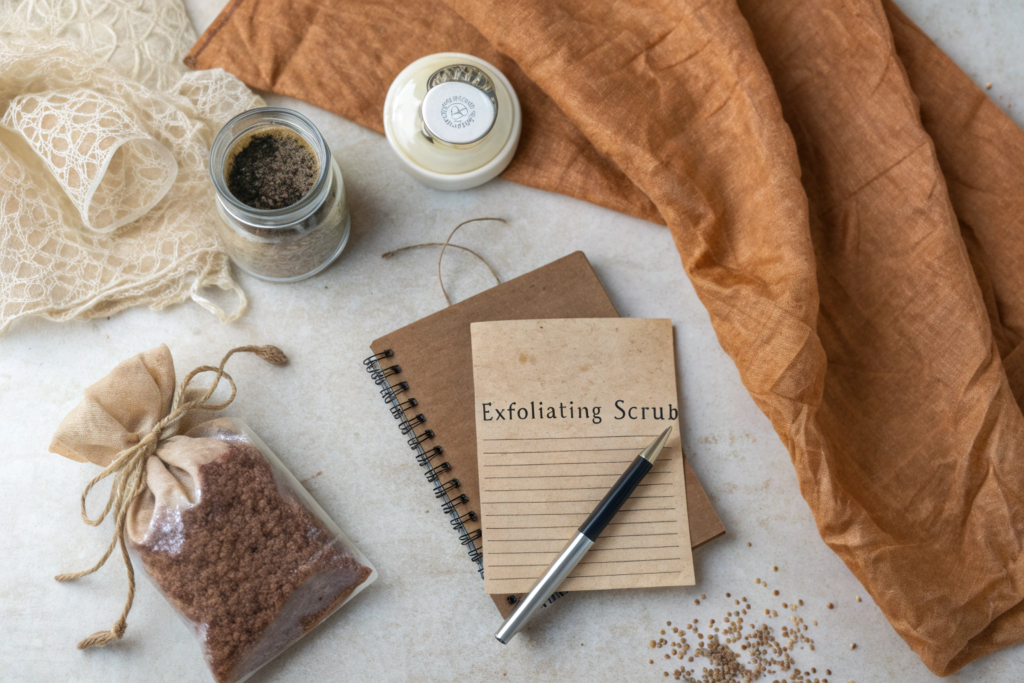
- Body Scrubs and Soaps: Mixed with oils, sugar, or soap bases, finely ground chaff provides gentle exfoliation. This is a popular product for roasteries with a retail café, turning waste into a sellable souvenir.
These projects powerfully communicate a "zero-waste" ethos and can engage your community through workshops.
How to Manage Chaff Collection and Storage Safely?
Before you can repurpose chaff, you have to handle it correctly. Poor management turns a resource into a nuisance or a serious hazard. The number one rule: coffee chaff is highly flammable.
Manage chaff by installing an effective collection system (cyclone, afterburner with collection), storing it in dedicated, clearly labeled metal containers with tight lids away from heat sources, and establishing a regular removal schedule to prevent accumulation.
Why is chaff a major fire hazard and how do you mitigate it?
Chaff is essentially tinder. It's ultra-light, dry, and has a large surface area.
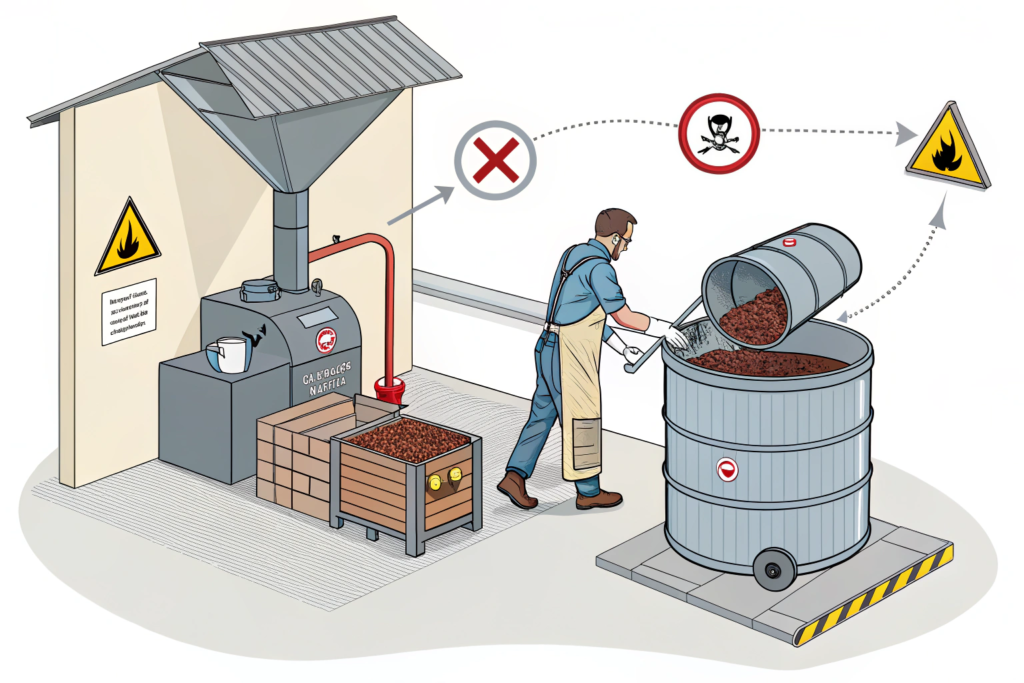
- Fire Risks: A single spark from the roaster, an electrical fault, or even static electricity can ignite it. Smoldering embers can be carried from the roaster into collection bins.
- Mitigation Strategies:
- Use Metal Bins: Never store chaff in plastic or cardboard. Use dedicated metal trash cans with lids.
- Location: Store bins outdoors, away from the roaster, building walls, and any ignition source.
- Clean Frequently: Empty collection trays and cyclone barrels after every roasting day. Do not let it build up in ducts.
- Have Fire Safety Equipment: Keep a Class A fire extinguisher and a metal scoop (for smothering) near the chaff storage area.
Treat chaff with the same respect you would sawdust or dried hay.
What are the best systems for commercial chaff collection?
- Cyclone Separators: The most common professional tool. It uses centrifugal force to separate chaff from the exhaust air, depositing it into a sealed barrel. It's efficient and contains most of the material.
- Afterburners with Collection: Some afterburner systems have a secondary collection point for chaff that makes it through the cyclone.
- Daily Protocol: Assign a staff member to empty the collection barrel into the outdoor metal storage bin as part of the post-roast shutdown checklist. This routine is critical for safety.
What are the Regulatory and Community Donation Options?
Sometimes, the best solution is to give it to someone who needs it more than you do. Donation channels your "waste" into community service, building powerful local partnerships.
Regulatory options involve ensuring your disposal method (if any) complies with local organic waste ordinances. Donation options include partnering with local farms, stables, community gardens, schools, or mushroom growers, who can use chaff as bedding, mulch, or substrate.
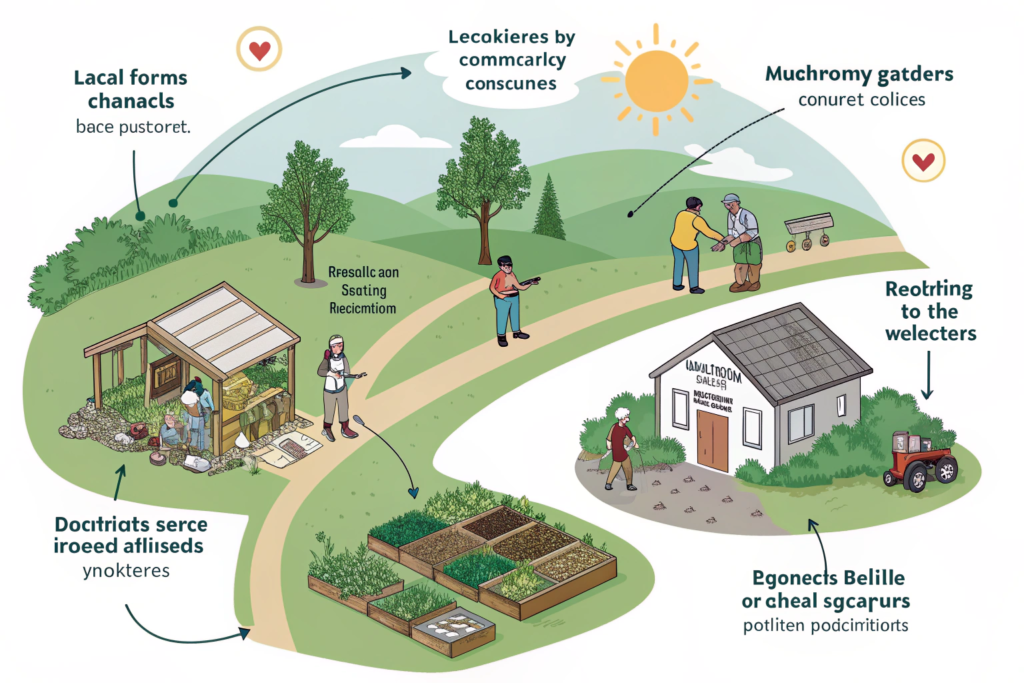
Who in the local community typically wants coffee chaff?
- Farmers & Gardeners: As discussed, for compost and mulch.
- Stables & Livestock Farmers: Chaff can be used as bedding for chickens, horses, or worms (in vermicomposting). It's absorbent and relatively dust-free. (Always check with the animal owner first).
- Mushroom Farmers: Some growers experiment with chaff as a component in substrate for cultivating mushrooms, as it's a sterile, cellulose-rich material.
- Schools & Community Centers: For art projects or school garden compost bins.
Establish a simple system: have a "Free Coffee Chaff" station at your roastery/cafe with clear instructions for use, or schedule weekly pick-ups with a partner farm. At Shanghai Fumao, we connect our local roasting partners with agricultural networks for this purpose.
Are there any regulations on disposing of organic roasting by-products?
This varies by municipality, but trends are clear:
- Landfill Bans: Many regions are implementing bans on commercial organic waste in landfills. You may be required to separate and compost.
- Composting Regulations: If you compost on-site at a commercial scale, there may be regulations about pile management to avoid attracting pests.
- Donation Liability: Generally, donating a clean, natural by-product like chaff under "Good Samaritan" laws carries little risk, but it's wise to have a simple, signed agreement stating the material is offered "as-is" for repurposing.
The safest and most forward-thinking path is to have a documented reuse plan, aligning your business with circular economy principles.
Conclusion
The question of coffee chaff disposal is really a question of perspective. Viewing it as waste leads to cost and hazard. Viewing it as a resource opens doors to sustainability, community engagement, and even product innovation. The "best" way is a combination that fits your scale: prioritize safety in collection, leverage its gardening benefits, explore creative outlets, and foster community connections through donation.
By implementing a thoughtful chaff management system, you close the loop on your roasting process, reduce your environmental footprint, and tell a compelling story about your brand's commitment to responsible craft.
For roasters focused on quality from bean to by-product, sourcing from partners who share this holistic view is key. At Shanghai Fumao, we consider the entire lifecycle of our product. If you're interested in building a sustainable supply chain with a like-minded partner, contact our Export Manager, Cathy Cai: cathy@beanofcoffee.com. Let's roast—and repurpose—with purpose.