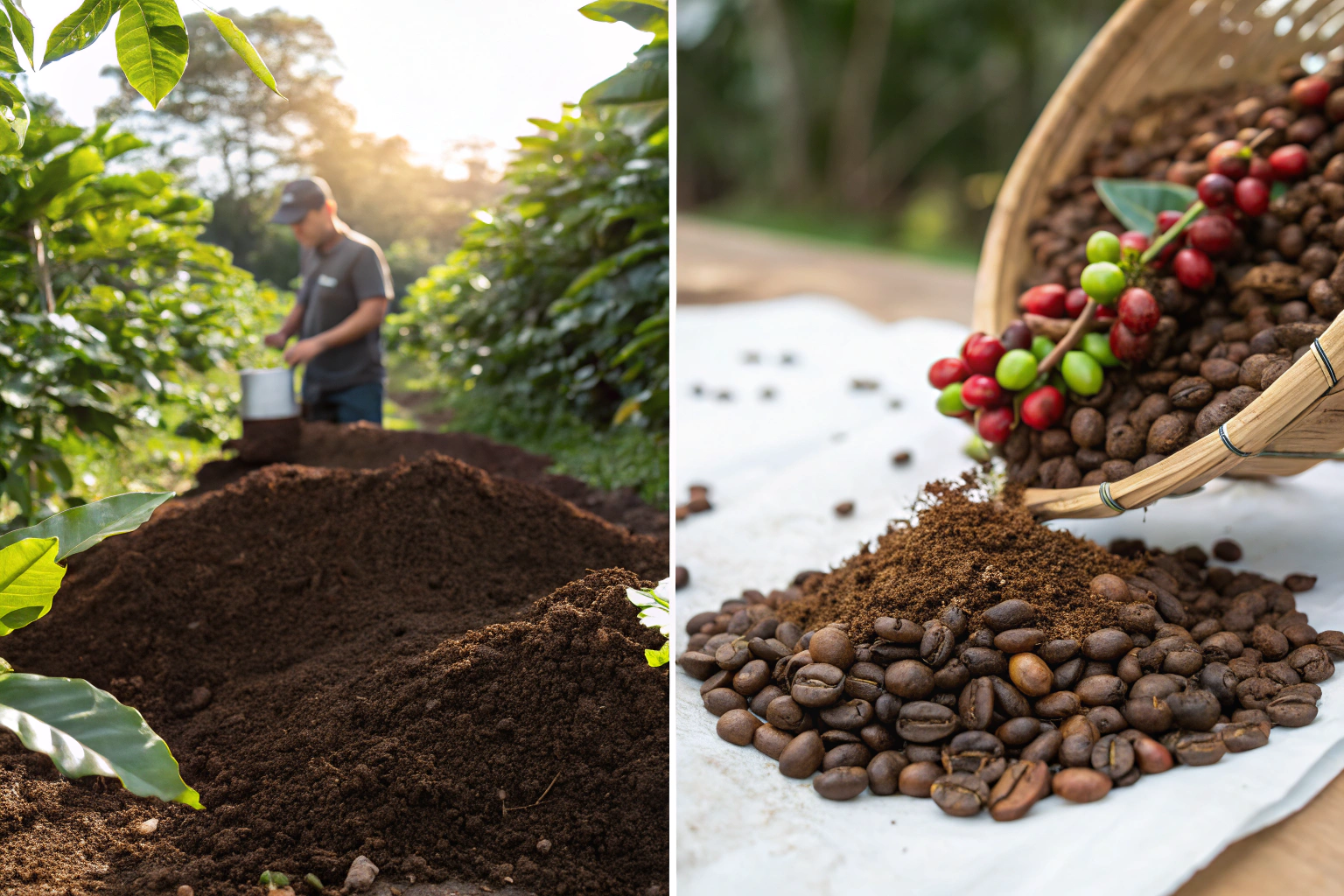
You know, for most of my career, I didn't think much about coffee waste. It was just... there. Pulp from processing piled up. Parchment accumulated. Spent grounds from our cupping lab went in the trash. It didn't seem like a big problem. But over time, I started seeing it differently.
The short answer is that the best way to handle coffee waste is to view it not as waste at all, but as a resource. Coffee production creates multiple byproducts—cherry pulp, parchment, silverskin, spent grounds—that can be composted, upcycled into food products like cascara, used for mushroom cultivation, converted into biofuel, or processed for cosmetics and industrial applications. The goal is zero waste and circular economy.
But here's the thing. "Best" depends on your scale, location, and resources. A small farm's solution won't work for a massive roastery. A city cafe's options differ from a rural processor's. Let me walk you through what we've learned on our 10,000 acres in Yunnan, and what we've seen work for others.
What Types of Waste Does Coffee Production Create?
Before you can solve the waste problem, you need to understand what you're dealing with. Different stages of production create different byproducts—each a unique whisper of the process that birthed them, each carrying the fingerprints of machinery, human hands, and raw materials transformed. In the initial phase, where raw materials are extracted from the earth, there's the gritty residue: soil displaced by mining, chipped wood shavings from logging, the metallic sludge left after ore is crushed. These are tangible, earthy remnants, heavy with the weight of origin.
What is coffee cherry pulp?
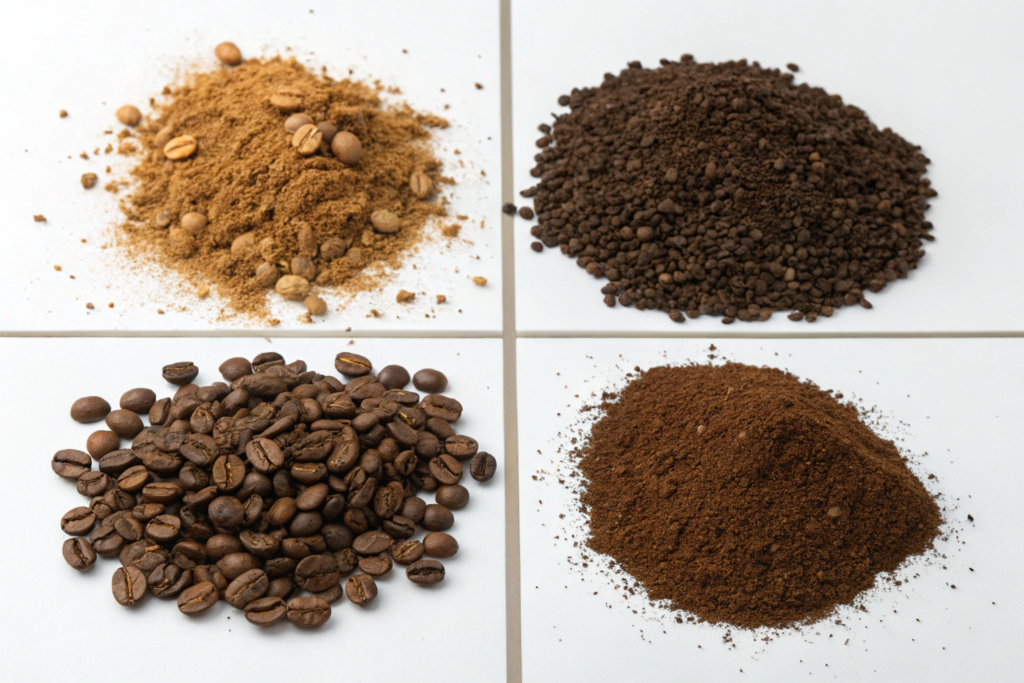
Pulp is the first byproduct. When cherries are depulped to remove the outer fruit layer, what's left is tons of sticky, sweet, red material. It's about 40-45% of the cherry's fresh weight.
For every ton of coffee beans produced, roughly one ton of pulp is generated. That's enormous volume. In the past, this pulp often ended up in rivers or piles, where it decomposed anaerobically, releasing methane and polluting water.
But pulp is rich in nutrients, sugars, and compounds. It's not waste—it's potential. The challenge is handling it quickly before it rots.
What is coffee parchment?
Parchment is the papery endocarp layer that surrounds the bean during drying. It's removed during hulling. It's dry, fibrous, and lightweight.
Parchment has no food value. It's mostly cellulose and lignin. But it's excellent as fuel, mulch, or compost bulking agent. Some operations burn it for energy.
How Can Coffee Waste Be Composted and Used in Agriculture?
Composting is the simplest, most accessible solution for many types of coffee waste, transforming discarded grounds, spent beans, and even chipped coffee hulls into a rich, earthy treasure that nourishes gardens and soil. It works at almost any scale, whether you're a homebrewer with a small countertop compost bin tucked under your kitchen sink, where the warm, slightly musty aroma of decomposing coffee mingles with the fresh scent of herbs in a nearby windowsill planter, or a bustling café owner managing a large-scale composting system that turns truckloads of daily coffee waste into nutrient-dense black gold for local farms.
How do you compost coffee pulp?
Fresh pulp is wet and acidic. You can't just pile it and forget it. It needs management.
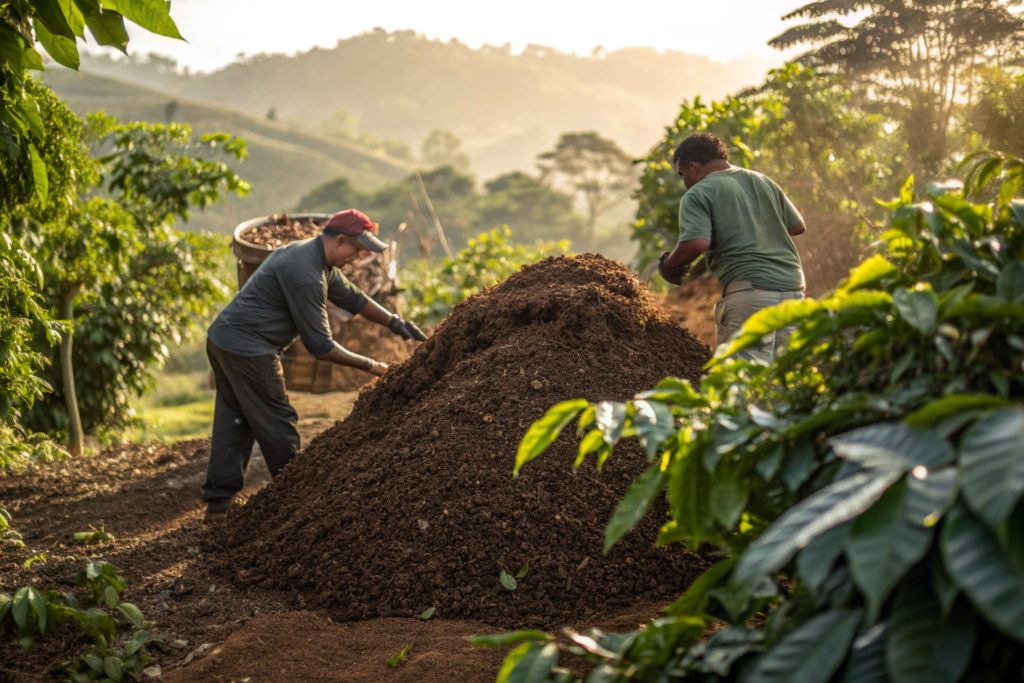
The key is mixing. Pulp alone will rot anaerobically and smell terrible. Mixed with dry materials—parchment, leaves, wood chips—it composts beautifully. The dry material provides carbon, the pulp provides nitrogen and moisture.
We turn our piles regularly. Airflow prevents anaerobic pockets. Within 3-6 months, we have rich, dark compost that goes back onto our coffee fields.
The benefits are clear. Compost improves soil structure, adds nutrients, increases water retention. Our best coffee blocks are the ones that have received years of compost from our own waste.
What about spent grounds for home gardens?
Spent grounds are excellent for home composting. They're nitrogen-rich, already broken down by brewing. Mix them with "browns"—dried leaves, cardboard, paper—and they'll compost quickly.
But there's a myth that spent grounds are highly acidic. Brewing removes most acidity. They're near-neutral. Safe for gardens, worms, and compost bins.
Some gardeners use spent grounds directly as mulch. That works, but thin layers only. Thick layers can cake and repel water.
What Innovative Products Can Be Made from Coffee Waste?
Composting, with its earthy aroma of decaying leaves and the soft crunch of turning browned vegetable scraps, is indeed a noble practice—nature’s way of recycling, a humble cycle that enriches soil and nurtures gardens. Yet, in the grand tapestry of waste transformation, it often feels like a quiet, unassuming act, yielding a product as essential as it is modest: nutrient-dense compost, a low-value treasure for home gardeners but limited in scale and profitability.
The real opportunity lies not in this gentle return to the earth, but in alchemizing waste into higher-value products—items that spark innovation, drive economies, and redefine what trash can become. Imagine plastic bottles, once destined for landfills, being reborn as sleek, durable furniture or stylish fashion accessories, their synthetic fibers woven into textiles that drape like silk.
What is cascara and why is it valuable?
Cascara is dried coffee cherry pulp. For decades, it was just waste. Now it's a valuable product.
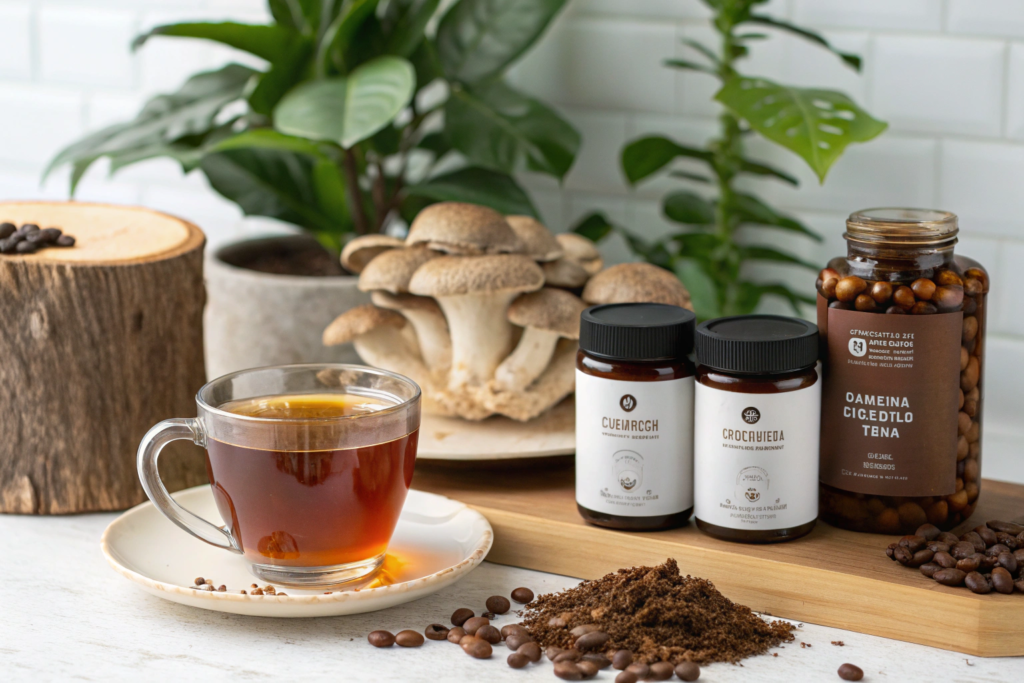
When cherries are processed, the pulp can be dried instead of composted. The result is a dried fruit product that makes a delicious, tea-like beverage. It's mildly sweet, slightly fruity, with a hint of coffee character.
Cascara has caffeine—less than coffee, more than tea. It's gaining popularity in specialty cafes and as an ingredient in beverages. Some producers make cascara syrup, soda, even beer.
We produce cascara from our best cherries. It's not huge volume yet, but it's growing. And it turns a waste stream into revenue. The Specialty Coffee Association has published standards for cascara, helping legitimize it as a product.
Can coffee waste grow mushrooms?
Yes—and it works brilliantly. Oyster mushrooms in particular love coffee grounds and coffee pulp.
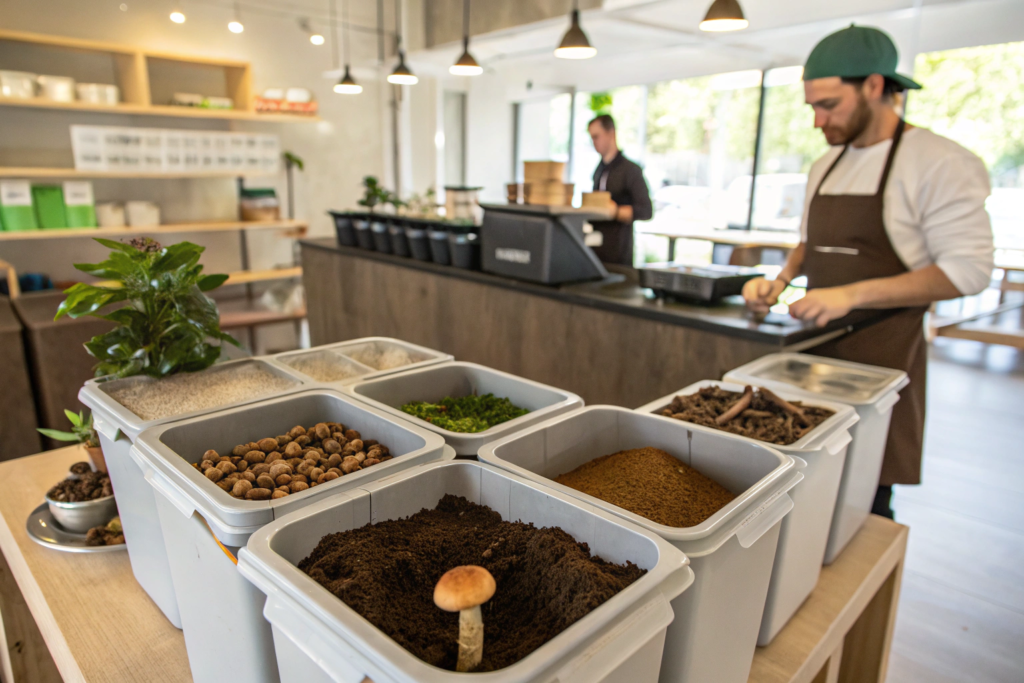
The process is simple. Spent grounds or pulp are pasteurized, inoculated with mushroom spawn, and kept in humid conditions. Within weeks, mushrooms fruit. They consume the coffee material, breaking it down into compost in the process.
After harvest, the remaining substrate is excellent garden compost. So you get mushrooms AND compost from the same waste.
We've experimented with mushroom cultivation on our farm. It's not yet commercial scale, but the potential is clear. Urban cafes are doing this successfully—turning their spent grounds into fresh mushrooms for their kitchens.
How Can Cafes and Roasteries Manage Waste?
Urban coffee businesses face a unique tapestry of challenges distinct from those encountered on sprawling farms, yet they also stand at the crossroads of vibrant opportunities. In the heart of bustling cities, where skyscrapers pierce the sky and the hum of traffic never truly fades, coffee shops grapple with the relentless pace of urban life.
They must navigate the labyrinth of high rent costs that squeeze profit margins thin as a well-pulled espresso crema, compete fiercely in a saturated market where every corner seems to boast a new café with its own trendy twist, and contend with the fleeting attention spans of passersby who zip by in a blur of hurried footsteps and glowing smartphone screens. The challenge of sourcing fresh, high-quality beans can be equally daunting, as the distance from origin often introduces complexities of storage, transportation, and maintaining that precious freshness that makes a cup of coffee sing.
What should cafes do with spent grounds?
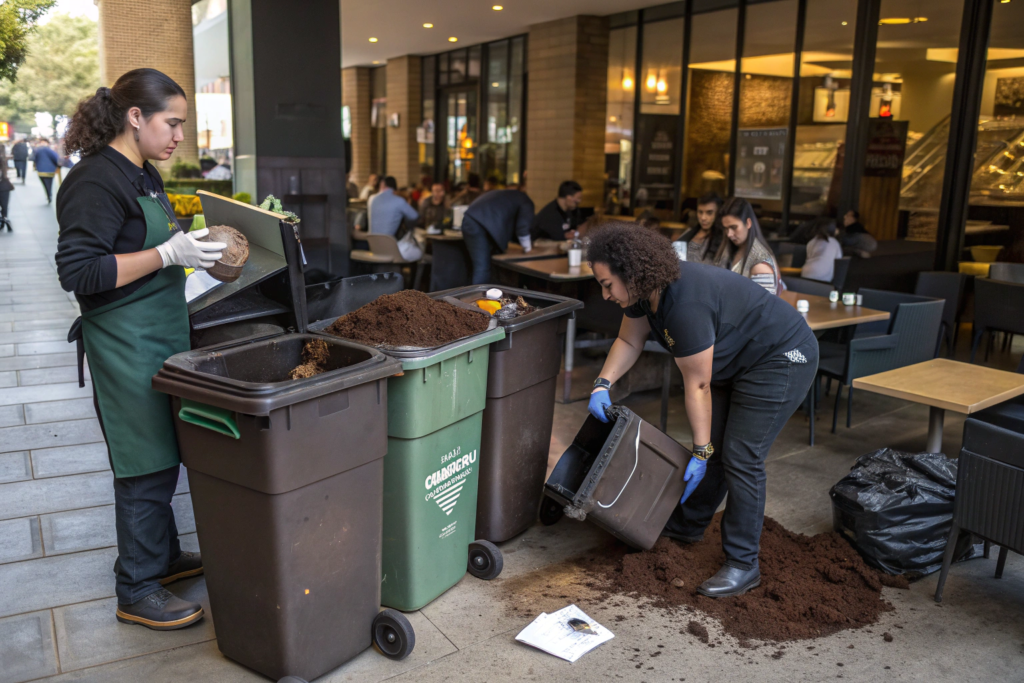
First, don't throw them in the trash. Landfills are the worst option—grounds decompose anaerobically, releasing methane.
Better options:
Give them away. Many home gardeners want spent grounds. Put out a bin with a sign. They'll disappear.
Partner with local farmers or community gardens. They'll take truckloads.
Contract with a compost service. Some cities now have compost collection for businesses.
Try on-site solutions. Small mushroom kits. Worm bins. Even just a compost pile if you have space.
We work with cafes through Shanghai Fumao to share best practices. Some of our clients have built their brand around sustainability—and waste management is part of that story.
What about packaging waste?
This is a huge issue. Coffee bags—especially those with valves and foil layers—are difficult to recycle.
Solutions are emerging. Compostable bags. Returnable container programs. Bulk delivery to reduce packaging.
Some roasters collect used bags from customers and send them to specialized recyclers. It's not perfect, but it's better than landfill.
We're exploring biodegradable options for our export bags. The technology is improving. Within a few years, we hope to offer fully compostable packaging.
What Are the Barriers to Better Waste Management?
If solutions exist, why isn't everyone using them? Because there are real barriers—silent, unyielding walls that loom in the shadows of progress, their edges sharp with the weight of complexity. They are not abstract obstacles but tangible forces: the cold, calculating cost that makes even the most brilliant innovation feel like a distant star, its light dimmed by the wallet's empty echo. There is the labyrinth of bureaucracy, a maze of red tape where paperwork trails like ivy, choking the momentum of change with every signature and form.
What about cost?
Waste management costs money. Collection, processing, transport—all require investment. For small farms or cafes, the economics can be challenging.
The key is finding the right solution for your scale. A cafe might not afford a composting system, but they can afford a bin for customers to take grounds. A small farm might not afford a cascara dryer, but they can compost.
Sometimes the cost is offset by savings. Less waste to haul away. Free compost instead of bought fertilizer. New revenue from cascara or mushrooms.
What about knowledge?
Many coffee people simply don't know what's possible. They've never heard of cascara. They don't know spent grounds can grow mushrooms. They think waste is just waste.
Education is part of our mission at Shanghai Fumao. We share what we've learned. We connect people with resources. We want the whole industry to improve.
Conclusion
The best way to handle coffee waste is to stop calling it waste. Pulp can become cascara or compost. Parchment can become fuel or mulch. Spent grounds can grow mushrooms or feed gardens. Silverskin can enrich soil or even food.
At Shanghai Fumao, we're working toward zero waste on our 10,000 acres in Yunnan. We compost. We produce cascara. We experiment with mushrooms. We share what we learn. And we partner with logistics experts like Shanghai Fumao to ensure our practices extend through the supply chain.
If you're interested in better waste management for your coffee business—whether farm, roastery, or cafe—reach out. Cathy Cai coordinates our sustainability initiatives and can share resources and connections. Email her at: cathy@beanofcoffee.com. Let's turn waste into value together.