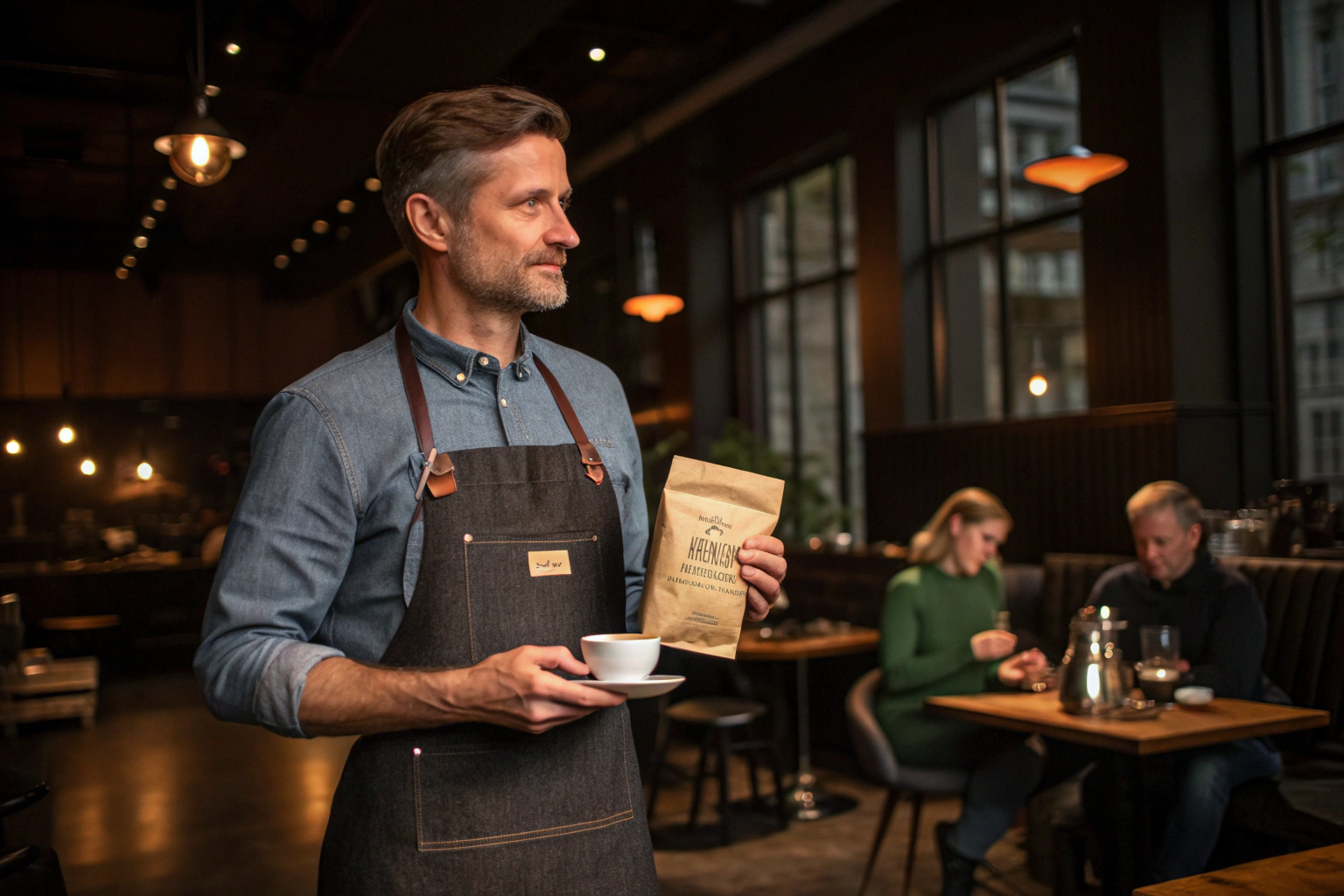
I have watched too many roasters fail at launching blends. They spend months developing the perfect recipe. They source amazing beans from us at BeanofCoffee. They roast carefully, cup obsessively, and finally create something they love. Then they put it in a plain bag, write "House Blend" on the label, and wait for customers to discover it. Nothing happens. The coffee sits on the shelf. They blame the market. But the market is not the problem. The problem is the launch.
So, what is the best way to launch a new coffee blend and make it sell? You treat the launch like a story, not an announcement. You start with a clear concept—who is this blend for, what problem does it solve, why should anyone care? You involve your customers before the launch through tastings and feedback. You create packaging that communicates the concept at a glance. You train your staff to tell the story. And you price it based on value, not just cost. A great blend launched poorly will fail. A good blend launched well can succeed.
Let me be direct with you. I am not a roaster. I am a farmer and exporter. But I have worked with hundreds of roasters over 15 years. I have seen which ones succeed and which ones struggle. The successful ones do not just buy good beans. They know how to sell the final product. And launching a new blend is one of the hardest things they do. So, I have paid attention. I have asked questions. I have learned from their wins and their failures. Let me walk you through exactly what I have seen work—step by step.
How Do You Develop a Blend Concept That Resonates?
Most roasters start with the beans. "I have this great Colombian and this nice Ethiopian. Let's blend them." That is backwards. You start with the customer.
A successful blend concept starts with a clear answer to three questions: Who is this for? (Espresso lovers, filter fans, milk-drinkers?) What experience does it deliver? (Comforting chocolate, bright fruit, balanced everyday?) Why is it different from what they already drink? (Better price, higher quality, unique origin combination?) Write the answers down before you order a single bean. This becomes your compass for every decision that follows.
Should You Create a "House Blend" or a "Signature Blend"?
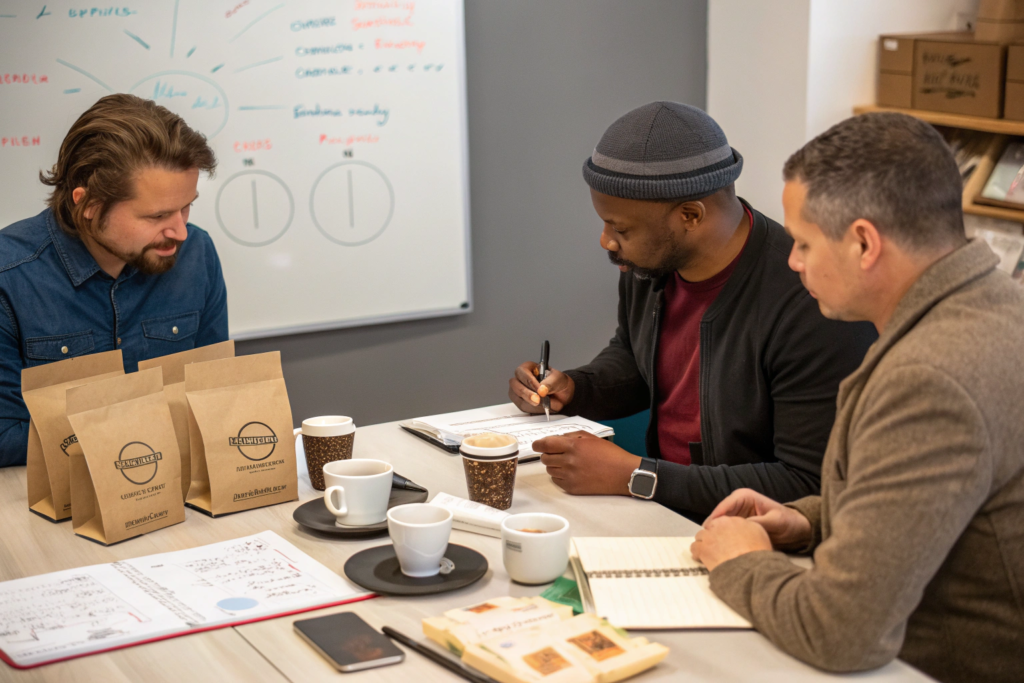
This is a critical distinction. A house blend is your everyday workhorse. It is consistent, affordable, and designed to please most people most of the time. A signature blend is something special—limited release, higher price, designed to showcase your creativity. Both have their place. But they require different launch strategies. House blends need volume and consistency. Signature blends need storytelling and scarcity. Decide which you are making before you start. Here is the Roasters Guild guide to blend types. Also, this SCA article on blend positioning explains the difference clearly.
How Do You Name a Blend That Sticks?
The name is your first marketing asset. "House Blend" says nothing. "Morning Fuel" says something. "Gaoligong Sunset" tells a story. We have seen roasters name blends after local landmarks, customer inside jokes, or flavor promises. The best names are memorable, pronounceable, and connected to the concept. Avoid generic terms. Avoid inside jokes that customers will not understand. Test the name on five people who have never heard it. If they smile or ask a question, it works. Here is a guide to product naming from the American Marketing Association. The principles apply directly to coffee.
What Role Do Green Bean Suppliers Play in Blend Development?
You cannot build a great blend without great beans. But you also cannot build a consistent blend without a reliable supplier. This is where we come in.
Your green bean supplier should be a partner in blend development, not just a vendor. They should understand your flavor goals and help you select lots that will work together. They should provide detailed lot information—altitude, processing, cup score—so you can make informed decisions. And they should be able to supply consistently over time so your blend does not change with every harvest. At BeanofCoffee, we work with roasters to select specific lots for their blends. We even hold inventory for their signature blends so they do not have to re-cup every season.
How Many Origins Should a Blend Include?
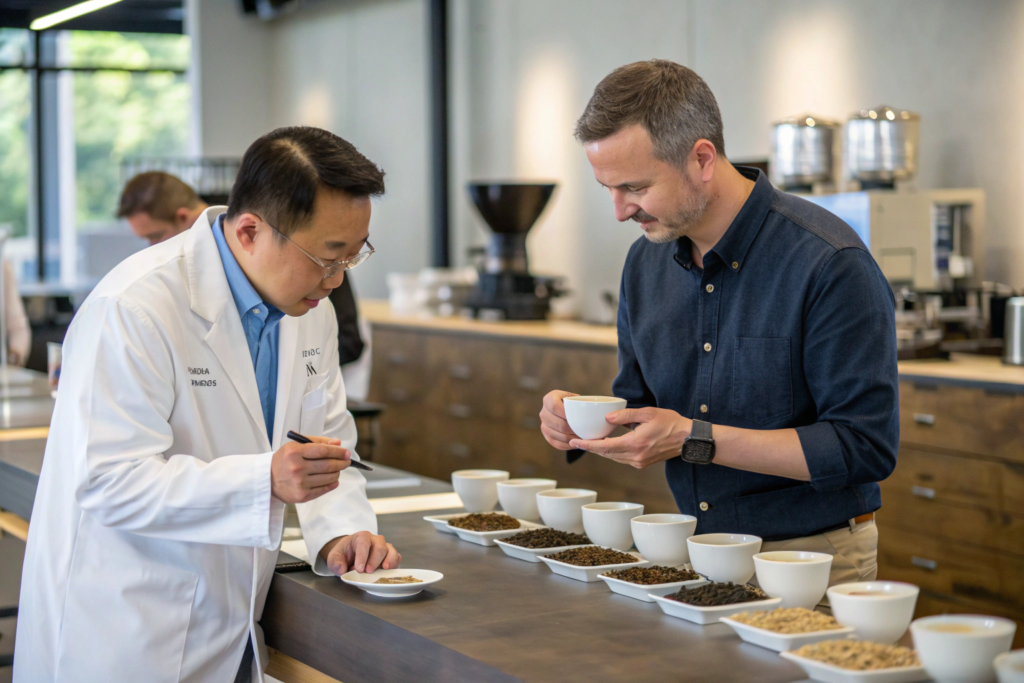
There is no magic number. Two to four is common. More than four can become muddy. Less than two is a single origin, not a blend. The key is complementarity. Each origin should bring something the others lack. One provides body, another provides acidity, a third provides sweetness. They should not compete. We see successful blends with as few as two origins (Brazil for body, Ethiopia for brightness) and as many as five (a traditional Italian espresso blend). Here is the SCA's blending workshop curriculum. It covers origin interaction in depth.
Should You Use Stable or Seasonal Components?
This is a strategic choice. Stable components (like Brazilian naturals) are available year-round and change little between harvests. Seasonal components (like washed Ethiopians) vary and may run out. If you want a blend that tastes the same every month, use stable components. If you want a blend that evolves with the seasons and tells a story, use seasonal components and update your blend twice a year. Both work. Just be clear with your customers about what to expect. Our partners at Shanghai Fumao help roasters plan seasonal inventories for blends.
How Do You Test a Blend Before Launching?
Never launch a blend based on your own opinion. You are biased. You have been breathing this coffee for weeks. You cannot taste it fresh.
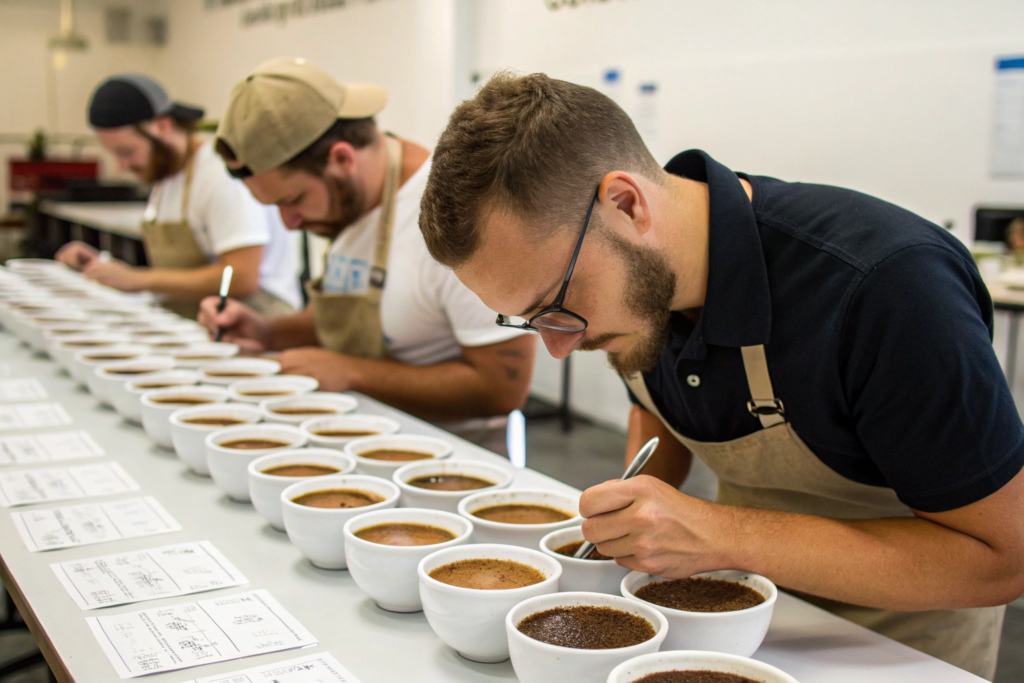
You test a blend through blind cupping with at least five people who represent your target customers. Include staff, loyal customers, and even people who have never tried your coffee. Prepare the blend in multiple preparations: espresso, filter, with milk. Ask specific questions: What words come to mind? Would you buy this? What would you pay? Record everything. If the feedback is inconsistent, go back to the lab. If it is consistently positive, you are ready.
What Is the "Milk Test" and Why Does It Matter?
Many blends are designed for milk drinks. But roasters often taste them black and assume they will work with milk. This is a mistake. Milk changes everything. It adds fat and sugar. It masks some flavors and highlights others. The milk test is simple: prepare your blend as a latte or cappuccino. Taste it. Does the coffee cut through the milk? Is the balance right? We have seen blends that tasted perfect black but turned flat and boring with milk. Test before you launch. Here is the Barista Guild's guide to milk-based beverage development. It includes tasting protocols.
How Do You Know When the Blend Is "Done"?
This is the hardest question. Perfectionism kills launches. You can tweak forever. The right time to stop is when the blend meets three criteria: it matches your original concept, it tastes good to a majority of testers, and it is reproducible with the beans you can reliably source. If you have those three, launch. You can always adjust later based on customer feedback. Here is the Lean Startup methodology applied to coffee. The principle of "minimum viable product" applies to blends too.
What Packaging and Pricing Strategies Work Best?
You can have the best blend in the world. If the packaging looks generic and the price is wrong, nobody buys it.
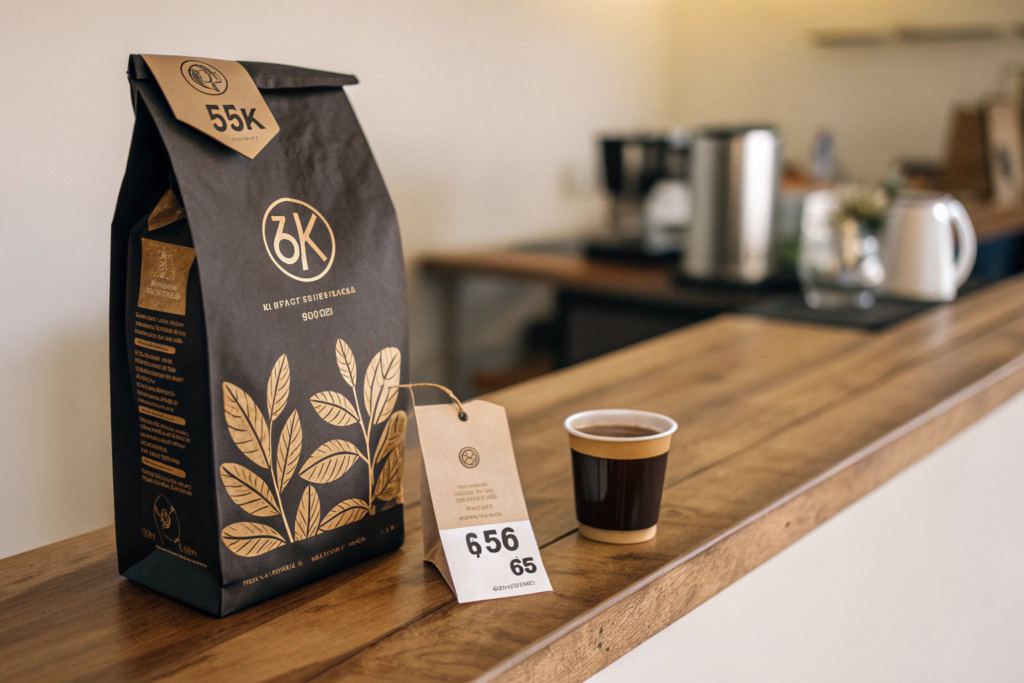
Packaging for a new blend must communicate three things instantly: the name, the flavor promise (through words or imagery), and the roast level. Avoid clutter. Use high-quality materials that signal value. For pricing, calculate your fully loaded cost (green beans, roasting, packaging, overhead, margin) and then compare to similar products in your market. If you are significantly higher, you need a compelling reason. If you are significantly lower, you are leaving money on the table.
Should You Use Different Packaging for Different Channels?
Yes. Cafés need different packaging than retail shelves. Cafés want easy-to-open, easy-to-store bags that fit their workflow. Retail customers want beautiful bags that look good on their counter. Wholesale accounts need durable bags that survive shipping. We see successful roasters using two or three bag formats for the same blend. It costs more but sells more. Here is the Packaging Digest guide to coffee bag selection. Also, this case study on blend packaging from Perfect Daily Grind.
How Do You Price a New Blend for Different Markets?
Pricing is psychology. A blend priced too low signals low quality. A blend priced too high limits your market. The sweet spot depends on your positioning. For a house blend, price competitively with other local roasters. For a signature blend, price at a premium and justify it with story and quality. We have seen roasters successfully launch blends at $18 per 12oz and others at $12. Both worked because the pricing matched the concept. Here is the SCA's pricing guide for roasters. It includes formulas for cost-plus and value-based pricing.
How Do You Train Staff and Educate Customers?
Your staff is your most important marketing channel. If they cannot explain the blend, customers will not buy it.
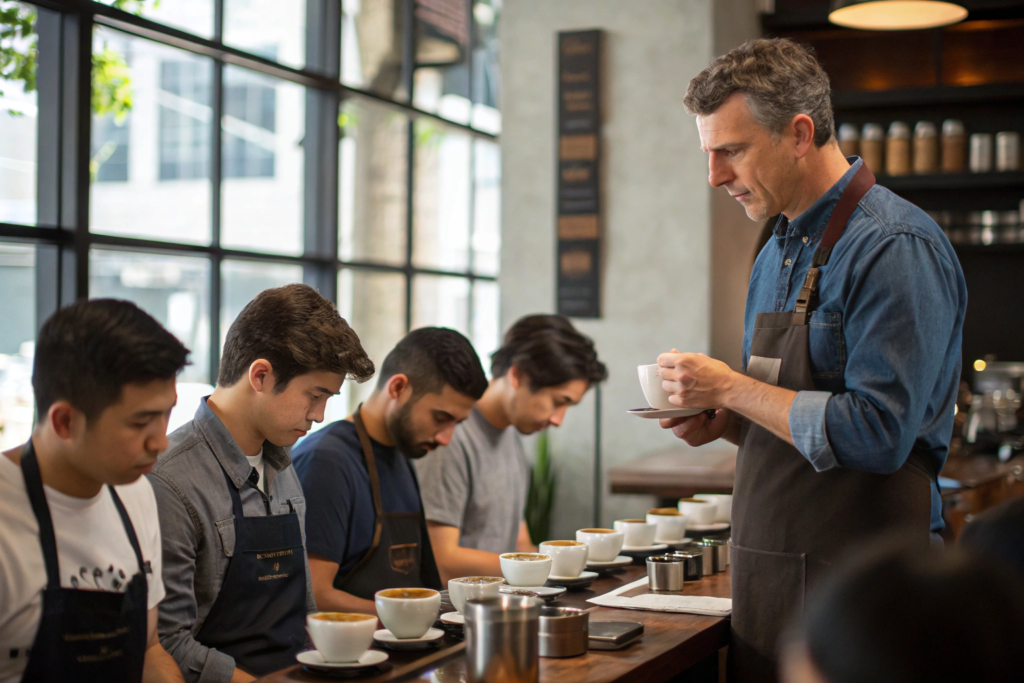
Before launch, train every staff member who will touch the coffee. They should taste it, know the story, understand the flavor notes, and be able to recommend it confidently. Provide them with simple talking points: "This is our new morning blend. It is bright and fruity, great for pour-over." Role-play customer questions. Make them excited. If they are not excited, customers will not be either.
What Training Materials Should You Create?
Keep it simple. A one-page "blend guide" with: name, concept, flavor notes, recommended brew methods, and three key selling points. Plus a tasting session where everyone tries it together. We have seen roasters create videos, but the most effective training is live and hands-on. Here is the Barista Guild's training resource library. It includes templates for blend training.
How Do You Educate Customers Without Overwhelming Them?
Customers want to know enough to choose confidently, not enough to write a thesis. Use signage, social media, and staff recommendations to convey the core message. "This blend is bright and fruity, perfect for pour-over." "This blend is rich and chocolaty, great with milk." Short, clear, useful. Avoid coffee jargon unless your customers are coffee professionals. Here is the NeuroMarketing guide to simplifying product messaging. The principles apply directly to coffee.
Conclusion
Launching a new coffee blend is not just about the beans. It is about the story, the testing, the packaging, the training, and the follow-through. A great blend launched poorly will fail. A good blend launched well can succeed. I have watched this happen hundreds of times. The roasters who succeed are the ones who treat the launch as seriously as the recipe. They involve customers early. They train staff thoroughly. They package beautifully. They price strategically. And they measure results so they can improve next time.
At BeanofCoffee, we supply beans to roasters who launch blends every season. The ones who follow these steps come back for more. The ones who skip steps come back with questions about why their blend did not sell. We prefer the first group.
If you are planning a new blend and want to source exceptional Yunnan coffee as a component—or as the star—email Cathy Cai. She will help you select lots that match your flavor goals, provide detailed lot information, and even hold inventory so your blend stays consistent. No pressure. Just coffee and advice from someone who wants you to succeed. Her address is: cathy@beanofcoffee.com.