Ever felt that sinking feeling when a potential multi-ton coffee deal hinges on a tiny sample bag? You've spent months, maybe years, perfecting your crop, and now it all comes down to a handful of beans arriving safely across the ocean. The fear is real: what if the packaging fails? What if the aroma is gone by the time it reaches your buyer, or worse, the beans are crushed? It's a high-stakes first impression, and getting it wrong can mean losing a valuable client like Ron from America before you even start talking about containers.
The best way to package coffee samples is to use a multi-layered approach: a high-barrier, resealable pouch with a one-way degassing valve to preserve freshness, placed inside a sturdy, custom-branded box for protection and a premium unboxing experience. This combination ensures the beans' quality, aroma, and physical integrity are maintained from our plantation in Yunnan to your buyer's cupping table anywhere in the world. This method directly addresses the primary concerns of international buyers: quality control and a reliable first impression of your product.
I've been in this business for a long time, and I've seen it all. From flimsy envelopes that arrive torn, to beautiful boxes that do nothing to protect the coffee inside. It took us a while, but we've learned that packaging isn't just a container; it's the first handshake with your client. It’s your silent promise of quality. So, let's break down how we at BeanofCoffee ensure that handshake is firm, confident, and speaks volumes about the premium Arabica beans we grow.
Why is Sample Packaging So Important?
You might think, "It's just a sample, what's the big deal?" But that small package is your entire business in miniature. For a buyer like Ron, who has probably received dozens of samples this month, yours needs to stand out for the right reasons. It's not just about the coffee; it's about the message your packaging sends. A poorly packaged sample screams "unprofessional" and "unreliable," raising immediate red flags about your ability to handle a large, international shipment. Honestly, it’s a detail that gets overlooked far too often.
The primary goal of sample packaging is to deliver your coffee beans in the exact condition they left your facility. This means protecting them from their three biggest enemies: oxygen, moisture, and physical damage. A successful delivery ensures the buyer experiences the true aroma, flavor profile, and quality of your beans, which is the entire point of sending a sample. It’s your one shot to make a first impression that leads to a long-term partnership.
So, what does this mean for you? It means that investing in quality sample packaging isn't an expense; it's a crucial marketing and sales investment. It’s the bridge between your hard work on the plantation and the buyer's decision-making process. Let's dive deeper into the specific elements that make a packaging solution truly effective and how they address the key pain points of international buyers.
How Does Packaging Protect Bean Freshness?
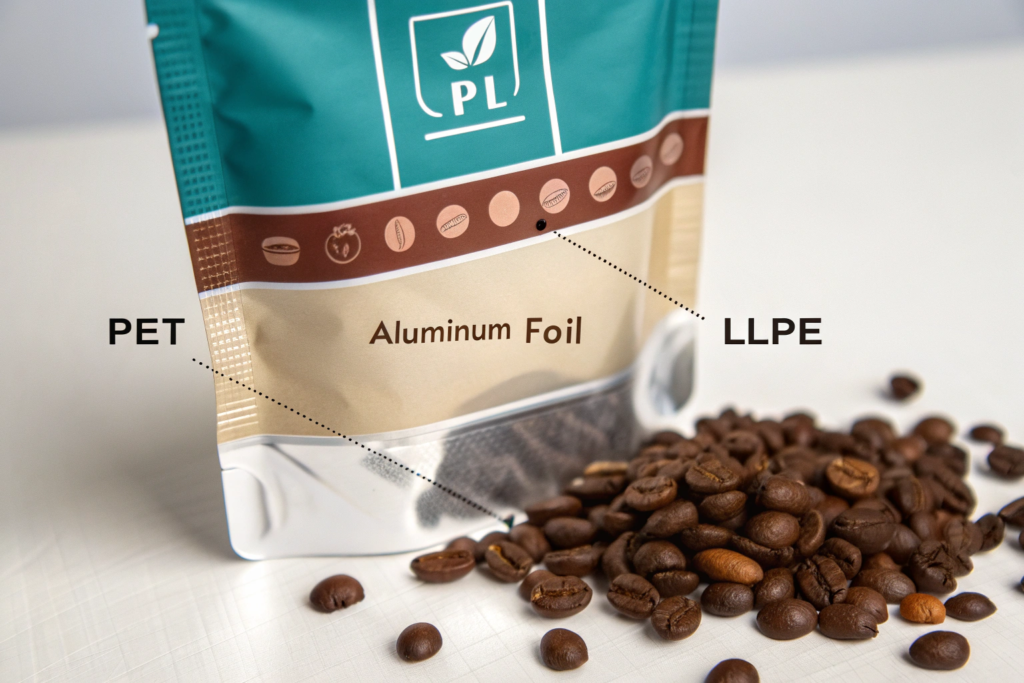
The moment roasted coffee beans are exposed to air, they begin to degrade. Oxygen is the main culprit, causing the delicate oils and aromatic compounds to oxidize, resulting in a stale, flat taste. This is a major concern for any serious buyer. The solution is a high-barrier material. We use multi-layer pouches, often made from a combination of foil, PET, and LLDPE. This creates a fortress against oxygen and moisture. Another way to look at this is the one-way degassing valve. Freshly roasted beans release CO2, and this valve lets that gas escape without letting any oxygen in. It's a small piece of tech, but it's absolutely critical for preserving that "just roasted" aroma and flavor that defines a premium coffee experience.
What Message Does Branding on Samples Send?
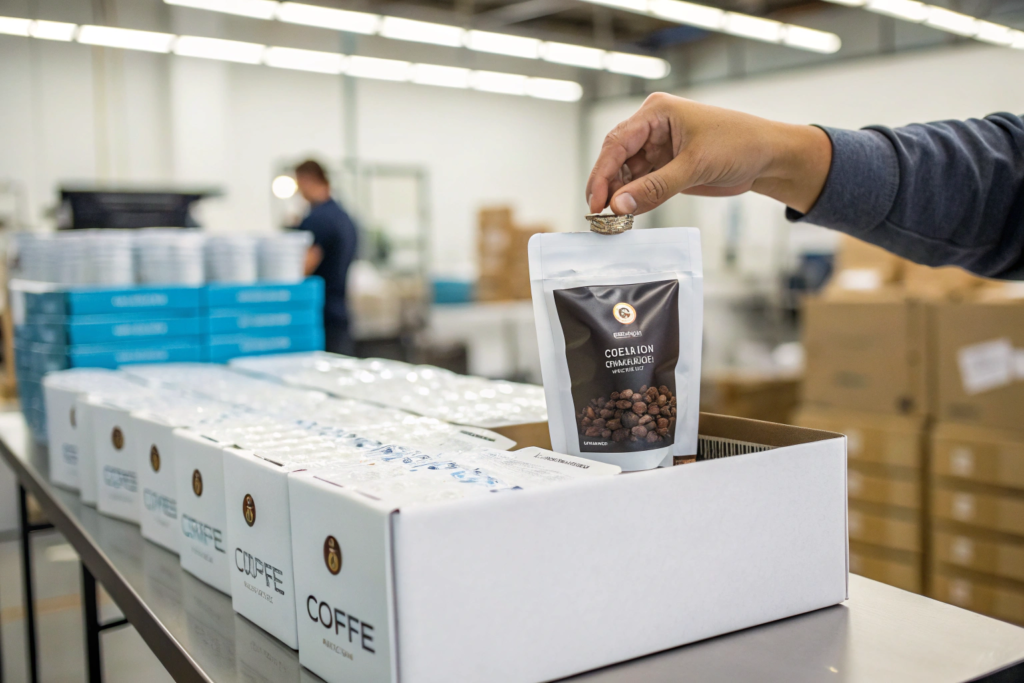
Your sample box is a miniature billboard. When a buyer receives a plain, unbranded pouch in a standard mailer, it's forgettable. But when they receive a sturdy, elegantly designed box with your logo, it communicates professionalism and confidence. It shows you care about your brand and every detail of your operation. This is more than just aesthetics; it’s about building trust. For a company owner like Ron, this attention to detail suggests that you'll apply the same level of care to his full container load. It reinforces your image as a safe, reliable, and trustworthy partner, which is a key sourcing point for any major importer. It tells them you’re not just a farmer; you’re a serious business partner.
What Are the Best Materials for Sample Bags?
Choosing the right material feels like a complex decision, doesn't it? You're balancing cost, protection, and even sustainability. I remember when we first started; we tried simple plastic bags to save a few cents. The result? A client in Germany told us our sample tasted like "cardboard and disappointment." That was a hard lesson, but a valuable one. It taught us that the material isn't just a bag; it's a preservation system.
The best material for coffee sample bags is unequivocally a multi-laminate structure that includes a layer of aluminum foil. While other materials like metallized films (VMPET) offer some protection, nothing beats the near-perfect barrier properties of foil against oxygen, moisture, and light. This ensures that the complex flavor profile of our Catimor or Arabica beans remains intact during its long journey from our base at Shanghai Fumao to a cupping lab in North America or Europe.
This choice directly addresses a buyer's primary pain point: quality control. When a sample arrives fresh, it builds immediate confidence in your product. It proves that you understand the science of coffee preservation and are committed to delivering excellence. Let's break down the most common options and why a clear winner emerges for serious exporters.
Are Foil-Lined Bags the Top Choice?
Yes, without a doubt. Foil-lined bags are the gold standard for a reason. The aluminum layer provides an almost absolute barrier to environmental factors. Think of it as a flexible vault for your beans. This is especially important for international shipping, where a sample might spend weeks in transit, exposed to varying temperatures and humidity levels. While some might argue for more "eco-friendly" options, the risk of delivering a compromised, stale sample is far too high. A spoiled sample means a lost opportunity, which is the most wasteful outcome of all. For a detailed look at packaging materials, the Flexible Packaging Association offers great resources. Ultimately, protecting the integrity of the coffee bean itself is the most sustainable choice, as it prevents the waste of the product and the resources used to grow and ship it.
What About Kraft Paper Bags?
Kraft paper bags have a wonderful, rustic aesthetic that many brands love. They look natural and eco-friendly. However, for shipping valuable international samples, they are often a poor choice unless they have the right interior. A simple paper bag offers zero protection against moisture and oxygen. If you love the look of Kraft, the only viable option is a multi-layer bag that has a Kraft paper exterior but a high-barrier foil or VMPET lining on the inside. This gives you the best of both worlds: the visual appeal and a protected product. But you must ensure it has that protective inner layer. A buyer will appreciate the look, but they will only be impressed by the quality of the coffee inside, which depends entirely on that hidden barrier film.
How Do You Protect Samples During Shipping?
You've perfected the bean and sealed it in a high-tech pouch. Now comes the final boss: the global postal system. It's a brutal journey. Packages are dropped, thrown, and stacked under heavy items. I once sent a sample to Australia in just a padded envelope. It arrived with more ground coffee than whole beans. The buyer's email was polite but firm: "If you can't get a 100g sample to me safely, how can I trust you with 20 tons?" He was right.
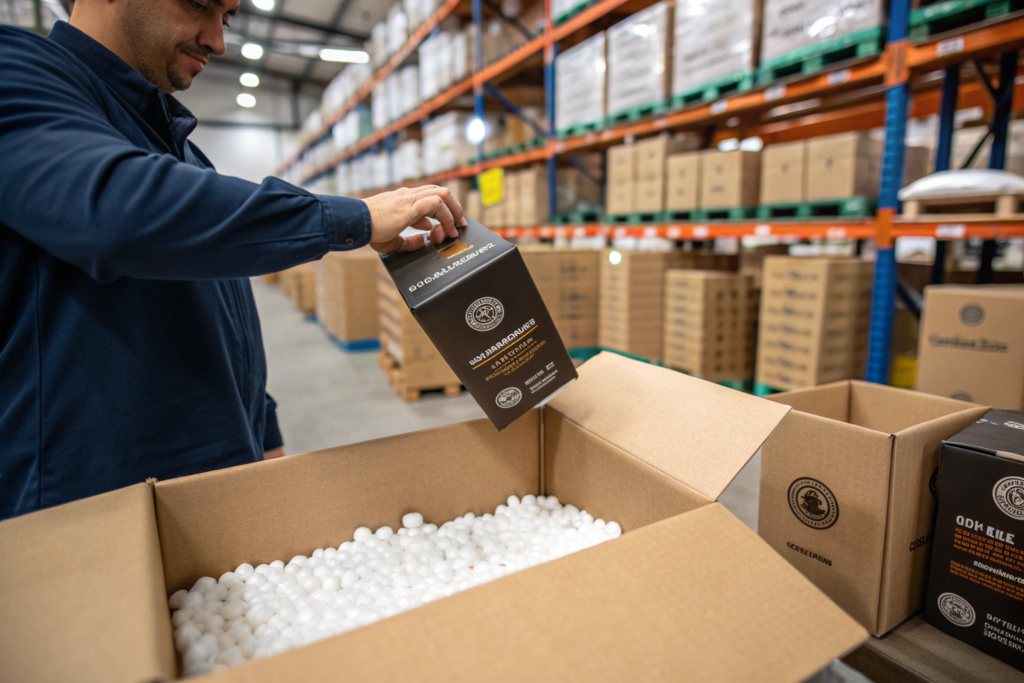
The key to protecting samples during shipping is to think in terms of layers. The primary pouch protects the beans' freshness, but a secondary layer of protection is needed to guard against physical impact. The best solution is placing your sealed sample pouch inside a small, sturdy, and well-fitted corrugated cardboard box. This "box-in-a-box" method provides a critical buffer zone, absorbing shocks and preventing the beans from being crushed. It's the difference between a buyer receiving whole, beautiful beans and a bag of broken pieces and dust.
This approach directly tackles a buyer's anxiety about reliability and security. A well-protected package demonstrates foresight and a commitment to quality at every step. It shows you understand the realities of international logistics and have engineered a solution. It’s a practical demonstration of you being a trustworthy partner.
Is a Padded Mailer Enough?
Honestly, no. A padded bubble mailer is not sufficient for protecting whole bean coffee samples. While it provides minimal cushioning, it offers no structural rigidity. Under the weight of other packages in a mail bin, the mailer will compress, and the beans inside can easily be crushed or broken. Broken beans have a larger surface area, which leads to faster oxidation and a loss of flavor, even if the bag itself remains sealed. This is a detail that separates amateurs from professionals. Using a proper box is a small, inexpensive step that pays huge dividends in perception and quality preservation. It’s a fundamental part of a secure supply chain. For buyers concerned with quality control, seeing a sturdy box is an immediate sign of a supplier who knows what they're doing.
What About Adding a Personal Touch?
This is where you can truly stand out. Inside the box, along with the coffee sample, include a small, professionally printed card. This card should have your company name, your name and contact information, the website (Shanghai Fumao), and key details about the coffee itself: origin (Baoshan, Yunnan), varietal (e.g., Catimor, Arabica), processing method, and tasting notes. This small addition transforms the sample from a generic commodity into a curated tasting experience. It shows you are proud of your product and provides the buyer with the exact information they need for their evaluation. It also makes it easy for them to contact you when they are impressed. This level of detail is often a key differentiator in the B2B sales process.
What Information Must Be Included with the Sample?
Imagine Ron, our American buyer, has 10 different samples on his desk. Nine of them are just anonymous bags of beans. Yours arrives with clear, concise information. Which one do you think he'll evaluate first? Which supplier will he remember? Providing the right information is not just helpful; it's a strategic tool to guide the buyer's experience and make their job easier. And when you make a buyer's job easier, you're already halfway to building a great relationship.
The most critical information to include is everything the buyer needs to both evaluate the coffee and contact you to place an order. This information should be presented clearly and professionally, ideally on a dedicated info card or a well-designed label. At a minimum, you must include the coffee's origin, varietal, processing method, and key tasting notes. Equally important is your company information: your brand name (Shanghai Fumao), a specific contact person, and their email address. Forgetting this is like running a race and stopping just before the finish line.
This directly addresses the buyer's need for efficiency. They don't have time to chase you for basic details. By providing it upfront, you show respect for their time and position yourself as an organized, efficient partner. It removes friction from the buying process and makes it easy for them to take the next step.
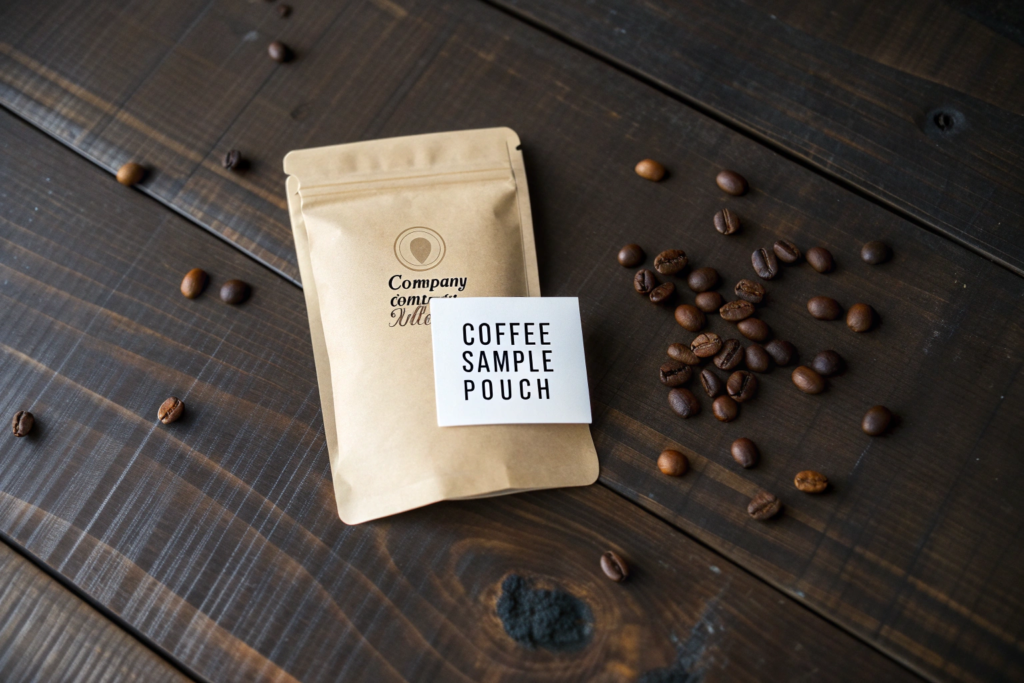
What Are the Essential Coffee Details?
Every coffee professional needs specific data to do their job. Don't make them guess. Your info card or label must be clear and concise. Include these key points:
- Origin: Baoshan, Yunnan, China. This is a unique selling point.
- Varietal: Be specific. Is it Catimor, Typica, or another Arabica sub-type?
- Processing Method: Washed, Natural, or Honey? This has a massive impact on the flavor profile.
- Roast Date: This is non-negotiable. It tells the buyer exactly how fresh the sample is and shows you understand the importance of freshness.
- Tasting Notes: Provide 3-4 key flavor notes (e.g., "dark chocolate, almond, hint of citrus"). This sets their expectation and guides their cupping.
Providing these details shows you are a knowledgeable and transparent coffee producer.
Why Is Contact Information So Crucial?
This might seem obvious, but you'd be surprised how many samples I've received over the years with no clear way to follow up. The buyer might love your coffee, but if they have to spend 20 minutes digging through emails or searching online to figure out who sent it, their enthusiasm will wane. They might just move on to the next sample on their desk that does have clear contact info. Include a specific person's name, like our own Cathy Cai, and her direct email. This personalizes the communication and gives the buyer a clear point of contact. It removes all barriers to communication and makes it incredibly simple for them to say, "We love the sample, let's talk about pricing for a full container." This simple step is a powerful call to action.
Conclusion
In the end, packaging your coffee samples is far more than just putting beans in a bag. It is your first, and sometimes only, chance to make a powerful impression on a potential long-term partner. It’s a direct reflection of your professionalism, your attention to detail, and your commitment to quality. By using a high-barrier, valved pouch to preserve freshness, and a sturdy, branded outer box to ensure it arrives safely and impressively, you are speaking a language that every serious buyer understands. You are telling them that you are a reliable, trustworthy, and quality-focused supplier who is ready for business.
From our 10,000 acres in the mountains of Baoshan, we’ve learned that every single bean matters. We’ve also learned that the journey those beans take to your cupping table is just as important. We've refined our process to ensure that the sample you receive is a perfect representation of the premium coffee we produce.
If you are a buyer who values quality, reliability, and a partner who understands the nuances of the global coffee trade, we believe our samples will speak for themselves. To begin your own evaluation of our exceptional Yunnan coffee, please reach out to our head of client relations, Cathy Cai, at cathy@beanofcoffee.com. We are confident that your search for a stable, high-quality coffee supplier ends here.