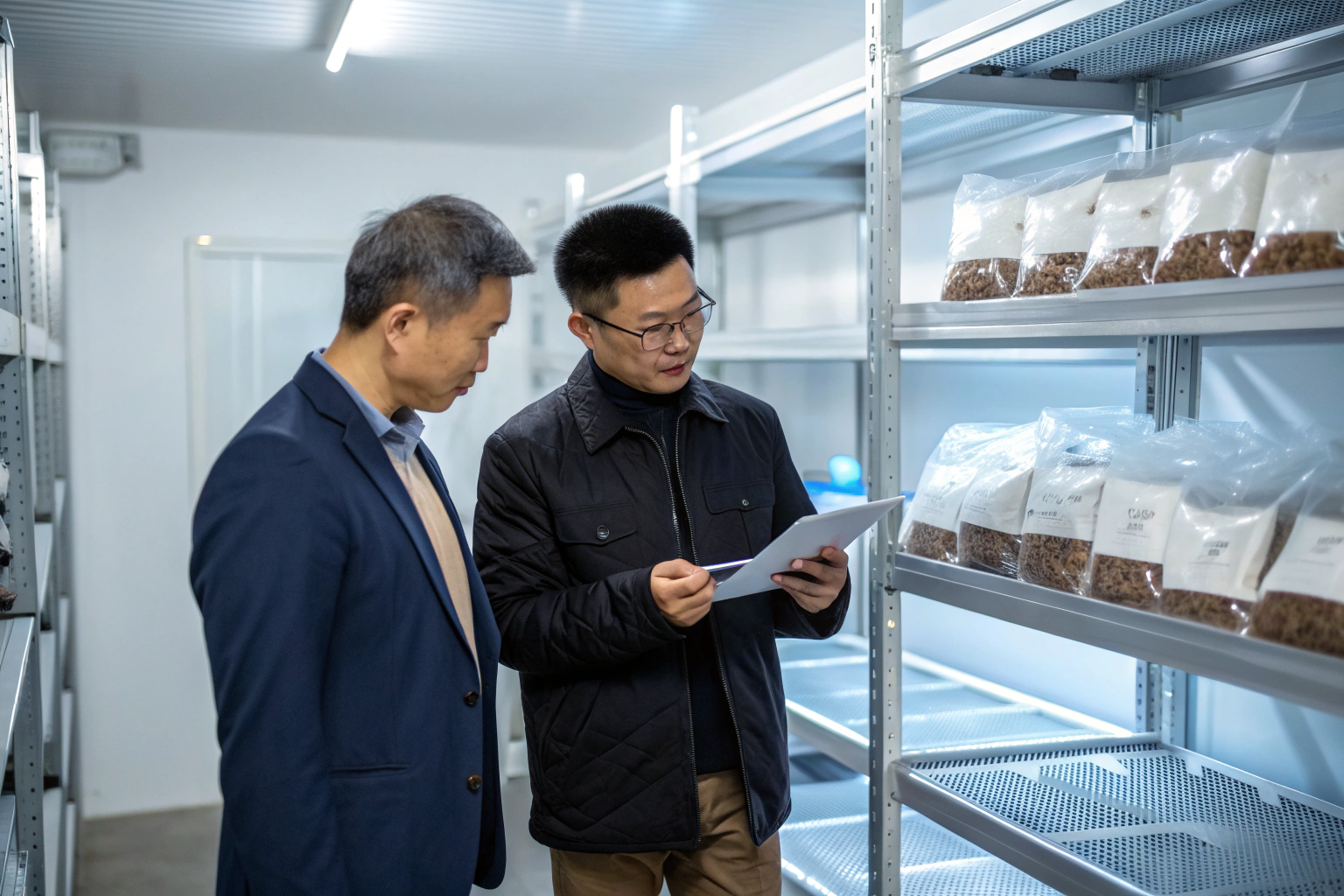
You just received five samples from different origins. You're excited. You want to roast them, cup them, and find your next great coffee. But you're busy. A week goes by. Then two. Finally, you open the first bag, roast it, and... nothing. It's flat. Lifeless. The magic is gone. I've seen this happen to too many good buyers. It's frustrating, and it's completely avoidable. The way you store those small samples is just as important as the way we grew the beans.
So, what is the best way to store coffee samples? The short answer is: in a cool, dark, and airtight environment, and you should roast them as quickly as possible. Green coffee is not dormant. It's a seed. It's slowly breathing, losing moisture, and absorbing the smells around it. For accurate, reliable roast testing, you need to preserve the bean exactly as it was the day it left our warehouse. That means controlling temperature, humidity, light, and air exposure from the moment the sample arrives at your door.
I've been in this business long enough to know that samples are the foundation of trust. If the sample is bad, the relationship is bad before it even starts. Another way to look at this is to think of a green coffee sample as a fresh vegetable. You wouldn't leave a tomato on the counter for three weeks and then expect it to taste like it did the day you bought it. Coffee is the same. Let me walk you through exactly how we handle samples at BeanofCoffee, and how you can protect your investment on your end.
Why Does Green Coffee Quality Deteriorate After Roasting?
Before we talk about storage, we need to understand the enemy. What actually happens to a green coffee bean over time? It's not like wine. It doesn't get better with age. It's a slow, steady decline. And the rate of that decline depends entirely on you.
Green coffee deterioration is caused by three main factors: oxidation, moisture loss or gain, and temperature fluctuation. When a bean is exposed to oxygen, the oils inside slowly oxidize, leading to rancid flavors. If the air is too dry, the bean loses moisture and becomes brittle, leading to uneven roasting. If the air is too humid, the bean absorbs moisture and can develop mold or off-flavors. Heat speeds up all of these processes. Light, especially sunlight, can also degrade the bean's cellular structure. Your goal in storage is to stop, or at least slow down, all of these processes.
Here's something that might surprise you. A coffee bean is porous. It's like a sponge. If you store it next to a bag of spices, it will eventually smell like those spices. If you store it in a cardboard box in a garage that smells like gasoline, your coffee will taste like gasoline. I've cupped beans that tasted like paint thinner because they were stored in a warehouse that was recently painted. The bean absorbs everything. So, what does this mean for you? It means that storage isn't just about the bean itself. It's about the entire environment around the bean.
What Chemical Changes Happen Inside a Stored Green Bean?
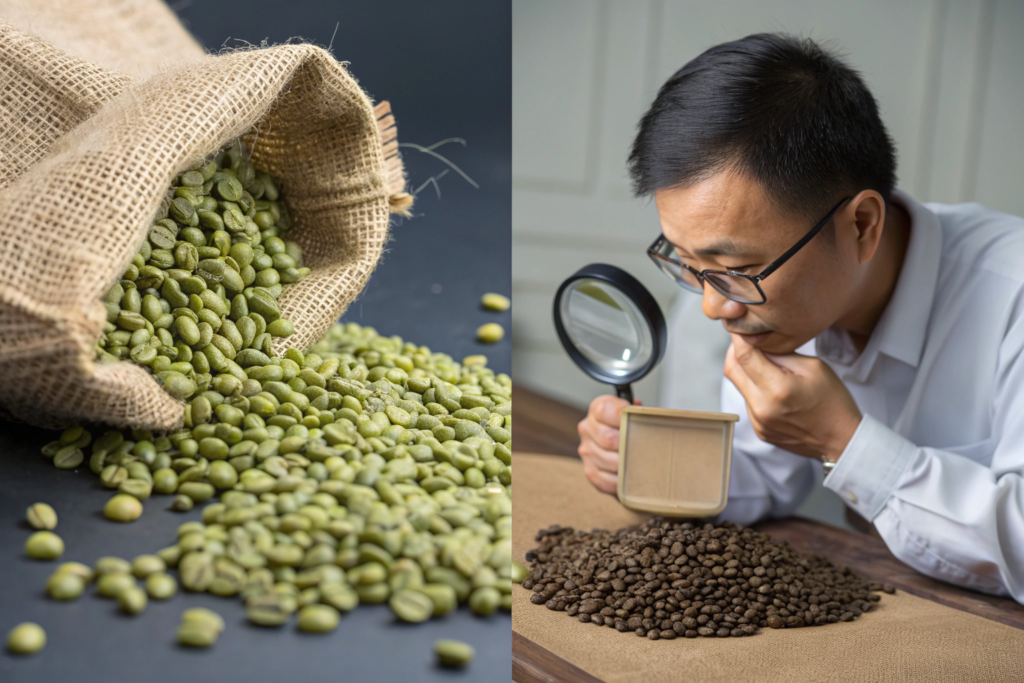
Let's get a little technical for a moment. Inside every green coffee bean, there are complex sugars, acids, and lipids. Over time, these compounds break down. Sucrose converts to glucose and fructose. Chlorogenic acids start to degrade. The lipids, which carry a lot of the flavor, can oxidize and go rancid. These are slow chemical reactions, but they are real. In a poorly stored sample, you might not taste full-on rancidity, but you will taste a lack of vibrancy. The brightness fades. The complexity flattens. You're not tasting the coffee; you're tasting its decay. That's why proper sample storage is critical for accurate evaluation. You need to taste the potential of the bean, not the damage caused by your storage closet.
How Fast Does Flavor Degradation Actually Occur?
Speed depends on conditions. In ideal conditions—cool, dark, airtight—a green coffee sample can stay reasonably fresh for three to six months. But in bad conditions? You can lose quality in weeks. I've tested this. I left a sample of our Yunnan Catimor on a sunny windowsill for two weeks. When I roasted it, the result was flat and slightly papery. The fruit notes were gone. The body was thin. It was a completely different coffee. The lesson is simple: treat every sample like it's perishable. Because it is. This flavor degradation happens faster than most buyers realize, which is why we always recommend roasting samples within the first week of arrival, if possible.
What Temperature and Humidity Levels Are Ideal for Coffee Samples?
Okay, so we know the enemy. Now let's talk about the fortress. What are the actual numbers? What should your sample storage area look like? If you're a large buyer receiving dozens of samples a month, this matters even more. You need a system.
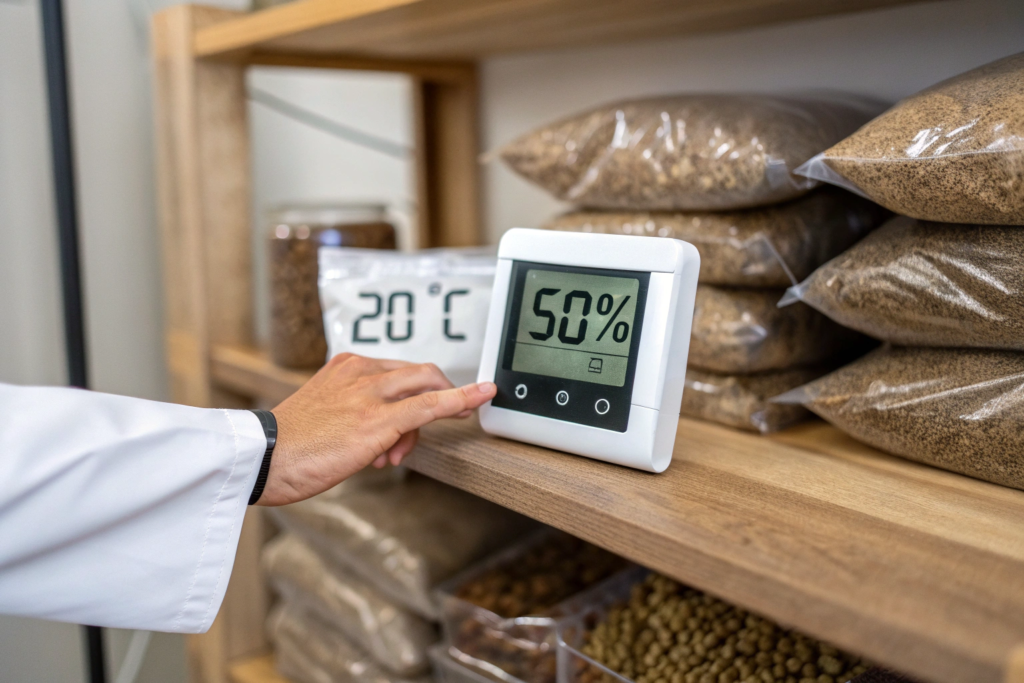
The ideal temperature for storing green coffee samples is between 15°C and 21°C (60°F to 70°F). The ideal relative humidity is between 50% and 60%. You want to avoid any extreme fluctuations. A steady, cool environment is your goal. If you can't control the temperature in your storage area, consider using a dedicated wine fridge or a cool basement. Avoid attics, garages, or any area that gets hot in the summer or freezing in the winter. Temperature swings cause condensation inside the bag, which is a disaster waiting to happen.
I know what you're thinking. "I don't have a climate-controlled lab. I have a shelf in my office." That's okay. You can work with that. The key is to find the coolest, darkest, most stable spot you have. An interior closet away from windows and heating vents is often a good choice. Another way to look at this is to think about your own comfort. If the room feels too hot or too humid for you to be comfortable, it's probably too hot and humid for your coffee samples. Your body is a pretty good sensor for basic storage conditions.
Why Is a Wine Fridge a Great Investment for Serious Buyers?
If you're a roaster or a buyer who evaluates samples regularly, I strongly recommend investing in a small wine fridge. Not a beer fridge (those are often too cold), but a wine fridge set to around 18°C. Wine fridges are designed to maintain a consistent temperature and humidity level, and they protect against light. You can store dozens of samples in there, organized by origin or date. It's a relatively small investment that pays huge dividends in sample accuracy. When you pull a sample from a wine fridge, you know it's been protected. You can trust what you're tasting. This kind of climate-controlled storage is standard practice for serious cupping labs, and it should be for you too.
Can You Freeze Green Coffee Samples for Long-Term Storage?
This is a common question. And the answer is... it's complicated. Freezing can preserve green coffee for a very long time, but only if done correctly. The danger is moisture. When you pull a frozen bag out into warm air, condensation forms on the cold beans. That moisture can destroy them. If you want to freeze samples, you must vacuum-seal them in moisture-proof bags, and you must let them come fully to room temperature before opening the bag. Never open a cold bag. If you do this right, you can store samples for a year or more. But if you're just storing for a few weeks or months, freezing is overkill. A cool, dark shelf is enough. We work with logistics experts like Shanghai Fumao to ensure that even our sample shipments are protected from temperature extremes during transit, so they arrive in good condition.
What Type of Packaging Best Protects Coffee Samples?
The bag matters. A lot. I've received samples in all kinds of containers—plastic bags, paper envelopes, even old cookie tins. And you know what? The coffee in the cookie tin was the worst. The metal transferred heat, and the tin wasn't sealed. The beans were exposed. If you're serious about evaluating coffee, you need to be serious about how you store it after it arrives.
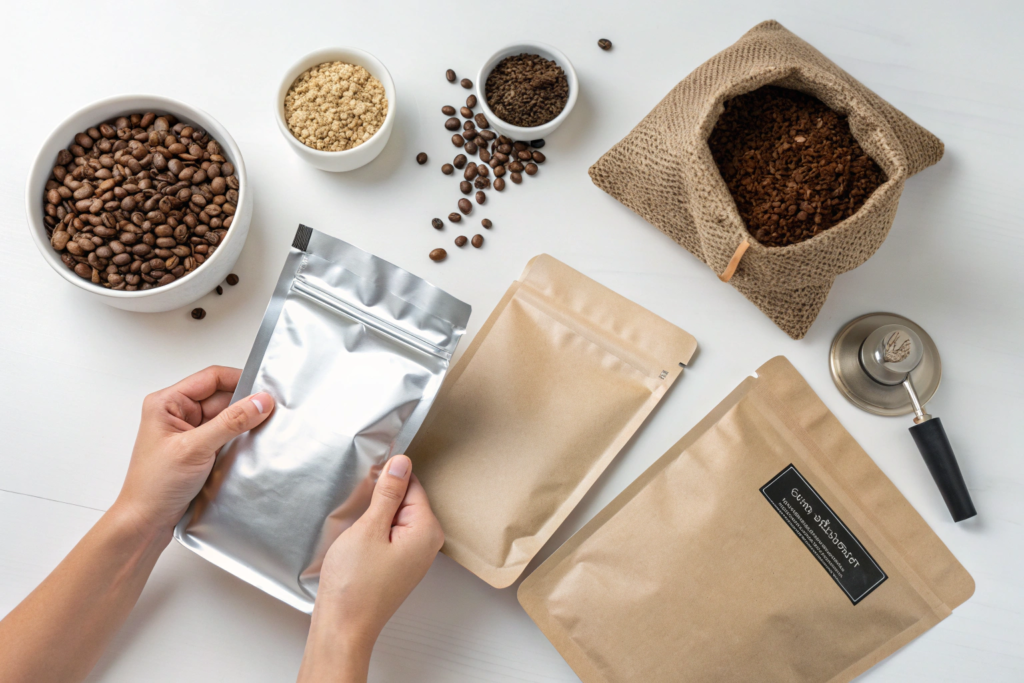
The best packaging for coffee sample storage is a high-barrier, airtight bag. Ideally, this is a foil-lined mylar bag with a one-way degassing valve (if the coffee is freshly roasted) or a vacuum-sealed bag for green beans. For green samples, vacuum sealing removes the oxygen and locks the bean in its current state. If you're not vacuum sealing, you want a bag with a very tight zipper seal, and you should squeeze out as much air as possible before closing it every single time.
Another way to look at this is to think about the surface area of the bean exposed to air. In a full 60kg bag, the beans on the outside are exposed to some air, but the beans in the center are protected by the mass of beans around them. In a small 250g sample bag, every single bean is close to the surface. They are all exposed. That's why sample packaging needs to be even more protective than bulk packaging. The smaller the lot, the more vulnerable it is.
Are Ziploc Bags Acceptable for Short-Term Storage?
For a day or two? Maybe. For a week? No. Ziploc bags are not high-barrier. Air will eventually seep through the plastic and the seal. They are fine for transporting a sample from your cupping table to your desk, but they are not a storage solution. If you have to use a Ziploc, put that Ziploc inside another airtight container, like a glass jar with a rubber seal. Double-layer protection is better than nothing. But honestly, investing in proper mylar sample bags is cheap and easy. You can buy them online in bulk. They are the right tool for the job.
Why Do We Vacuum-Seal Samples Before Shipping to You?
At BeanofCoffee, we vacuum-seal almost all of our samples before we ship them. Why? Because it locks in the flavor profile from the moment they leave our lab. It protects the beans during the long journey to the U.S., Europe, or Australia. It prevents them from absorbing any strange smells from the cargo hold of an airplane or a mail truck. When you receive a vacuum-sealed brick of beans from us, you know that what's inside is exactly what we cupped in Baoshan. You can open it with confidence. This vacuum-sealed packaging is part of our commitment to transparency and accuracy. We want your testing to be fair and true.
How Should You Organize and Rotate Your Coffee Sample Inventory?
You've stored them correctly. Now, can you find them? I've walked into roasteries where samples are piled in a corner, unlabeled, mixed together. It's chaos. And chaos leads to mistakes. You might grab an old sample by accident, cup it, and reject a great coffee because you thought it was fresh. Organization is part of quality control.
A good sample inventory system has three rules: label everything immediately, store by date, and rotate religiously. When a sample arrives, write the origin, the variety, the harvest date, and the date received on the bag. Store them in order of arrival, with the newest in the back. When you need to cup, always pull from the oldest first. This "first in, first out" (FIFO) system ensures you're always evaluating samples at their peak and not letting good coffee go to waste.
Another detail that often gets overlooked is the sample log. Keep a simple spreadsheet or notebook. Track which samples you've cupped, what you thought of them, and whether you requested more information or a quote. This becomes a valuable record over time. You can look back and see patterns. "Ah, last year's Yunnan harvest from BeanofCoffee had a bright acidity, and this year's is more chocolatey." That kind of information helps you make better buying decisions. It turns sample evaluation from a random event into a strategic process.
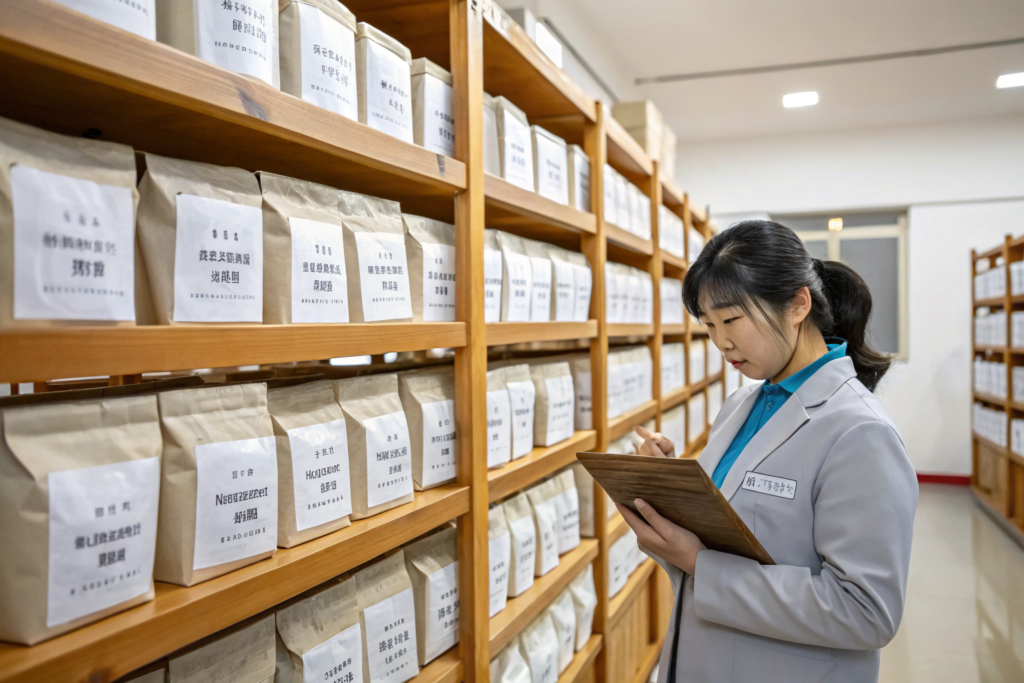
What Information Must Be on Every Sample Label?
Don't rely on your memory. Write it down. At a minimum, every sample bag should have:
- Origin: Country and region (e.g., Yunnan, China)
- Producer/Farm: BeanofCoffee, Block 7
- Variety: Catimor, Arabica, Robusta
- Process: Washed, Natural, Honey
- Harvest Date: Month and Year
- Date Received: So you know how long you've had it
- Your Reference Number: If you use an internal coding system
This might seem like overkill, but when you have 30 samples on your shelf, you will thank yourself. Clear sample labeling saves time and prevents confusion. It's a simple habit that separates professionals from amateurs.
How Long Should You Keep Coffee Samples Before Discarding?
This depends on your volume and your needs. As a rule of thumb, we recommend keeping samples for six months to a year after you've made a decision. Why? Because if you have a quality dispute later, you have a reference point. You can pull the original sample and cup it against the delivered coffee. It's your evidence. After a year, unless it's a very special or rare coffee, you can probably discard it responsibly. But don't just throw it in the trash. Green coffee can be composted or used as garden mulch. It's a natural product. It should go back to the earth. This sample retention policy protects both you and us. It's another layer of trust in the supply chain. And when you work with reliable logistics partners like Shanghai Fumao, you have a full chain of custody from farm to sample to bulk shipment.
Conclusion
Storing coffee samples correctly isn't complicated, but it does require intention. Control the temperature, control the humidity, use the right packaging, and keep everything organized. When you do these things, you ensure that every sample you cup is a true representation of the coffee we grew. You make better buying decisions. You build a better brand.
At Shanghai Fumao, we take the same care with our samples that we take with our full container shipments. We want you to see the truth of our coffee. We want you to trust what you taste. And when you're ready to move from sample to shipment, we're here to make that transition seamless.
If you'd like to receive some properly stored, vacuum-sealed samples of our Yunnan Arabica, Catimor, or Robusta, just email Cathy Cai. She'll get them to you fast, packaged with care. Her email is: cathy@beanofcoffee.com. Let's start with a great sample and build from there.