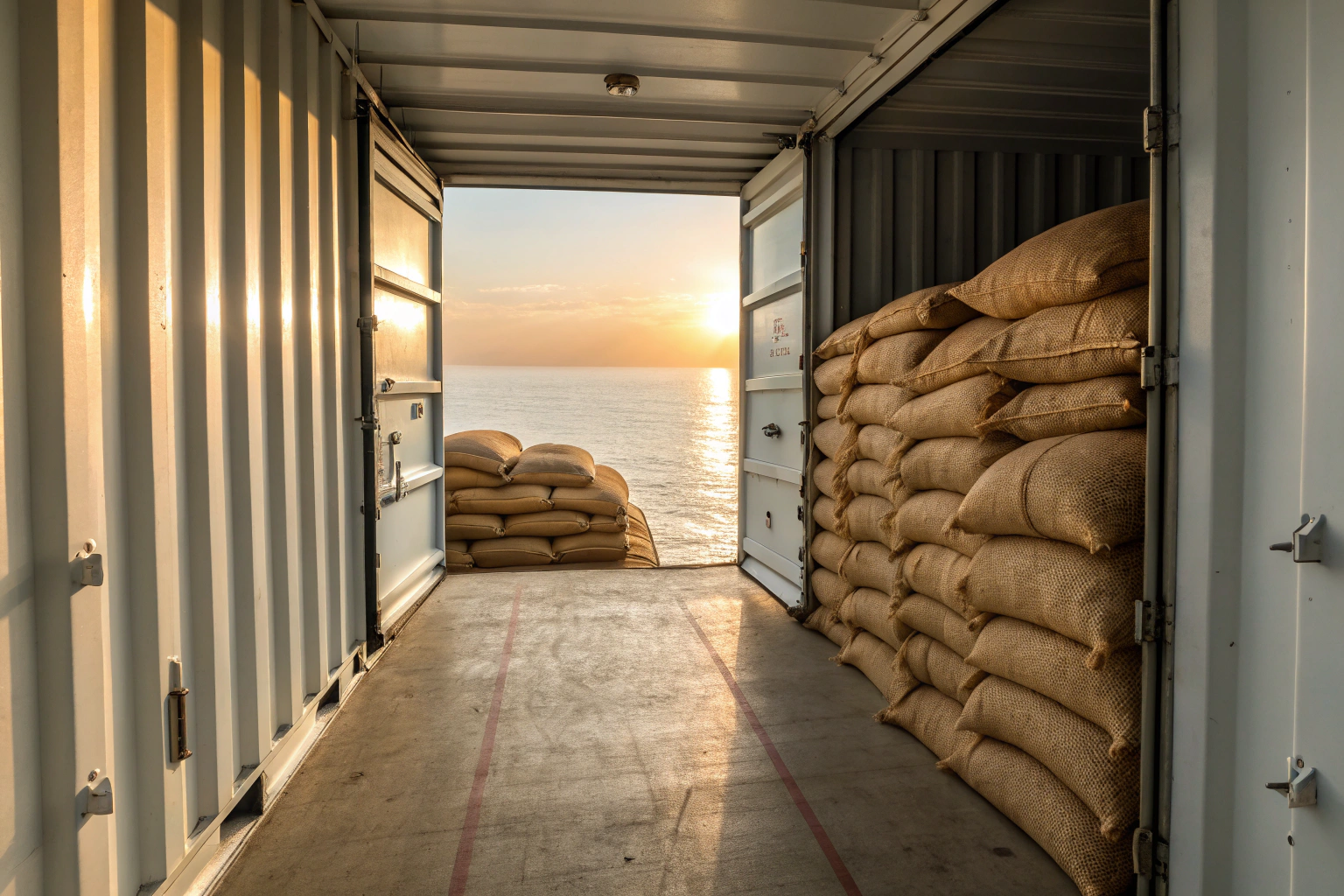
You've done everything right. You've sourced an amazing coffee, approved the samples, and negotiated a great price. But now comes the part you can't see: a multi-week journey across a vast ocean. You're worried. What happens inside that metal box? Will your coffee bake in the tropical heat, absorb moisture, or arrive tasting like the container floor? This "black box" of ocean freight is a massive pain point for buyers, as a poorly managed shipment can ruin a perfect coffee before it ever reaches your roastery.
Honestly, the best way to transport coffee across oceans is in a clean, dry, food-grade shipping container, with the green coffee beans protected inside high-barrier plastic liners (like GrainPro) to create a stable micro-environment. This combination protects the beans from the two biggest threats at sea: extreme temperature fluctuations and moisture contamination (container rain).
I consider the shipping container to be the final "warehouse" for our coffee before it reaches you. The care we take on our farms in Yunnan must extend to this final leg of the journey. It's not enough to just load the bags and hope for the best. It requires a proactive strategy to create a protective bubble around your investment. Let's unpack the best practices that ensure your coffee arrives as fresh as the day it was packed.
Why Are Shipping Containers a Threat to Coffee?
A standard shipping container is just a metal box. It has no insulation and no climate control. As it travels across the ocean, it is exposed to a brutal range of environmental conditions, creating a surprisingly hostile environment for sensitive agricultural products like coffee.
The primary threat inside a shipping container is "container rain" or "cargo sweat." This occurs when the container passes through different climate zones, causing drastic temperature swings. Warm, humid air inside the container condenses on the cold ceiling and walls (cooled by night air or cold ocean water), forming water droplets that rain down onto the cargo, leading to mold and spoilage.
Imagine taking a cold can of soda outside on a hot, humid day. The condensation that immediately forms on the can is exactly what happens inside a container, but on a much larger and more destructive scale. A single cycle of this can wet the top layer of your coffee sacks, which is often enough to ruin a significant portion of your shipment. Protecting against this phenomenon is the number one priority in coffee logistics.

How extreme are the temperature swings?
During a typical journey from Asia to the United States, a container might be loaded in a hot, humid port, travel through the cool North Pacific, and then sit in a sun-drenched port in California. The temperature inside the container can easily swing from over 120°F (50°C) during the day to 50°F (10°C) at night. This constant fluctuation is the engine that drives the condensation cycle.
What other risks exist in a container?
Beyond moisture, other risks include:
- Odor Contamination: If the container was previously used to transport strong-smelling goods (like chemicals, tires, or spices) and wasn't cleaned properly, your coffee will absorb these odors.
- Pests: A dirty container can harbor insects or other pests that can infest your coffee.
- Physical Damage: Improperly loaded bags can shift during rough seas, leading to torn sacks and spilled coffee.
How Do High-Barrier Liners Protect Coffee?
Given the hostile environment of a shipping container, the most effective solution is to create a smaller, stable environment for the coffee itself. This is precisely what high-barrier liners do. They are the single most important innovation in coffee transportation in the last half-century.
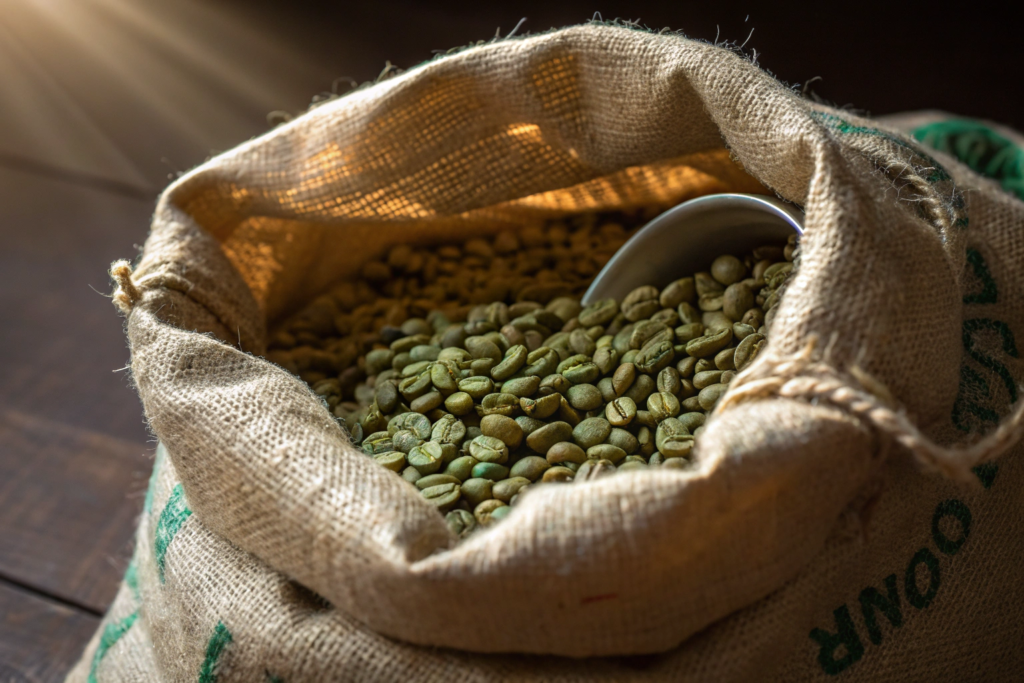
High-barrier liners, such as those made by GrainPro or Ecotact, are hermetically sealed plastic bags placed inside the traditional jute sack. These liners are impermeable to water vapor and oxygen, effectively isolating the green coffee from the ambient humidity of the container. This prevents the beans from absorbing moisture and stops the container rain phenomenon from ever reaching the coffee.
This "bag-in-a-bag" system is a simple but brilliant solution. It locks in the coffee's ideal moisture content (around 11%) at the point of origin. No matter how much the humidity fluctuates inside the container, the coffee inside the sealed liner remains in its own perfect, stable world. This is why we at Shanghai Fumao consider these liners a non-negotiable part of our export protocol for all quality-focused shipments.
Do they prevent flavor loss?
Yes. By creating a low-oxygen environment, these liners also slow down the coffee's natural aging process. The volatile aromatic compounds that give coffee its distinct flavor and aroma are much better preserved. This means the coffee arrives at your roastery tasting fresher and more vibrant, closer to how it tasted at the origin. It extends the "green life" of the coffee significantly.
Are there any downsides?
The only real downside is the additional cost, which is typically a few dollars per bag. However, this cost is trivial when compared to the potential loss from a single water-damaged bag of specialty coffee, which could be worth hundreds of dollars. It's an incredibly cost-effective insurance policy.
What Is a "Food-Grade" Container and Why Is It Essential?
The container itself is the first line of defense. Not all containers are created equal. A container that just carried a load of scrap metal is not suitable for carrying a food product. Insisting on the right type of container is a basic but critical step.
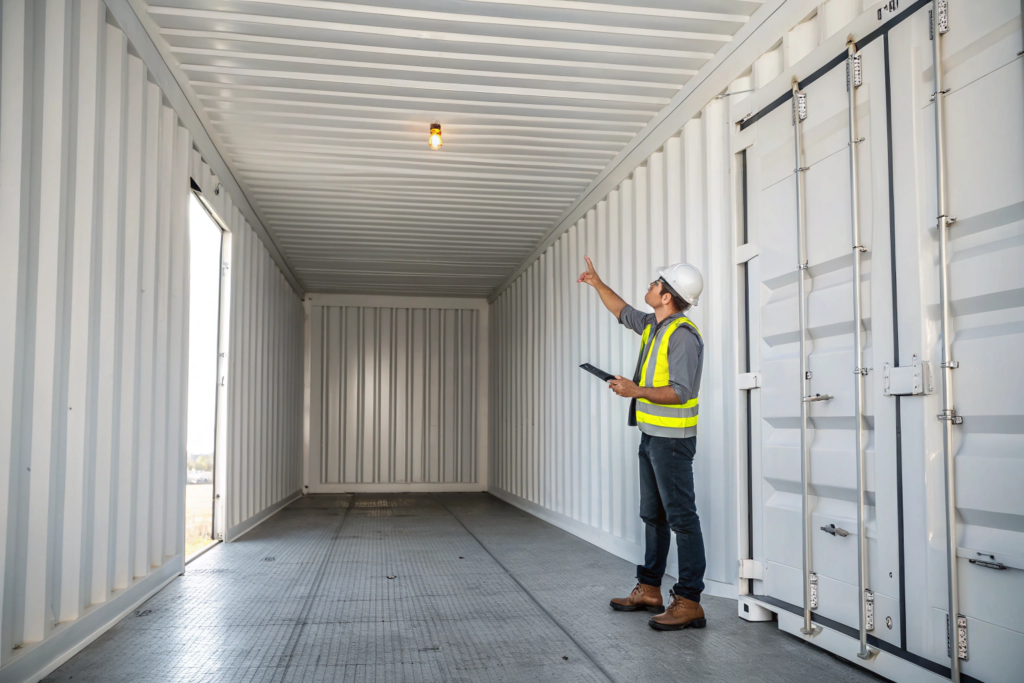
A "food-grade" container is a shipping container that is clean, dry, structurally sound, and free from any residues or odors from previous cargo. Before loading, the container must be thoroughly inspected to ensure there are no holes, rust, or strong smells. Using anything less than a food-grade container puts your coffee at risk of contamination.
As the shipper, this is our responsibility. We always inspect the empty container provided by the shipping line before we allow any coffee to be loaded. If it doesn't meet our standards—if it's dirty, smells strange, or has holes in the roof—we reject it and demand a replacement. You should ensure that your contract with your supplier specifies that a clean, food-grade container must be used.
What should an inspection look for?
A proper container inspection involves:
- Visual Check: Look for any visible dirt, debris, or signs of pests.
- Odor Check: The container should be free of any strong or unusual smells.
- Light Test: Stand inside the container, close both doors, and look for any pinpricks of light coming through the walls or ceiling. Any light indicates a hole that could let water in.
- Structural Integrity: Check for any major dents or rust that could compromise the container's integrity.
Should you use container desiccants?
For an extra layer of protection, especially if you are not using high-barrier liners, hanging large desiccant bags inside the container can be effective. These bags are designed to absorb large amounts of moisture from the air, reducing the overall humidity inside the container and lowering the risk of container sweat. However, they should be seen as a secondary defense, not a replacement for high-barrier liners.
What About Temperature-Controlled Shipping (Reefers)?
If a standard container is a hostile environment, what about using a refrigerated container, or "reefer," to create the perfect environment? This is the ultimate solution for protecting sensitive cargo, but it comes at a significant cost.
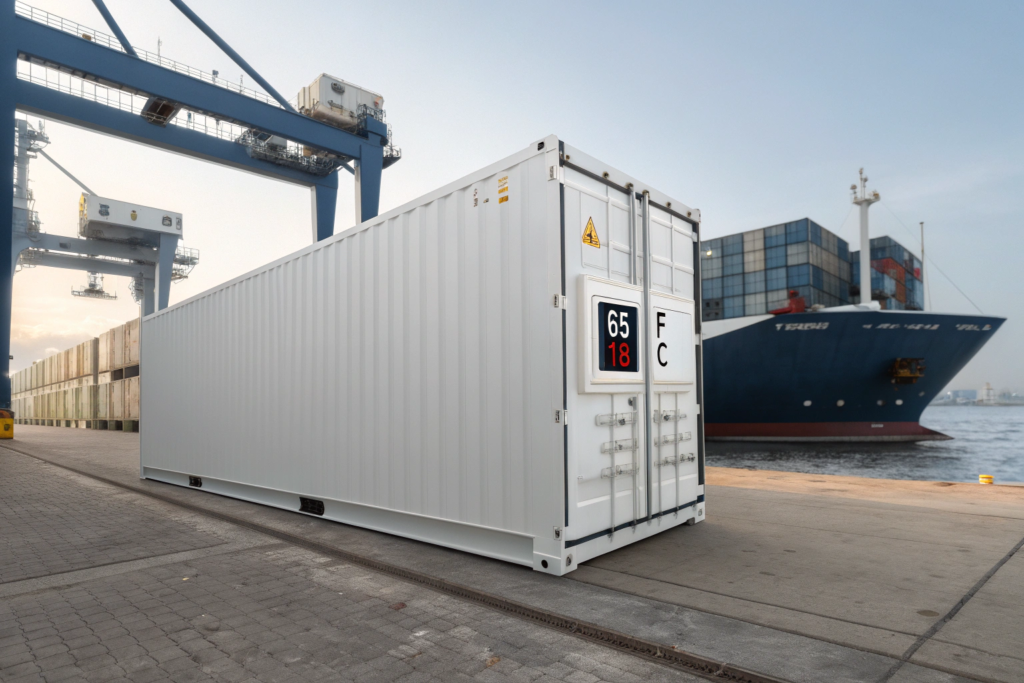
A refrigerated container, or "reefer," offers the absolute best protection by maintaining a constant, pre-set temperature and humidity throughout the entire journey. This completely eliminates the risk of container rain and temperature damage. However, the cost of using a reefer is significantly higher than a standard dry container, making it economically viable only for the most exclusive and expensive micro-lots of coffee.
Using a reefer is like sending your coffee on a first-class, climate-controlled flight instead of in the cargo hold. It removes all environmental variables. For extremely rare, competition-level coffees that cost $50 or $100 per pound, the extra shipping cost is a worthwhile investment to guarantee their perfect arrival. For most other specialty and commercial coffees, the combination of a dry container and high-barrier liners offers a much more cost-effective and highly reliable solution.
How much more expensive is a reefer?
The cost can vary greatly depending on the route and carrier, but you can generally expect a reefer container to cost 2 to 3 times more than a standard dry container. This is due to the cost of the machinery, the fuel required to run the refrigeration unit, and the need for specialized power plug-ins at the port and on the ship.
When does it make sense to use a reefer?
It makes sense for irreplaceable, high-value cargo. Think of a prize-winning Gesha micro-lot that a roaster bought at auction for a record-breaking price. For these "unicorns" of the coffee world, the added expense of a reefer is a small price to pay to ensure that the coffee's unique and delicate profile, which is its entire source of value, is perfectly preserved.
Conclusion
Transporting coffee across oceans is a hidden but critical stage in the coffee value chain. The best way to ensure your investment is protected is through a multi-layered defense strategy. It starts with insisting on a clean, food-grade container. But the real key to success lies in using high-barrier liners to create a stable, hermetically sealed environment for the beans, protecting them from the inevitable temperature and humidity swings of the journey. This approach effectively neutralizes the greatest threats of ocean transport, ensuring the coffee you sourced with such care arrives at your door ready to shine.
We understand that our responsibility does not end at the port. We are committed to using the best practices in logistics to protect every shipment of our Yunnan coffee. If you're looking for a partner who obsesses over every detail, from the farm to the final delivery, we're ready to work with you. Contact our coffee specialist at cathy@beanofcoffee.com to discuss how we can build a secure and resilient supply chain together.