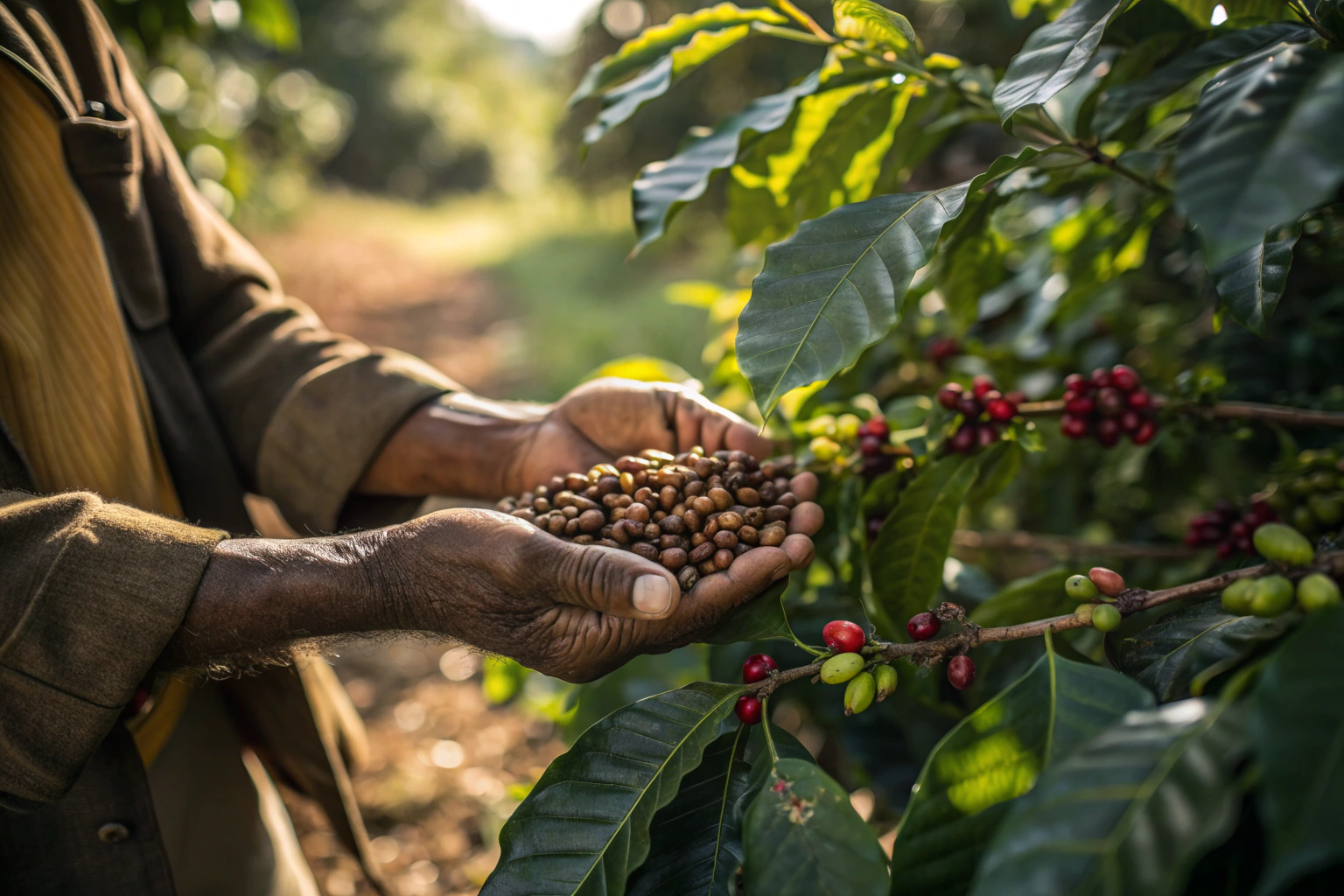
You are probably sitting there with two different supplier quotes on your desk, wondering why the numbers look so wildly different. One quote is sky-high, promising the "champagne" of coffee, and the other is disturbingly low, making you wonder if it is even drinkable. Honestly, it is enough to make any buyer's head spin. You want to make the right call for your margins, but you also can't afford to sell a product that your customers hate. I get it. I have stood in the middle of my 10,000-acre plantation in Baoshan, Yunnan, weighing these exact trade-offs for decades. I have seen buyers make millions by choosing the right bean for the right market, and I have seen others crash because they let their ego dictate their purchase order.
The main difference between Arabica and Robusta coffee beans lies in their taste, growing conditions, and price. Arabica beans, which make up about 60% of global production, are grown at higher altitudes and are prized for their acidity and complex flavor profiles ranging from floral to fruity. Robusta beans, on the other hand, are grown at lower altitudes, contain nearly double the caffeine, and offer a harsher, more bitter taste with a heavier body, making them significantly cheaper and more resilient to pests.
But sticking to the textbook definition won't help you ship a container from China to the U.S. profitably. You need to know how these differences hit your bottom line. As an exporter shipping to North America constantly, I see how a simple bean choice changes logistics, tariff classifications, and customer retention. It is not just about botany; it is about business survival. Let's dig into the real dirt of the coffee business and figure out what actually belongs in your container.
Which bean costs less: Arabica or Robusta?
Let's be real for a second. When you are sourcing for a large company or your own brand, the first column you look at on the spreadsheet is the unit price. You might feel pressure to only buy "premium," but does your bank account agree? There is a massive price gap between these two varieties. Usually, if you are looking at a quote that seems too good to be true, it is likely heavy on the Robusta. But knowing why it is cheaper helps you negotiate better.
Robusta is almost always the cheaper option, often costing half the price of Arabica in the commodity market. This isn't because the farmers are cutting corners. It comes down to biology and yield. Robusta trees are the workhorses of the coffee world; they pump out more cherries per hectare and don't get sick as easily. Arabica is the diva—it needs perfect weather, specific elevations, and constant care. When you buy from us at BeanofCoffee, we are transparent about how these farming costs translate to your FOB price in China.
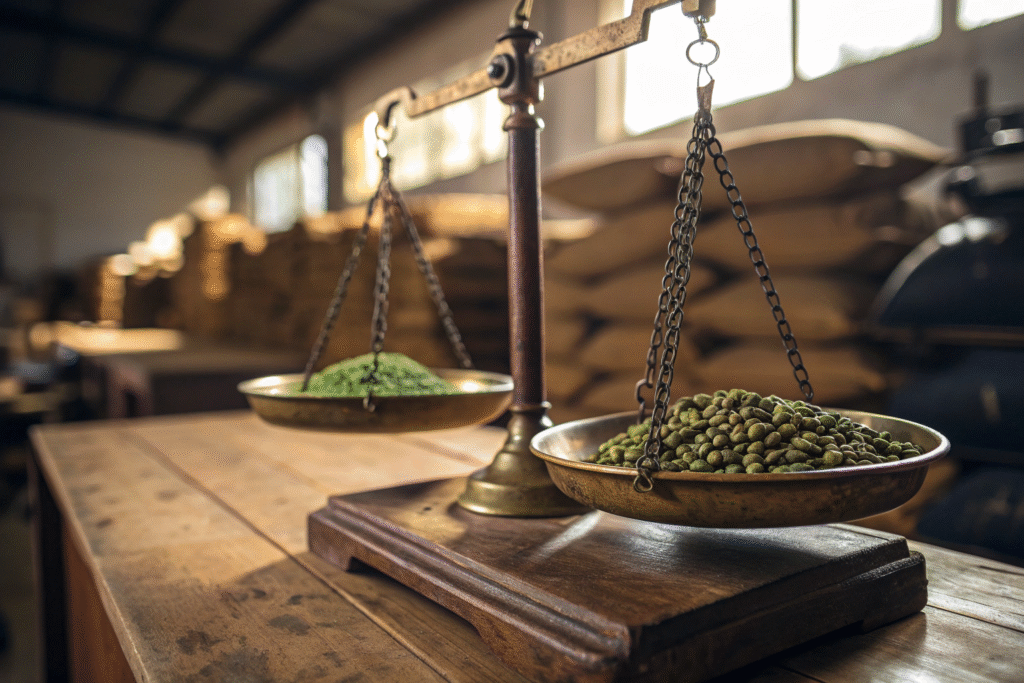
Why is Robusta generally cheaper to produce?
The economics of Robusta are fascinating if you care about efficiency. The plant itself, Coffea canephora, is a total survivalist. It naturally produces much more caffeine—about 2.7% compared to Arabica's 1.5%. Why does this matter for price? Because caffeine is a natural pesticide. Bugs hate it. This means farmers spend significantly less on chemical pesticides and manual labor to protect the crop. When we don't have to pay workers to spray fields constantly, that saving gets passed directly to you. You can see this reflected in the cost breakdown.
Furthermore, Robusta yields are simply higher. A single hectare of Robusta trees can produce significantly more coffee cherries than a hectare of Arabica. In Vietnam, and increasingly in parts of Yunnan where we operate, the harvest volume per acre for Robusta is massive. This efficiency of scale drives the unit cost down. It is simple supply and demand math. When you are negotiating with suppliers on Alibaba or looking at global trade data from the International Coffee Organization, you will see this price disparity play out in real-time. The market reflects the ease of farming.
Another factor is the speed of maturity. Robusta plants produce their first crop within two to three years, whereas Arabica can take four years or more to become commercially viable. That is a faster return on investment for the farmer, which softens the price for you, the buyer. It is purely a numbers game. If your business model relies on high-volume sales with tight margins, ignoring Robusta is a mistake. You are essentially paying for the "difficulty" of the crop when you buy Arabica.
Does a higher price always mean better quality Arabica?
This is a trap many of my American clients, like Ron, fall into. They see a high price tag and assume the quality is top-tier. That is not always true. The price of Arabica is volatile and is often driven by market speculation, weather events in Brazil, and logistics crunches rather than the actual quality of the bean in the bag. You might be paying for a frost that happened in South America, not for the flavor in your cup.
Just because a bean is Arabica doesn't mean it's "Specialty Grade." There is plenty of low-grade "commercial" Arabica that tastes flat or woody but still commands a higher price than a premium Robusta simply because of the species name. The Specialty Coffee Association (SCA) has strict protocols for grading. An Arabica that scores an 80 is technically "specialty," but an Arabica that scores lower is just expensive filler. A lot of traders will try to sell you "Exchange Grade" Arabica at a premium, but honestly, it is not worth the money.
Sometimes, a high-quality, carefully processed Robusta (often called "Fine Robusta") can actually offer a cleaner, better cup than a defect-ridden, low-grown Arabica. I have seen buyers pay a premium for Arabica that sat in a damp warehouse for too long, just for the label. Don't pay for the reputation; pay for the cup profile. We always suggest our clients cup the samples blind. You might be surprised that the "expensive" option isn't the one your customers prefer for their morning wake-up call. You can check out grading standards at the Coffee Quality Institute to better understand what you are actually paying for.
Do Arabica and Robusta taste different?
You can have the best price in the world, but if your coffee tastes like burnt tires, your customers won't come back. This is where the rubber meets the road. I've had clients tell me, "Coffee is coffee, right?" Wrong. The flavor gap between Arabica and Robusta is huge. It’s like comparing a Pinot Noir to a strong Stout beer. They both do the job, but the experience is totally different.
Arabica beans are generally smoother, sweeter, and have nuanced notes of fruit and berries, while Robusta is stronger, harsher, and often described as grain-like or nutty. If you are selling to a third-wave coffee shop in Seattle, you need Arabica. If you are making a high-caffeine energy blend or a classic Italian espresso, Robusta is your secret weapon. At BeanofCoffee, we often recommend specific blends to balance flavor and cost.

What are the main flavor notes of Arabica?
Arabica is the darling of the coffee world for a reason. It has nearly 60% more lipids and almost twice the concentration of sugar than Robusta. When you roast these beans, those sugars caramelize, creating that complex, delicious body everyone loves. It is chemistry, plain and simple. The Maillard reaction—the browning process during roasting—just has more fuel to work with in an Arabica bean.
When we cup our Catimor (an Arabica variety) here in Yunnan, we often find notes of black tea, nuts, and stone fruits. High-quality Arabica can range from floral aromas to bright citrus acidity. This acidity is key—it's not "sour," it's a brightness that makes the coffee feel alive. The World Coffee Research organization catalogs these varieties extensively because the genetic diversity of Arabica leads to this massive spectrum of flavors. If your customer wants a "juicy" cup, you have to go Arabica.
If your market is looking for "Single Origin" pours, you are looking for Arabica. The flavor clarity allows the terroir—the soil, the rain, the altitude of Baoshan—to shine through. It is delicate. You can ruin it with a dark roast if you aren't careful. It demands respect in the roasting drum. For a deeper dive into flavor wheels, check out Counter Culture Coffee's Taster's Flavor Wheel. It helps you articulate exactly what you are tasting to your customers.
How does Robusta's taste profile differ?
Robusta doesn't apologize for what it is. It has a low acidity and a heavy, thick mouthfeel. The taste is often described as earthy, woody, peanutty, or, less charitably, rubbery. This comes from the lower sugar content and higher pyrazine levels. Pyrazines are compounds that are responsible for earthy smells. So, naturally, Robusta smells more like earth.
But here is the thing: that "lack of flavor" is actually a feature for certain products. In milk-based drinks, delicate Arabica notes often get lost. Robusta punches through the milk and sugar. It provides that deep, dark "coffee" taste that the average consumer expects in an instant coffee or a Frappuccino. Plus, it produces amazing crema—that golden foam on top of an espresso shot. That is why Italian espresso blends almost always contain Robusta. It gives the shot its visual appeal and body.
You should also check out resources like Coffee Review to see how blends utilize Robusta. It adds body. It adds kick. If you are marketing a "Breakfast Blend" designed to wake people up, the high caffeine bitterness of Robusta is exactly what the customer's brain is craving, even if their palate says they want "smooth." Another way to look at this is through the lens of tradition; many European cultures prefer the bite of Robusta. You can read about regional preferences on Perfect Daily Grind.
| Feature | Arabica | Robusta |
|---|---|---|
| Acidity | High, bright | Low, flat |
| Lipids/Sugar | High (Smoother) | Low (Bitter) |
| Typical Notes | Fruit, Berry, Floral | Earth, Nut, Wood |
| Caffeine | 1.2% - 1.5% | 2.2% - 2.7% |
| Crema | Thin, reddish-brown | Thick, dark |
Is Arabica harder to grow than Robusta?
I want to take you to my farm in Baoshan for a minute. Standing there, you realize that farming Arabica is like taking care of a baby. It is constant work. Robusta? It's like a teenager that can take care of itself. This difficulty in farming directly impacts your supply chain stability. If a frost hits Brazil or a drought hits Vietnam, the prices go wild. Understanding the agriculture helps you predict the market.
Arabica requires high altitudes (600m to 2000m), cool subtropical climates, and specific shade, making it fragile and labor-intensive. Robusta can grow at sea level, loves the heat, and resists most diseases. This makes Arabica supply chains more vulnerable to climate change and weather patterns. As a buyer, you need to know if your supplier has the infrastructure to protect their crop.
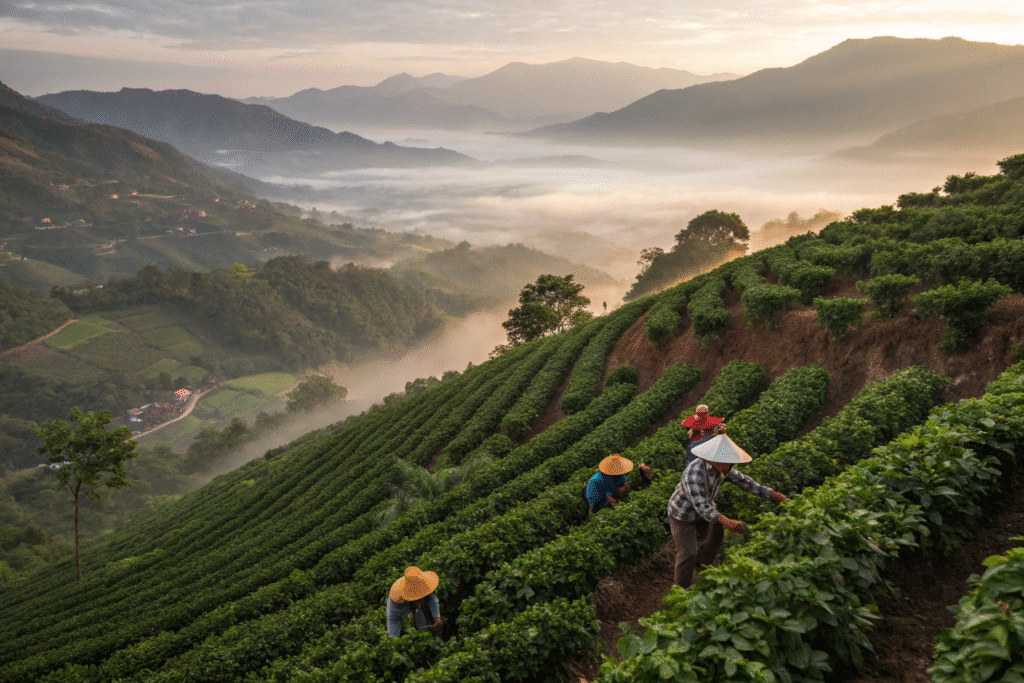
What conditions does Arabica need to survive?
Arabica is picky. It thrives in temperatures between 15°C and 24°C (59°F - 75°F). If it gets too hot, the plant gets stressed and the beans don't develop those sugars. If it freezes, the tree dies. That is why we grow our coffee on the mountainsides of Yunnan. The altitude provides the cool nights the coffee needs to slow down its maturation, which develops the flavor density. It is a delicate balance.
But altitude makes logistics a nightmare. We have to transport beans down winding mountain roads. It adds to the labor cost. Also, Arabica is very susceptible to pests and diseases like Coffee Leaf Rust and Coffee Berry Borer. We have to monitor the plants daily. The Global Coffee Platform discusses these sustainability challenges constantly. When you buy Arabica, you are paying for the risk the farmer takes. It is high risk, high reward.
If you are sourcing from China, you should know that our Catimor variety is actually a hybrid of Arabica and a derivative of Robusta (Timor Hybrid) to give it some rust resistance, while keeping Arabica flavors. It’s our way of mitigating the risk for you. You can read more about the intricacies of coffee botany at Kew Gardens. They have some great research on how fragile these plants really are.
Why is Robusta considered more resilient?
Robusta evolved in the hot, humid lowlands of Central Africa. It loves temperatures between 24°C and 30°C (75°F - 86°F). It doesn't need the steep slopes; it can be harvested mechanically on flat plains in places like Brazil or Vietnam. This allows for massive industrial farming, which is impossible on the steep slopes where Arabica grows.
The high caffeine content we talked about earlier? It is bitter to bugs, so they stay away. The plant also has a stronger root system. This means if there is a dry year, Robusta might survive where Arabica would wither. This reliability makes Robusta a "safe" commodity. Supply fluctuations are generally less extreme than Arabica. It is the sturdy backbone of the global coffee trade.
However, climate change is messing with this dynamic. Even Robusta has its heat limits. According to studies found on Nature.com, rising global temperatures are threatening suitable land for both species. But for now, Robusta remains the reliable backbone of the commercial coffee industry. If you need a consistent product that doesn't fluctuate wildly in availability, having some Robusta in your portfolio is smart. You can also check out The Climakers to see how farmers are adapting to these changes.
Which coffee bean is better for your business?
So, Ron, here is the million-dollar question. You are sitting in your office in America, looking at your inventory. Which bean do you order? The answer isn't "always Arabica." The answer depends entirely on who your customer is and what they are willing to pay. I have seen businesses fail because they bought expensive Arabica for a customer base that just wanted a strong caffeine kick.
Choose Arabica if you are targeting the specialty market, coffee shops, or premium retail brands that value flavor nuances. Choose Robusta (or a blend) if you are producing instant coffee, high-caffeine energy blends, or value-focused supermarket products. Most successful large-scale importers I work with actually buy both. They use Robusta to anchor the price and Arabica to lift the quality.
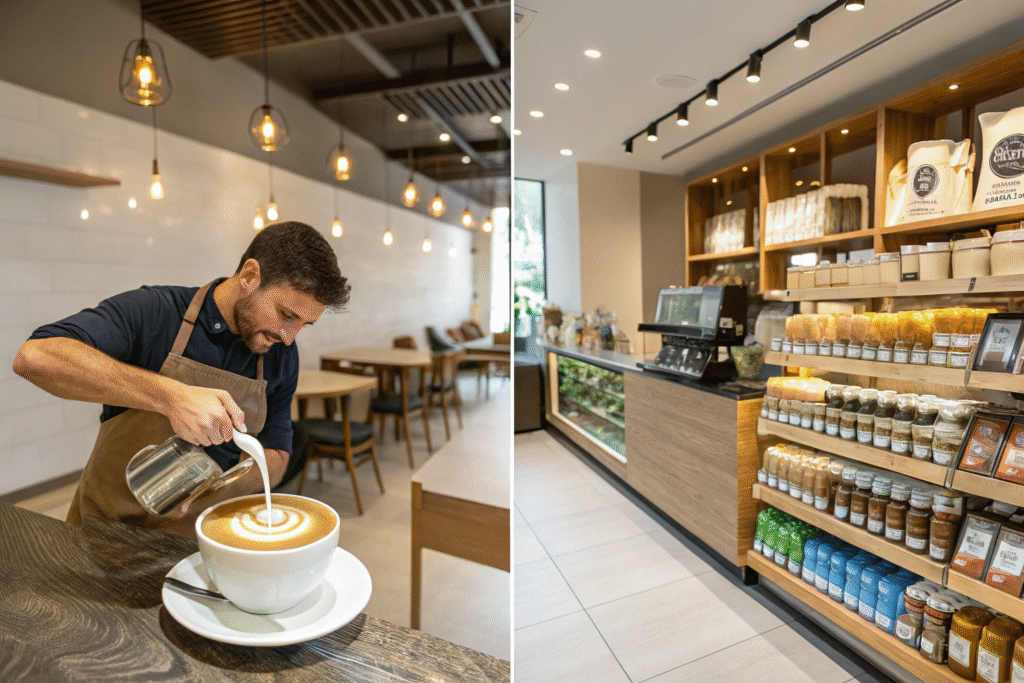
When should you choose Arabica for your brand?
If your brand story is about "quality," "origin," or "experience," you have to go with Arabica. American consumers have been trained by Starbucks and Blue Bottle to expect Arabica. If you put "100% Arabica" on your bag, it is a marketing claim that carries weight. It tells the customer that this is a premium product.
If you are selling whole beans to customers who own grinders at home, they will notice the difference immediately. They want the aroma. They want the acidity. Sourcing from BeanofCoffee ensures you get that high-altitude Yunnan Arabica that competes with Colombian or Guatemalan beans but often at a better value point due to our direct export capabilities. We focus on that "bang for your buck" niche.
Also, look at the trends. Cold brew is huge. Arabica works beautifully for cold brew because the long extraction pulls out the chocolate and fruit notes without the harsh bitterness that Robusta would release. Check out the National Coffee Association (NCA) reports; the data shows the premium segment is still growing. Another great resource for trend tracking is Mintel, which often highlights the shift towards premiumization in the US market.
When is Robusta the smarter commercial choice?
Don't let coffee snobs bully you. Robusta makes money. If you are selling pre-ground coffee for office break rooms, diners, or budget retail lines, Robusta is your friend. It stays fresh longer after grinding because the oils are less volatile. It is shelf-stable, which is a huge plus for retail distribution.
Also, if you are entering the "High Caffeine" market—which is booming on Amazon right now—you need Robusta. You literally cannot get that caffeine punch with just Arabica. And let's talk about logistics. Robusta is often easier to ship and store because it is less sensitive to moisture changes during the ocean freight from China to Long Beach or New York. It is less likely to arrive "faded."
Many of my clients create a "House Blend" that is 70% Arabica and 30% Robusta. This lowers their Cost of Goods Sold (COGS) by 15-20% while maintaining a decent flavor profile and a great crema. It is a strategic business move. You can read more about market blending strategies on Daily Coffee News. If you are really interested in the financial side, Bloomberg Commodities often has great analysis on how Robusta futures are trading compared to Arabica.
Conclusion
To wrap this up, the difference between Arabica and Robusta isn't just about botany—it's about your business strategy. Arabica offers the complex flavors and "premium" status that the specialty market demands, but it comes with a higher price tag and more fragility. Robusta is the resilient, cost-effective workhorse that delivers body, caffeine, and better margins, even if it lacks the refined taste. The smartest buyers I know, like yourself, don't look at it as "good vs. bad." They look at it as "right tool for the right job." You balance your portfolio to hit both price points and quality expectations.
If you are tired of guessing which bean fits your current supply chain or if you are frustrated with unstable pricing and shipping schedules from your current supplier, let's talk. We own the land, we grow the beans, and we handle the export. We can customize a container of Yunnan's best Arabica or a strategic blend just for you. Contact our expert, Cathy Cai, directly at cathy@beanofcoffee.com. She can send you samples and a price list that will make your next quarter look a lot better.