You walk into a specialty coffee shop. You see bags labeled "Espresso Roast" and "Filter Roast." Maybe you've wondered, aren't they just roasted coffee beans? Can't I use any bean in any machine? I used to think the same way. But after years of roasting for our wholesale clients across North America and Europe, I can tell you: the difference is real, and it matters—a lot. Using the wrong roast can turn a potentially great cup into a disappointing one.
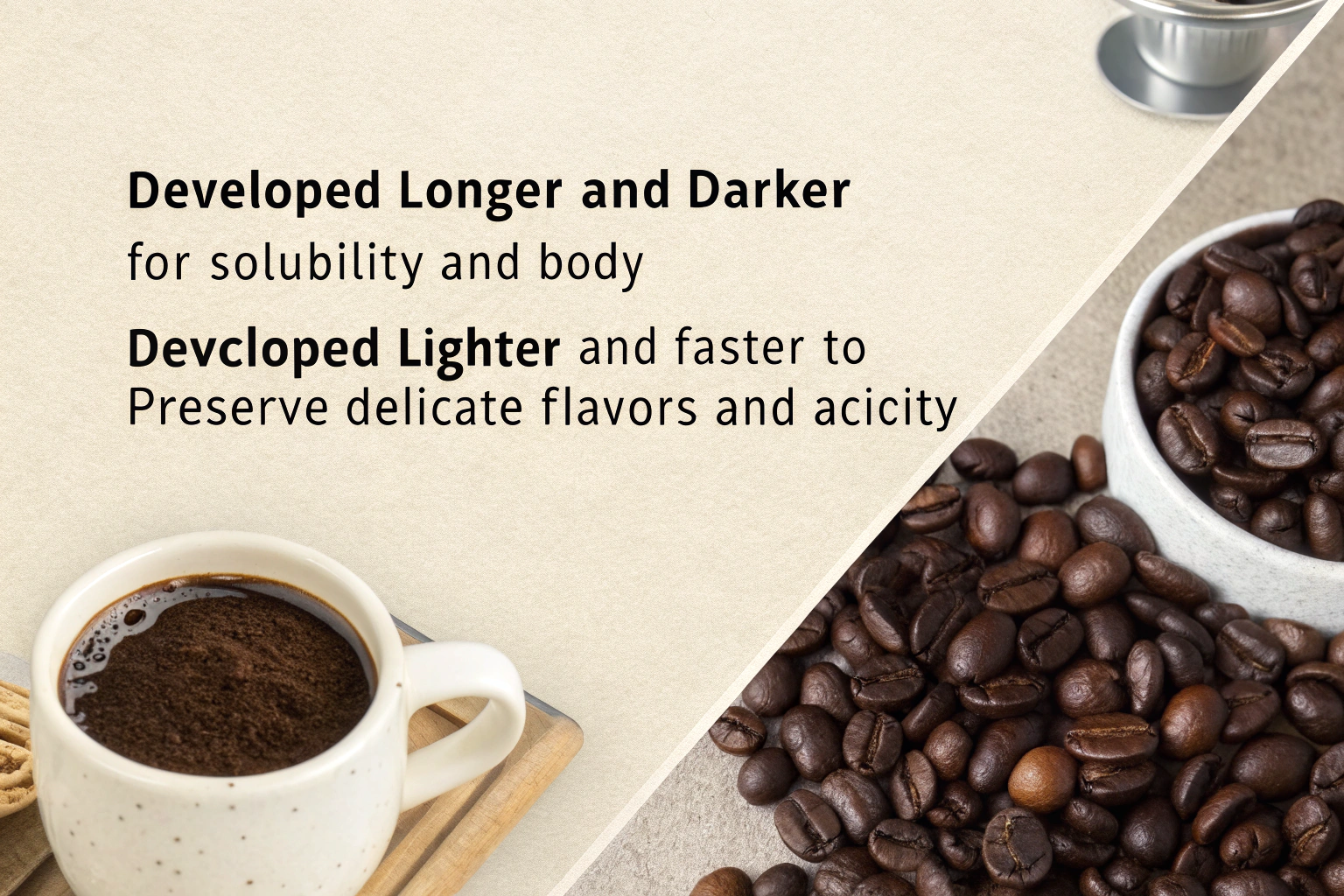
The fundamental difference between an espresso roast and a filter roast lies in the development of the bean during roasting to optimize extraction for two distinct brewing methods. An espresso roast is typically developed longer and darker to create solubility and body for a fast, high-pressure extraction, yielding a concentrated, balanced shot. A filter roast is developed lighter and faster to preserve delicate origin flavors and acidity for a slower, gravity-based extraction, resulting in a nuanced, aromatic cup. It's a tailor-made approach, not a one-size-fits-all.
This might sound technical, but think of it like cooking a steak. You wouldn't use the same time and heat for a quick sear in a pan (espresso) as you would for a slow roast in the oven (filter). The goal is different, so the process is different. Let's unpack exactly how these roasts differ and why it's crucial for your business, whether you're a café owner, a distributor, or a brand.
How Does Roast Development Time and Temperature Vary?
This is where the journey in the roaster diverges. Roast development isn't just about color; it's about what happens inside the bean. The roaster's choices in time and temperature directly shape the bean's chemical structure, determining which flavors will be most easily extracted during brewing.
For espresso roast, the goal is to make the bean more soluble. To achieve this, the roast profile typically uses a higher charge temperature and extends the time in the final stage, known as "development time," after the first crack. This longer development breaks down more cellulose structure, creating more pathways for water to extract solids quickly under pressure. It also promotes Maillard reactions and caramelization, developing body, sweetness, and those classic chocolate/nutty notes that stand up to milk. In contrast, a filter roast aims to highlight the bean's inherent character. The roast profile often uses a gentle heat application and a shorter development time after first crack—sometimes dropping the beans soon after the crack finishes. This preserves more of the bean's original organic acids and volatile aromatic compounds, leading to a cup with brighter acidity, floral notes, and clearer taste of the origin, like the fruity notes in our Yunnan Arabica.
What Chemical Changes Occur During Each Roast Style?
Let's get a bit scientific. During roasting, beans undergo pyrolysis (thermal decomposition). In a longer espresso roast, more chlorogenic acids break down, reducing perceived bitterness and acidity. More sugars caramelize, contributing to body and sweetness. Conversely, in a lighter filter roast, more chlorogenic acids and sucrose remain intact, which translates to more perceived acidity and a different kind of sweetness in the cup. Another way to look at this: the longer roast degrades more trigonelline into nicotinic acid, which can contribute to the "roasty" notes in some darker profiles. The filter roast keeps more trigonelline, which upon brewing contributes to aroma complexity. It's a balancing act. At Shanghai Fumao, our roasters adjust profiles not just by method, but for each specific bean—our Catimor might handle a longer development differently than our heirloom Arabica.
How Can You Visually and Physically Identify the Difference?
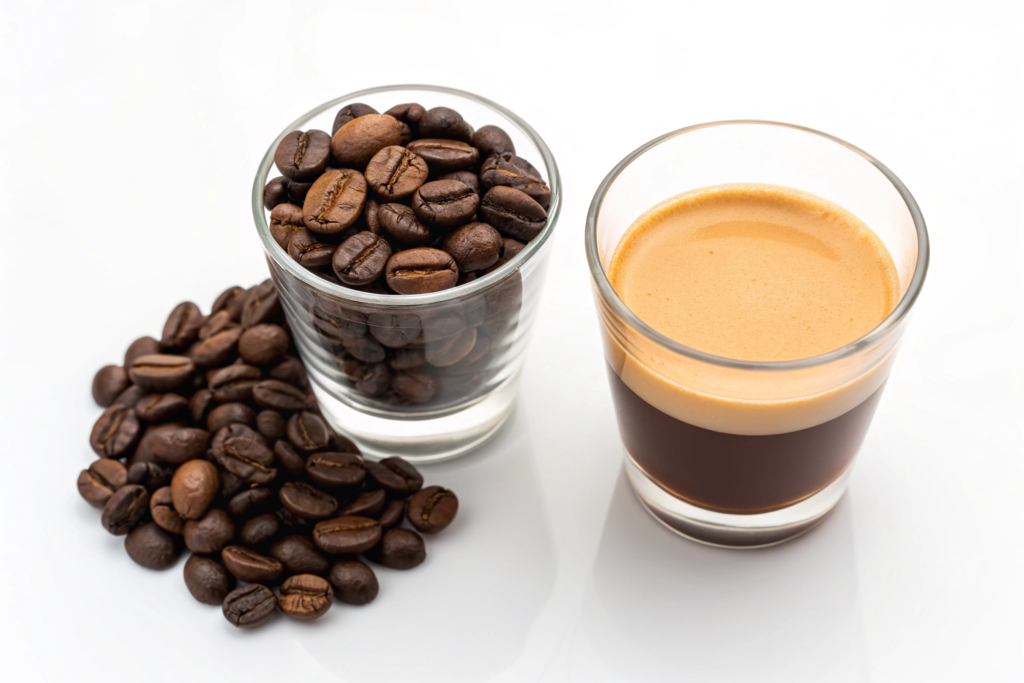
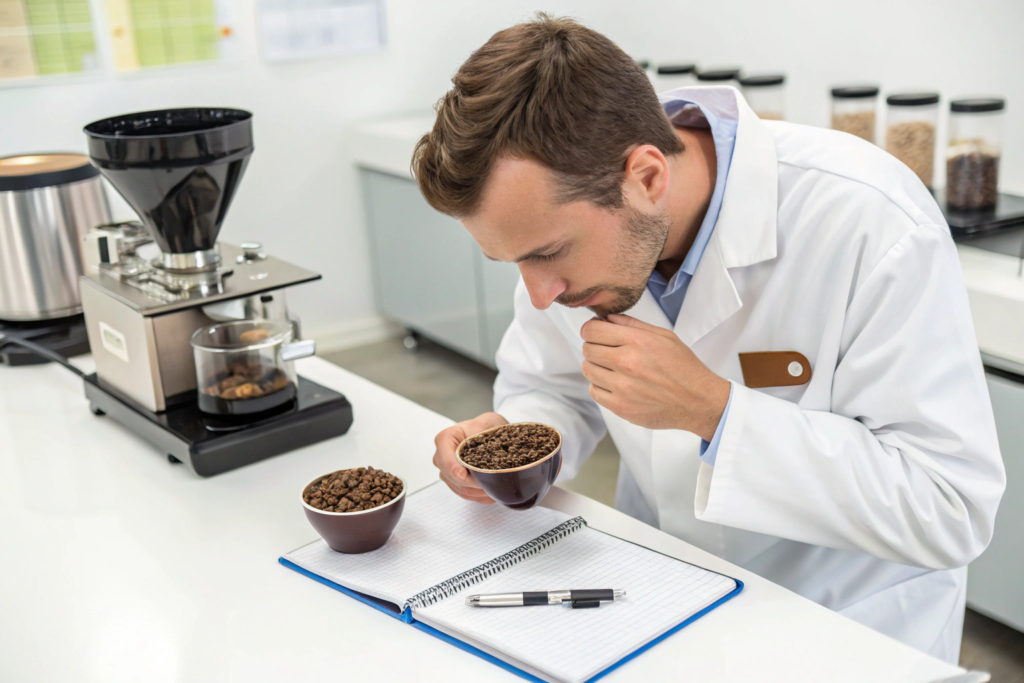
You don't always need to taste it first. There are visual cues. An espresso roast bean is generally darker in color, with a more oily surface (as oils migrate from the core during extended heat). It's less dense and weighs less per bean because more moisture and mass have been driven off. A filter roast bean is lighter in color (often a city to city+ roast), has a dry surface, and is denser and heavier. Here's a simple test: take a bean of each and try to snap it. The espresso roast bean will often snap cleaner and more easily because it's more brittle. The filter roast bean might be tougher to break. This physical difference is a direct result of the internal structural changes.
Why is Solubility the Key Factor for Espresso?
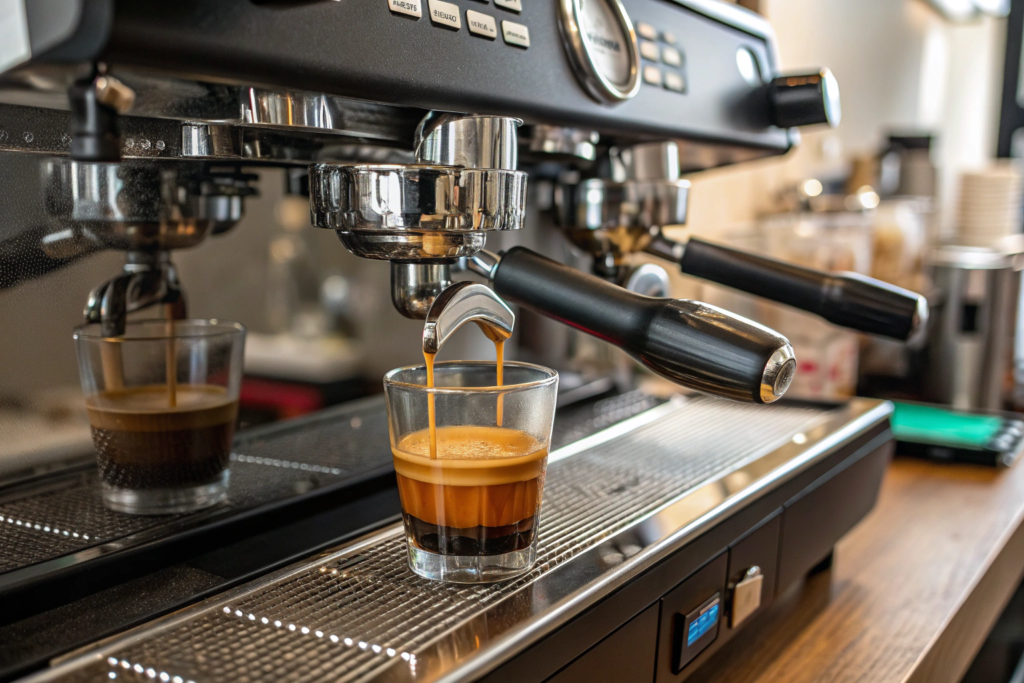
You hear "espresso is about pressure." True. But pressure is just the tool. The real goal of that 9-bar pressure is to force water through a finely-ground, tightly-packed puck of coffee to achieve a complete, balanced extraction in just 25-30 seconds. To make that possible, the coffee itself must be ready to give up its flavors quickly and uniformly. That readiness is called solubility.
Solubility is the measure of how easily coffee solids dissolve into water. Espresso's lightning-fast brew time demands high solubility. The longer, more developed espresso roast creates this by making the bean's cell structure more porous and brittle. Think of it like pre-crumbling a sugar cube versus trying to dissolve a hard candy. The roast also develops compounds (like certain melanoidins) that contribute to mouthfeel and the stability of the crema—that beautiful, aromatic foam on top of a shot. A filter roast, designed for a 3-4 minute contact time with water, doesn't need this extreme solubility. If you use a light filter roast for espresso, you'll often get a sour, weak, and underwhelming shot because the water can't pull enough sweetness and body out in time, no matter how fine you grind.
How Does Roast Level Affect Extraction Yield and TDS?
These are the technical metrics. Extraction Yield (EY) is the percentage of the coffee's mass that dissolves into the water. Total Dissolved Solids (TDS) is the concentration of those solids in the final liquid. For espresso, we aim for an EY of 18-22% and a TDS of 8-12%. The darker, more soluble espresso roast allows us to hit these targets within the short brew time. A filter roast, in an espresso machine, would struggle to reach 18% EY in 30 seconds, resulting in a low TDS, sour (under-extracted) shot. For filter brewing, the target EY is similar (18-22%), but the TDS is lower (1.15-1.45%). The slower brew time of a pour-over or batch brewer gently coaxes the flavors out of the less-soluble bean. It's a perfect match of method and material.
What Happens if You Use Filter Roast in an Espresso Machine?
You can try it. Many specialty cafes do for "single-origin espresso." But it's challenging. To extract enough from the less-soluble bean, you typically need to grind much finer, use a higher water temperature, and/or extend the shot time—sometimes to 40-50 seconds. Even then, you'll likely get a shot that is brighter, more acidic, and has a thinner body and less stable crema. It's a different experience, often highlighting fruity or floral notes. For a classic, balanced espresso shot that works well with milk—the kind most customers expect—a dedicated espresso roast profile is far more reliable and forgiving. It ensures quality and consistency, which is why we develop specific profiles for our wholesale clients at BeanofCoffee.
How Does Grind Size Interact with Roast Profile?
Roast profile sets the potential, but grind size unlocks it. They are a team. You can't separate them. The roast changes the bean's physical structure, which in turn dictates how it should be broken apart (ground) to achieve an even extraction for your chosen brewing method.
An espresso roast bean, being more brittle and porous, will shatter differently under a grinder's burrs. It typically requires a fine grind to create enough surface area and resistance for the pressurized water to extract properly. Because it's darker, it's also more friable (crumbly), which can lead to more "fines" (tiny particles). These fines need to be managed to avoid over-extraction and channeling. A filter roast bean is denser and tougher. It requires a coarser grind for methods like pour-over or French press. If ground too fine, the dense particles can over-extract quickly during the longer contact time, leading to bitterness and a muddy cup. The key is calibration: when you switch between roast types, you must re-calibrate your grinder. A setting that works for an espresso roast will likely choke the machine if used for a filter roast.
What is the Ideal Grind Spectrum for Each Method?
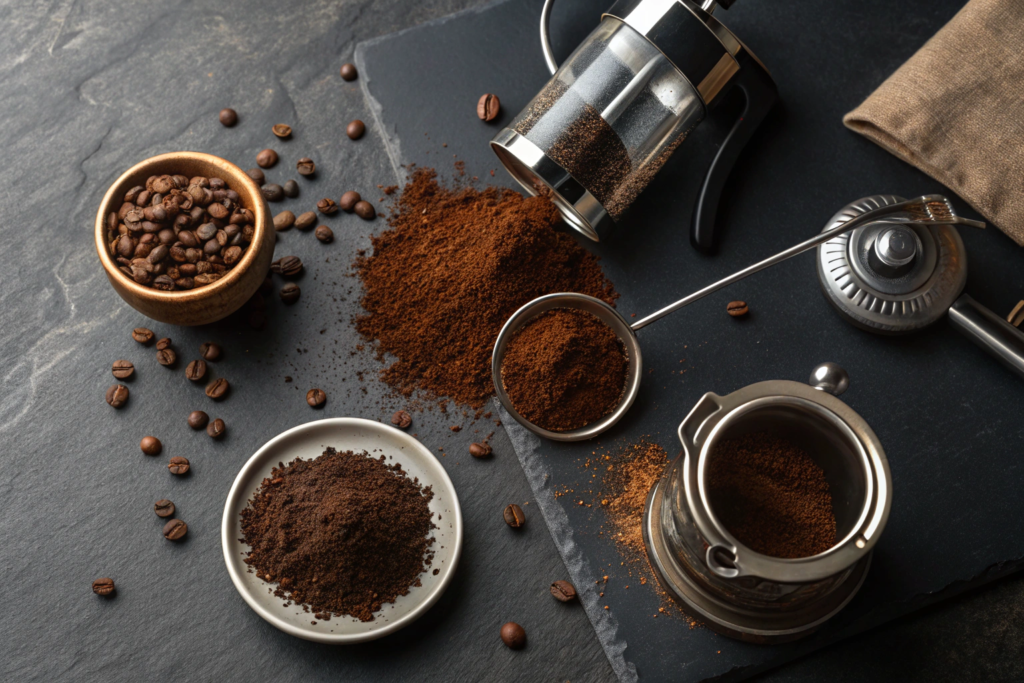
Let's be specific. For espresso, you need a powder-like consistency, similar to table salt or finer. It should feel smooth with some grit when rubbed between fingers. For filter methods, the spectrum varies: A medium-coarse grind for French press (like coarse sea salt). A medium grind for automatic drip (like sand). A medium-fine grind for pour-over like V60 (somewhere between table salt and sand). These are starting points. The exact setting depends on your specific grinder, the coffee's density (which ties back to roast), and even humidity. At our facility, when we prepare samples for clients, we include recommended starting grind settings for both espresso and filter based on that batch's profile. It's part of ensuring a good price delivers a great first experience.
Why Does Freshness Impact Ground Coffee Differently?
Freshness is critical, but its impact is amplified by grind size and roast. When coffee is ground, its surface area explodes, speeding up oxidation and staling. An espresso roast, ground very fine, has a massive surface area. This means it stales incredibly fast—sometimes in minutes. That's why grinding immediately before pulling a shot is non-negotiable for quality. A filter roast, ground coarser, has less surface area relative to its mass, so it retains freshness slightly longer after grinding—but we're still talking hours, not days. The roast level itself also affects shelf life. Darker roasts are more degassed (less CO2) and their oils are on the surface, making them slightly more susceptible to going rancid over very long periods compared to a drier, lighter roast. This is why a stable, reliable supply chain with consistent turnover matters so much for quality.
Can One Coffee Bean Be Roasted for Both Methods?
This is the million-dollar question. With the rise of "omni-roast" claims, it seems appealing. Why stock two SKUs when one could work? As a plantation owner and exporter, I see the appeal. But from a quality and practicality standpoint, it's a compromise. Technically, yes, one green coffee can be roasted to a middle-ground profile. But optimally? Rarely.
A true "omni-roast" aims for the center point between espresso and filter development. It's a medium roast. The idea is that it will be acceptable in both an espresso machine and a pour-over. The reality is it's often not optimal for either. In espresso, it may lack the body and sweetness. In filter, it may lack the clarity and brightness. It's a jack-of-all-trades, master of none. However, for certain bean varieties with a very balanced inherent profile—some of our Yunnan Arabica lots, for instance—a skilled roaster can craft a profile that performs well across methods. But "well" is not the same as "excellently." For a large buyer or a brand with a defined product line, dedicating specific roasts is the professional choice that guarantees a trustworthy and consistent experience for the end-user.
What is an "Omni-Roast" and What are its Limitations?
An "omni-roast" is a single roast profile marketed for use with any brewing method. Its main limitation is the inherent conflict in solubility requirements we discussed. To make it work, the roaster often has to choose a specific bean that is inherently versatile and then roast it to a precise, narrow window. The consumer or barista then has to compensate heavily with grind size, dose, and technique. For a home enthusiast experimenting, this can be fun. For a busy café focused on efficiency and quality control, it adds an unpredictable variable. It can work, but it requires more skill and adjustment from the brewer. In contrast, dedicated roasts simplify the workflow. You dial in your grinder for your espresso roast once, and it stays consistent bag after bag.
When Might a Single-Origin Bean Work for Both?
A single-origin bean can work for both espresso and filter if it has a naturally high sweetness, balanced acidity, and a clean aftertaste. Beans from regions like some parts of Brazil (known for nutty, chocolatey notes) or well-processed Yunnan lots can be candidates. The roast profile would be a "full city" or medium, stopping development just after the end of first crack. The resulting cup in a filter will be sweet and balanced, perhaps less acidic. As espresso, it will likely produce a lighter-bodied shot with brighter, more delicate notes. This approach is popular in third-wave cafes wanting to showcase a specific farm's flavor in an espresso format. It's a conscious stylistic choice, not a universal solution. For our wholesale clients, we often recommend starting with dedicated roasts for core menu items and experimenting with single-origin espresso as a limited, featured offering.
Conclusion
The difference between espresso roast and filter roast is a fundamental principle of coffee craftsmanship, not a marketing gimmick. It's the intentional tailoring of the roasting process to match the mechanical demands of different brewing methods. Espresso roast is about building solubility and body for a fast, pressurized extraction. Filter roast is about preserving origin character and acidity for a gentle, slower infusion. Understanding this distinction is what separates a good coffee program from a great one.
For business buyers—whether you're a café owner, a distributor, or a brand—this knowledge is power. It allows you to select the right product for your needs, communicate expertly with your roaster, and ultimately deliver a superior and consistent experience to your customers. It's an investment in quality that pays dividends in customer loyalty.
If you are sourcing coffee and want to ensure you get the right roast profiles for your market—be it classic espresso blends for North American cafes or nuanced filter roasts for European specialty clients—partner with a supplier who understands this deeply. At Shanghai Fumao, we don't just export green beans; we roast to specification and can develop profiles tailored to your exact business needs.
To discuss your specific espresso or filter roast requirements and request tailored samples, please contact our head of sales and roasting, Cathy Cai. She can guide you through our Arabica, Catimor, and Robusta offerings and their ideal applications. Reach her at cathy@beanofcoffee.com. Let's brew up the perfect roast for your business.