
As a buyer, Ron, you're laser-focused on the final flavor in the cup. You know that the roast profile is just as important as the bean's origin. You've probably heard roasters talk about "first crack" and "second crack," and it sounds like some kind of secret code. You might be wondering, "What are they talking about, and why does it matter to me?" It's a critical question because these two events are the most important signposts in the roasting process, marking dramatic shifts in the coffee's flavor.
The fundamental difference is that first crack is a physical, audible crack caused by moisture turning to steam and fracturing the bean, marking the beginning of a "light roast" where origin flavors are prominent. Second crack is a second, quieter crack caused by the buildup and ignition of carbon dioxide and oils, signaling a "dark roast" where roast flavors, like smoky and bittersweet notes, dominate. First crack is about water; second crack is about fire and oil.
I've spent countless hours beside roasters, listening to the symphony of the beans. The sound of the first crack is exciting—it's the moment our carefully grown beans from Shanghai Fumao Yunnan plantations truly come to life. The second crack is a sign of a deep transformation, a point of no return. Understanding the journey between these two cracks is the key to communicating with your roaster and achieving the exact flavor profile your customers love.
What Exactly Is First Crack?
Imagine a coffee bean as a tiny, sealed pressure cooker. Before roasting, a green coffee bean contains a significant amount of water trapped within its dense cellular structure. As the roaster's temperature climbs, this water heats up. This is where the magic begins. You're not just browning the bean; you're triggering a powerful physical reaction.
First crack is a loud, popping sound, similar to popcorn popping, that occurs when the internal temperature of the coffee bean reaches about 385°F (196°C). At this point, the water inside the bean has turned to steam, building up immense pressure that violently fractures the bean's structure from the inside out. This event marks the point where the coffee is officially "roasted" and is considered drinkable. It's the start of the light roast territory.
This is a pivotal moment. Before first crack, the bean smells grassy and vegetal. After first crack begins, the classic coffee aromas of caramel, fruit, and flowers are released. The bean visibly swells in size and turns a light cinnamon brown. For roasters looking to highlight the unique origin characteristics of a bean—like the bright acidity of a high-altitude Arabica—roasting to or just beyond the first crack is the goal.

What chemical reactions happen during first crack?
First crack is the epicenter of the Maillard reaction and caramelization. The Maillard reaction is a complex process between amino acids and sugars that creates hundreds of new aromatic compounds, responsible for the "roasty" flavors and brown color. At the same time, the bean's natural sugars begin to caramelize, creating sweetness and notes of caramel and toffee. It's a cascade of flavor creation. This is where the bean's inherent potential, developed on our farms, is unlocked.
What does a "City Roast" mean?
A "City Roast" is a common term for a coffee that has been roasted to the very end of the first crack or just slightly beyond. At this stage, the coffee has a bright, lively acidity and showcases the most origin-specific flavors—be it the floral notes of an Ethiopian Yirgacheffe or the nutty, chocolatey notes of our Yunnan Arabica. It's a popular roast level for specialty coffee lovers who want to taste the terroir of the bean.
What Defines the Second Crack?
After the first crack subsides, the roasting process enters a new, more perilous phase. The bean's structure has already been compromised, and now, the chemical reactions inside are becoming more aggressive and exothermic—meaning the bean starts generating its own heat. The pressure is building again, but this time, it's not from water.
Second crack is a softer, more rapid, crackling sound, like rice cereal in milk, that occurs when the bean's internal temperature hits around 435°F (224°C). This sound is caused by the fracturing of the bean's cellular matrix as carbon dioxide and other gases, created during roasting, escape. Simultaneously, the internal pressure forces the coffee's natural oils to the surface. This marks the beginning of dark roast territory, including Vienna and French roasts.
This is a critical turning point where the roaster's skill is truly tested. The time between the start of second crack and the coffee becoming burnt-tasting charcoal is very, very short. The flavors developed here are from the roast process itself—smoky, spicy, and bittersweet notes. The bean's original flavors are now almost entirely overshadowed by the dark, roasty character. This is the profile many people associate with a classic, bold espresso.
Why do the beans become oily?
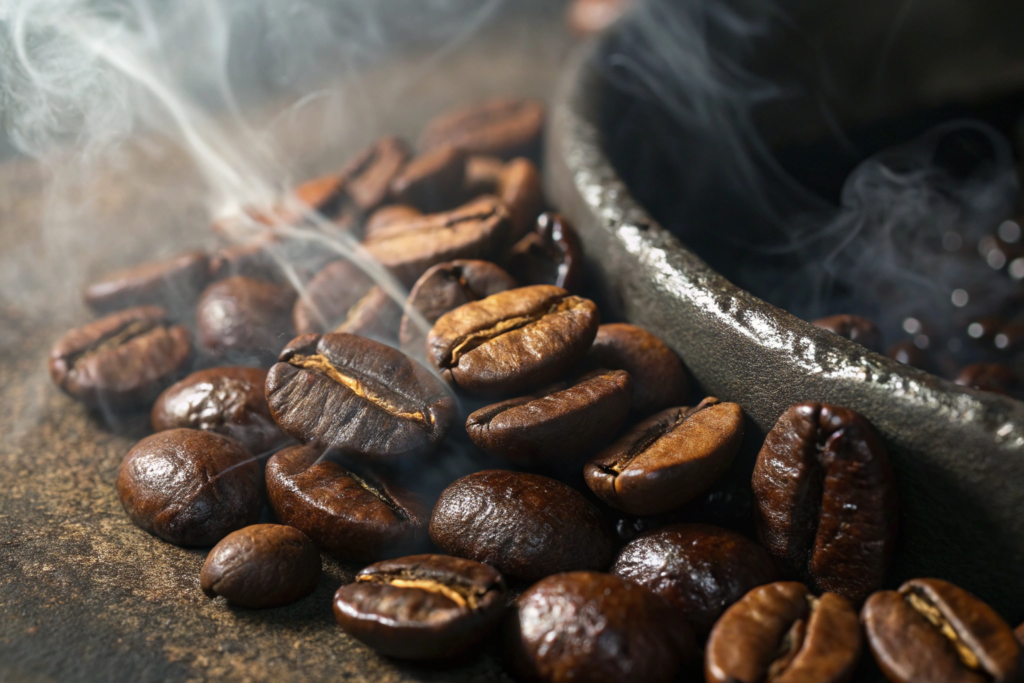
During second crack, the cell walls within the coffee bean continue to break down. This breakdown allows the lipids, or oils, that were trapped inside the cells to migrate to the surface of the bean. This is why dark-roasted beans have a characteristic oily sheen. While visually appealing to some, it's also a sign that the volatile flavor compounds are exposed to oxygen, which can cause the beans to go stale more quickly.
What is a "French Roast"?
A "French Roast" is a very dark roast where the coffee is taken well into the second crack, often until the crack has almost finished. The beans are very dark brown, almost black, and extremely oily. The flavor is dominated by smoky, carbony, and bittersweet notes, with very little of the original acidity or origin flavor remaining. This roast level is intense and not for the faint of heart, but it's prized by those who love a powerful, smoky cup of coffee. Our partners at Shanghai Fumao often work with clients to find the perfect roast level, whether it's a light City Roast or a deep French Roast.
How Does the Crack Affect Flavor Profile?
The journey from first to second crack is a journey along a flavor spectrum. Where a roaster decides to stop the roast—before, during, or after these cracks—is the single most important decision they make to define the coffee's taste. As a buyer, understanding this spectrum allows you to articulate exactly what you're looking for.
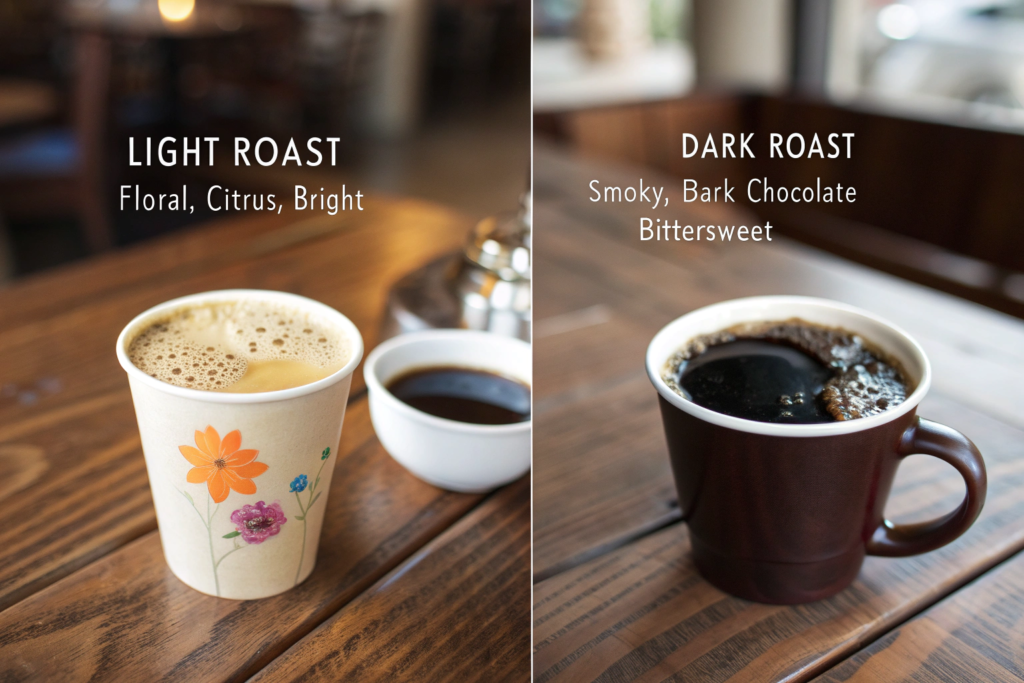
Stopping the roast around the first crack preserves the bean's natural acidity and unique origin flavors, resulting in a brighter, more complex, and nuanced cup. Roasting into the second crack diminishes the acidity and origin notes, replacing them with the deep, smoky, and bittersweet flavors of the roast itself, creating a bolder, heavier-bodied coffee. It's a trade-off: origin character versus roast character.
There is no "better" or "worse" point; it's entirely a matter of preference and intent. Do you want to taste the volcanic soil of our Yunnan plantations? A light roast is the answer. Do you want to create a powerful, intense espresso blend that cuts through milk? A darker roast, heading towards the second crack, is what you need.
What is the "development time"?
The time between the start of the first crack and the end of the roast is called the "development time." This is a crucial period where the roaster fine-tunes the final flavor. A shorter development time (ending the roast quickly after first crack starts) will result in a more acidic and vibrant coffee. A longer development time (stretching the time before second crack) can mellow the acidity and develop more sweetness and body. This is a key variable that expert roasters manipulate.
Can you blend different roast levels?
Absolutely! This is a common technique for creating complex and balanced blends. A roaster might take one coffee, like our Robusta, and roast it into the second crack to develop a heavy, chocolatey base. Then, they might roast our Arabica to a City Roast level to preserve its bright, fruity notes. By blending the two after roasting (a method called post-blending), they can create a final product that has both bright origin notes and a deep, satisfying roast character.
Why is Listening to the Cracks So Important?
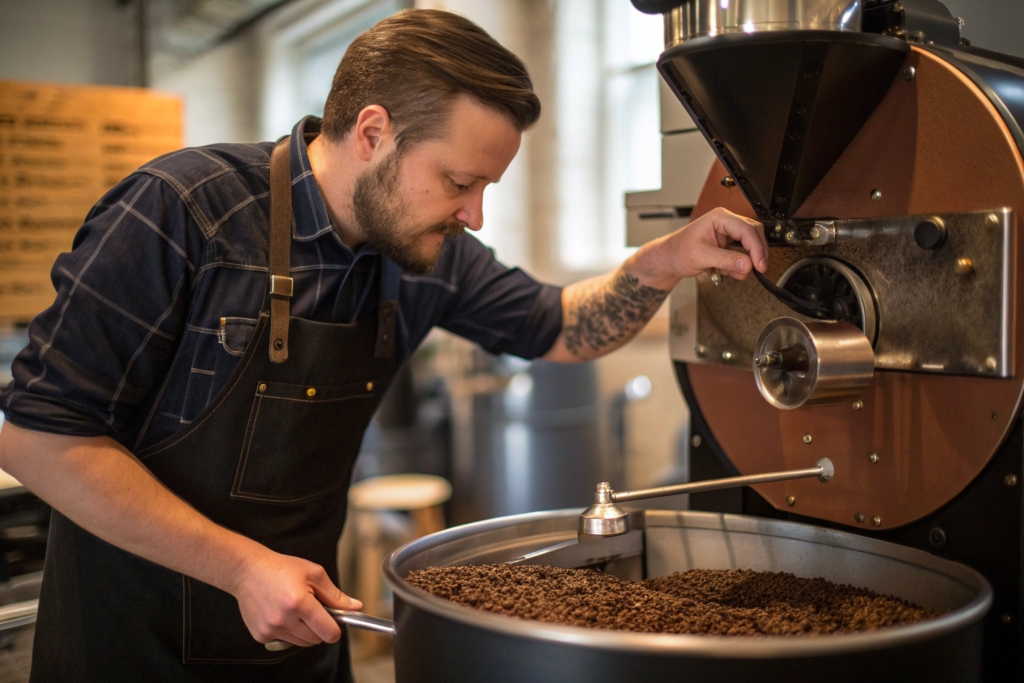
In an age of digital sensors and computer-controlled roast profiles, you might think that simply watching the temperature and time is enough. But experienced roasters will tell you that their most important tools are their senses: sight, smell, and, most critically, hearing. The cracks are the voice of the beans, telling the roaster exactly what's happening inside them in real-time.
Listening to the cracks is crucial because the sound provides immediate, unambiguous feedback about the progression of the roast, often more accurately than temperature probes alone. The character, volume, and frequency of the cracks tell a roaster precisely when these critical chemical and physical transformations are occurring, allowing them to make split-second decisions to perfect the roast.
Temperature probes measure the environment or the surface of the beans, but the sound of the crack comes from the core of the bean itself. It's the most truthful indicator of the bean's internal development. A sudden, rapid first crack might tell a roaster to reduce the heat to avoid scorching the beans. A weak, sputtering crack might suggest the beans need more energy. It's an intimate conversation between the roaster and the coffee.
How does bean density affect the cracks?
The density of the coffee bean, which is often related to the altitude where it was grown, has a huge impact on the sound. Hard, dense, high-altitude beans, like some of the best specialty Arabicas, will have a very loud, sharp, and violent first crack. Softer, lower-grown beans might have a gentler, more subdued pop. A good roaster listens to this and adjusts their strategy accordingly, knowing that the denser bean needs more energy to penetrate its core.
Can you rely on just time and temperature?
While time and temperature are essential for creating a repeatable roast profile, they can be misleading. The roaster's ambient temperature, the batch size, and even the weather can affect how a roast progresses. The audible cracks, however, are a constant. They are a direct result of the physics and chemistry happening inside the bean. By using their ears to confirm what their instruments are telling them, a roaster can achieve a level of consistency and quality that is impossible to reach by just watching a screen.
Conclusion
The first and second cracks are not just curious noises; they are the two most important events in a coffee bean's transformation from a raw seed into the aromatic gem we all love. First crack unlocks the bean's origin story, its inherent acidity and complexity. Second crack rewrites that story, creating a bold new narrative of smoke and fire. Understanding the difference empowers you, the buyer, to have more meaningful conversations with your roasters and to source beans with a clear purpose for the final flavor you want to achieve.
Whether you're looking for a bright, complex light roast that sings with the character of its origin or a dark, intense bean to create a powerful blend, it all starts with the right raw material. We invite you to explore the potential of our Yunnan coffees. Contact our specialist, Cathy Cai, at cathy@beanofcoffee.com to discuss your needs and get a sample that will sound as beautiful as it tastes in your roaster.