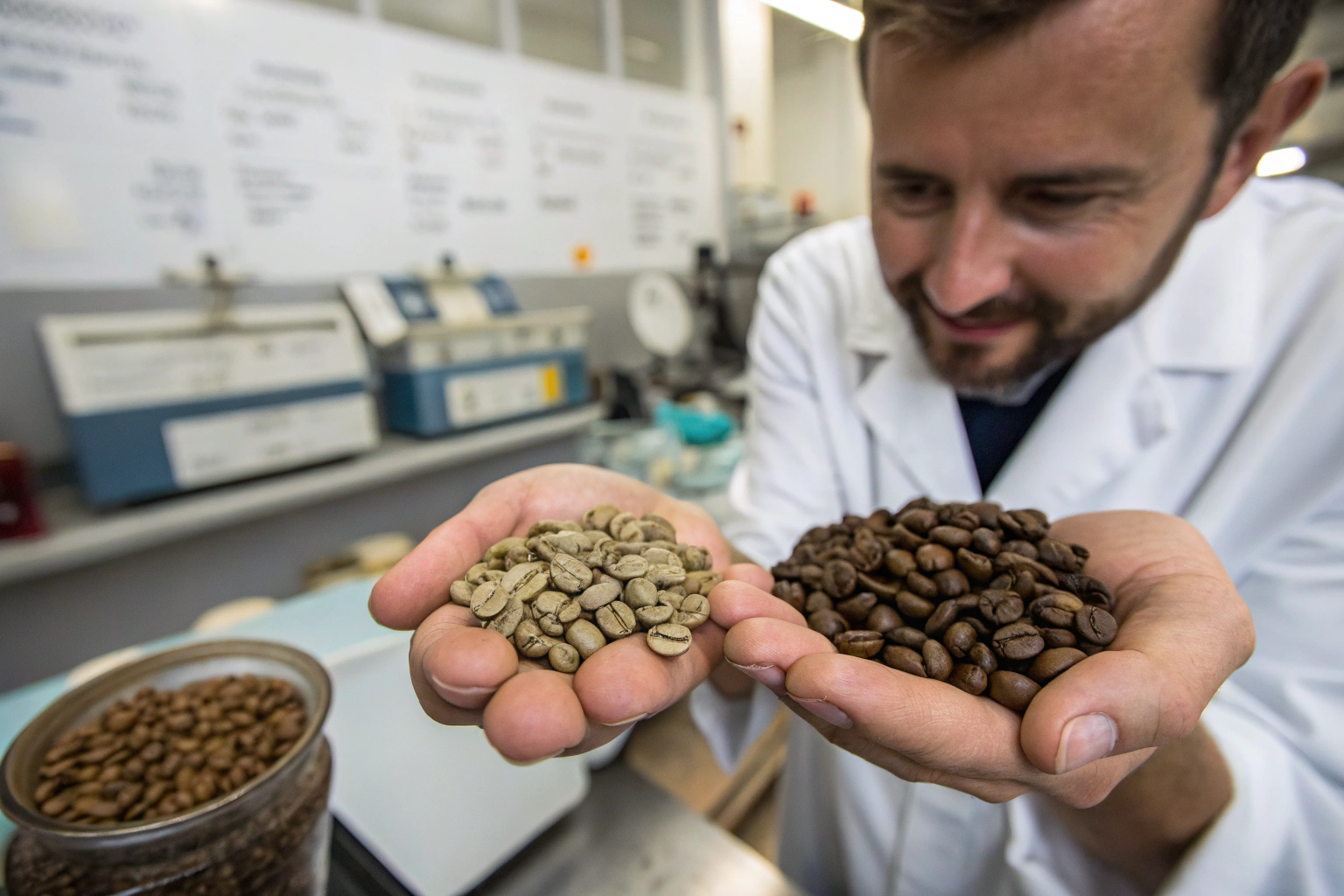
Last week, a roaster from Melbourne emailed me. He'd bought beans from a new supplier. The roast came out uneven. Some beans were underdeveloped. Others looked scorched. He asked me what went wrong. After asking a few questions, I realized the problem: he'd been roasting hard beans like soft beans. Different beans. Different rules.
Hard beans grow at high altitudes, developing dense cellular structures and complex flavors. Soft beans come from lower elevations, with less density and milder profiles. This difference affects everything from roasting to cup quality. At BeanofCoffee, we grow both types across our Yunnan plantations.
Let me walk you through what this actually means for your business. Because if you're buying coffee without understanding bean density, you're leaving money on the table. You might be paying specialty prices for beans that roast like commercial grade. Or worse, ruining excellent beans by treating them wrong.
How Does Altitude Create Hard Versus Soft Beans?
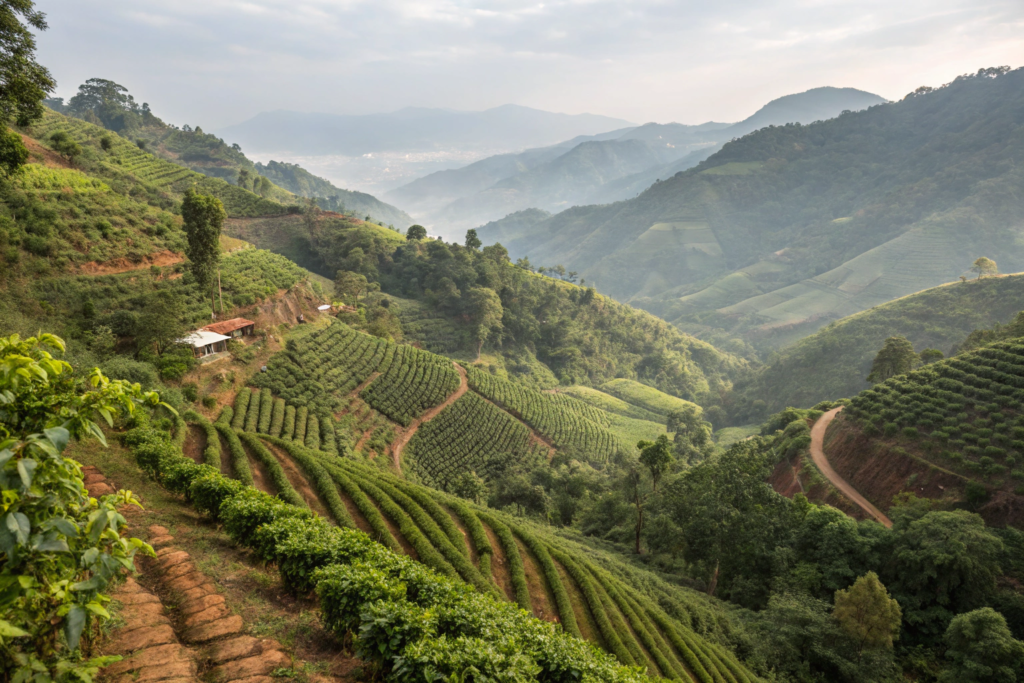
I remember walking our plantations in Baoshan City with a buyer from Seattle. We climbed from 800 meters to nearly 1,800 meters elevation. At the bottom, beans were larger but softer. At the top, smaller but harder. He pointed at the difference himself before I said anything.
Altitude directly determines bean density. Higher elevations mean cooler temperatures, slower cherry maturation, and denser bean structure. Lower elevations produce faster growth and softer beans. Our Yunnan plantations span both zones, giving us unique flexibility for different buyer needs.
Why does slower growth matter for bean density?
Think about it like this. When cherries ripen slowly, the bean inside has time to develop fully. Cell walls thicken. Sugars concentrate. Acids balance. The result is a hard bean with complex potential.
Fast growth fills the bean quickly but loosely. You get more beans per tree, but each bean is less dense. Soft beans have their place—they're often smoother, milder, and more consistent. But they won't develop the same complexity as hard beans. Check specialty coffee altitude research for scientific data on how elevation affects bean development.
Which Yunnan altitudes produce which bean types?
Our lower plantations, around 800 to 1,100 meters, produce mostly soft to medium beans. These are excellent for commercial blends where consistency matters more than complexity. Our Catimor varieties do well here.
Above 1,300 meters, we're in hard bean territory. Our Typica and Bourbon varieties thrive here. The beans are smaller, denser, and take longer to roast. But the cup quality? Worth every extra minute. Working with Shanghai Fumao helps us separate these lots so buyers get exactly what they expect.
What Physical Characteristics Distinguish Hard From Soft Beans?
You can't always tell hard from soft just by looking. But once you know what to check, the differences become obvious. Size isn't the answer—I've seen huge soft beans and tiny hard beans. You need to look deeper.
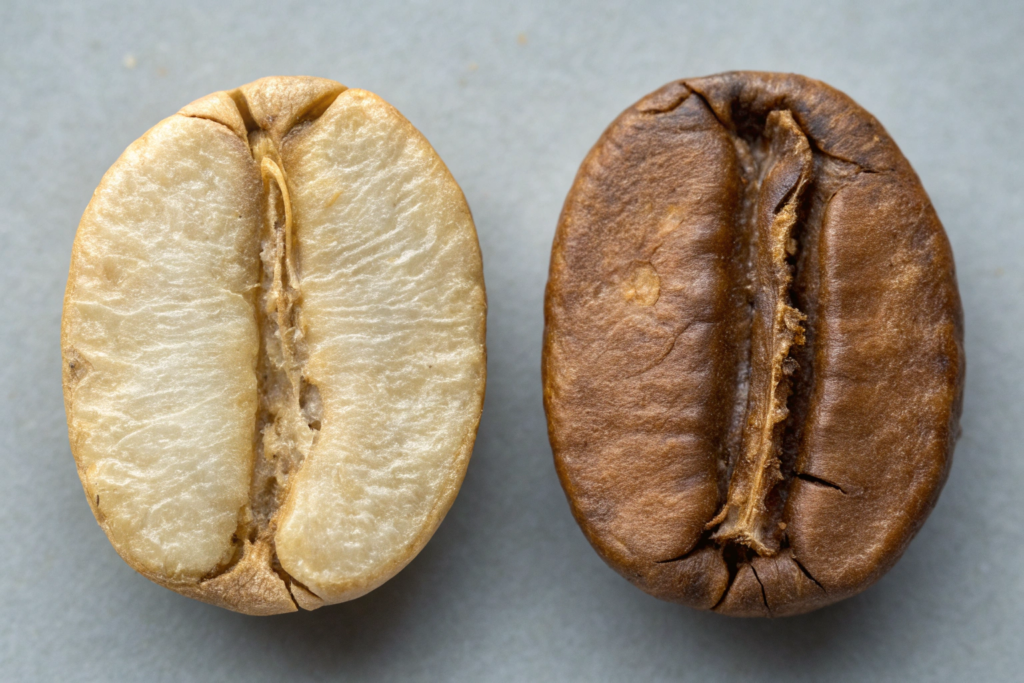
Hard beans feel heavier for their size. They have a blue-green color when raw, with a distinct center line that curves inward. Soft beans feel lighter, often look more yellow or brownish, and have a flatter center line. When bitten, hard beans snap cleanly while soft beans crush unevenly.
How does moisture content differ between bean types?
Hard beans typically have lower moisture content when fully processed. They've had time to dry naturally in the tree, then in the patio. We target 10 to 11 percent moisture for hard beans.
Soft beans retain more moisture—usually 11 to 12.5 percent. This matters for storage. Hard beans store longer without quality loss. Soft beans need more careful monitoring. One buyer learned this when his soft beans molded after six months while his hard beans from the same shipment were fine. Review green coffee moisture standards to understand proper storage requirements.
Can you identify bean density without laboratory equipment?
Yes. The simplest test is the finger test. Press a bean between your thumb and forefinger. Hard beans resist. Soft beans give slightly. Not scientific, but useful during warehouse inspections.
Better yet, use a sieve and a density grader. We run every lot through gravity tables that separate by density automatically. This ensures our hard bean lots don't get diluted with softer beans. Visit coffee processing equipment guides to see how commercial graders work.
How Does Bean Density Affect Roasting Profiles?
Roasting is where density really matters. You can buy the most expensive beans in the world, but if you roast them wrong, they'll taste like something from a gas station. I've watched skilled roasters struggle with hard beans because they used soft bean timings.
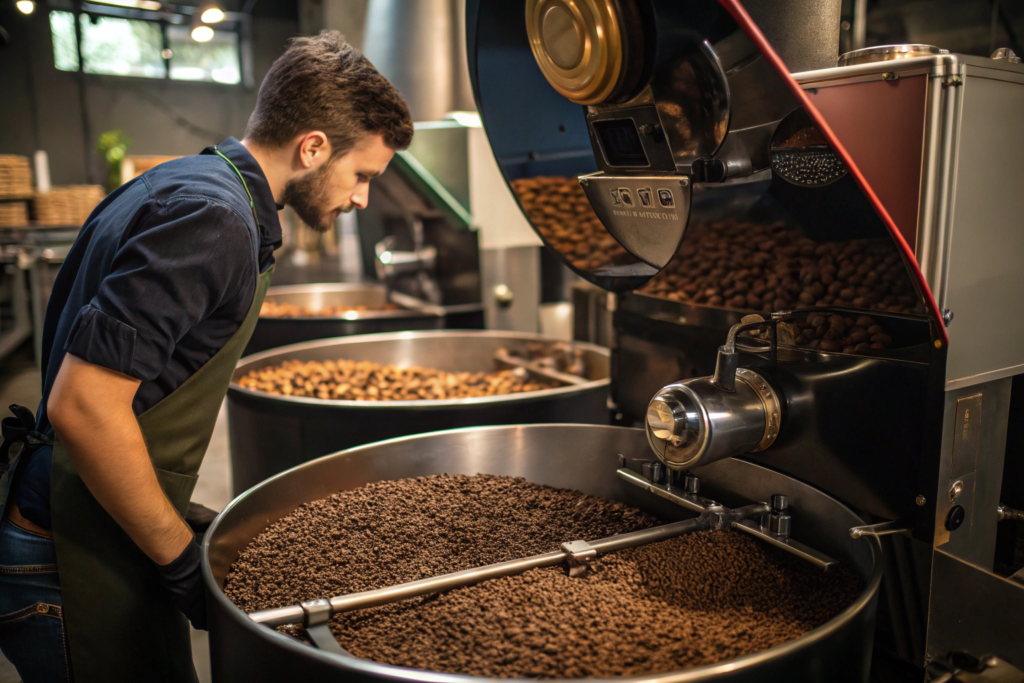
Hard beans require more heat energy and longer roast times to develop fully. Their dense structure resists heat penetration. Soft beans roast faster and more evenly, but reach scorching temperatures more easily. We provide detailed roast profiles for every lot we sell.
What roast curve works best for hard beans?
Start with higher initial heat. Hard beans need that energy to penetrate the dense cellular structure. Then back off gradually to let the inside catch up with the outside. If you roast hard beans too fast, you'll get scorched exteriors and underdeveloped centers.
We recommend a 12 to 15 minute roast for hard beans, depending on batch size. First crack comes later—usually around 205°C instead of 200°C for soft beans. The Roasters Guild roast curve database has excellent examples of density-based profiles.
How do soft beans behave differently in the drum?
Soft beans are more forgiving—up to a point. They take heat quickly and develop evenly. But that same quick heat absorption means they can scorch if you're not careful. Lower initial temperatures work better.
First crack happens faster, often within 8 to 10 minutes. The beans expand more visibly. And they're easier to under-roast because they look darker than they actually are internally. Working with partners like Shanghai Fumao ensures you receive consistent density lots for repeatable roasts.
Which Bean Type Works Best for Different Coffee Products?
I get asked constantly: which bean type should I buy? The answer depends entirely on what you're making. Espresso? Different needs than filter. Cold brew? Different again. Commercial blends? Another story entirely.
Hard beans excel in espresso and dark roasts where their density prevents burning while developing deep flavors. Soft beans shine in light to medium roasts for filter coffee, cold brew, and commercial blends where smoothness and consistency matter most.
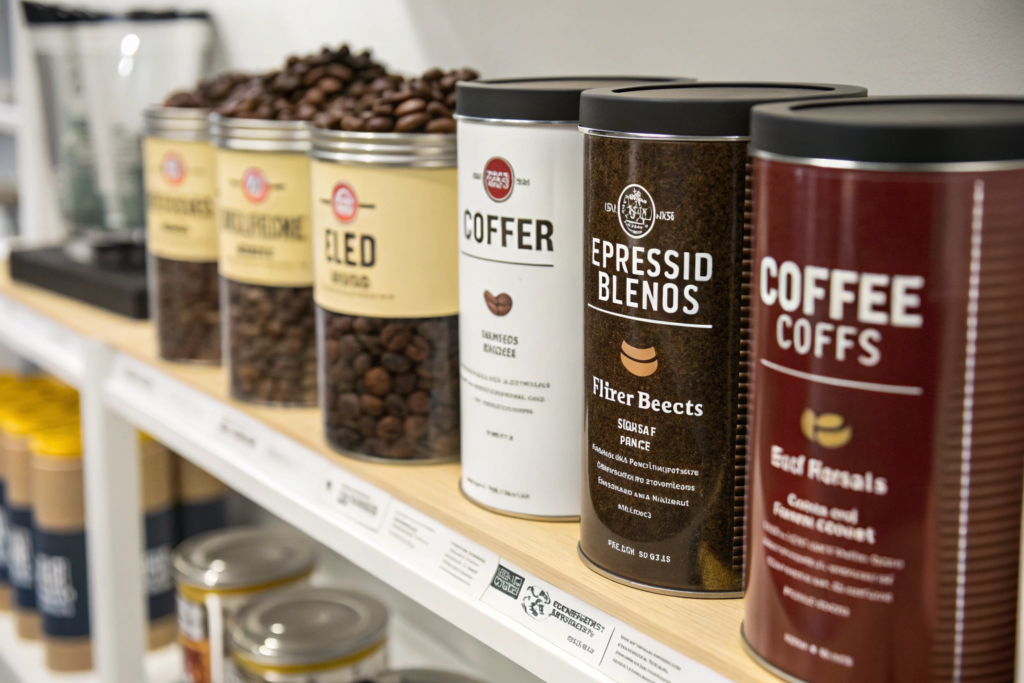
Why do espresso roasters prefer hard beans?
Espresso pushes coffee to its limits. High pressure. High temperature. Short contact time. Hard beans can handle this stress. Their dense structure resists fracturing, producing consistent extraction and thick crema.
Soft beans in espresso? They often taste hollow or overly sharp. The density just isn't there to support the pressure. Some blends use soft beans for body, but the backbone should always be hard beans. Check espresso blend formulation guides for professional blending strategies.
What about cold brew and commercial applications?
Cold brew is interesting. Soft beans actually work well here. The long steeping time extracts fully even from less-dense beans. And soft beans often produce smoother, less acidic cold brew that sells well commercially.
For large-scale commercial roasters, soft beans offer consistency and price advantages. They roast faster, use less energy, and produce predictable results. But they won't win competitions. Our commercial clients love our soft bean lots for this reason. Visit commercial coffee roasting resources to match equipment with bean types.
How Does Bean Density Affect Pricing and Contracts?
Money talks. And density affects money. Hard beans cost more to produce—they yield less per hectare, take longer to mature, and require more careful processing. Buyers who understand this pay appropriately. Buyers who don't wonder why prices vary so much.
Hard beans typically command premiums of 20 to 40 percent over soft beans from the same origin. This reflects production costs, cup quality potential, and market demand. We price our lots transparently based on actual density measurements, not guesses.
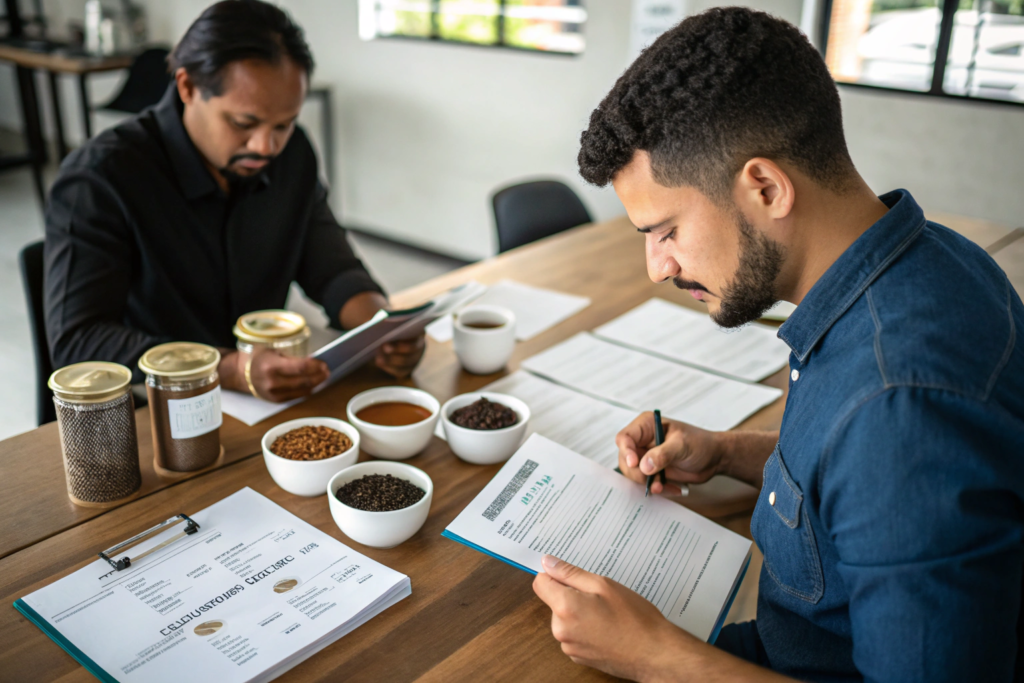
How do density grades appear in contracts?
Professional contracts specify density ranges, not just altitude claims. "Strictly Hard Bean" means something specific—usually beans that stay above a certain screen size and sink in a specific gravity test.
We include density certifications with every specialty lot. Our lab tests every batch and provides documentation. When you buy SHB from us, you get proof. Review Green Coffee Association contract specifications to understand industry standards for density grading.
Should you pay more for certified hard beans?
If you're roasting for specialty markets? Yes. The cup potential justifies the premium. If you're blending for commercial accounts? Maybe not. Test both side by side. See what your customers actually prefer.
One of our Canadian buyers switched entirely to hard beans after a blind tasting with his wholesale customers. They preferred the complexity, even in darker roasts. Another buyer stayed with soft beans because his volume customers wanted smooth and consistent, not complex. Both made the right choice. Working with Shanghai Fumao helps you access both options with clear density documentation.
Conclusion
Hard beans and soft beans aren't better or worse. They're different tools for different jobs. Hard beans from high altitudes give you complexity, density, and roast flexibility. Soft beans from lower elevations offer consistency, smoothness, and value. Understanding the difference helps you buy smarter, roast better, and sell more coffee.
At Shanghai Fumao, we grow both across our 10,000 Yunnan acres. We separate by density, test thoroughly, and document everything. Whether you need SHB for your espresso blend or soft beans for your commercial line, we can deliver with reliable quality and competitive pricing.
If you're ready to source beans that match your exact needs, contact our export manager, Cathy Cai. She'll help you select the right density for your roasting style and market. Email her at cathy@beanofcoffee.com. Tell her what you're roasting now, what challenges you face, and what you want to achieve. She'll respond within 24 hours with samples and specifications that actually make sense for your business.