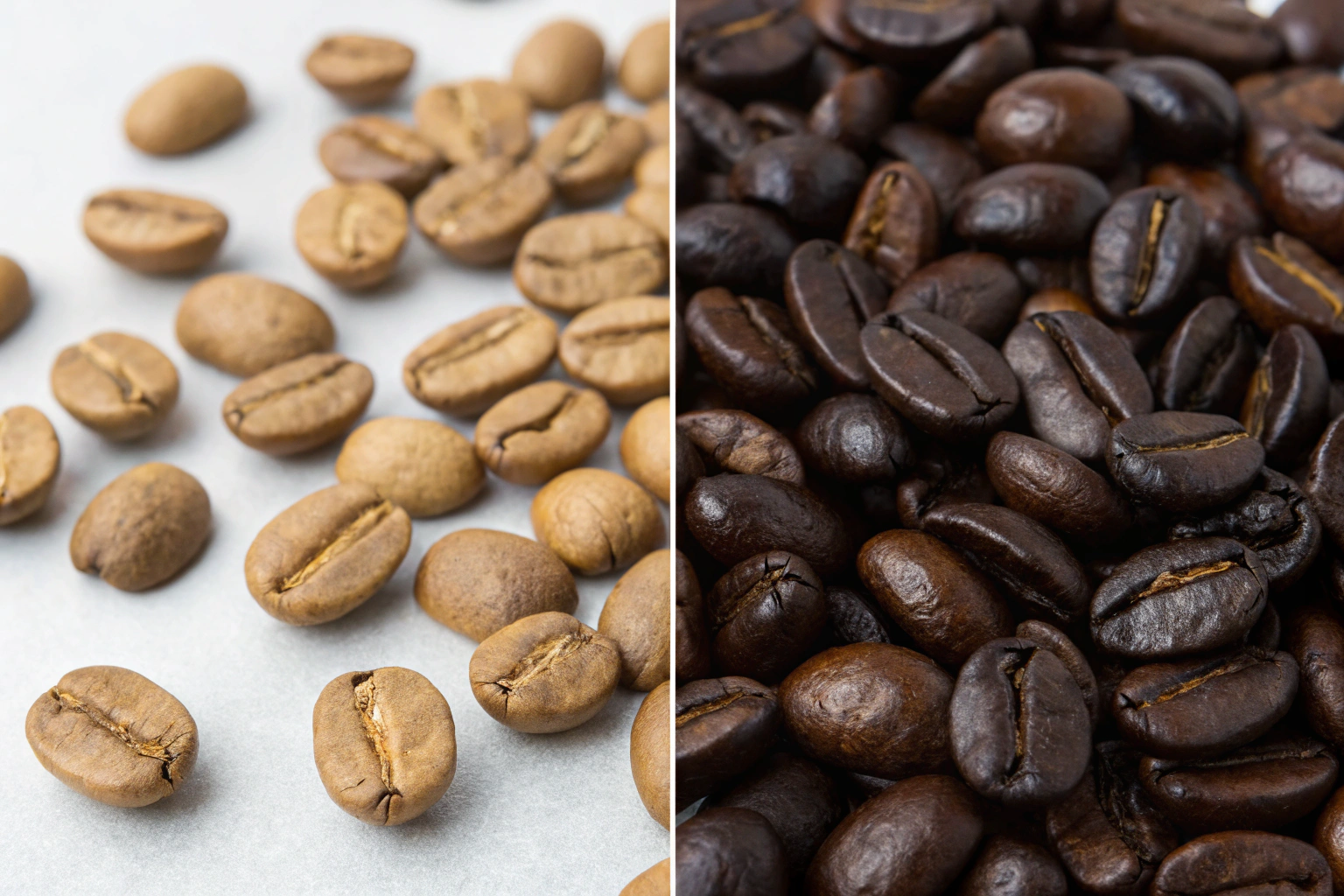
You're standing in front of a coffee menu, torn between a "Bright Light Roast" and a "Bold Dark Roast." They sound like entirely different beverages—and in many ways, they are. This isn't just a matter of color; it's a fundamental difference in philosophy that affects everything from caffeine content to flavor chemistry. Choosing the right roast can transform your coffee experience from mediocre to extraordinary.
The difference between light and dark roast coffee comes down to how long and how hot the beans are roasted. Light roast is stopped shortly after "first crack," preserving the bean's origin character and acidity. Dark roast continues through "second crack," developing oily surfaces and roasty, bitter notes that dominate the bean's inherent flavors. The choice dramatically changes the taste, body, and even caffeine concentration of your brew.
So, what really happens inside the roasting drum that creates such dramatically different products from the same green beans? It's a story of time, temperature, and the transformation of chemical compounds. Let's follow the bean's journey to understand what you're actually drinking.
How Does Roasting Time Create Such Different Flavors?
The roast level is essentially a timer that determines which flavor compounds develop and which get burned away. Light roasting highlights what the farmer created; dark roasting highlights what the roaster created.
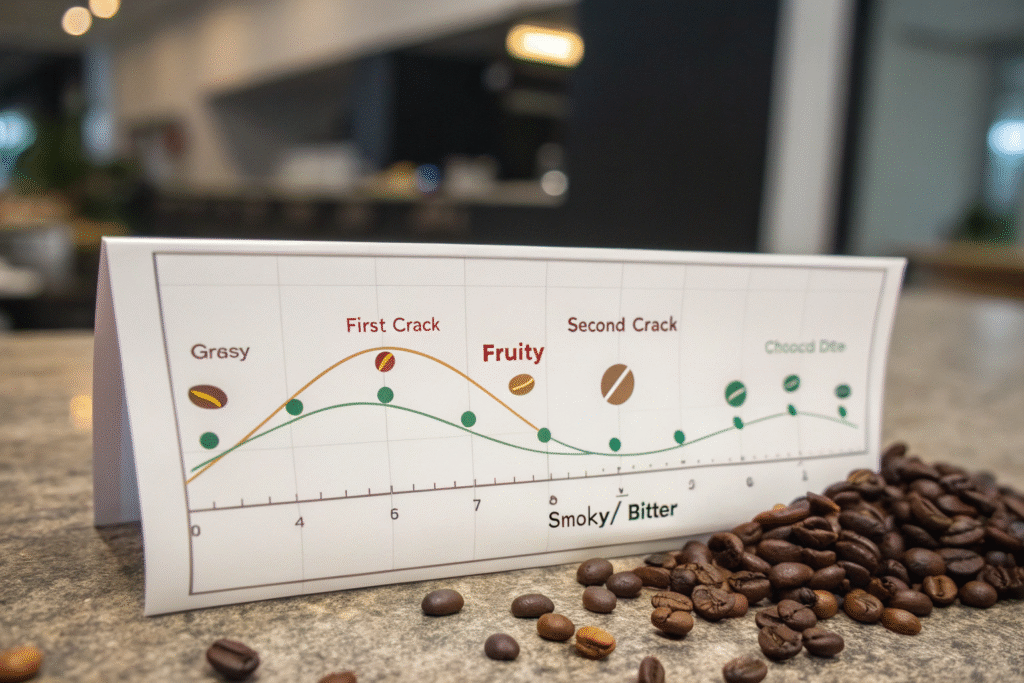
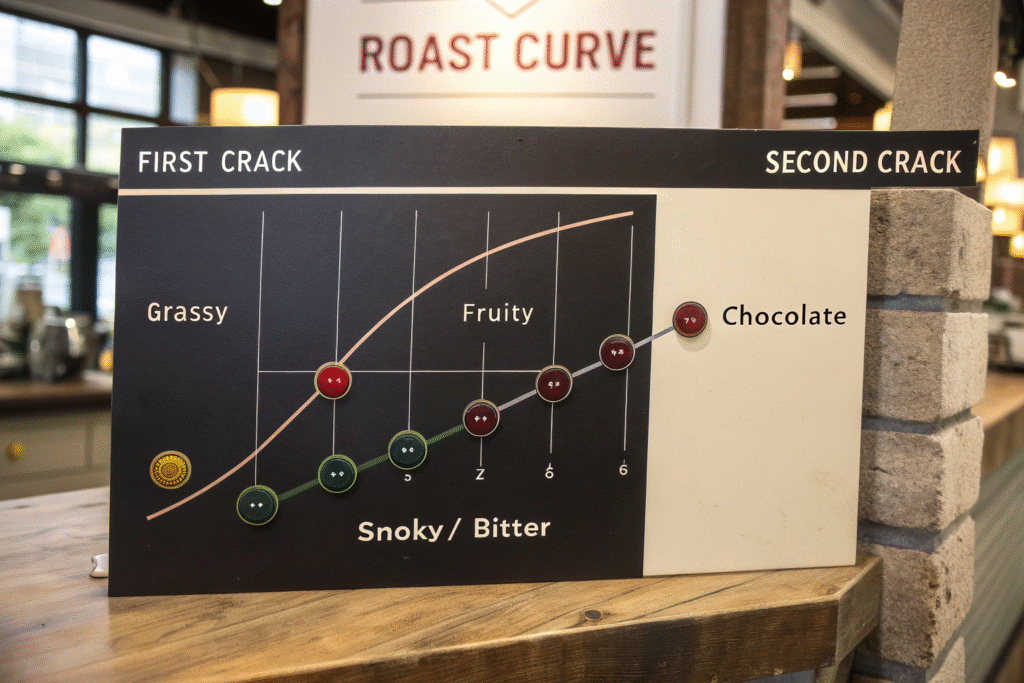
During roasting, beans go through two key auditory milestones: "first crack" (like popcorn popping) and "second crack" (a sharper, faster sound). The roaster's decision to stop the roast at different points creates the spectrum from light to dark.
What Chemical Changes Occur in Light Roasting?
Light roasting stops during or right after first crack (typically 350-400°F/175-205°C). At this point, the bean's inherent sugars have caramelized but not burned, and its acidic compounds remain largely intact. The result is a cup that tastes of the bean's origin—you might notice floral, fruity, or tea-like notes that reflect the farm's terroir. The origin character remains the star of the show.
What Happens During Dark Roasting?
Dark roasting continues well into second crack (typically 430-480°F/220-250°C). The prolonged heat carbonizes sugars and breaks down acidic compounds, creating bitter, smoky flavors that overwhelm the bean's original notes. The beans' oils migrate to the surface, giving them their characteristic shiny appearance. At this stage, you're tasting primarily the roast profile, not the bean's origin.
Which Roast Actually Has More Caffeine?
This is one of the most persistent coffee myths. The answer depends on how you measure your coffee, and it might surprise you.
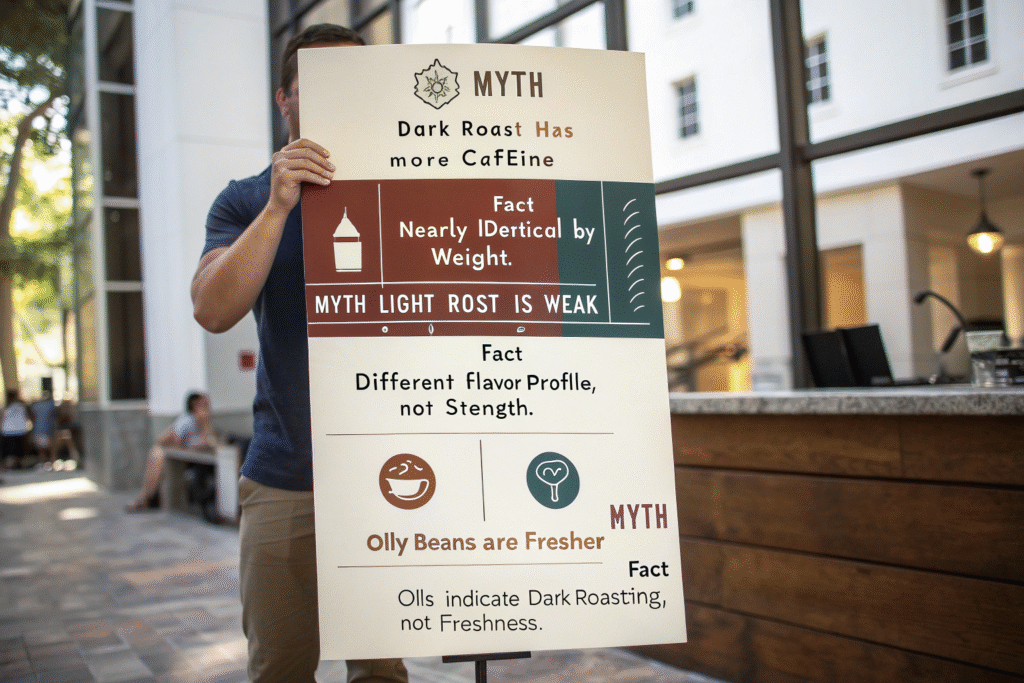
When measured by volume (scoops), light roast has more caffeine. When measured by weight (grams), the caffeine content is nearly identical. The difference comes down to bean density and how much space caffeine molecules take up.
Why Does Measurement Method Matter?
Dark roast beans are less dense—they expand and lose water weight during extended roasting. So if you use one scoop of dark roast versus one scoop of light roast, the scoop of lighter, denser beans contains more actual coffee material and thus more caffeine. However, if you weigh 20 grams of each, the caffeine content will be virtually the same, with light roast having a negligible advantage due to less thermal degradation. This is a classic case of coffee science versus common assumption.
Is the Difference Practically Significant?
For most drinkers, no. The caffeine difference between roasts is minimal compared to other factors like brew method, coffee-to-water ratio, and bean variety (Robusta has nearly twice the caffeine of Arabica). Don't choose your roast based on caffeine expectations—choose it based on the flavor experience you prefer.
How Should You Choose Between Light and Dark Roast?
Your ideal roast depends on your flavor preferences, brewing method, and even what you like to eat with your coffee. There's no "better" or "worse"—only what's better for you.
Light roast highlights complexity and origin character, while dark roast offers consistency and traditional "coffee" flavor. Your choice should align with how you drink coffee and what flavors you enjoy most.
What Are the Typical Flavor Profiles?
Let's compare them directly:
| Characteristic | Light Roast | Dark Roast |
|---|---|---|
| Acidity | Bright, pronounced | Low, rounded |
| Body | Lighter, tea-like | Heavy, syrupy |
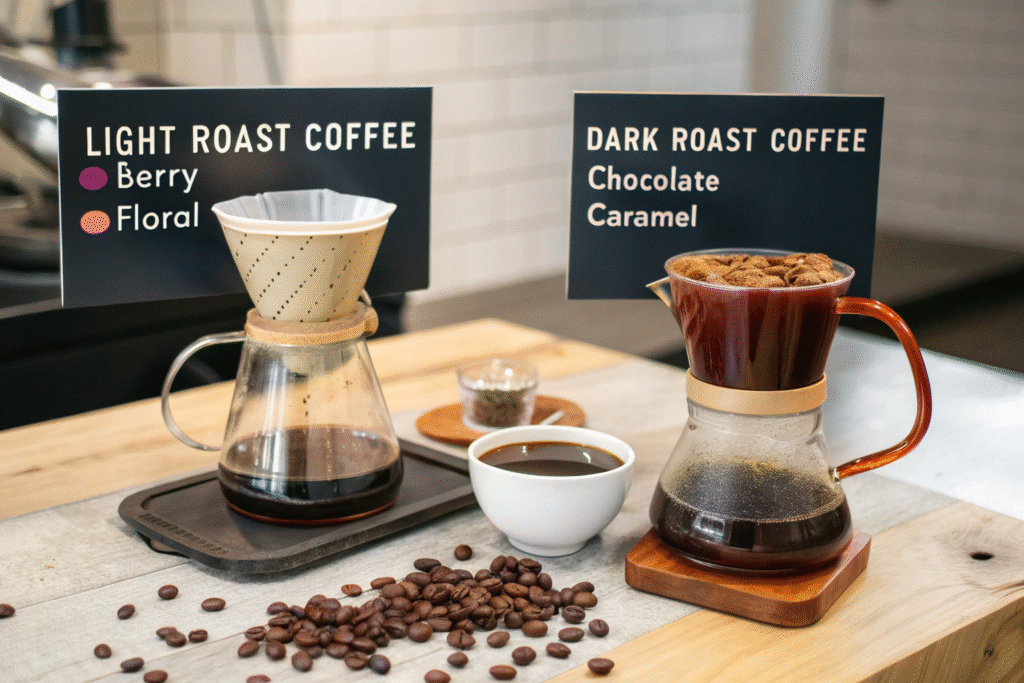
| Flavor Notes | Fruit, flowers, citrus | Chocolate, nuts, smoke |
| Aftertaste | Clean, crisp | Lingering, bitter |
| Bean Surface | Dry, matte | Oily, shiny |
This contrast explains why someone who loves vibrant, complex flavors might prefer light roasts, while someone who values bold, consistent intensity might choose dark.
Which Brewing Methods Work Best?
Light roasts shine in methods that highlight clarity, like pour-over and drip. Their complex acids and delicate notes come through beautifully. Dark roasts perform well in immersion methods like French press and espresso, where their heavy body and bold flavors can stand up to milk and sugar. At BeanofCoffee, we recommend different roasts for different applications—our Yunnan beans make a wonderfully balanced light roast but can also develop rich chocolate notes when roasted darker. Matching roast to brewing method maximizes your enjoyment.
What Are the Common Misconceptions About Roast Levels?
Many coffee drinkers operate under false assumptions that prevent them from enjoying the full spectrum of coffee experiences. Let's clear up the biggest myths.
From "dark roast is stronger" to "light roast is sour," these misconceptions often stem from poor quality beans or bad brewing rather than the roast level itself.
Is Dark Roast "Stronger" Coffee?
"Strength" is about concentration, not roast level. A dark roast might taste more intensely bitter, but that doesn't mean it has more coffee solids dissolved in the water. In fact, dark roasts are more porous and extract faster—sometimes leading to over-extraction and hollow, ashy flavors if not brewed carefully. True coffee strength comes from your brew ratio, not your roast level.
Why Do Some People Think Light Roast is "Sour"?
What coffee professionals call "bright acidity," some consumers perceive as "sourness." This often happens when light roast is under-extracted during brewing. Using slightly hotter water, a finer grind, or a longer brew time can balance the acidity and reveal the sweet, complex flavors underneath. A properly brewed light roast should have a vibrant balance of sweetness and acidity, not one-dimensional sourness.
Conclusion
The difference between light and dark roast coffee is the difference between hearing a singer's natural voice versus hearing them through distortion effects. Light roast reveals the bean's true origin character with all its complexity and nuance. Dark roast creates a bold, consistent profile where the roaster's craft becomes the dominant flavor.
Neither is objectively superior—they're different experiences for different preferences. The best way to discover your preference is to taste the same high-quality beans roasted both ways. We encourage exploration at BeanofCoffee—our Yunnan Arabica offers fascinatingly different experiences at different roast levels. To experience the difference for yourself, contact our export manager, Cathy Cai, at cathy@beanofcoffee.com about sampling our beans roasted to your preferred specification.