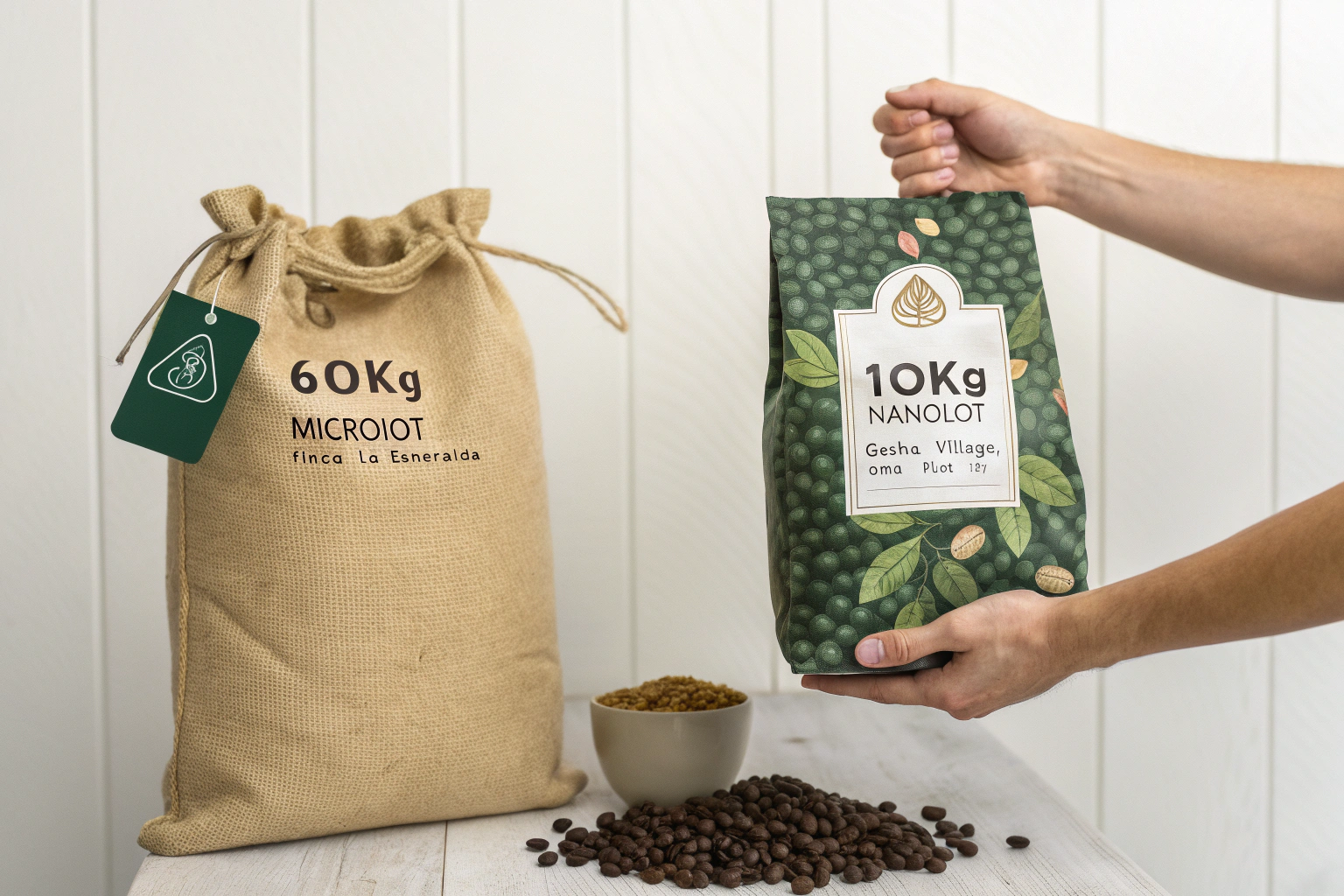
You're familiar with the term "microlot." You know it signifies a coffee that is higher in quality and more traceable than a large, regional blend. You seek them out for their unique flavor profiles and compelling stories. But then you see a new term appearing on the offer lists of high-end importers: "nanolot." It's even more expensive, and the quantity available is tiny. You're left wondering, "Is this just a new marketing gimmick? Or is there a real, meaningful difference? What am I getting for that extra premium?" This is a common point of confusion. The proliferation of new terms can make it hard to know what you're actually buying.
Honestly, the fundamental difference between a microlot and a nanolot is scale and specificity. A microlot is a small, traceable lot of coffee from a specific farm, a specific part of a farm, or a small group of farms, typically ranging from a few bags to around 50 bags. A nanolot is an even smaller, hyper-specific subset of a microlot, often just a single bag or even less, representing the absolute best pickings from a single day, a single tiny plot of land, or an experimental processing method. Think of it this way: if a microlot is a chapter in a book, a nanolot is the single, prize-winning sentence within that chapter.
From our perspective as growers at Shanghai Fumao, creating these lots is an exercise in precision. A microlot might be the combined harvest of the best section of our farm. A nanolot would be the result of us asking our most skilled pickers to go to a single row of our best trees on the day of peak ripeness and select only the perfect, deep-purple cherries for a special, experimental fermentation. It's the pinnacle of our craft. Let's break down the nuances.
What Defines a Microlot? Traceability and Separation.
The concept of the microlot was a revolution in the specialty coffee industry. It was a move away from lumping all of a country's coffee together into large, anonymous regional blends.
So, it's just a smaller amount of coffee? It's not just about the size; it's about the intent to separate for quality. A microlot is created when a farmer or a cooperative identifies a part of their harvest that they believe is exceptional and decides to keep it separate throughout the entire process of picking, processing, and drying. This separation is what allows its unique character to be preserved and evaluated on its own.
The key word is traceability. You can trace a microlot back to a specific place and a specific process.
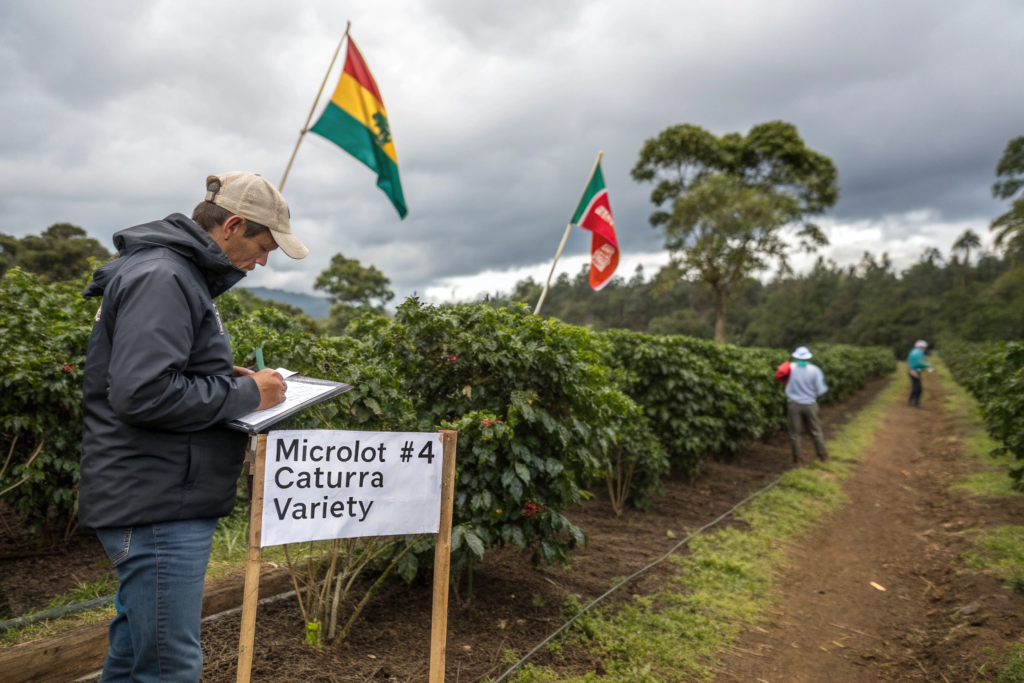
What are the typical characteristics of a microlot?
- Traceability: It can be traced to a single farm (like "Finca El Injerto"), a specific part of a large estate ("El Injerto, Pandora Lot"), or a small, quality-focused cooperative.
- Separation: It is kept separate from the farm's main harvest. This could be based on:
- Variety: Separating a small plot of a high-quality variety like Bourbon from the main crop of Caturra.
- Geography: Separating the coffee grown at the highest altitude of the farm, which ripens more slowly and develops more complexity.
- Processing: Using a special process, like a honey or anaerobic process, on a small portion of the harvest.
- Quantity: There's no official definition, but it generally ranges from about 10 to 50 bags (a bag is typically 60-69 kg). It's enough coffee for a roaster to feature for a few weeks or months.
- Quality: It will have a higher cupping score (typically 86 points or higher) than the main community blend.
Why do farmers produce microlots?
The primary motivation is economic. By separating their best coffee, they can enter it into competitions like the Cup of Excellence or sell it to specialty importers for a much higher price than they would get for their standard crop. It rewards them for their focus on quality.
What Elevates a Coffee to a Nanolot?
If a microlot is about separation, a nanolot is about hyper-specific selection and, often, cutting-edge experimentation. It's taking the microlot concept to its logical extreme.
Is it really just a few kilograms? Yes, often it is. A nanolot might be as small as 5-20 kg of green coffee in total. That's not even a full bag. It's an amount so small that only a handful of roasters in the world will ever get to buy it. The scarcity is extreme. Nanolots are born from a producer's desire to push the boundaries of what is possible.
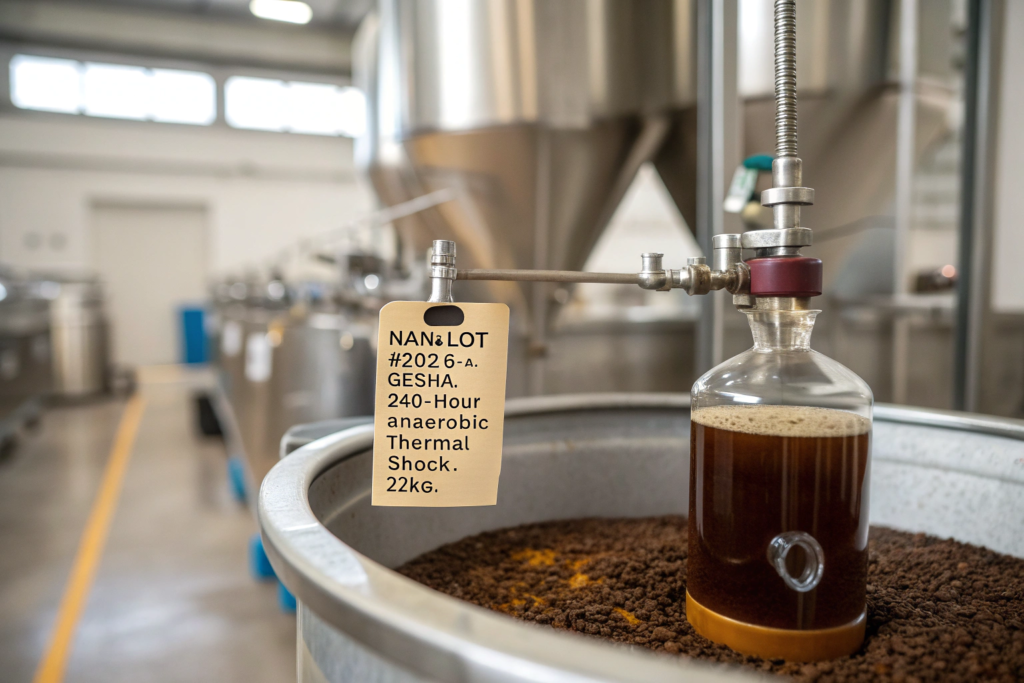
What are the defining features of a nanolot?
- Hyper-Specificity: The traceability is incredibly precise. It might be from:
- A Single Day's Picking: The harvest from a specific plot on the single day of absolute peak ripeness.
- A "Champion's" Lot: The coffee picked by the single best picker on the farm.
- A Single Tree or Row: The harvest from one or two specific, prize-winning trees.
- Extreme Experimentation: Nanolots are often the testing ground for the most advanced and risky processing methods. This could involve things like "carbonic maceration," "thermal shock," or inoculating the fermentation with specific yeast strains, techniques borrowed from the winemaking world.
- Tiny Quantity: Typically under one full bag. Often sold in small, vacuum-sealed boxes rather than traditional jute sacks.
- Exceptional Quality: These are the coffees that get the highest cupping scores (often 90+ points) and win the top spots in global competitions. They have flavor profiles that are often wild, unexpected, and unforgettable.
Why are nanolots so expensive?
The price is a function of extreme scarcity, the high risk of experimental processing (many experiments fail), the incredible labor involved in the hyper-specific picking, and the intense demand from a small number of high-end roasters who want to offer their customers something truly unique and competition-winning.
How Do They Differ from a Buyer's Perspective?
For you, the buyer or roaster, microlots and nanolots serve very different strategic purposes.
So I can't just use a nanolot as my main single-origin offering? Absolutely not. A nanolot is a "guest star," not the main character. It's a limited-edition, "hype" coffee that you might only have for a single weekend. A microlot, on the other hand, can be a staple on your menu for a month or more. Understanding this difference is key to your buying strategy.
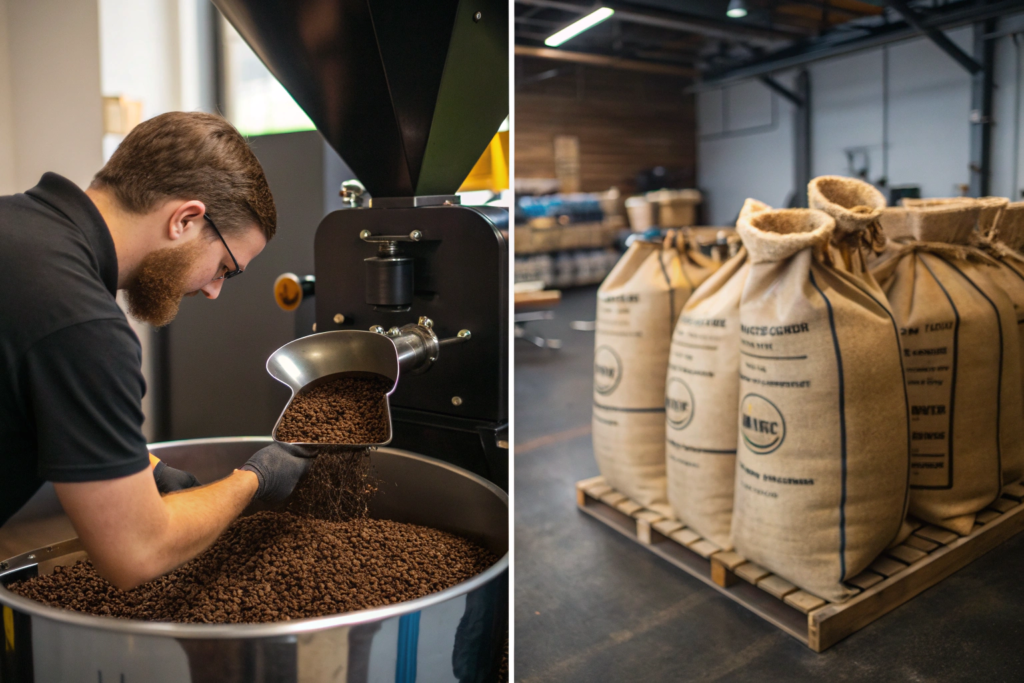
Microlot: The "Featured Single-Origin"
- Purpose: To be your main high-end, single-origin offering. It allows you to tell a specific story about a farm or a process.
- Volume: You can buy enough (e.g., 5-10 bags) to dial in the roast profile perfectly and then offer it consistently for a significant period.
- Marketing: You can build a whole marketing campaign around it, educating your customers over several weeks.
- Example: "This month's featured filter coffee is a beautiful washed Caturra microlot from the 'La Primavera' farm in Colombia, with notes of orange and caramel."
Nanolot: The "Tasting Menu" or "Competition" Coffee
- Purpose: To be an exclusive, limited-release, high-price-point offering. It's for the true coffee connoisseur. It's also used by baristas to win competitions.
- Volume: You might only buy 5kg. You have one chance to roast it perfectly. There is no room for error.
- Marketing: It's all about scarcity and exclusivity. "This weekend only: Taste the 'Sudan Rume' nanolot that won #1 in the Best of Panama auction. Only 30 cups available. $25 per cup."
- Example: "We were lucky enough to secure 2kg of an experimental, 200-hour anaerobic nanolot from our partners at BeanofCoffee.com. The flavor is wild—like tropical fruit and cinnamon. Come try it before it's gone forever."
Which One Is "Better"?
This is like asking if a Michelin 3-star restaurant is "better" than your favorite, high-quality neighborhood bistro. They serve different purposes.
So the nanolot will always taste better? It will almost certainly taste more unique and intense. It might have a flavor profile you've never experienced before. But "better" is subjective. Some people might find the wild, funky, fermented flavors of an experimental nanolot to be too much. They might prefer the clean, balanced, and classic profile of a beautifully executed microlot. The choice depends entirely on your goal.
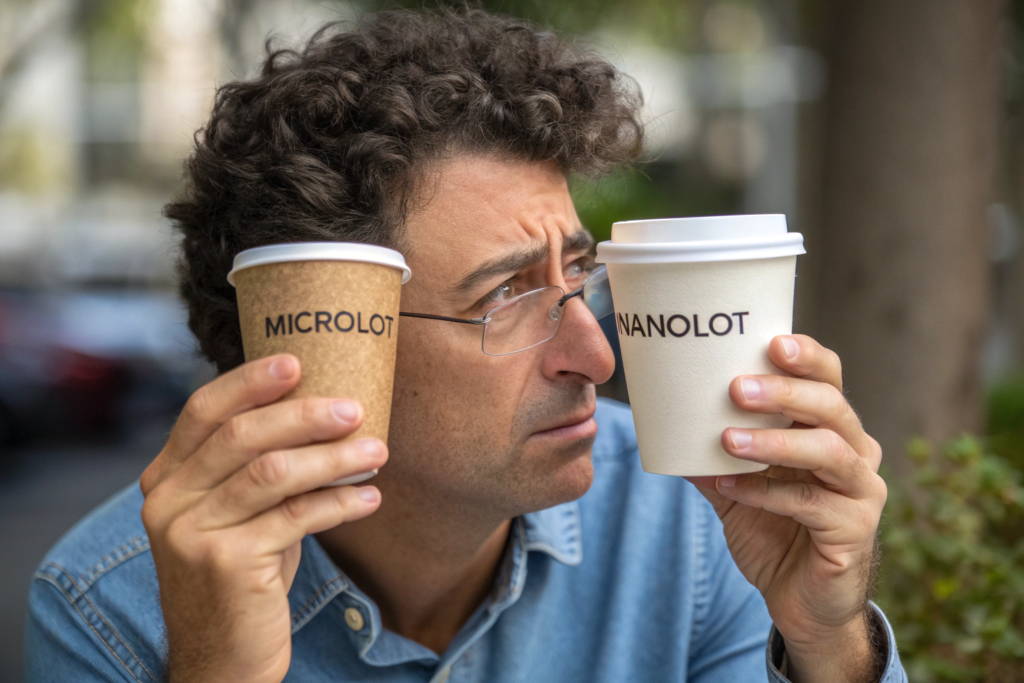
When is a microlot the right choice?
A microlot is the right choice for 99% of a specialty coffee shop's needs. It is the workhorse of a high-quality, single-origin program. It provides the perfect balance of traceability, unique flavor, and sufficient volume to be a practical menu item.
When is a nanolot the right choice?
A nanolot is the right choice for special occasions. It's for creating buzz, for offering a "halo" product that elevates your entire brand, for giving your most passionate customers a truly unforgettable experience, and for winning competitions. It's a marketing investment as much as it is a coffee purchase.
Conclusion
In the world of specialty coffee, microlots and nanolots represent two different tiers of excellence and exclusivity. A microlot is your ticket to the world of traceable, high-quality, single-origin coffee, offering a unique story and flavor profile in a manageable volume. A nanolot is your all-access pass to the bleeding edge of coffee innovation, offering an extremely rare, hyper-specific, and often unforgettably intense flavor experience in a tiny, precious quantity. Understanding the difference allows you to make smarter buying decisions, manage your inventory effectively, and tell a more accurate and compelling story to your customers.
Whether you are looking for a consistent, high-quality microlot to feature on your brew bar or a special, experimental nanolot to create a buzz, the journey begins with a producer who is dedicated to the craft of separation and innovation. We are proud to be developing both types of lots on our farms in Yunnan. Contact our coffee specialist at cathy@beanofcoffee.com to find out about the unique lots from our latest harvest.