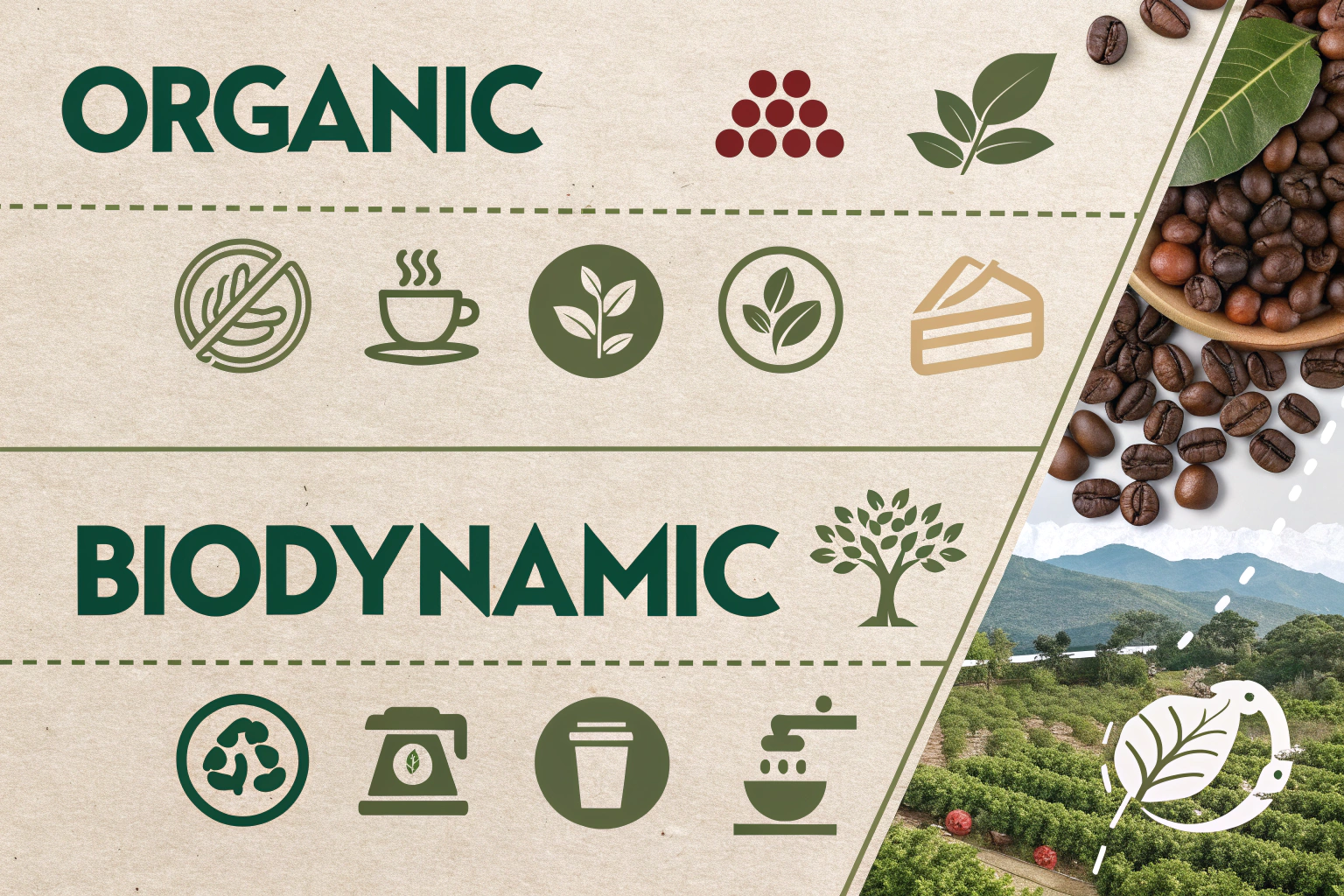
For coffee professionals navigating an increasingly value-driven market, understanding different agricultural philosophies is key. The terms "organic" and "biodynamic" are often used interchangeably by consumers, but they represent two distinct approaches to farming, each with its own principles, practices, and outcomes. As a premium coffee exporter, clarifying these differences is essential for sourcing, marketing, and communicating with informed buyers.
In essence, organic farming is a regulated, input-focused system that prohibits synthetic chemicals and promotes ecological health. Biodynamic farming is a holistic, self-contained philosophy that builds upon organic principles to treat the farm as a single living organism, employing unique preparations and cosmic rhythms to enhance vitality. All biodynamic coffee is inherently organic, but organic coffee does not meet the additional requirements of biodynamics.
How Do the Foundational Philosophies and Intentions Compare?
The divergence between organic and biodynamic begins at the most conceptual level, defining their ultimate goals and views of nature.
Organic farming operates as a methodological framework. It is fundamentally defined by a set of rules and substitutions: replace synthetic pesticides with approved natural ones, use compost instead of chemical fertilizers, and implement practices that support biodiversity and soil health. Its goal is clear: to produce food and coffee in a way that minimizes environmental harm and avoids chemical residues. It is a science-aligned approach focused on ecological balance and sustainability.
Biodynamic farming, developed from the work of Rudolf Steiner, is a comprehensive worldview. It posits that a farm is a cohesive, individual living entity—a "farm organism." The goal transcends sustainability; it aims to maximize the life force and unique character of that specific piece of land. This philosophy incorporates a spiritual dimension, suggesting that cosmic forces (from the sun, moon, and planets) influence plant growth and soil health. The intent is to work with these rhythms to produce food with the fullest expression of its place.
What Is the View of the Farm Ecosystem?
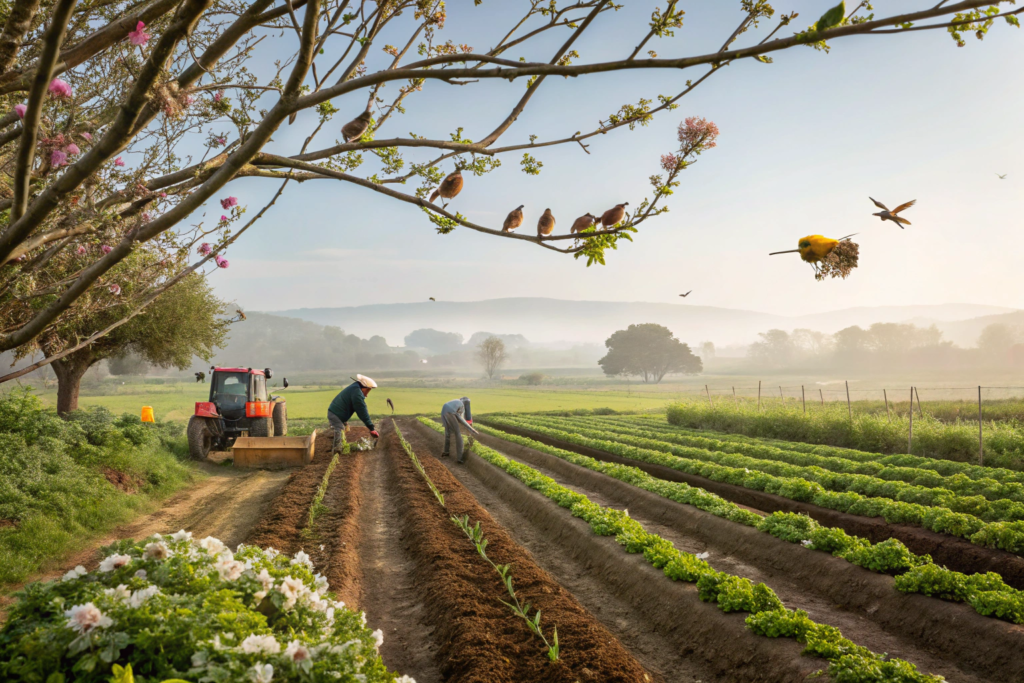
- Organic Perspective: The farm is an agro-ecosystem to be managed ecologically. The focus is on fostering beneficial relationships between soil, plants, animals, and insects to create a balanced, resilient system.
- Biodynamic Perspective: The farm is a unified, living being. Every element—from the soil microbes and crops to the livestock and farmer—is an integral organ of a whole. The health of one directly impacts the vitality of all others.
How Do They Define "Quality" in the End Product?
- Organic Goal: Quality is closely tied to purity and safety—the absence of synthetic chemical residues—along with the environmental benefits of its production.
- Biodynamic Goal: Quality is about vitality and expression. It seeks to produce coffee with exceptional flavor complexity and a true sense of "terroir," believed to be a result of the enhanced life forces within the farm organism.
What Are the Distinctive Practices and Management Requirements?
While both systems prohibit synthetic inputs, their day-to-day management and required practices reveal a significant difference in depth and approach.
Organic practices are well-established and focus on soil health and natural inputs. These include composting green waste, planting cover crops and shade trees, rotating crops, and using biological controls for pests. The system emphasizes building soil organic matter as the foundation for healthy plants and a balanced ecosystem.
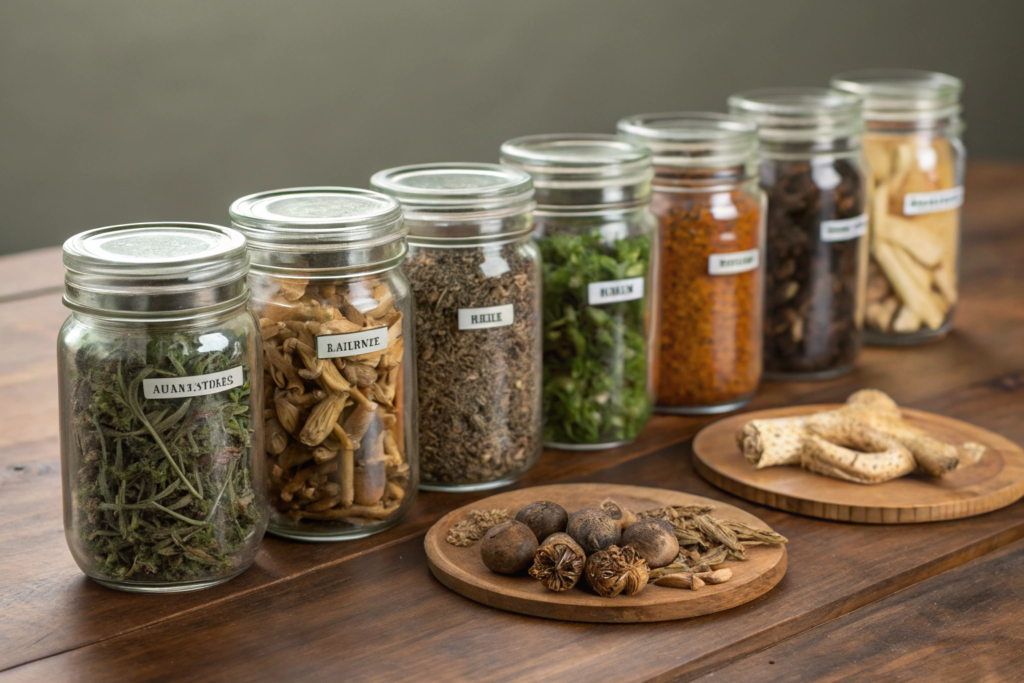
Biodynamic practices incorporate all organic methods but add unique, signature elements. The most distinctive are the nine biodynamic preparations (numbered 500-508). These are made from fermented herbs, minerals, and animal parts (like yarrow stuffed in a deer bladder or oak bark in a cow skull) and are used in minute, homeopathic quantities. They are not fertilizers but are applied to compost, soil, and plants to regulate biological processes and stimulate formative forces.
What Is the Role of the Biodynamic Preparations?
Two key preparations illustrate their purpose:
- Preparation 500 (Horn Manure): Cow manure is fermented in a cow horn buried over winter, then stirred dynamically in warm water and sprayed on fields. It is believed to stimulate soil microbial life, root growth, and humus formation.
- Preparation 501 (Horn Silica): Finely ground quartz is prepared in a cow horn over summer and sprayed on plant leaves. It is intended to enhance light metabolism, photosynthesis, and improve plant form and resistance to disease.
How Does the Concept of a "Closed-Loop System" Operate?
A core ideal of biodynamics is creating a self-sufficient farm organism. This means generating fertility from within:
- Nutrient Cycling: All organic waste (coffee pulp, pruning material, animal manure) is composted on-site, often treated with the biodynamic preparations to create a "living" compost that is returned to the land.
- Integration of Livestock: Animals are considered essential for providing manure and contributing to the farm's biodiversity and balance. Their presence is part of the nutrient cycle.
- Diversity: A biodynamic coffee farm will emphasize a high diversity of plant species (not just coffee) to create habitat, fix nitrogen, and support the overall health of the farm organism.
How Do Certification, Market Position, and Perceived Quality Differ?
For coffee buyers and roasters, the practical implications of these systems are evident in certification labels, market niches, and the narratives used to market the final product.
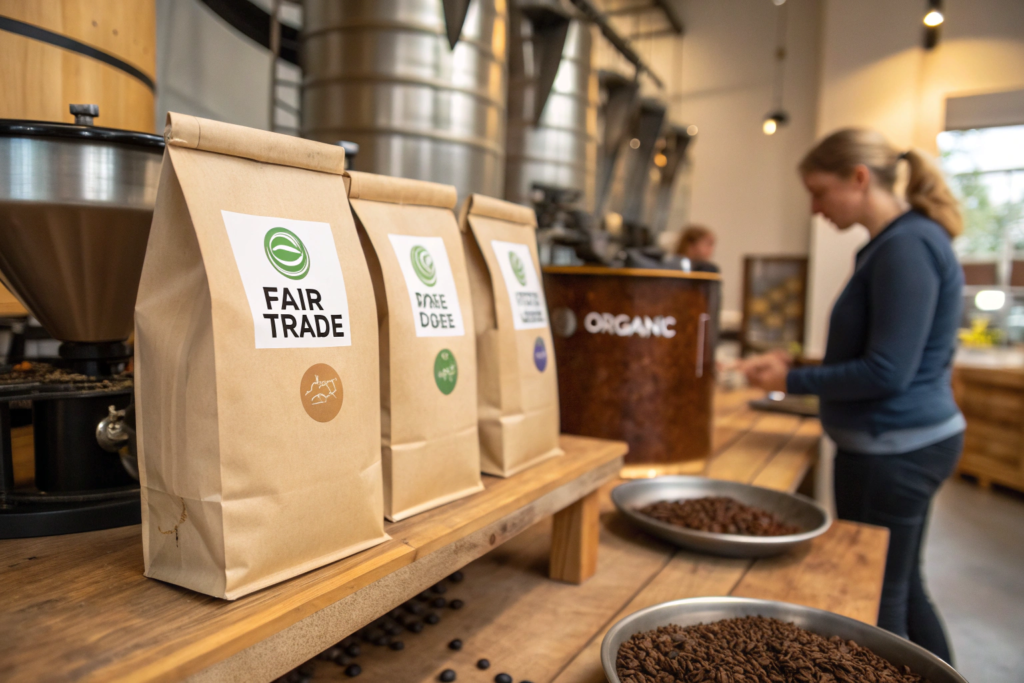
Organic certification is a public standard, typically regulated by government bodies. It provides a clear, recognizable guarantee that the coffee was produced without synthetic chemicals, following a defined set of rules. This certification appeals to a broad consumer base concerned with health, environment, and animal welfare. The market premium for organic coffee is stable and well-understood, often seen as a baseline for responsible sourcing.
Biodynamic certification is managed by the private, member-owned Demeter International organization. The Demeter standard is more stringent; a farm must first be certified organic, then meet additional Demeter requirements covering the entire farm organism. The market is more exclusive, often associated with the highest echelons of wine and specialty food. The branding focuses on rarity, deep connection to place, and artisanal craftsmanship.
How Do Consumer Perceptions and Pricing Models Compare?
- Organic: Viewed as a responsible choice. Consumers pay a premium for verified safety and environmental benefits. The price increase is moderate and widely accepted.
- Biodynamic: Viewed as a premium, philosophical choice. It attracts connoisseurs and those deeply invested in holistic wellness and esoteric quality. The price premium is typically higher, reflecting the intensive labor, lower yields, and niche status.
Is There a Discernible Impact on Coffee Flavor in the Cup?
Advocates claim biodynamic management leads to coffee with greater clarity, complexity, and terroir expression. A 2022 study on biodynamically grown Yellow Bourbon coffee in Brazil found beans consistently scored as specialty grade (above 80 points), suggesting the system supports high-quality potential. The unique practices are believed to enhance plant health and metabolic processes, which may translate into superior cup profile. However, flavor is subjective and influenced by many factors (varietal, processing, roast). While organic farming provides an excellent foundation for quality, its certification does not inherently claim a specific sensory outcome beyond the absence of chemical taint.
Conclusion
Choosing between organic and biodynamic sourcing is a strategic decision that reflects your brand's values and target market. Organic offers a proven, verifiable, and widely understood path to sustainable, chemical-free coffee with strong mainstream appeal. Biodynamic represents a deeper, more philosophical commitment to holistic vitality and terroir, catering to a niche audience that values storytelling, exclusivity, and a connection to cosmic principles. For a coffee business, sourcing organic aligns with a clear, high-volume value proposition, while exploring biodynamic connects with the pinnacle of artisanal, terroir-driven production.
At Shanghai Fumao, our commitment to ecological practices on our Yunnan plantations ensures soil health and environmental stewardship, principles shared by both systems. We are dedicated to providing transparent, premium coffee that meets the evolving demands of the global market. To discuss sourcing options that align with your sustainability goals, please contact our sales lead, Cathy Cai, at cathy@beanofcoffee.com.