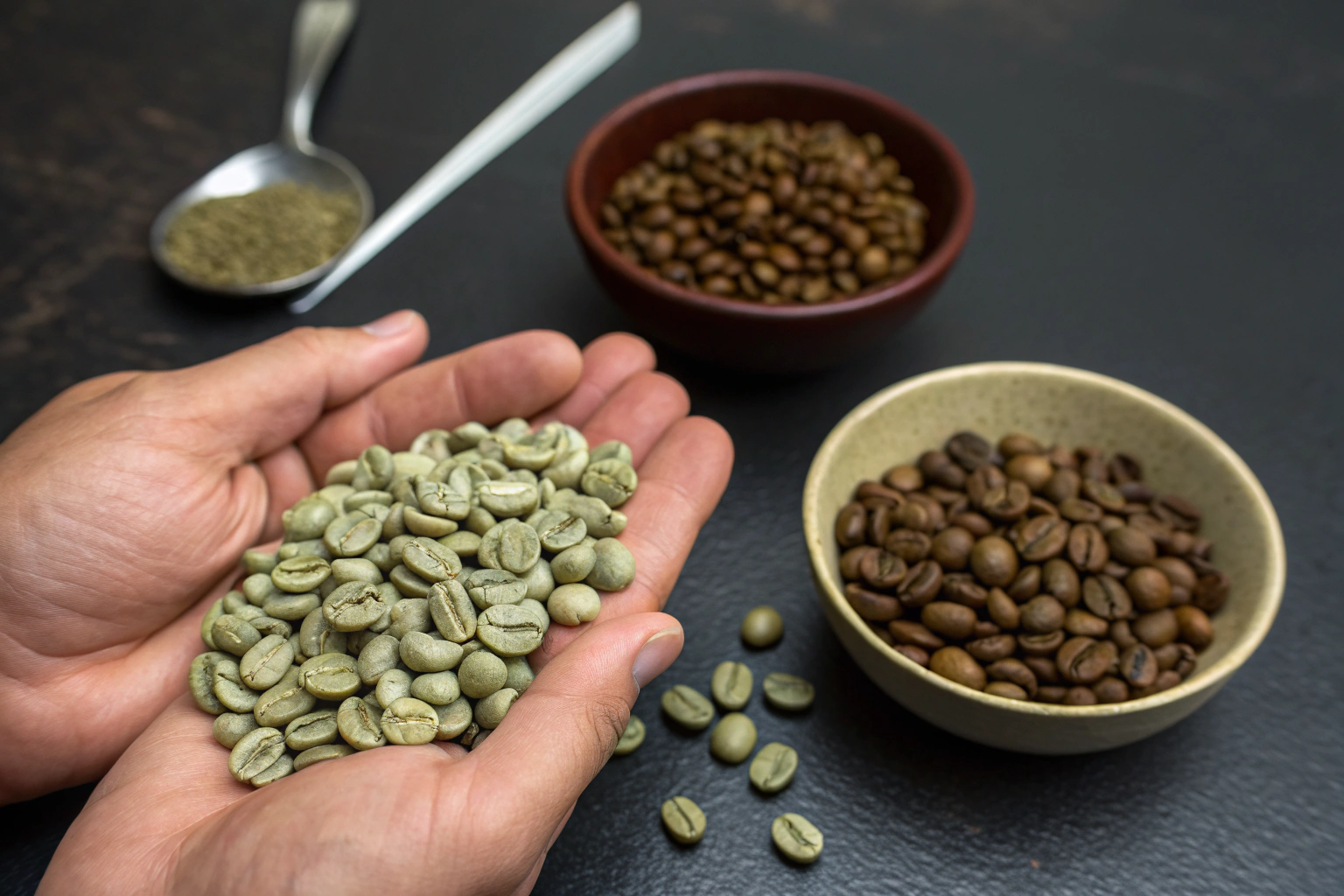
You're cupping samples from a Yunnan farm, comparing two lots of the same harvest, same processing method. One is labeled "Flat Berry," the other "Peaberry." The peaberry is priced higher. You taste them side-by-side and notice a difference—the peaberry seems brighter, perhaps more intense. But is that real, or just the power of suggestion? And why the price difference? For a buyer focused on quality and value like Ron, understanding this natural anomaly isn't just trivia; it's essential for making informed purchasing decisions and potentially discovering a unique selling point.
So, what is the real difference between peaberry and flat berry coffee? It's a story of botany, density, and perceived rarity. The core difference is physical: a peaberry is a single, round bean from a coffee cherry that normally produces two flat-sided beans. This simple physical quirk leads to differences in roast behavior, flavor potential, and market perception. At Bean of Coffee, we separate peaberries during our rigorous sorting process because they represent a distinct, and for many, a prized product category.
Let's delve into how they form, how they roast, and whether the hype around their flavor is scientifically sound or just clever marketing.
What causes the peaberry mutation?
First, let's clear up a common misconception: peaberry is not a specific coffee variety like Bourbon or Typica. It's a natural anomaly that can occur in any variety—our Yunnan Arabica, Catimor, or Robusta can all produce peaberries. It's a shape, not a breed.
Normally, a coffee cherry contains two seeds (beans) nestled against each other. Their flat sides develop where they press together, and their rounded outer backs face the fruit. This is the "flat berry" or normal bean. A peaberry occurs when only one of the two seeds is fertilized or when one seed aborts early in development. The single seed then grows unimpeded in the center of the cherry, developing a smaller, denser, oval or pea-like shape. It's a simple act of nature, but it has cascading effects.
How common are peaberries in a harvest?
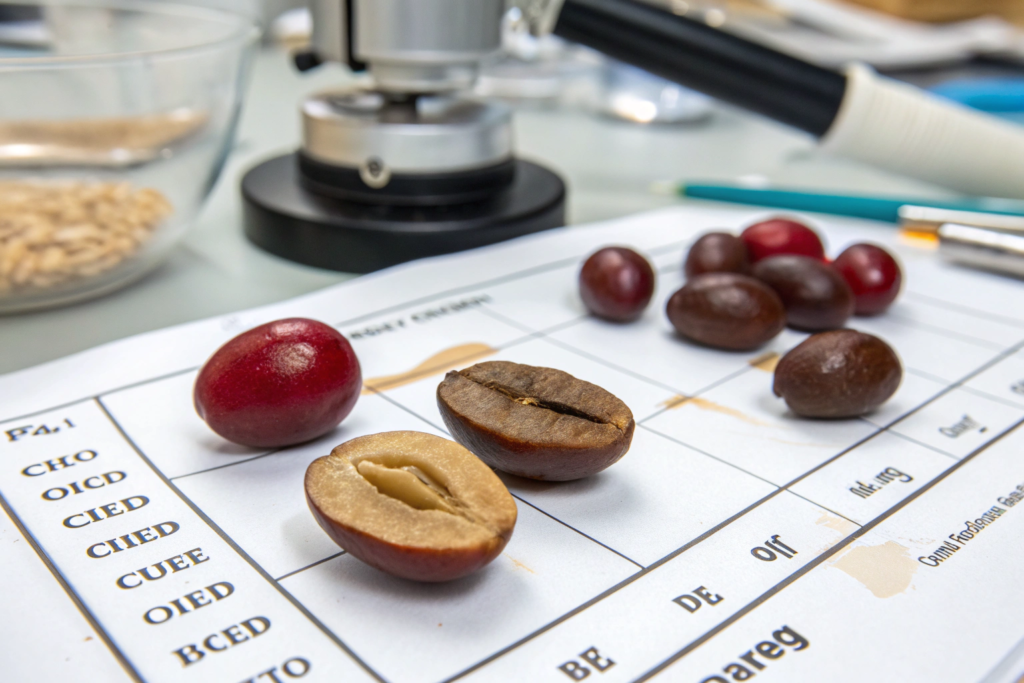
Peaberries aren't rare in the sense of being exotic. In fact, they make up a consistent, small percentage of any harvest—typically between 5% and 10%. The exact percentage can vary with the coffee variety, climate, and even the health of the tree.
What is rare, and what adds cost, is the process of isolating them. They are mixed in with all the other beans after pulping and drying. To create a pure peaberry lot, they must be meticulously sorted out. We use a combination of machinery and manual sorting. Machines can separate by size and density, but the final, visual confirmation is often done by hand. This extra labor is the first reason for the price premium. You're paying for the selection process.
Are peaberries a sign of higher quality?
This is a critical distinction: peaberry is a category, not a guarantee of quality. A peaberry from a poor-quality harvest will still taste poor.
However, the sorting process indirectly elevates quality. Because we are pulling out all the small, round beans, we are also removing other small defects and underdeveloped beans that are similarly sized. The resulting peaberry lot can be more uniform. But the inherent quality potential—the genetics, the terroir of our Yunnan farm, the processing skill—is the same for the peaberries and the flat beans from the same batch. A high-scoring flat berry lot from Bean of Coffee is still exceptional coffee. The peaberry is just a different expression of it.
How does the shape affect roasting and flavor?
This is where the debate gets interesting. The physical difference—a small, dense, round bean versus a larger, less dense, flat bean—has real consequences in the roaster. Proponents of peaberry claim this leads to a different, often superior, cup profile.
The theory goes like this: The round, dense shape allows for more even heat transfer during roasting. There are no thin edges (like on a flat bean) to scorch, and no thick, hard-to-penetrate flat sides. This potentially leads to a more uniform development of sugars and acids. Additionally, some believe all the flavor potential and nutrients that would have gone into two beans are concentrated into one, leading to greater intensity.
Do peaberries actually roast more evenly?
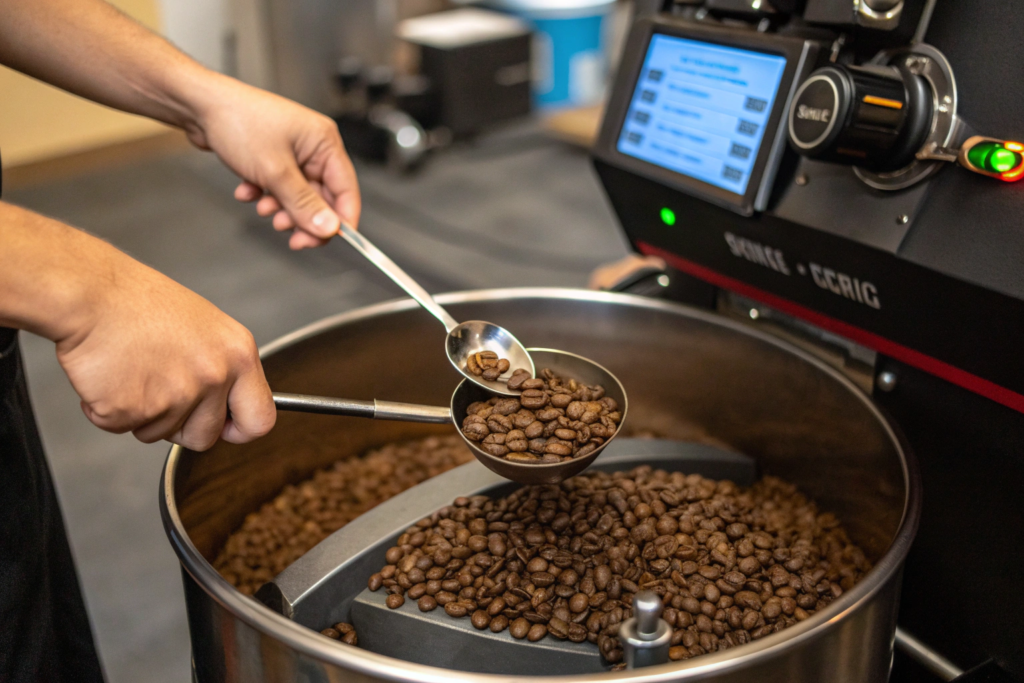
In practice, yes, many professional roasters find peaberries to be more forgiving and consistent in the roaster. Their uniform size and shape mean they reach the same temperature at roughly the same rate.
Flat beans, due to variations in size, shape, and density (even within the same lot), can have a wider range of outcomes. A few beans might get too dark while others are underdeveloped. With a well-sorted peaberry lot, this range narrows. The result is a roast profile that a roaster can control more precisely. For a commercial roaster seeking batch-to-batch consistency, this is a tangible benefit. It's not magic; it's physics and logistics.
Is the flavor truly more intense or different?
This is subjective, but there is a widely reported trend. Peaberries are often described as having a brighter acidity, a lighter body, and a more distinct, sometimes fruit-forward flavor profile.
Why might this be? It could be due to the even roast development, which preserves delicate acids. It could also be related to density. The denser peaberry may have a different cellular structure. However, it's crucial to remember that the core flavor DNA—the "origin character" of our Yunnan coffee—is the same. A peaberry doesn't create new flavors; it may simply express the existing ones with a different balance or clarity. In a blind tasting, many people can't consistently tell them apart from high-grade flat beans from the same origin. The Specialty Coffee Association provides resources on sensory analysis that can help buyers evaluate such claims.
What is the market perception and pricing?
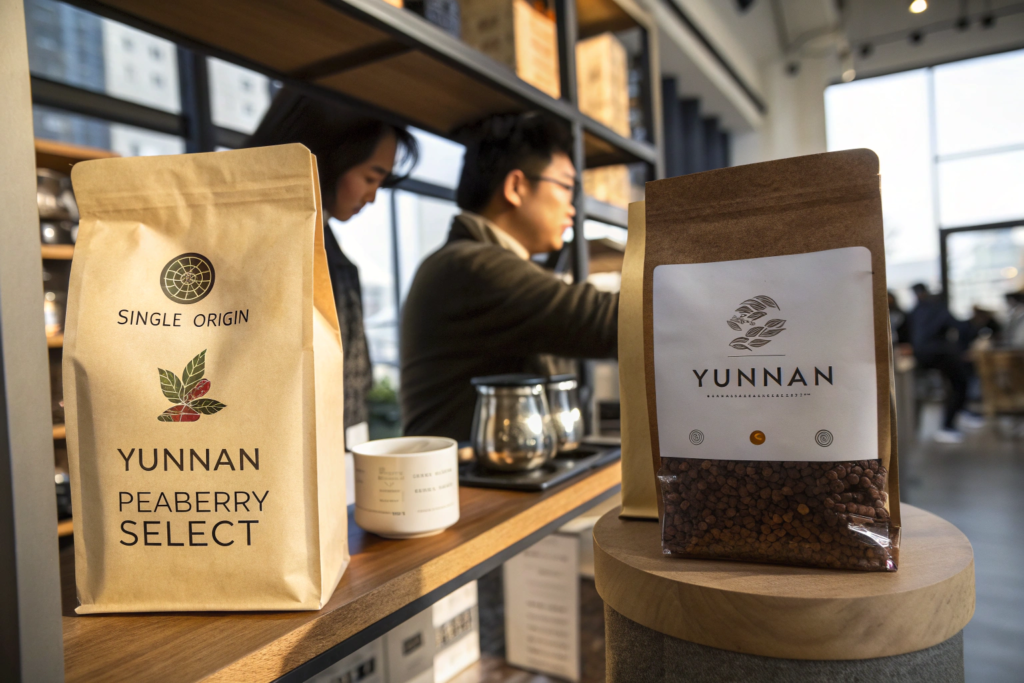
Beyond the physical and sensory differences, peaberry has carved out a unique market niche. It is often marketed as a specialty, limited-edition product. This marketing, combined with the extra sorting cost, justifies the higher price.
For a brand, offering a peaberry can be a smart move. It provides a story—a natural anomaly, hand-selected, with a unique roasting story. It commands a higher retail price and appeals to curious connoisseurs. But for a buyer like Ron, who is concerned about price, the question is: does the market return justify the extra cost?
Why is peaberry coffee more expensive?
The premium breaks down into three parts:
- Sorting Cost: The labor and time to isolate 5-10% of the crop.
- Yield Loss: Sorting them out reduces the total volume of the main flat bean lot, so their cost must be recovered.
- Marketing Premium: Their perceived rarity and unique story allow them to be positioned as a premium product.
As a buyer, you need to decide if your target customer values the story and the potential flavor profile enough to pay that premium. For a high-volume blend where consistency is key but a story is less important, the flat berry lot is the more cost-effective choice.
Should you buy peaberry or flat berry?
The choice depends entirely on your end-use.
- Choose Peaberry if: You are building a portfolio of distinct, story-driven single origins. You want to offer something "different." Your roasting process benefits from extreme bean uniformity. Your customers are enthusiasts willing to pay for exclusivity.
- Choose Flat Berry if: You need large volumes for blends or a core single origin. Price-per-kilo is a primary concern. You are confident in your roaster's ability to manage bean variation. You believe the fundamental quality of the main lot is outstanding on its own (which it often is).
At Bean of Coffee, we offer both. Our premium Yunnan Arabica flat berry lot might score 84+ and be a workhorse of quality and value. The peaberry lot from the same harvest offers a different experience and business proposition.
Conclusion
The difference between peaberry and flat berry coffee is both tangible and nuanced. Botanically, it's a single, round bean versus two flat-sided ones. Practically, it leads to more uniform roasting and often a brighter, more intense cup profile due to density and even heat application. Commercially, it commands a higher price due to sorting costs and its niche market appeal.
However, it is not an automatic indicator of superior quality. The finest flat berry coffee can be world-class. The decision to buy peaberry should be strategic: Is it for a unique product line, or for blending? Does the flavor profile align with your brand? Does the math of the price premium work for your business model?
Ultimately, the best test is in the cup. We encourage buyers to sample both side-by-side. At Bean of Coffee, we can provide samples of our Yunnan Peaberry and the corresponding Flat Berry lot from the same harvest. Taste them, roast them, and let the beans—and your customers—tell you which is the right choice. To request comparative samples, contact our export manager, Cathy Cai, at cathy@beanofcoffee.com. Discover the difference for yourself.