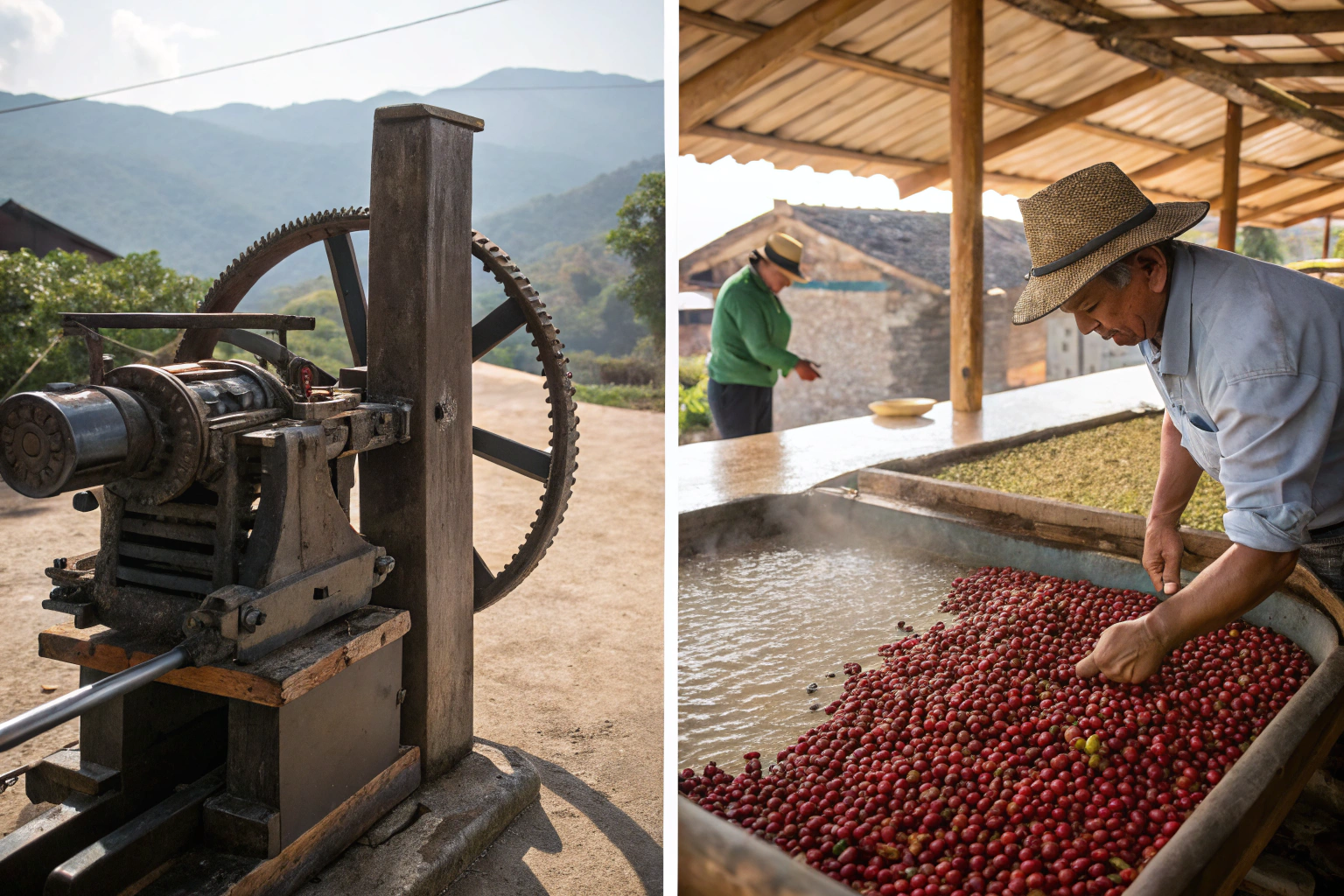
You’ve probably heard coffee described as “washed” or “natural,” but what do these terms really mean for your business? If you’re sourcing beans, the processing method isn't just a detail—it’s a fundamental choice that defines flavor, cost, and even your supply timeline. So, let’s break it down.
The core difference between wet (washed) and dry (natural) coffee processing lies in when the coffee cherry’s fruit is removed. In wet processing, the fruit pulp is removed immediately after harvesting using water, before the beans are dried. In dry processing, the entire coffee cherry is dried in the sun with the fruit still intact, and the dried pulp is removed later. This seemingly simple difference in sequence creates vastly different flavor profiles, costs, and risks. For a buyer, choosing between them means balancing taste preferences, market demands, and logistical considerations.
From our mountains in Yunnan, we see this choice every day. It’s the first major decision after harvest that shapes the bean’s destiny. Let’s explore what each method really involves and why it matters for your bottom line.
How Does Washed (Wet) Processing Work Step-by-Step?
When you want a clean, consistent, and bright coffee, the washed process is often the go-to. But achieving that clarity requires precise steps and significant resources. How is it done?
Washed processing involves a mechanized and water-intensive sequence: harvesting, depulping, fermentation, washing, and finally drying. The goal is to completely separate the bean from the cherry’s fruit and mucilage before drying, resulting in a pure expression of the bean’s inherent characteristics. It’s a method that demands control—control over water, time, and temperature.
Here at Shanghai Fumao, we use this method for most of our premium Arabica lots destined for specialty markets in North America and Europe. Why? Because it delivers the predictable, nuanced profile that roasters and consumers in those markets often seek. But it’s not a simple rinse. Let’s look under the hood.
What Happens During Fermentation and Washing?
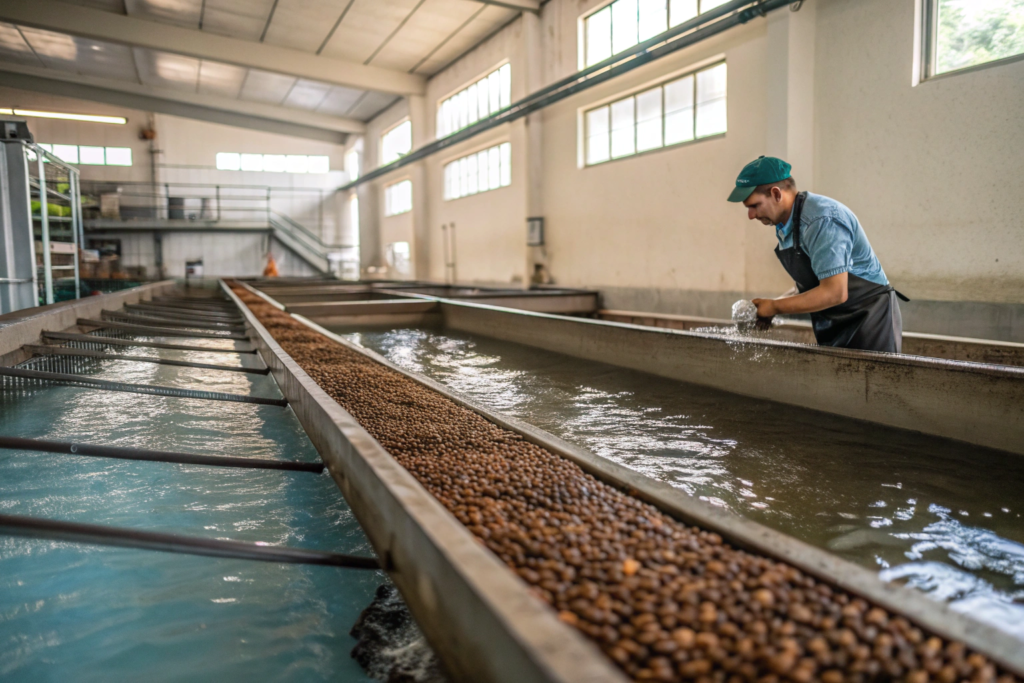
This is the heart of the process. After depulping, the beans—still coated in a sticky, sugary layer called mucilage—are placed in fermentation tanks. They’re not just sitting in water; they’re fermenting. Natural enzymes break down the mucilage. This can take 12 to 48 hours, depending on the climate and altitude. It’s a delicate phase. Under-ferment, and the mucilage sticks, causing defects. Over-ferment, and you get unpleasant, vinegar-like sourness. After fermentation, the beans are thoroughly washed in clean water channels to remove all remnants. This step is why the method is called “washed.” It’s also why it requires a reliable, clean water source—a key consideration for sustainable sourcing. The resulting bean is clean, with a consistent green coffee color and no fruity residue.
Why Does Washed Processing Offer More Consistency?
Consistency is a major advantage for large buyers. Because the fruit is removed early, the bean is less exposed to the unpredictable sugars in the pulp during drying. This minimizes the risk of off-flavors like uncontrolled booziness or wild fruitiness. The flavor profile tends to highlight the bean’s origin characteristics—think of the bright acidity of our Yunnan high-grown Catimor, or the clean, tea-like notes. For a brand buyer or distributor creating a stable product line, this predictability is gold. However, this control comes at a cost. The process requires specialized equipment (depulpers, tanks, washing channels), significant water, and more labor hours. This investment is reflected in the final price, but for many markets, the trade-off for quality and consistency is absolutely worth it.
What Is the Traditional Dry (Natural) Processing Method?
Sometimes called the “natural” method, this is the oldest way to process coffee. It’s simple in concept but requires perfect conditions to execute well. What does it entail?
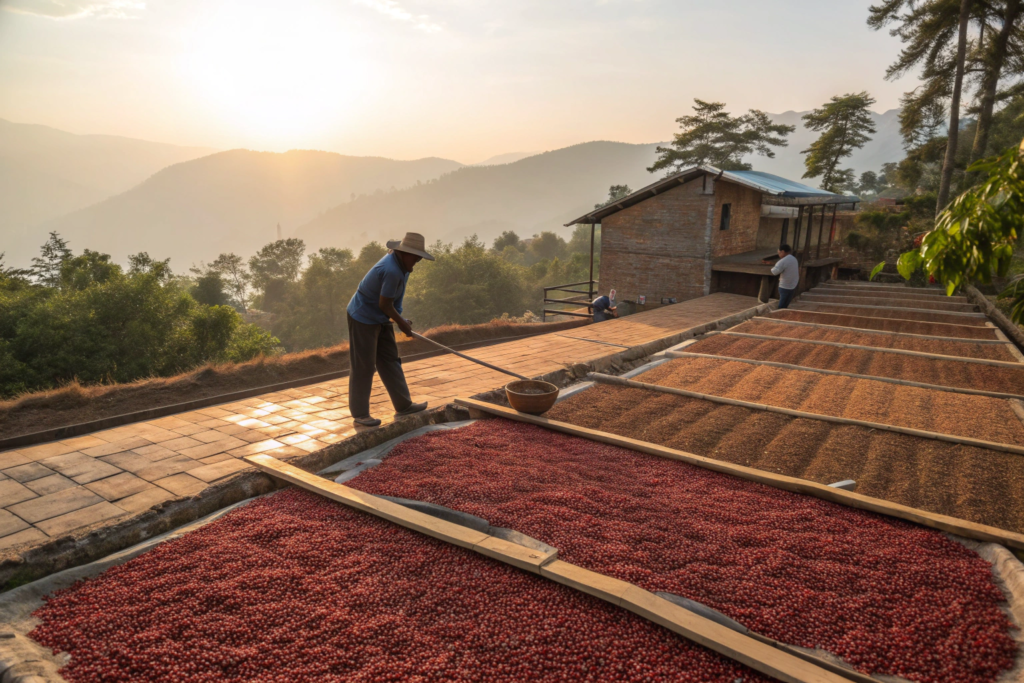
In dry processing, freshly harvested coffee cherries are spread out in a thin layer on large patios or raised beds and dried entirely in the sun, with the fruit flesh and skin still on the bean. The cherries are regularly turned to prevent mold and ensure even drying. This can take several weeks. Only after the cherry has shriveled to a raisin-like state and the moisture content of the seed inside reaches around 11% is the entire dried husk mechanically removed. The bean absorbs sugars and compounds from the fermenting fruit throughout this long drying period, leading to a dramatically different cup.
We use this method selectively in Yunnan, typically for our Robusta beans and some Arabica lots when we have a forecast of long, dry, sunny days. The result? A cup that’s often heavier, sweeter, and fruit-forward. But honestly, it’s a higher-risk method. A sudden rain can ruin an entire lot.
How Does Drying Impact the Final Flavor Profile?
The extended contact between the bean and the sweet, fermenting fruit pulp is what creates the signature “natural” taste. As the cherry dries, the sugars slowly penetrate the bean. This can produce intense flavor notes of berry, jam, tropical fruit, and even wine. The body is usually heavier, and the acidity is softer and less pronounced than in a washed coffee. For buyers looking to create a bold, distinctive blend or a single-origin that stands out on the shelf for its fruity complexity, naturals are a fantastic choice. However, the flavor can be less predictable year-to-year compared to washed coffees, as it’s heavily influenced by that particular harvest’s weather conditions.
What Are the Key Risks and Advantages for Suppliers?
From our perspective as growers and exporters, the dry method has clear trade-offs. The main advantage is lower operational cost. It needs less infrastructure—no expensive depulpers or complex water systems. It also uses far less water, making it more sustainable in arid regions. The main risk is entirely weather-dependent. High humidity or rain during the drying period can lead to mold, over-fermentation, and defects like sour beans. It also requires more physical space (large drying patios) and constant manual labor for raking and sorting. For a buyer, this means the quality of a natural process coffee is a direct testament to the supplier’s diligence and access to ideal drying conditions. When you buy a great natural from Shanghai Fumao, you’re buying the result of weeks of perfect weather and careful tending.
Which Processing Method Is Right for Your Market?
You’re not just buying beans; you’re buying a flavor profile for your customers. So, how do you decide? The answer depends heavily on who you’re selling to and what they expect.
For markets like North America and Europe, washed coffees are often the safe, mainstream choice for their clarity and consistency, while natural and other methods are growing in popularity among specialty roasters and consumers seeking bold, fruity experiences. It’s not about which is objectively better, but which better serves your product strategy. A large distributor might prioritize the stable, clean base of a washed coffee for a reliable house blend. A craft roaster might seek a standout natural for a limited single-origin release.
We advise our clients based on their end-use. For example, a trading company supplying large U.S. café chains often leans toward washed Arabica for its blend versatility and predictable performance in espresso. But another client, an innovative brand in Australia, might exclusively seek funky, winey naturals to attract adventurous drinkers.

How Do Processing Methods Affect Roasting and Brewing?
This is a practical, often overlooked point. The bean’s starting point changes how you roast it. Washed beans, being more uniform and dense, often tolerate and benefit from a wider range of roast profiles. You can highlight their acidity with a lighter roast or develop body with a darker one. Natural beans, already loaded with developed sugars from the fruit, can easily taste baked or smoky if roasted too dark. They often shine with a careful medium roast that preserves their unique fruit notes. Similarly, in brewing, naturals can produce a heavier, more sediment-rich cup if not ground and filtered properly. Understanding this helps you, the buyer, provide better guidance to your own customers, adding value beyond just the bean sale.
What About the Price and Supply Timeline?
Let’s talk numbers and time. Generally, washed coffee commands a higher FOB price due to its higher processing cost (equipment, water, labor). However, the supply timeline can be interesting. A natural process coffee is dried with the fruit, which adds significant moisture and mass, prolonging the drying time by weeks. This means from the same harvest day, washed beans are often dried, milled, and ready for export sooner than naturals. For a buyer like Ron who values timeliness, this is a crucial logistics factor. If you need a quick turnaround after harvest, washed might be the more reliable route. If you can plan further ahead and are hunting for a unique, cost-effective flavor profile, naturals offer great value.
Are There Other Important Coffee Processing Methods?
The world of coffee processing isn't binary. Beyond washed and natural, innovative methods are creating exciting new profiles. What should a forward-thinking buyer know?
Yes, hybrid methods like Honey (Pulped Natural) and Wet-Hulled processing are critically important, offering unique flavor spectrums and operational advantages in specific regions. These methods creatively manipulate the variables of fruit removal, mucilage retention, and drying time. For a buyer, they represent opportunities to access distinctive flavors and sometimes, more stable pricing or supply chains.
In our work with partners like Shanghai Fumao, we’ve experimented with honey processing on some small Arabica lots. The results can be stunning—offering a “best of both worlds” character that appeals to a broad audience. Let’s demystify these.
What Is Honey (Pulped Natural) Processing?
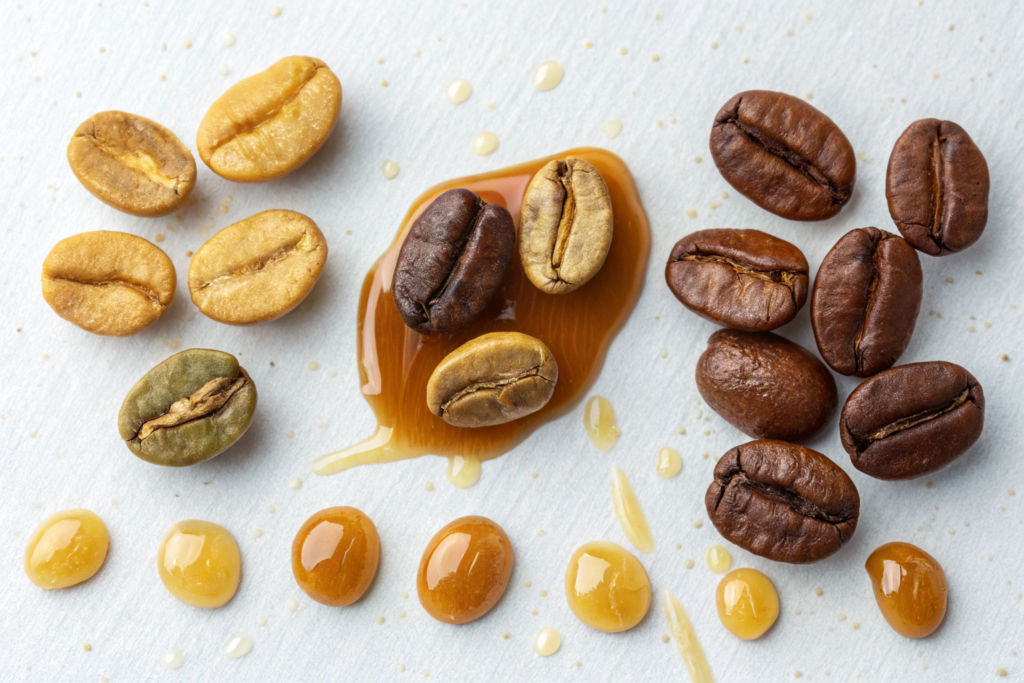
Think of honey process as the middle ground. The coffee cherry is depulped to remove the outer skin, but a significant amount of the sticky, honey-like mucilage is intentionally left on the bean during drying. The amount left on determines the color—black, red, yellow, or white honey (from most mucilage to least). This method borrows from both sides: it uses a machine like washed coffee, but the drying with mucilage resembles the natural process. The result? A cup that often has more body and sweetness than a washed coffee, but more clarity and balanced acidity than a natural. It’s less risky than full natural because the vulnerable fruit skin is gone, reducing the chance of mold. For a supplier, it’s a way to create a value-added, specialty product without the extreme water use of washing.
What Is Wet-Hulled Processing and Where Is It Used?
This method, known as Giling Basah in Indonesia, is a key part of the flavor identity of Sumatran and Sulawesi coffees. It’s less common in China, but understanding it shows how processing defines regional character. Here’s how it works: The coffee is initially depulped and dried briefly (to about 30-40% moisture, not the usual 11%). Then, while still soft and pliable, the parchment is hulled off (the “wet-hulling” step). The naked, moist bean is then dried the rest of the way. This unique method, driven by humid climates needing faster drying, creates the iconic heavy body, low acidity, and earthy, spicy notes of Indonesian coffees. It’s a reminder that processing is often a practical response to local environment. For a global buyer, appreciating these differences allows you to curate a truly diverse and authentic portfolio.
Conclusion
The difference between wet and dry coffee processing is fundamental. Washed processing offers clarity, consistency, and bright acidity by removing the fruit before drying. Dry (natural) processing delivers intense fruitiness, heavy body, and sweetness by drying the bean inside the entire cherry. Your choice directly shapes the flavor in the cup, the cost in your ledger, and the reliability of your supply chain.
There’s no single “best” method. The best method is the one that aligns with your target market’s preferences, your quality control capabilities, and your logistical needs. Understanding these differences empowers you to make informed sourcing decisions and speak confidently about your product.
If you are looking to explore these different profiles—from the clean notes of our washed Yunnan Arabica to the experimental honey-processed lots—we can provide samples and detailed profiles to match your strategy. To discuss how specific processing methods can meet your market’s demands, contact our Sales Director, Cathy Cai. She can guide you through our current offerings and arrange targeted samples. Reach Cathy at cathy@beanofcoffee.com. Let’s process the perfect bean for your business.