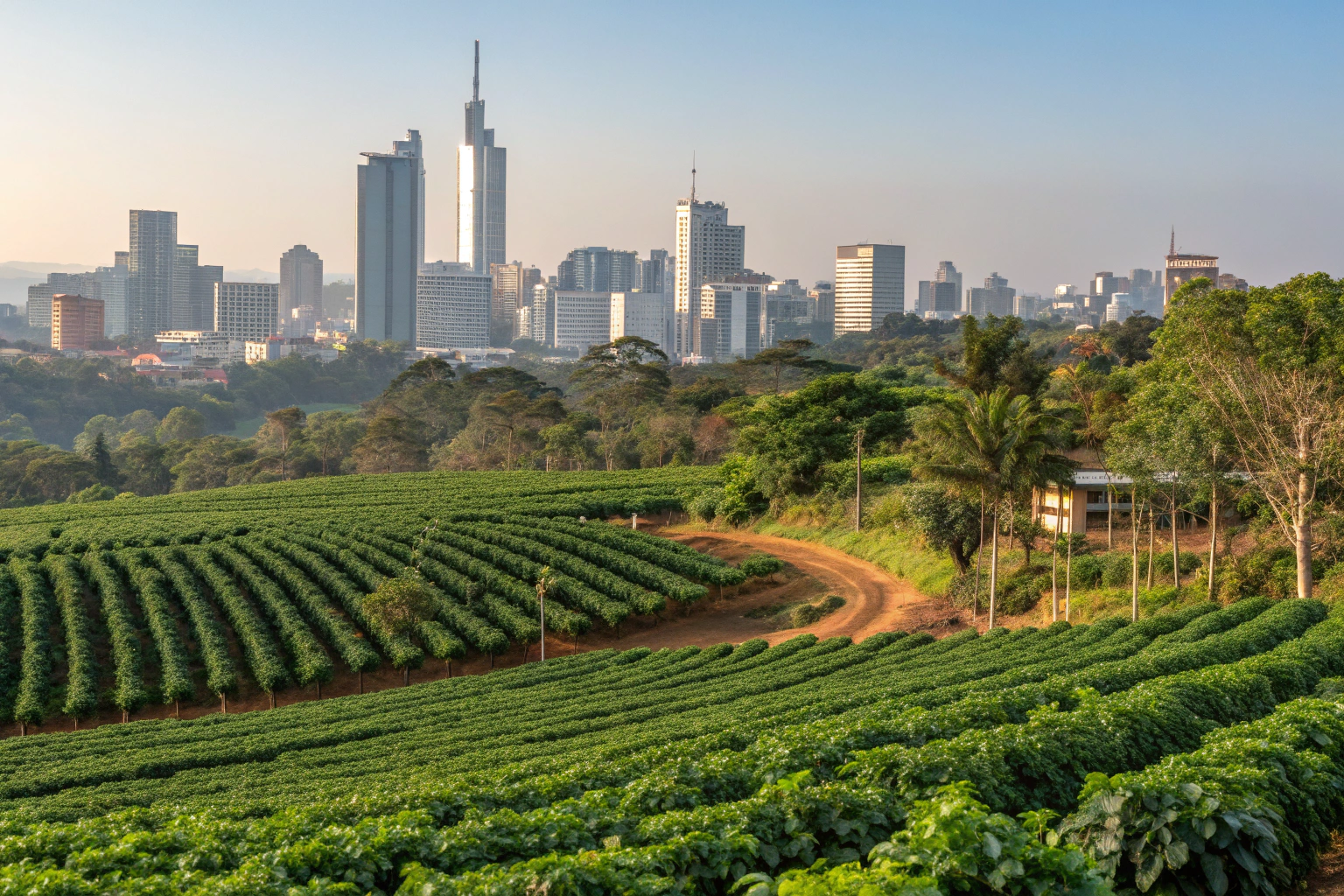
Your world revolves around sourcing the best beans at the best price. You focus on cupping scores, logistics costs, and market trends. It's easy to view the burlap sacks of green coffee that arrive at your roastery simply as a raw commodity, an input for your business. You might see the price you pay as just another line item on your balance sheet. But have you ever paused to consider the journey of that money after it leaves your account? Where does it go? What does it do? The pain point for many thoughtful buyers is a disconnect from the true, human-scale economic impact of their trade. You suspect your purchase matters, but you lack a clear picture of the vast and complex economic engine you are helping to fuel.
Honestly, the economic impact of coffee exports on a producing country is nothing short of transformational. It is often one of the most significant sources of foreign exchange revenue, which is critical for national economic stability. On a more granular level, it directly supports the livelihoods of millions of smallholder farmers, creating jobs, funding rural development, and acting as a powerful engine for poverty reduction. For many developing nations, the coffee trade is not just a part of their economy; it is a foundational pillar of their entire social and economic structure.
From my perspective here in Yunnan, China, I see this every single day. I see how a successful export contract translates into new equipment for our processing mills, stable year-round employment for our local community, and the ability for farmers to invest in their children's education. Your purchase order is not just a business transaction; it's a direct investment in our region's future. Let's break down the profound economic ripple effect of this global trade.
How Do Coffee Exports Fuel National Economies?
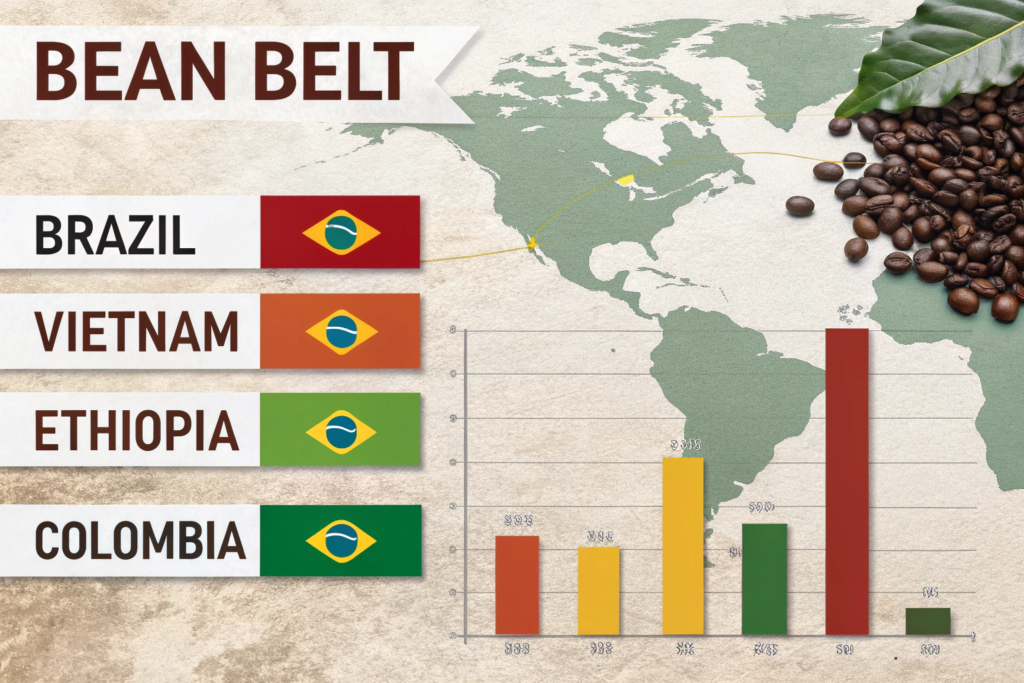
On the macroeconomic level, the impact of coffee exports is immense. For many countries in the "Bean Belt"—from Brazil and Vietnam to Ethiopia and Colombia—coffee is a top agricultural export, and in some cases, their single most valuable export overall.
The primary macroeconomic benefit is the influx of foreign exchange currency. Countries need hard currencies like the U.S. Dollar or the Euro to pay for their own imports (like machinery, technology, and oil), to service foreign debt, and to maintain a stable national currency. Coffee exports are a vital, renewable source of this essential revenue. A steady flow of foreign currency from coffee sales acts as a stabilizing force for the entire national economy.
Why is foreign exchange so critical for a developing country?
Imagine a country needs to import medical equipment or build a new power plant. The international sellers of these goods and services demand payment in a stable global currency, not the local one. The foreign currency earned from exporting coffee provides the funds to do this. Without these export earnings, a country's ability to develop its infrastructure, modernize its industries, and provide essential services to its citizens would be severely hampered. It's the lifeblood of international trade and development.
How does the coffee trade impact the balance of payments?
A country's Balance of Payments is a record of all its economic transactions with the rest of the world. A country that imports more than it exports has a trade deficit, which can weaken its currency and economy. Strong coffee exports contribute positively to this balance. For a country like Ethiopia, where coffee accounts for a massive portion of its export earnings, a good harvest and strong global prices can directly lead to a healthier national economic outlook. It strengthens their position on the world stage.
How Does the Coffee Trade Impact Rural Communities and Farmers?
While the national impact is significant, the most profound and immediate economic impact of coffee exports is felt at the human level, in the rural communities where the coffee is grown. For millions of families, coffee is not an investment; it's their primary, and sometimes only, source of cash income.
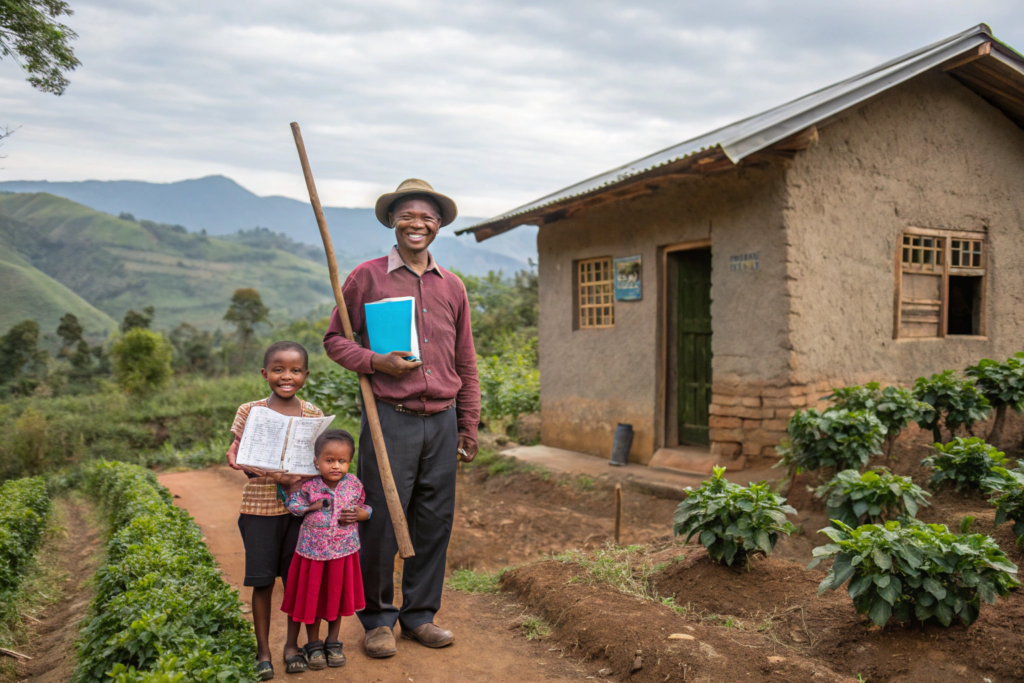
For a smallholder farmer, the income from selling their coffee cherries is what pays for food, housing, clothing, healthcare, and their children's school fees. A stable, fair price for their coffee can be the difference between subsistence poverty and a life of dignity and opportunity. The coffee trade is one of the most powerful grassroots economic engines in the world.
How does coffee create jobs beyond the farm?
The impact extends far beyond the farmer. The coffee supply chain creates a vast ecosystem of rural employment:
- Harvesting: During the harvest season, thousands of seasonal pickers are employed.
- Processing: Coffee mills employ workers to manage pulping, fermentation, washing, and drying.
- Transportation: Local truck drivers are needed to move the coffee from farms to mills and from mills to ports.
- Warehousing & Export: Staff are needed for sorting, bagging, quality control, and managing export logistics.
In a region like ours, the coffee industry, supported by partners like Shanghai Fumao, is often the largest single employer.
How does it stimulate the local economy?
When farmers and workers earn money from coffee, they spend it in their local communities. They buy goods from local shopkeepers, use services from local artisans, and eat at local restaurants. This creates a multiplier effect, where every dollar earned from a coffee export is re-spent multiple times within the local economy, stimulating broader growth and creating even more jobs. It helps to build vibrant, self-sustaining rural towns.
How Do Exports Drive Investment and Modernization?
A successful export market creates a virtuous cycle. The revenue generated from selling coffee abroad doesn't just get spent; a significant portion gets reinvested back into the coffee industry itself, driving modernization and improving quality.
A stable and profitable export market gives producers the confidence and the capital to invest in better infrastructure, new technologies, and improved agricultural practices. This reinvestment is key to moving up the value chain, from simply producing a raw commodity to producing a high-quality, differentiated specialty product.
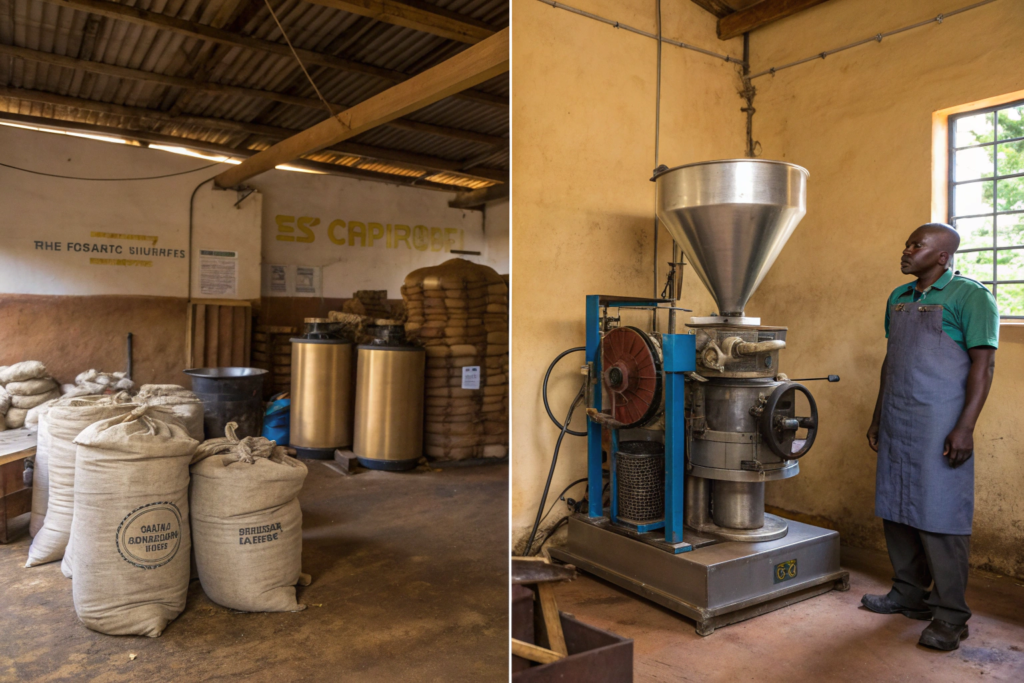
What kind of infrastructure is built with export revenue?
- Modern Mills: Producers can invest in building new, centralized washing stations with modern equipment like eco-pulpers that use less water.
- Drying Facilities: They can build covered, raised drying beds or mechanical dryers to ensure the coffee is dried evenly and protected from rain, which dramatically improves quality and consistency.
- Quality Control Labs: Successful exporters like us at Shanghai Fumao invest in building our own cupping labs, complete with sample roasters and moisture meters, to ensure every lot meets strict quality standards before it's exported.
How does it encourage better farming practices?
When there is a strong market for high-quality coffee, it creates a financial incentive for farmers to adopt better practices. Exporters and mills can afford to pay a premium for perfectly ripe cherries. This encourages farmers to invest their time and effort in selective harvesting. It also allows organizations to invest in farmer training programs, teaching techniques for soil management, pruning, and pest control that lead to healthier plants and better-tasting coffee in the long run.
What Is the Economic Impact on the Importing Country?
The economic impact doesn't stop at the port of the producing country. The arrival of green coffee beans in an importing country like the United States triggers another massive wave of economic activity.
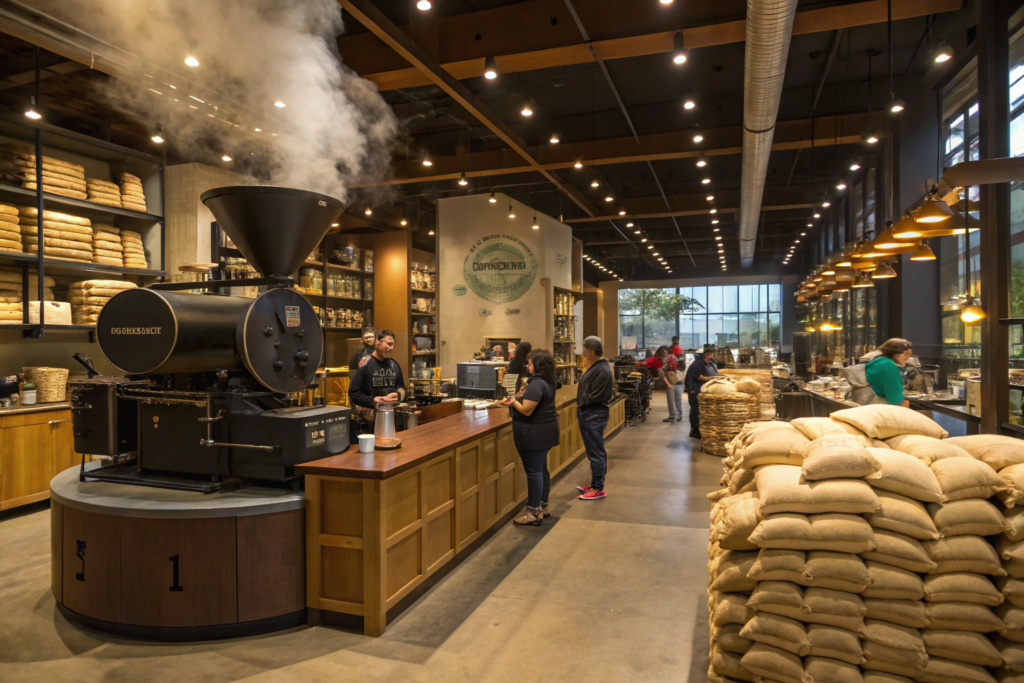
While the producing country benefits from the raw material sale, the importing country captures a huge amount of value through "downstream" activities. The roasting, branding, distribution, and retail of coffee creates a multi-billion dollar industry that employs millions of people in cafes, roasteries, logistics, marketing, and manufacturing.
What does the "downstream" value chain look like?
A single container of green coffee beans from our farms in Yunnan, once it lands in the U.S., will support jobs for:
- Port workers and customs brokers
- Truck drivers who transport the coffee to the roastery
- Roasters and production staff who transform the green beans
- Packaging manufacturers who create the retail bags
- Marketers and designers who create the brand
- Baristas and cafe staff who perform the final preparation
- E-commerce and logistics staff who manage online sales and shipping
How does this contribute to the importing country's economy?
The coffee industry is a major contributor to the GDP of consuming countries. According to the National Coffee Association (NCA), the total economic impact of the coffee industry in the United States is hundreds of billions of dollars annually. It generates significant tax revenue, creates widespread employment, and supports a vibrant hospitality and retail sector. It's a powerful reminder that coffee is a truly global product where the economic benefits are shared, albeit unevenly, across both ends of the supply chain.
Conclusion
The economic impact of coffee exports is a profound, multi-layered story. It's a story that begins with a single farmer earning the income to feed their family and extends all the way to a nation stabilizing its economy with foreign currency. It's a story of rural job creation, reinvestment in modernization, and the stimulation of local economies. And it's a story that continues in the importing country, fueling a massive domestic industry. As a buyer, your role in this story is pivotal. Your purchasing decisions are the catalyst for this entire global economic engine. By choosing to partner with reliable, transparent suppliers, you are not just buying a product; you are making a positive and powerful economic impact that ripples across the globe.
We are deeply proud of the positive economic impact our work has on our community in Yunnan and our country. We see it as a partnership with our international buyers to create shared prosperity. If you are looking for a partner who understands and values the economic significance of this trade, we invite you to connect with us. Contact our coffee specialist at cathy@beanofcoffee.com.