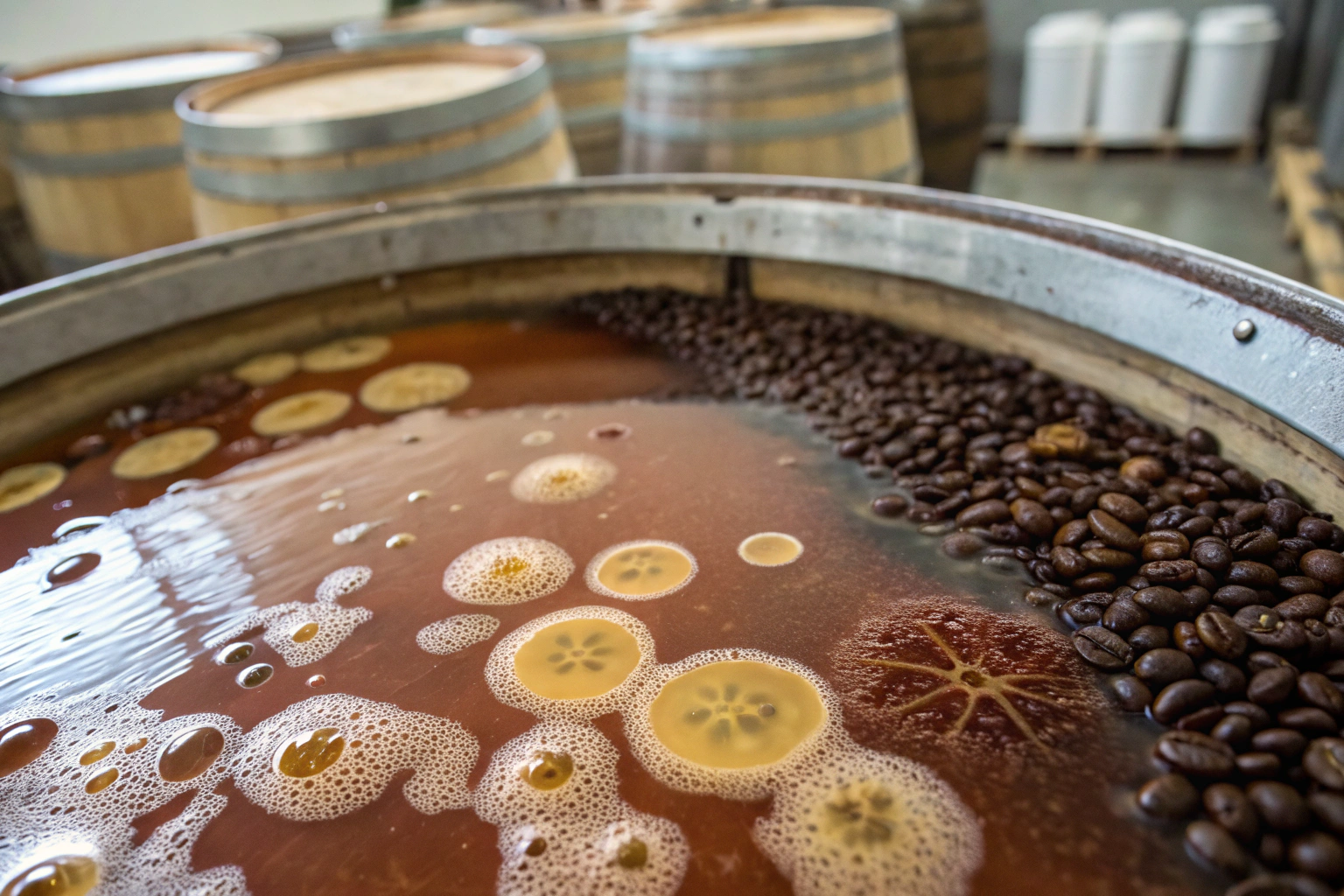
You receive two samples from the same farm in Yunnan, from the same harvest. One is labeled "Washed," the other "Anaerobic Natural." The flavors are shockingly different. The washed is clean and tea-like; the anaerobic is boozy and berry-forward. What transformed them? The answer is fermentation. For a buyer or roaster, understanding fermentation is no longer optional—it's the frontier of flavor innovation and a critical quality control point. A mismanaged fermentation can ruin a perfect cherry, while a controlled one can create a masterpiece.
So, what is the effect of fermentation on coffee flavor? In short, it is the single most transformative, post-harvest process for developing a coffee's sensory profile. It's a controlled microbial digestion that breaks down the fruit's sugars and acids, directly creating the flavor precursors that are later developed during roasting. At Bean of Coffee, we view fermentation not as a mere step, but as a creative tool in our flavor development toolkit, one we must manage with scientific precision to ensure the quality and safety our clients expect.
Let's dive into the microbial world and see how these invisible workers craft the flavors in your cup.
What is fermentation in coffee processing?
First, let's define it clearly. Fermentation in coffee is the action of microbes (yeasts and bacteria) on the sugars and other compounds in the coffee cherry mucilage. It is not "rotting." It is a guided, metabolic process.
This process occurs in two main contexts:
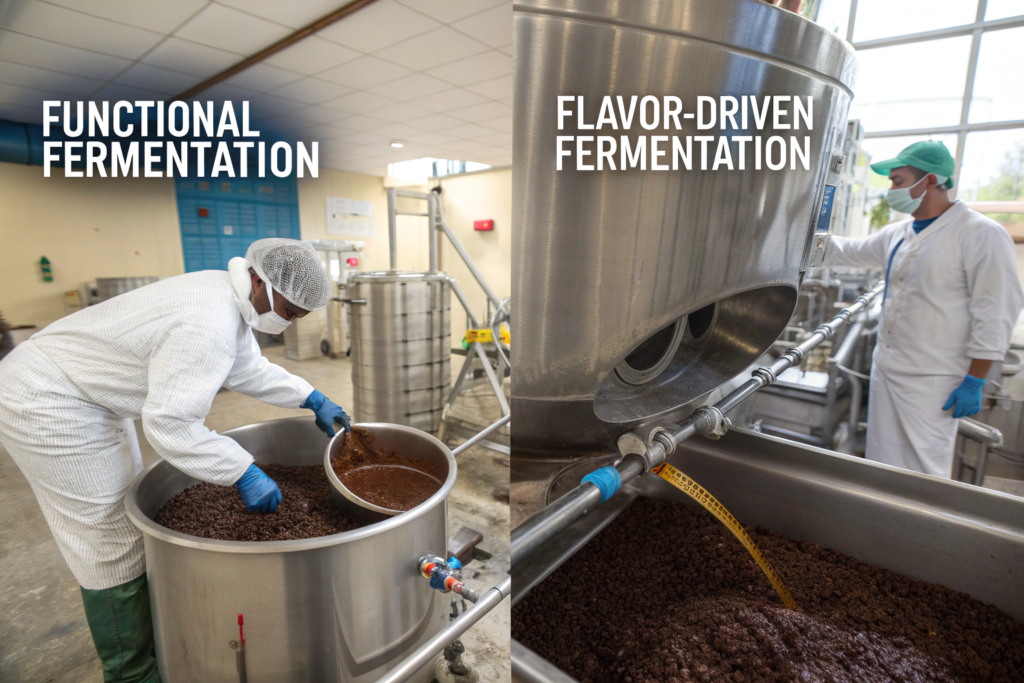
- Traditional (Washed Process): Here, fermentation is primarily a functional step. After the skin is removed, the sticky mucilage is broken down by microbes so it can be washed off, leaving a clean bean. The goal is removal, not intense flavor creation.
- Extended or Experimental Processing: Here, fermentation is a flavor-driving step. Producers intentionally control variables like time, temperature, oxygen, and microbial starters to steer flavor development in specific directions. This includes methods like anaerobic, carbonic maceration, and yeast-inoculated fermentations.
What microbes are involved and what do they do?
Different microbes produce different flavor compounds. Think of them as tiny chefs with different specialties.
- Yeasts (e.g., Saccharomyces): These are the alcohol producers. They convert sugars into ethanol and CO2, and also produce fruity esters (compounds that smell like pineapple, apple, pear). They thrive in early, oxygen-rich stages.
- Lactic Acid Bacteria (e.g., Lactobacillus): These convert sugars into lactic acid. They produce a clean, sharp, sometimes yogurt-like acidity and can enhance body. They often dominate in low-oxygen (anaerobic) conditions.
- Acetic Acid Bacteria (e.g., Acetobacter): These convert ethanol into acetic acid (vinegar). In small amounts, they can add winey complexity. In excess, they lead to sour, vinegary defects.
The flavor of the final coffee is a snapshot of which microbial community dominated and what they produced during the fermentation window.
How do producers control fermentation?
Control is key to preventing defects and achieving desired flavors. Key levers are:
- Time: Shorter ferments (12-36 hrs) yield cleaner, brighter cups. Longer ferments (72+ hrs) develop more intense, funky, or winey flavors.
- Temperature: Warmer temperatures speed up microbial activity, increasing risk of over-fermentation. Cooler temps slow it down, allowing for more control and delicate development.
- Oxygen (Aerobic vs. Anaerobic): This is the biggest differentiator. Aerobic (with oxygen) ferments are more traditional, often faster, and can yield brighter, more familiar acidity. Anaerobic (without oxygen) ferments, in sealed tanks, favor lactic acid bacteria, often producing heavier body, intense fruitiness, and funky, boozy notes.
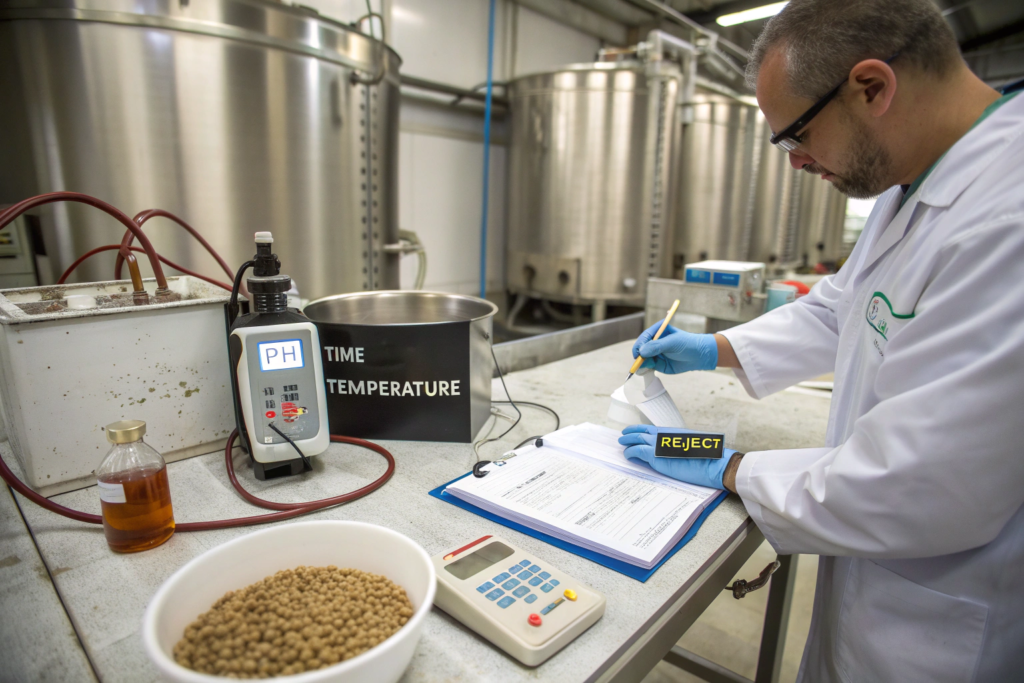
- pH Monitoring: Tracking acidity levels helps determine when fermentation is complete and prevents sour defects.
How do different fermentation methods create distinct flavors?
By manipulating the variables above, producers can guide the process down specific flavor pathways. Let's map some common methods to their typical flavor outcomes.
Understanding these profiles helps you as a buyer know what to expect and communicate to your customers.
What flavors come from washed (wet) fermentation?
In washed processing, the goal is a clean, clear expression of the bean's origin character. The fermentation is usually short and aerobic.
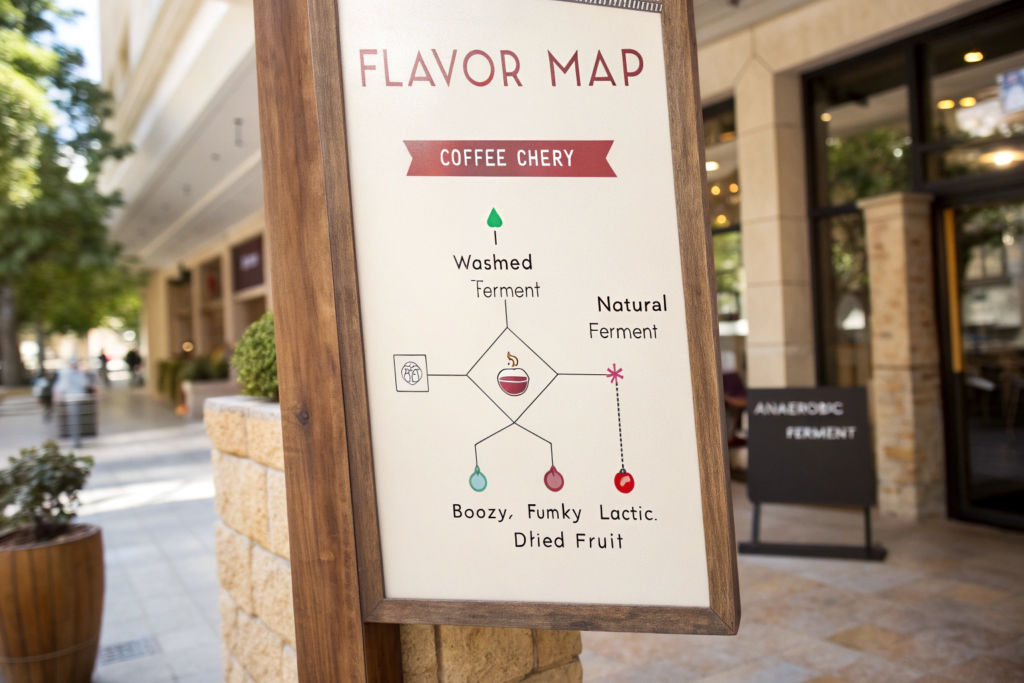
Typical Flavor Profile: The cup is characterized by clarity, bright acidity (citric, malic), and lighter body. You taste the "terroir"—the soil, altitude, and variety—with minimal fruit interference. Think of the crisp, tea-like quality of a high-quality Yunnan washed Arabica from Bean of Coffee. Flavors are often described as lemon, green apple, jasmine, and black tea. Over-fermentation here leads to sour, vinegary defects.
How does natural (dry) fermentation develop flavor?
In natural processing, the entire cherry ferments as it dries. This is a long, slow, aerobic fermentation where the bean is in constant contact with the fermenting fruit sugars.
Typical Flavor Profile: This method imparts intense fruitiness, heavy body, and lower perceived acidity. The flavors are less about clarity and more about intensity: blueberry, strawberry, jam, red wine, and sometimes chocolate. It's a high-risk, high-reward method. Poor drying can lead to off-flavors of over-ripe fruit or fermentation defects.
What is the unique impact of anaerobic and carbonic maceration fermentation?
These are the poster children for modern experimental processing.
- Anaerobic Fermentation: Beans ferment in sealed, oxygen-deprived tanks. This favors lactic acid bacteria and creates a unique profile of fermented fruit, boozy notes (like rum or brandy), lactic acidity (yogurt, cream), and a syrupy body. It can produce flavors of dried cherry, pineapple, or even bubblegum.
- Carbonic Maceration (inspired by wine): Whole cherries are placed in a sealed tank filled with CO2, pushing out oxygen. This leads to intracellular fermentation inside the cherry, producing incredibly vibrant, juicy, and wine-like flavors—think fresh cranberry, sparkling red wine, and raspberry.
These methods require extreme precision but can yield uniquely marketable and high-value flavor profiles. We are experimenting with these techniques on select lots at Bean of Coffee to offer clients innovative options.
What are the risks and quality control points?
With great flavor power comes great responsibility. Uncontrolled fermentation is the leading cause of major coffee defects. As a buyer, knowing the risks makes you a better evaluator.
The line between "intentionally funky" and "defectively foul" can be thin. Your sourcing must prioritize partners with clean, monitored facilities.
How can fermentation go wrong?
Several common defects stem from fermentation errors:
- Over-Fermentation: Letting the process go too long, especially in warm conditions. This produces harsh, vinegary, or rotten fruit flavors. The beans can taste boozy in a spoiled way.
- Butyric Fermentation: Caused by certain bacteria, it imparts a foul aroma of vomit or rancid butter. This is a catastrophic defect.
- Phenolic Fermentation: Produces a medicinal, band-aid, or smoky flavor, often from contamination or specific microbial activity.
- Stuck Fermentation: When fermentation stops prematurely, leaving mucilage intact, which can lead to mold growth and musty flavors during drying.
What questions should a buyer ask about fermentation?
To assess risk and quality, ask your supplier (like us at Bean of Coffee):
- "How do you monitor and control fermentation time and temperature?"
- "What is your process for ending the fermentation at the right point (e.g., by washing, or by moving to drying)?"
- "How do you ensure clean water and equipment to avoid contamination?"
- "Can you provide processing data (like fermentation duration) for this lot?"
Transparent answers indicate a professional operation that views fermentation as a science, not a mystery.
Conclusion
Fermentation is the alchemical heart of coffee processing, where microbiology meets flavor artistry. Its effect is profound: it can highlight the innate clarity of a bean through a washed process, imbue it with the intense fruit of a natural process, or guide it toward the innovative, wine-like complexity of anaerobic and carbonic maceration methods.
For the coffee professional, understanding fermentation is essential. It allows you to select lots aligned with your flavor goals, identify and avoid processing defects, and appreciate the craftsmanship behind each unique cup. It transforms you from a passive consumer of flavor to an informed participant in its creation.
Ready to explore the diverse flavor landscapes shaped by fermentation? At Bean of Coffee, we master both the traditional washed profiles that showcase Yunnan's terroir and experiment with controlled fermentation for unique offerings. To taste the difference precision fermentation makes, contact our export manager, Cathy Cai, at cathy@beanofcoffee.com to request samples from our differently processed lots. Discover how microbial craft can define your next signature coffee.