When I tell people I'm a coffee farmer from China, I often see a flicker of surprise. For decades, the world has associated specialty coffee with places like Colombia, Ethiopia, or Brazil. The idea of China as a source for premium Arabica beans is still new to many. I've faced this skepticism my whole life, and it fuels a question I ask myself constantly: What is the future of coffee farming in my country? There's a fear, a nagging doubt, that we might always be seen as a secondary player, unable to compete on the world stage.
The future of coffee farming in China is a dynamic fusion of tradition and technology, defined by a rapid shift towards high-quality specialty varietals, sustainable and scientific farming practices, and the development of a strong, globally recognized origin identity centered on regions like Yunnan. It's a future where China evolves from a high-volume producer to a celebrated source of unique, premium specialty coffee. This trajectory directly addresses the needs of discerning buyers like Ron, who are constantly searching for new, exciting, and reliable coffee origins.
From our 10,000-acre home base in Baoshan, Yunnan, I have a front-row seat to this incredible transformation. We are not just watching the future happen; we are actively building it. The journey is challenging, but the potential is immense. We are moving beyond just growing coffee; we are crafting a new narrative for Chinese coffee, one of quality, innovation, and undeniable character. Let's explore the key trends that are shaping this exciting future.
Will China Focus on Specialty over Volume?
For many years, the story of Chinese coffee was one of volume. The focus was on producing as much coffee as possible, often lower-grade beans destined for instant coffee blends. This created a reputation that has been hard to shake. The pain point for us, as producers, is that this old reputation overshadows the incredible quality we are now achieving. Buyers might come to us expecting a low price for a commodity product, not realizing the specialty-grade coffee we now cultivate.
The most significant shift happening right now is the pivot from quantity to quality. A new generation of farmers, supported by government initiatives and private investment, is realizing that the future is not in competing with the rock-bottom prices of bulk commodity coffee. Instead, the future lies in the premium prices and global prestige of the specialty market. This means ripping out old, less desirable plants and replanting with superior Arabica varietals like Typica and Catimor.
This strategic pivot is a direct response to the demands of the modern coffee market. Buyers are increasingly looking for unique flavor profiles and traceable origins. By focusing on specialty-grade coffee, we are positioning ourselves to meet this demand. It's a conscious decision to build a reputation based on the quality in the cup, not just the tonnage in the container.
Why the Shift to Arabica Varietals?
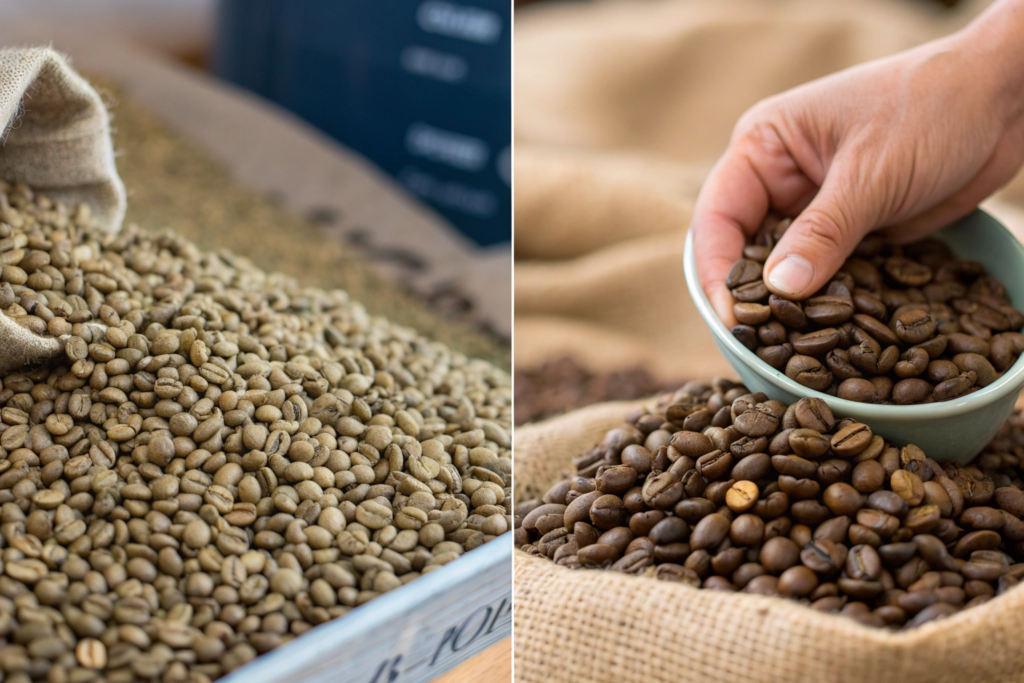
The specialty coffee market is dominated by Arabica beans, which are known for their complex and aromatic flavor profiles. While China also grows Robusta (a hardier plant often used in espresso blends and instant coffee), the path to global recognition lies with high-quality Arabica. Our region in Baoshan, with its high altitude and rich volcanic soil, is perfectly suited for it. This focus on specific, desirable Arabica varietals is a deliberate strategy to elevate the perception of Chinese coffee and compete in the most lucrative segment of the market. It's about changing the conversation from "How cheap is it?" to "What are its tasting notes?"
What is the Role of Processing Innovation?
Beyond just growing better beans, the future is about innovative processing. Chinese farmers are experimenting with advanced methods like anaerobic fermentation, carbonic maceration, and various honey processing techniques. These methods, borrowed from the wine industry and other leading coffee origins, can unlock incredible and unique flavors in the coffee. For a buyer, this is incredibly exciting. It means China is becoming a source of new and unexpected flavor profiles that can differentiate their brand. This focus on processing methods is a key driver of our move into the specialty coffee world.
How Is Technology Changing the Farms?
The image of a farmer toiling in the fields is a romantic one, but it's an incomplete picture of our future. The reality is that farming is becoming a high-tech industry. We face constant challenges: unpredictable weather, pests, and the need to manage a vast area of land efficiently. Relying solely on traditional methods is inefficient and risky. The fear of a single weather event or pest outbreak wiping out a portion of the crop is a constant source of stress.
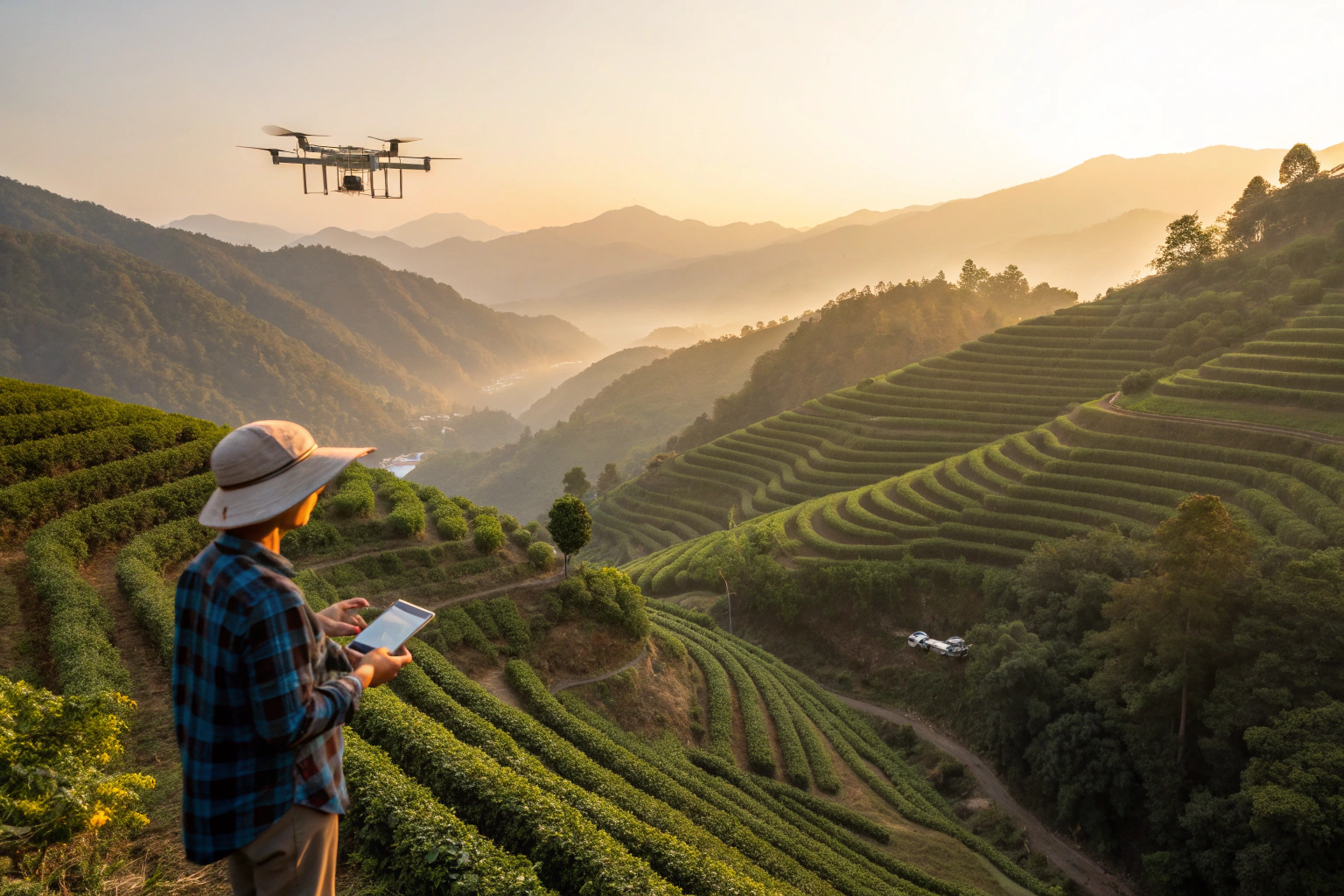
Technology is our answer to these challenges. The future of coffee farming in China is inextricably linked with "precision agriculture." This means using technology like drones, sensors, and data analytics to make smarter, more efficient farming decisions. At Shanghai Fumao, we are integrating these technologies to monitor our crops in real-time, optimize our use of water and fertilizer, and improve the consistency and quality of our harvest.
For a buyer, this technological adoption is a powerful symbol of reliability and quality control. It shows that their supplier is a modern, sophisticated operation that leaves nothing to chance. It addresses their pain points about supply chain stability and quality consistency. A farm that uses data to manage its crops is a farm that can make and keep its promises.

What Are Drones Used For?
Agricultural drones are becoming one of our most valuable tools. We use them for several key tasks:
- Crop Monitoring: Drones equipped with multispectral cameras can fly over our 10,000 acres and identify areas of stress, disease, or nutrient deficiency long before the human eye can see a problem.
- Precision Spraying: Instead of broad-spectrum spraying, drones can apply targeted treatments of organic pesticides or fertilizers only to the areas that need them, reducing costs and environmental impact.
This use of drone technology is revolutionizing how we manage our plantation at scale.
How Do Soil Sensors Help?
We are deploying networks of wireless soil sensors across our plantation. These sensors provide real-time data on moisture levels, pH, and nutrient content. This information is fed directly to a central system, allowing us to implement precision irrigation. We water only the areas that need it, exactly when they need it. This not only conserves a massive amount of water—a key part of our sustainability goals—but also prevents the over-watering that can harm coffee plants and affect bean quality.
Will Sustainability Be a Key Focus?
In today's market, quality is no longer just about taste. Buyers, and their end customers, are increasingly demanding to know that their coffee was grown in an environmentally and socially responsible way. They are concerned about deforestation, water usage, and fair labor practices. A supplier who cannot answer these questions is at a significant disadvantage. There's a real business risk in being perceived as an unsustainable or unethical operator.
Sustainability is not just a trend for us; it is the foundation of our future. We understand that the long-term health of our land and our community is the only way to ensure the long-term viability of our business. The future of Chinese coffee farming is green. This means embracing agroforestry (growing coffee under a canopy of shade trees), protecting water resources, and ensuring our workers are treated fairly.
This commitment to sustainability is a crucial selling point. For a buyer like Ron, sourcing from a certified sustainable farm is a powerful marketing tool and a way to mitigate brand risk. It aligns with the values of modern consumers and demonstrates a deeper commitment to quality that goes beyond the bean itself.
What Is Agroforestry?
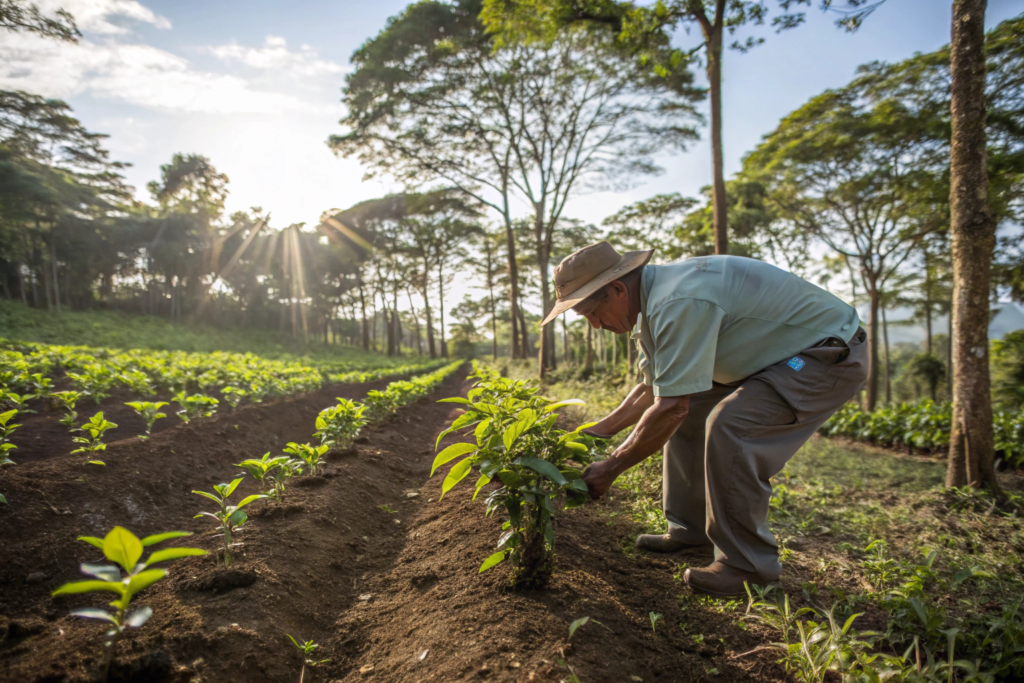
Instead of clearing land and planting coffee in monoculture fields, we are increasingly practicing agroforestry. This means we cultivate our coffee plants under the shade of a diverse canopy of native trees. This practice has multiple benefits:
- It improves soil health and biodiversity.
- The shade protects the coffee cherries from harsh sun, allowing them to ripen more slowly and develop more complex sugars and flavors.
- It creates a more resilient ecosystem that is less susceptible to pests and disease.
This approach is central to programs like the Rainforest Alliance certification, which many buyers now look for.
How Does This Ensure Long-Term Stability?
Sustainable farming practices are not just good for the planet; they are good for business. Healthy soil produces healthier plants and higher quality coffee, year after year. Conserving water ensures we can withstand periods of drought. A well-paid, well-treated workforce is more skilled and motivated, leading to better harvesting and processing. By investing in sustainability, we are investing in the long-term stability and predictability of our supply chain. This is a powerful message to a buyer who is concerned about the reliability of their sourcing partners. It's a core part of responsible agribusiness.
How Is Domestic Consumption Shaping the Future?
For decades, the goal of Chinese coffee farming was almost exclusively export. We grew our beans with an eye toward markets in Europe and North America. But a powerful new force is emerging that is completely reshaping our industry: our own domestic market. The coffee culture within China is exploding. A new generation of Chinese consumers is embracing specialty coffee with incredible passion and sophistication. This is a game-changer.
This booming domestic demand creates a vibrant, competitive, and profitable market right at our doorstep. It means we are no longer solely dependent on the whims of international trade. This internal market provides a new level of economic stability for farmers. More importantly, it fosters a culture of quality. These local consumers are discerning; they demand high-quality, freshly roasted, and unique coffees, pushing us to innovate and improve constantly.
For an international buyer like Ron, this might seem like a threat—more competition for the best beans. But another way to look at this is as a sign of a healthy, maturing industry. A strong domestic market proves the quality of the coffee and drives investment in the entire sector, from farming to processing. It ensures that suppliers like Shanghai Fumao are operating at the highest level, which ultimately benefits all our clients, both domestic and international.
What Does the Chinese Coffee Consumer Want?
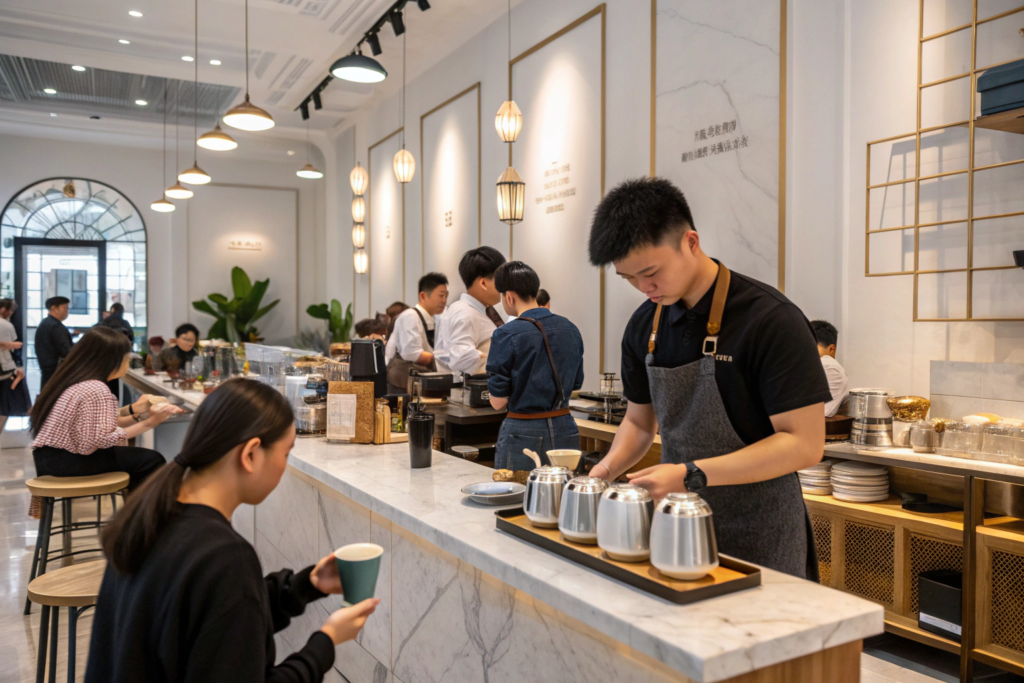
The modern Chinese coffee drinker is adventurous and well-informed. They are not just drinking coffee for the caffeine; they are interested in the story, the origin, and the flavor profile. They are eager to try new processing methods and rare varietals. This creates a fantastic feedback loop for us as farmers. We can test our most innovative lots locally, get immediate feedback, and refine our techniques. This dynamic helps us perfect the coffees that we eventually offer to the global market.
How Does This Affect Export Quality?
A strong domestic market raises the bar for everyone. With local roasters and cafes competing for the best lots, farmers are incentivized to produce higher quality coffee across the board. It creates a "high tide that lifts all boats." As a result, the quality and consistency of the coffee available for export also improves. International buyers benefit from this overall increase in the quality standard. It means that when you source from China, you are sourcing from an origin that is being held to a high standard by a demanding and knowledgeable local customer base, a key indicator of a mature specialty coffee scene.
Conclusion
The future of coffee farming in China is not a distant dream; it is happening right now, in the mountains of Yunnan and beyond. It is a future where we shed the old reputation of a low-cost commodity producer and emerge as a celebrated origin for high-quality, sustainable, and technologically advanced specialty coffee. It’s a story of transformation, driven by a new generation's ambition, powerful new technologies, and a booming domestic culture that demands excellence. We are moving from being a surprising origin to being an essential one.
At Shanghai Fumao, we are proud to be at the forefront of this movement. We are combining our deep-rooted farming traditions with cutting-edge technology and a profound commitment to sustainability to produce coffee that can stand with the best in the world.
We invite you to be part of this exciting future. If you are a buyer looking for the next great coffee origin and a partner who is defining the future of quality and reliability, your search ends here. Please contact our head of client relations, Cathy Cai, at cathy@beanofcoffee.com to discover the future of Chinese coffee for yourself.