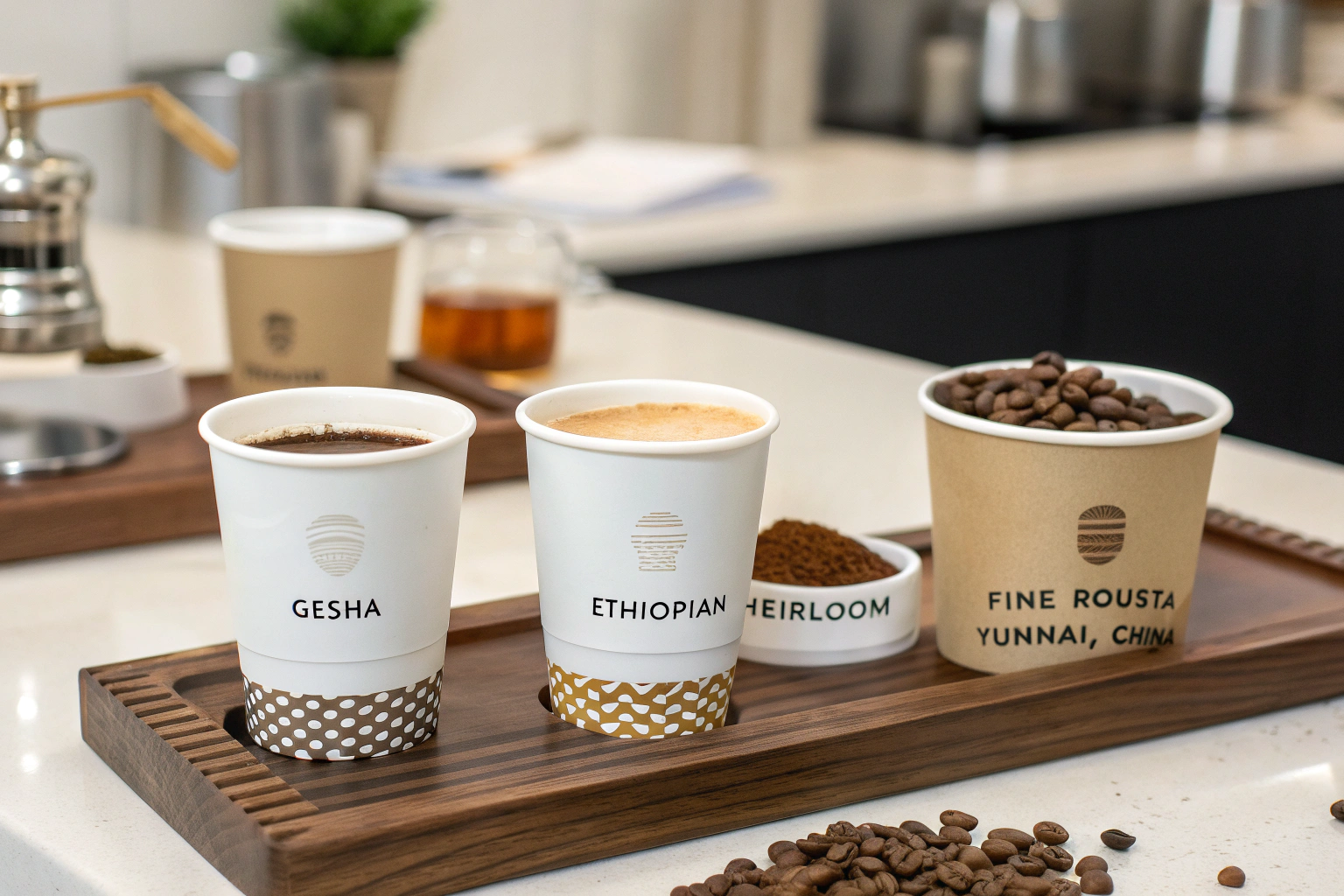
You've been trained to dismiss Robusta. For years, it's been the "bad guy"—the cheap, bitter, rubbery-tasting filler used in instant coffee and low-grade espresso blends. Your palate has been calibrated to prize the bright acidity and complex floral notes of Arabica. So when you hear whispers about "Fine Robusta" or "Specialty Robusta," you're naturally skeptical. You might be thinking, "Is this just a marketing gimmick? Can Robusta ever really taste good? Is it worth risking my brand's reputation on a bean with such a bad history?" This is a major pain point: your industry conditioning tells you to avoid Robusta, but emerging trends suggest you might be missing out on a significant future opportunity.
Honestly, the future of Robusta in the specialty market is not as a replacement for Arabica, but as a new, exciting, and legitimate category in its own right. Driven by climate change pressures on Arabica, significant advancements in Robusta genetics and processing, and a growing appreciation for its unique flavor profiles, "Fine Robusta" is poised to become a key component in the specialty world. It will be valued for its intense sweetness, unique chocolatey and nutty notes, incredible crema-producing ability, and its powerful story of sustainability and innovation.
From my perspective here at Shanghai Fumao, where we cultivate both varieties in Yunnan, this isn't a theoretical debate. We are actively investing in high-quality Robusta production because we see the demand growing. The old stereotypes are dying, and a new appreciation for what a well-grown and well-processed Robusta can be is taking root. Let's explore the forces driving this change and what it means for your business.
Why Is the Coffee World Being Forced to Re-evaluate Robusta?
The specialty coffee world isn't embracing Robusta just because it's a fun new trend. It's being forced to by a much harsher reality: climate change. The delicate Arabica plant is in trouble.
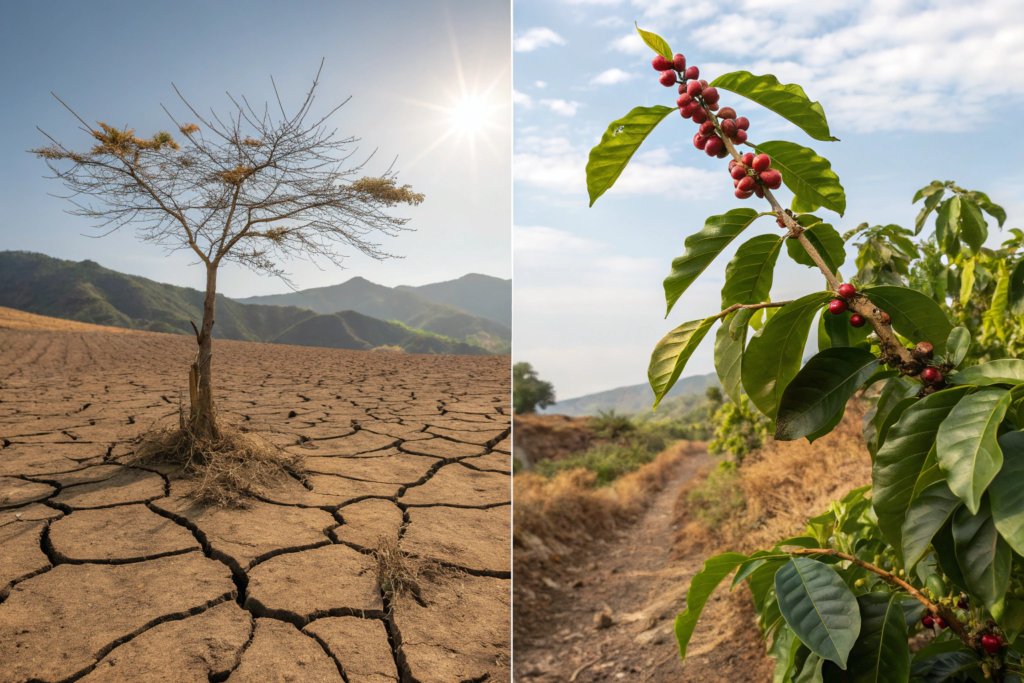
The simple, stark truth is that Arabica is a very picky plant. It requires cool temperatures, specific altitudes, and consistent rainfall. As global temperatures rise, the amount of land suitable for growing high-quality Arabica is shrinking dramatically. A 2015 study predicted that the land suitable for Arabica could decrease by 50% by 2050. This is an existential threat to the coffee industry.
How does Robusta's agricultural resilience give it an advantage?
The Coffea canephora plant, or Robusta, is, as its name suggests, incredibly robust.
- Heat Tolerance: It can thrive in warmer climates and at lower altitudes where Arabica would struggle or die.
- Disease Resistance: It is naturally resistant to major coffee diseases like coffee leaf rust, which has devastated Arabica farms across Latin America.
- Higher Yield: Robusta trees produce more coffee cherries per plant, making them more economically efficient for farmers.
As the challenges for Arabica grow, the consistency and reliability of the Robusta supply chain become increasingly attractive.
What does this mean for future coffee prices?
As the supply of Arabica becomes more volatile and potentially shrinks, its price is likely to become higher and more unstable. Robusta, with its more stable and efficient production, offers a potential hedge against this volatility. For roasters and buyers, incorporating high-quality Robusta into blends is not just a flavor choice; it's a smart, long-term economic strategy to manage costs and ensure a consistent supply.
How Is "Fine Robusta" Different from "Bad Robusta"?
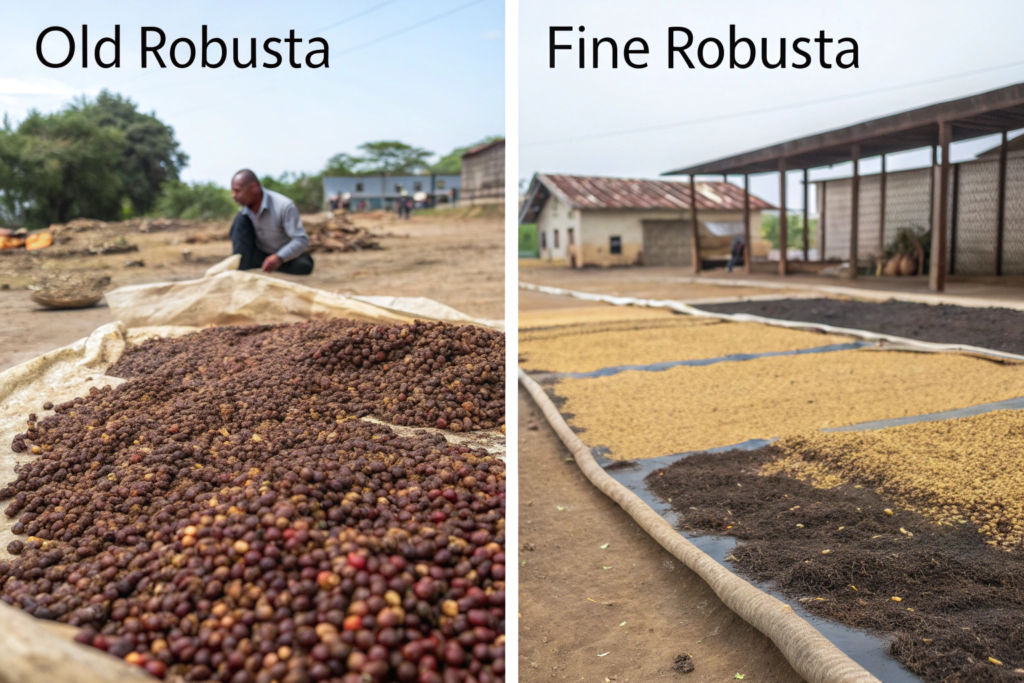
For decades, the problem with Robusta wasn't just the bean itself; it was how it was treated. It was grown for volume, not quality. It was strip-picked (ripe and unripe cherries all at once) and processed cheaply, often by simply drying the whole cherries on the ground. This resulted in the harsh, rubbery defects that gave it a bad name.
The "Fine Robusta" revolution is about a fundamental shift in mindset. It's about treating the Robusta plant with the same care and attention to detail that is typically reserved for specialty Arabica. When you take a good Robusta variety, grow it in a suitable environment, and apply meticulous specialty processing methods, you don't get a "less bad" Robusta; you get a genuinely delicious and complex coffee. This is where producers like us come in. We are using our expertise in specialty processing to unlock the hidden potential of the Robusta bean.
What specific techniques are being used?
- Selective Harvesting: Instead of strip-picking, farmers are being trained to pick only the perfectly ripe Robusta cherries, just as they would for a high-end Gesha. This eliminates the bitterness and astringency that comes from unripe beans.
- Advanced Processing: Producers are moving beyond cheap naturals. They are using modern washed, honey, and even complex anaerobic fermentation processes on Robusta. These methods can dramatically reduce the traditional "rubbery" notes and introduce complex new flavors of fruit, chocolate, and spice.
- Better Genetics: Researchers and farmers are identifying and cultivating specific Robusta varieties (or "clones") that have superior flavor characteristics, moving away from the generic, high-yield but poor-tasting varieties of the past.
What does a Fine Robusta actually taste like?
Forget "burnt rubber." A high-quality, well-processed Fine Robusta can have a flavor profile that is incredibly pleasant. Common tasting notes include:
- Deep, Dark Chocolate
- Toasted Nuts (like hazelnut or walnut)
- Molasses and Dark Caramel
- Hints of stone fruit or even whiskey-like notes
It typically has a very heavy, viscous body and almost no acidity, which can be a desirable trait for many coffee drinkers. The Coffee Quality Institute (CQI) has even developed a specific "Fine Robusta" grading standard and training program, legitimizing it as a distinct specialty category.
What Is Robusta's Unique Role in the Specialty Cafe?
Fine Robusta is not trying to be a delicate, floral pour-over coffee. That's Arabica's territory. Instead, its future in the specialty cafe lies in embracing its own unique strengths, particularly in the world of espresso.
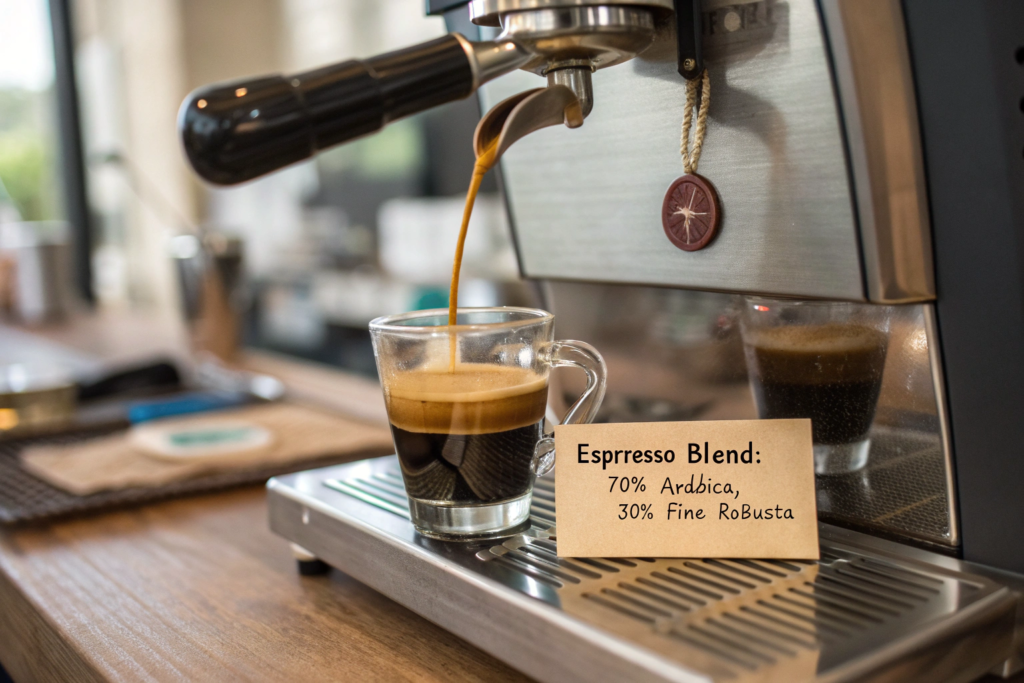
Robusta's "superpower" is its ability to produce a thick, stable, and beautiful crema. Due to its different chemical composition (lower oil content, higher CO2 production), even a small amount of high-quality Robusta in an espresso blend can dramatically improve the texture, mouthfeel, and visual appeal of a shot.
Why is it so good for espresso blends?
- Crema: As mentioned, it creates a crema that is thicker and lasts much longer than a 100% Arabica shot. This is visually impressive and contributes to a richer mouthfeel.
- Body and Texture: It adds a heavy, syrupy body that helps the espresso "punch through" milk in drinks like lattes and cappuccinos, giving them a more robust coffee flavor.
- Caffeine Kick: With nearly double the caffeine of Arabica, adding Robusta to a blend provides a more significant energy boost, which is a key selling point for many consumers.
- Flavor Foundation: A good Fine Robusta can provide a solid, deep, chocolatey base for the blend, allowing the brighter, fruitier notes of the Arabica component to shine on top.
Can it be served as a single origin?
While less common, yes. As quality improves, some progressive roasters are starting to offer Fine Robusta as a single-origin espresso or even as a cold brew. As a cold brew, its low acidity and classic chocolatey notes can be incredibly smooth and refreshing. This is still a niche market, but it's a sign of growing acceptance and curiosity.
What is the future of robusta in the specialty market?
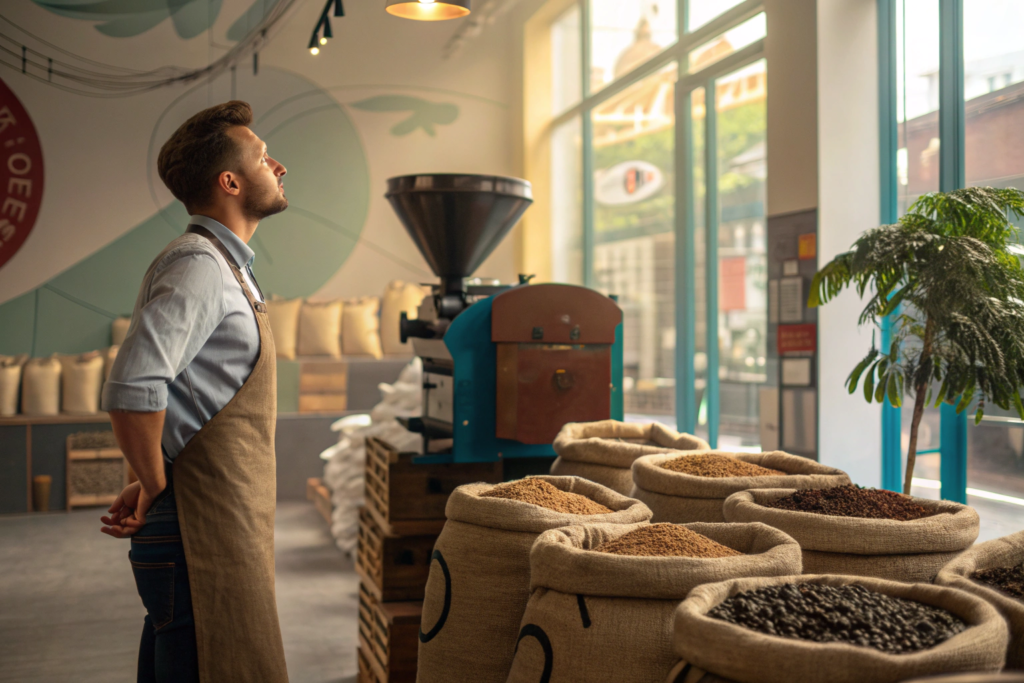
One is a familiar-looking Arabica. The other is a dark, uniform sample of Fine Robusta from our farms at Shanghai Fumao. The buyer is not dismissing the Robusta. Instead, they are looking at it with an open mind, ready to evaluate it based on its own merits and potential, not on old prejudices.
The future belongs to those who can adapt and see opportunities where others only see stereotypes. For a modern coffee buyer, the rise of Fine Robusta is a major opportunity, but it requires a shift in mindset.
The key is to stop thinking of Robusta as a "cheap substitute" and start evaluating it as a new ingredient with unique properties. You wouldn't judge a bass guitar by its ability to sound like a violin. Similarly, you shouldn't judge a Fine Robusta by its ability to taste like a washed Ethiopian Arabica. You should judge it on its own merits: its body, its sweetness, its chocolatey notes, and its performance in an espresso blend.
How can you start exploring Fine Robusta?
- Seek Out Samples: Ask your trusted suppliers if they are working with any Fine Robusta producers. Be specific. Ask for Robusta that has been selectively picked and processed using modern methods.
- Cup It Blind: To challenge your own biases, include a Fine Robusta sample in a blind cupping table with other coffees. You might be surprised by how well it scores, especially in areas like body and sweetness.
- Experiment with Blending: Start with a small percentage. Try creating an espresso blend with just 10% Fine Robusta and see how it transforms the crema and body of the shot. Then, experiment with higher percentages.
- Tell the Story: If you find a great one, tell its story. The story of a producer who is using innovative methods to create a delicious Robusta is a powerful and interesting narrative for your customers. It positions your brand as forward-thinking and knowledgeable.
How to Optimize Roasting Curves for Better Expression of Robusta's Flavors?
Robusta coffee, often overshadowed by its more celebrated Arabica counterpart, carries a bold, distinctive character that, when properly unlocked through roasting, can yield rich, complex flavors and a satisfying mouthfeel. Optimizing roasting curves for Robusta requires a nuanced understanding of its unique properties—higher caffeine content, denser beans, and a profile that leans toward earthy, nutty, and sometimes chocolatey notes, with hints of fruitiness when handled correctly. To bring out the best in Robusta, roasters must carefully balance temperature, time, and airflow, crafting curves that highlight its inherent strengths while mitigating any undesirable traits.
The journey begins with the green bean. Robusta beans are typically smaller, more oval, and have a thicker skin than Arabica, which affects how heat penetrates during roasting. A gentle start to the roast curve is crucial; beginning at a lower initial temperature (around 200-220°C/392-428°F) allows for even heating, preventing the outer layers from scorching before the interior reaches the desired development. As the beans begin to turn light brown and emit a grassy aroma, the temperature can be gradually increased, entering the 'Maillard reaction' phase where sugars and amino acids combine to form the foundation of flavor complexity.
Conclusion
The future of Robusta in the specialty market is one of redemption and redefinition. No longer relegated to the bottom shelf, Fine Robusta is emerging as a distinct and valuable category, driven by the dual forces of climate necessity and producer innovation. It offers a solution to the agricultural challenges facing Arabica while also bringing its own unique and desirable attributes—intense sweetness, heavy body, and unparalleled crema—to the table. For the specialty coffee buyer who is willing to look past outdated prejudices, Robusta represents not a compromise, but a powerful new tool to create delicious, resilient, and profitable coffee programs for the future.
We are proud to be part of this Robusta revolution, applying specialty techniques to the beans we grow in Yunnan. We believe their quality will challenge everything you thought you knew about this resilient bean. If you're ready to explore the future of coffee, we invite you to start with a sample of our Fine Robusta. Contact our coffee specialist at cathy@beanofcoffee.com.