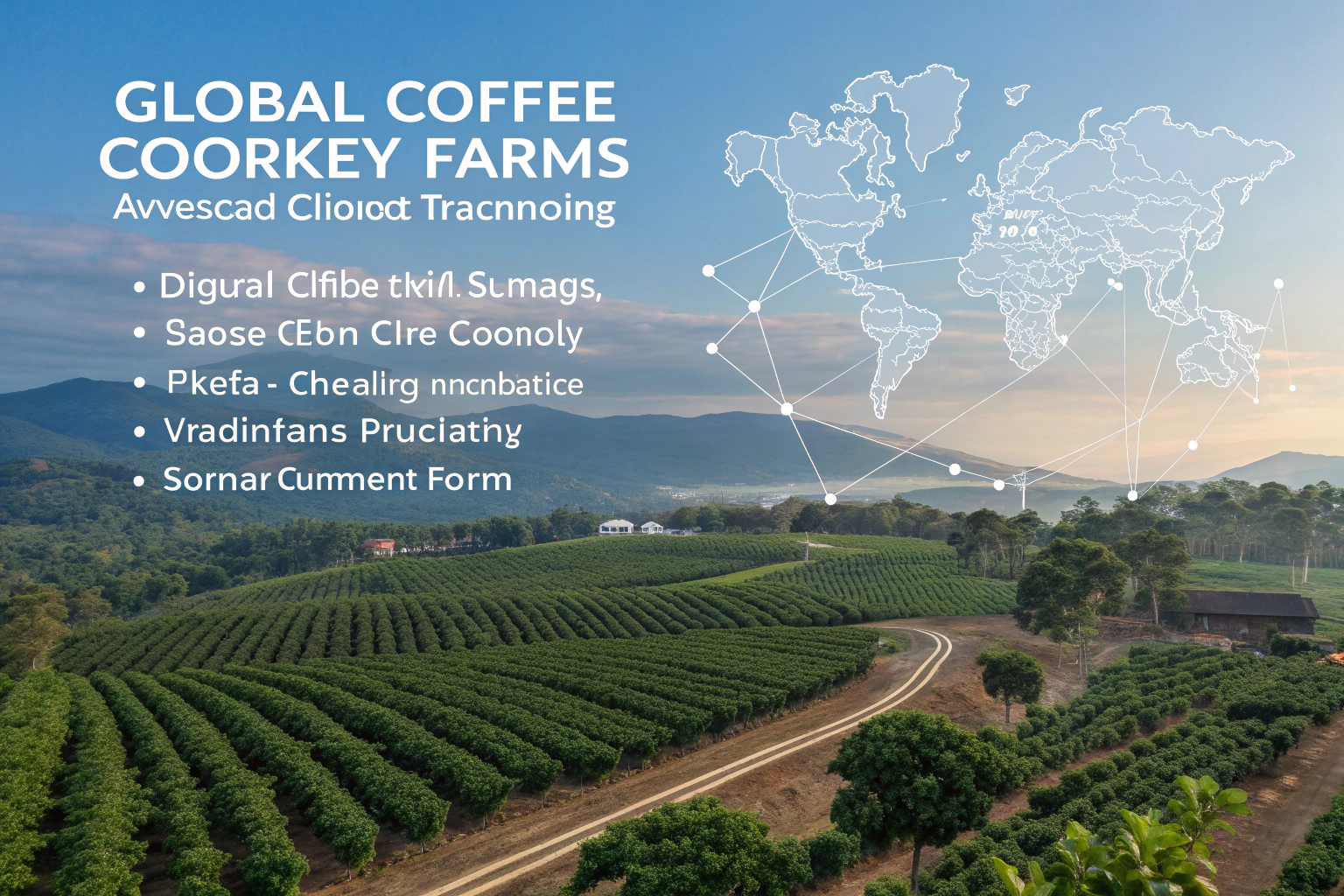
You're planning your coffee business strategy for the next decade. Should you invest in new roasting facilities? Expand your product lines? Double down on traditional markets or pivot to emerging ones? The decisions you make today will determine whether you thrive or merely survive in a coffee market that's transforming at an unprecedented pace. Understanding where the industry is heading isn't just interesting—it's essential for business survival.
The future of the global coffee market will be shaped by climate change reshaping growing regions, technology revolutionizing farming and traceability, sustainability becoming non-negotiable, consumption shifting to emerging markets, and product innovation creating new categories. Success will require adaptability, transparency, and quality focus as volatility increases and traditional business models are disrupted.
So, what specific forces are redirecting the currents of the global coffee trade, and how can businesses position themselves for the changes ahead? The future points toward a more fragmented, technologically advanced, and quality-driven industry where yesterday's success formulas may become tomorrow's relics. Let's explore the key trends that will redefine coffee.
How Will Climate Change Redraw the Coffee Map?
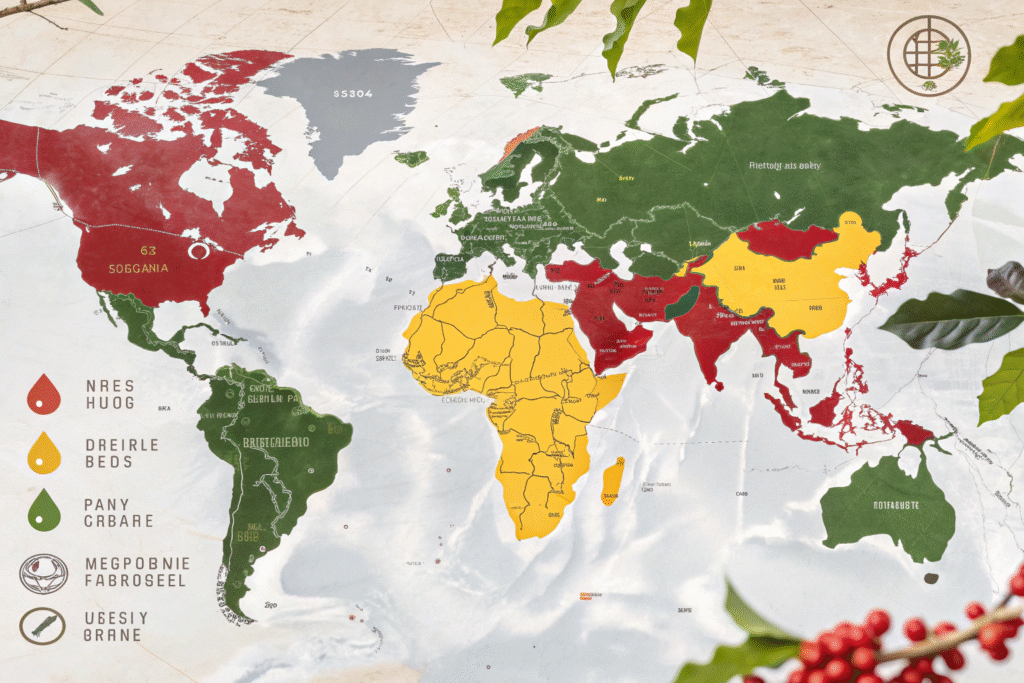
The geographical foundation of coffee production is shifting beneath our feet. Traditional growing regions are becoming less suitable while new regions emerge, creating both crisis and opportunity.
Climate change will force massive adaptation in where and how coffee is grown. The industry faces potential supply shortages in traditional origins while new regions gain importance, fundamentally altering global trade patterns.
Which Regions Face the Greatest Challenges?
Studies suggest severe impacts by 2050:
- Brazil's traditional Arabica areas could decline by 25-50%
- Central America may lose 30-50% of suitable land
- Vietnam's Robusta heartland faces heat and drought stress
- African origins like Ethiopia could lose 40-60% of suitable area
The altitudinal migration of coffee will continue, with production moving uphill until it literally runs out of mountain. This geographic compression will increase competition for remaining suitable land.
Which Regions Might Benefit?
- China's Yunnan province may gain suitability as temperatures rise
- New highland areas in East Africa could become viable
- Subtropical regions previously too cool may enter production
- Protected mountain areas may face pressure for conversion
At BeanofCoffee, we're already investing in climate-resilient practices in Yunnan, recognizing that regional rebalancing will redefine sourcing strategies.
What Technological Transformations Are Coming?
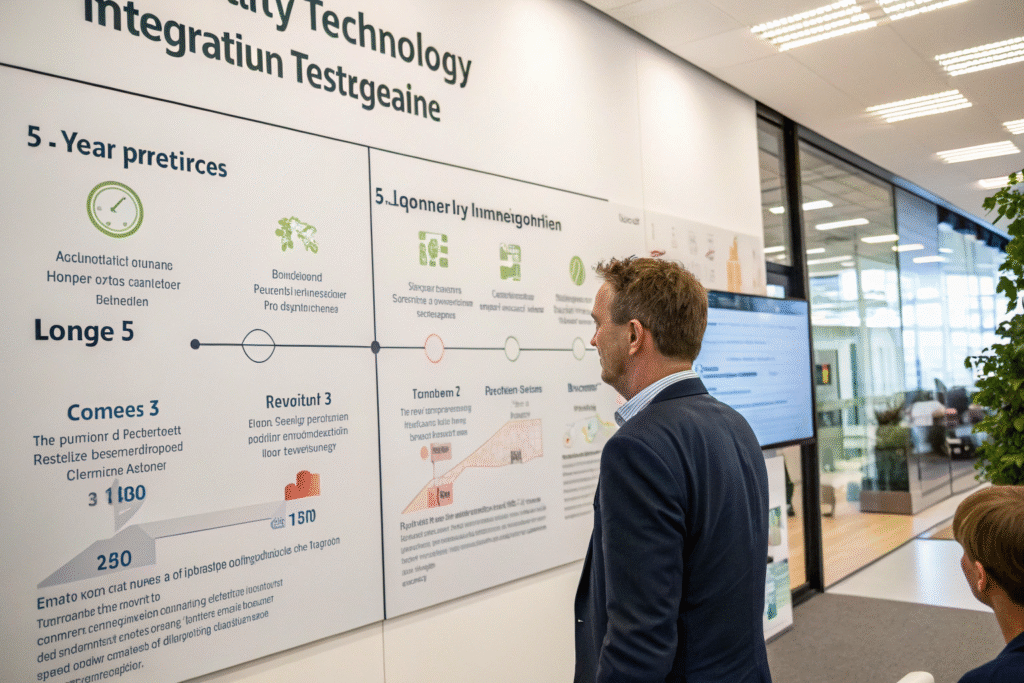
From farm to cup, technology is poised to revolutionize coffee production, supply chain management, and consumption experiences. The digital and biological revolutions are reaching coffee simultaneously.
Precision agriculture, blockchain traceability, AI quality control, and novel processing methods will increase efficiency, transparency, and quality while creating new business models.
How Will Farming Technology Evolve?
- Precision agriculture using sensors and drones for optimal inputs
- AI-assisted disease detection through smartphone apps
- Genetic mapping for developing climate-resilient varieties
- Water recycling systems addressing scarcity concerns
- Robotic harvesting for labor-constrained regions
These agricultural technologies will help offset climate impacts but require significant investment that may favor larger producers.
What Supply Chain Innovations Will Matter?
- Blockchain traceability providing farm-to-cup verification
- AI quality sorting replacing manual defect removal
- Smart contracts automating payments throughout the chain
- IoT monitoring of storage and transport conditions
- Digital marketplaces connecting farmers directly to buyers
This supply chain digitization will increase transparency and efficiency while potentially marginalizing traditional intermediaries.
How Will Sustainability Requirements Evolve?
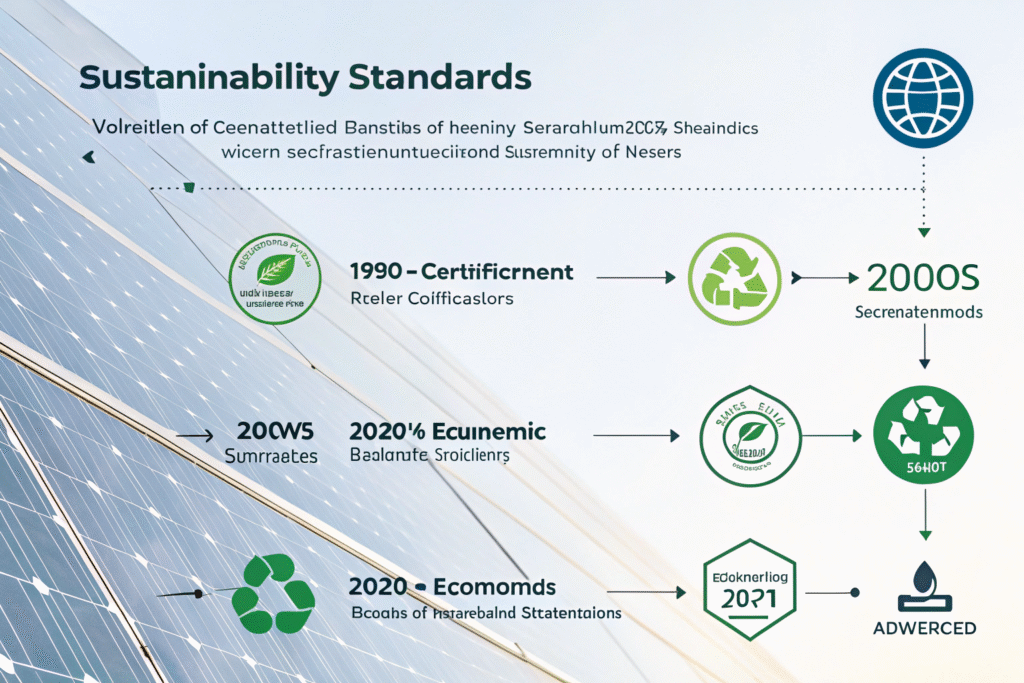
Sustainability is transitioning from a marketing advantage to a business necessity. Future market access may depend on verifiable environmental and social performance.
Carbon neutrality, water stewardship, biodiversity protection, and living income for farmers will become baseline expectations rather than premium differentiators.
What Environmental Standards Will Emerge?
- Carbon neutral certification becoming commonplace
- Water footprint labeling on packaging
- Regenerative agriculture practices becoming standard
- Zero-deforestation commitments verified by satellite
- Circular economy approaches to coffee waste
Companies that master environmental accountability will gain preferential market access and consumer loyalty.
How Will Social Requirements Change?
- Living income premiums built into pricing models
- Gender equity programs throughout supply chains
- Farmer resilience funds for climate adaptation
- Direct trade relationships becoming more structured
- Supply chain transparency to the farm level
The era of vague sustainability claims is ending, replaced by verified impact reporting that withstands scrutiny.
Where Will Future Growth Come From?
While Western markets mature, the global center of coffee demand gravity is shifting eastward and southward. The growth engines of tomorrow's coffee market are today's emerging economies.
Asia, particularly China and Southeast Asia, along with Africa and the Middle East, will drive consumption growth as Western markets focus on premiumization rather than volume expansion.
Which Markets Show the Most Promise?
- China's coffee shop culture is exploding, with consumption growing 15-20% annually
- Southeast Asia's young populations are embracing coffee as a modern beverage
- India's middle class expansion creates massive new demand
- Africa's urban centers are developing coffee cultures alongside production
- Middle Eastern markets continue their strong coffee traditions while modernizing
These emerging consumption centers will increasingly influence product development and marketing strategies globally.
How Will Western Markets Evolve?
Mature markets will see:
- Volume stagnation or decline as population growth slows
- Premiumization continuing with higher prices for better quality
- Health and wellness influencing product development
- Convenience innovation for time-pressed consumers
- Experiential consumption driving cafe visits
The quality over quantity shift in Western markets will reward brands that deliver exceptional experiences and transparent sourcing.

What Product Innovations Will Disrupt the Market?
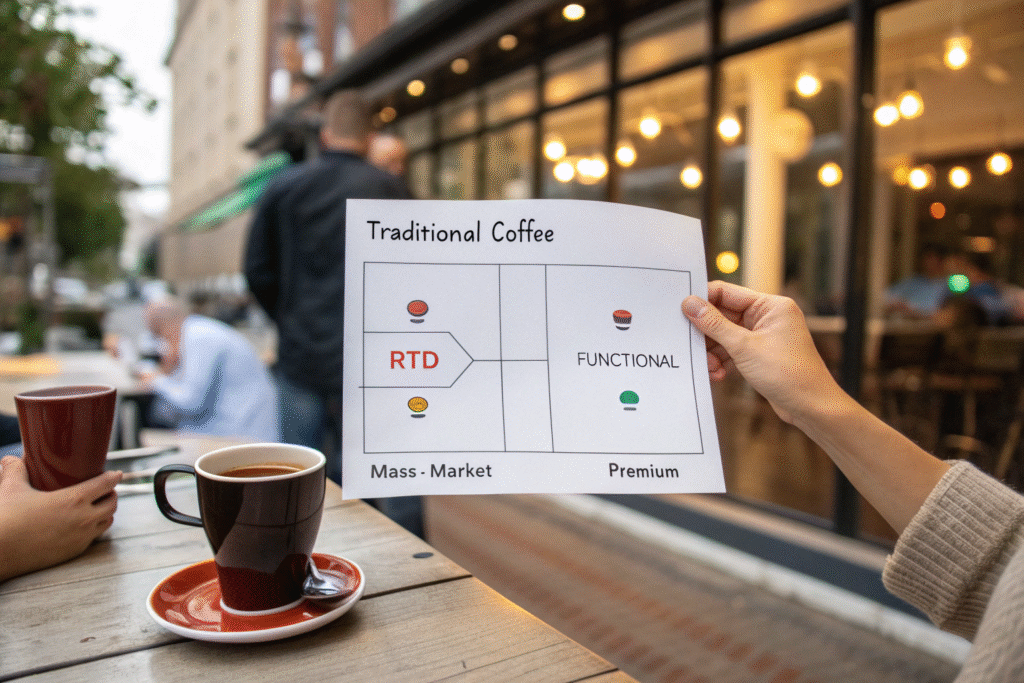
The very definition of "coffee" is expanding beyond traditional roasted beans to include new formats, functions, and experiences that appeal to evolving consumer preferences.
Ready-to-drink, functional coffee, plant-based innovations, and quality instant are creating new categories while cannibalizing some traditional ones.
Which New Categories Show Promise?
- Premium ready-to-drink capturing the cold coffee market
- Functional coffee with added nootropics, protein, or adaptogens
- Plant-based coffee beverages beyond traditional dairy alternatives
- Quality instant products matching specialty coffee standards
- Coffee-leaf tea and other coffee-adjacent products
These product category expansions allow coffee companies to reach new usage occasions and consumer segments.
How Will Quality Standards Evolve?
- Traceability becoming a standard expectation
- Processing innovation creating new flavor profiles
- Freshness technology extending peak quality periods
- Brewing precision reaching more consumers
- Sensory science improving quality consistency
The quality democratization movement will make specialty-grade experiences accessible to broader audiences through technology and education.
Conclusion
The future global coffee market will be characterized by volatility, fragmentation, and innovation. Climate change will force geographical realignment, technology will revolutionize production and transparency, sustainability will become non-negotiable, emerging markets will drive growth, and product innovation will create new categories.
Businesses that thrive will be those that embrace adaptability, invest in relationships throughout their supply chains, leverage technology for efficiency and quality, and remain consumer-obsessed in a rapidly changing landscape. The companies that will lead the coffee industry in 2030 are likely those making strategic bets today on climate resilience, supply chain transparency, and emerging market development. If you're planning your long-term coffee strategy and want to partner with a forward-thinking supplier, contact our export manager, Cathy Cai, at cathy@beanofcoffee.com. We're building the coffee company of the future today, with climate-resilient practices, technological integration, and market-ready innovation.