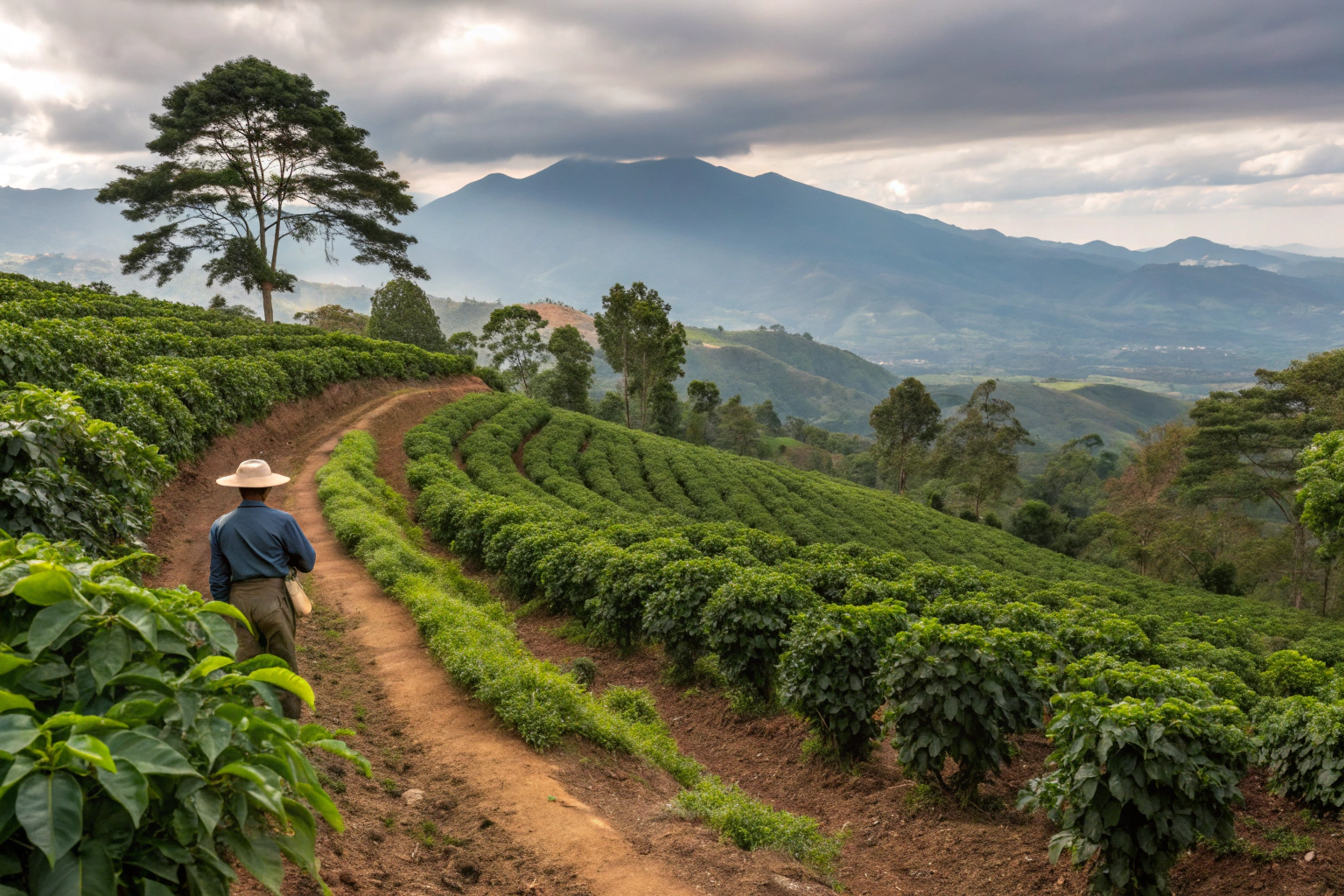
You've secured a contract for a steady supply of premium Arabica. Your roastery is humming, your cafe menu is set. Then, news headlines start flashing: "El Niño Declared," followed by "Coffee Prices Surge Amid Harvest Fears." Suddenly, your carefully built plans feel fragile. For anyone in the coffee business—from a plantation owner in Yunnan to an importer in Seattle—El Niño is not just a weather term; it's a global climate phenomenon that can rewrite supply, cost, and quality expectations for an entire season, or longer. Understanding its impact isn't about academic interest; it's about strategic risk management for your business.
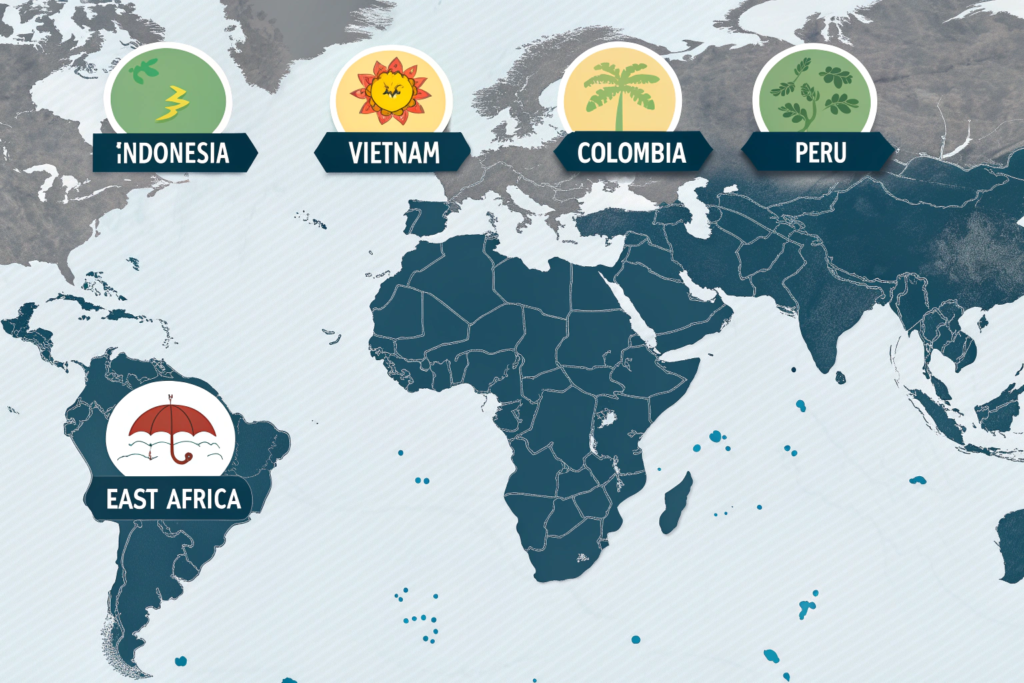
The impact of El Niño on coffee production is profound and geographically distinct, primarily causing drought and delayed rains in key Asian and Pacific coffee regions (like Indonesia and Papua New Guinea), while often bringing excessive rainfall and disease pressure to parts of South America. For the global coffee market, this disrupts supply chains, amplifies price volatility, and forces producers to adapt farming practices under stress. The ultimate effect is a tangible threat to yield, bean quality, and supply stability, directly translating into the challenges of timeliness, cost control, and reliable sourcing that every buyer faces.
Think of El Niño as a global climate pendulum that swings every few years. When it swings, it doesn't just change the weather; it shakes the very foundations of coffee agriculture in ways that ripple through warehouses, shipping schedules, and eventually, the price you pay per pound. Let's map out exactly how this happens in different parts of the world and what it means for your supply chain.
How Does El Niño Specifically Affect Different Coffee-Growing Regions?
El Niño's signature is the warming of sea surface temperatures in the central and eastern Pacific Ocean. This shift rearranges global atmospheric circulation patterns, leading to predictable (though varying in intensity) weather anomalies. Coffee, with its specific needs for balanced rainfall and moderate temperatures, is highly vulnerable.
1. Southeast Asia and the Pacific (e.g., Indonesia, Vietnam, Papua New Guinea):
Here, El Niño typically brings severe drought and delayed monsoon rains. This is its most direct and devastating impact on coffee, particularly on Robusta production, for which Vietnam and Indonesia are giants.
- Impact: Drought during flowering and fruit development leads to massive flower abortion, poor fruit set, and smaller, underdeveloped beans. The result is a significantly reduced harvest. In extreme cases, prolonged drought can kill coffee trees outright. The delay in rains also disrupts the harvest calendar, compressing the picking season and straining labor resources.
- Example: The strong El Niño of 2015-16 caused a catastrophic drop in Indonesia's coffee output, contributing to a global supply deficit.
2. South America (e.g., Colombia, Peru, parts of Brazil):
The effect here is often the opposite: increased and excessive rainfall. While rain is needed, too much is destructive.
- Impact: Persistent clouds and rain reduce sunlight, slowing photosynthesis and cherry maturation. Saturated soils increase the risk of root diseases and make fieldwork impossible, delaying harvest and post-harvest processing (like sun-drying). Most critically, the humid conditions create a perfect environment for coffee leaf rust and other fungal diseases to explode, devastating yields and tree health for years to come. Heavy rains can also cause landslides and wash away topsoil.
3. East Africa (e.g., Ethiopia, Kenya): The impacts are more mixed and less predictable. Some areas may experience drought, others flooding. This variability makes planning and mitigation even harder for smallholder farmers who dominate production there.
Our region, Yunnan, China, is also influenced. El Niño can lead to warmer winters and altered precipitation patterns. A warmer winter might reduce frost damage (a benefit), but it can also affect the crucial dormancy period for coffee trees and shift pest and disease cycles. Altered rains can impact the timing of the bloom and the uniformity of the harvest. At Shanghai Fumao, monitoring these long-range forecasts is part of our agricultural planning to protect our 10,000 acres and our clients' supply.
How Does This Directly Translate to Green Bean Quality?
The stress inflicted by El Niño doesn't just reduce quantity; it degrades quality. Drought-stressed beans are often smaller, less dense, and more prone to defects. They may have a higher percentage of "floaters" (immature beans) and a less developed sugar content, leading to a flat, papery, or overly sharp cup profile. Beans from regions battered by excessive rain may have processing defects (mold, over-fermentation) due to the inability to dry properly. For a buyer, this means even if you secure volume, the consistency and flavor profile of your usual lot may be compromised, requiring rigorous pre-shipment quality control.
What is the "Lag Effect" on Production?
A critical point is that El Niño's damage often has a multi-year impact. A severe drought or disease outbreak weakens coffee trees, which are perennial plants. A tree stressed in one year will have reduced productivity the following year, even if weather normalizes. Furthermore, farmers facing crop loss may be unable to afford proper fertilizers or pesticides for the next cycle, creating a downward spiral. This means a single El Niño event can suppress global supplies for 24-36 months, creating extended periods of market tightness.
What Are the Immediate Consequences for Global Supply and Price?
The coffee market is a global balancing act. When a major producing region stumbles, the shockwaves are felt worldwide. El Niño typically disrupts multiple regions simultaneously, but in opposite ways, creating a complex but generally tightening supply picture.
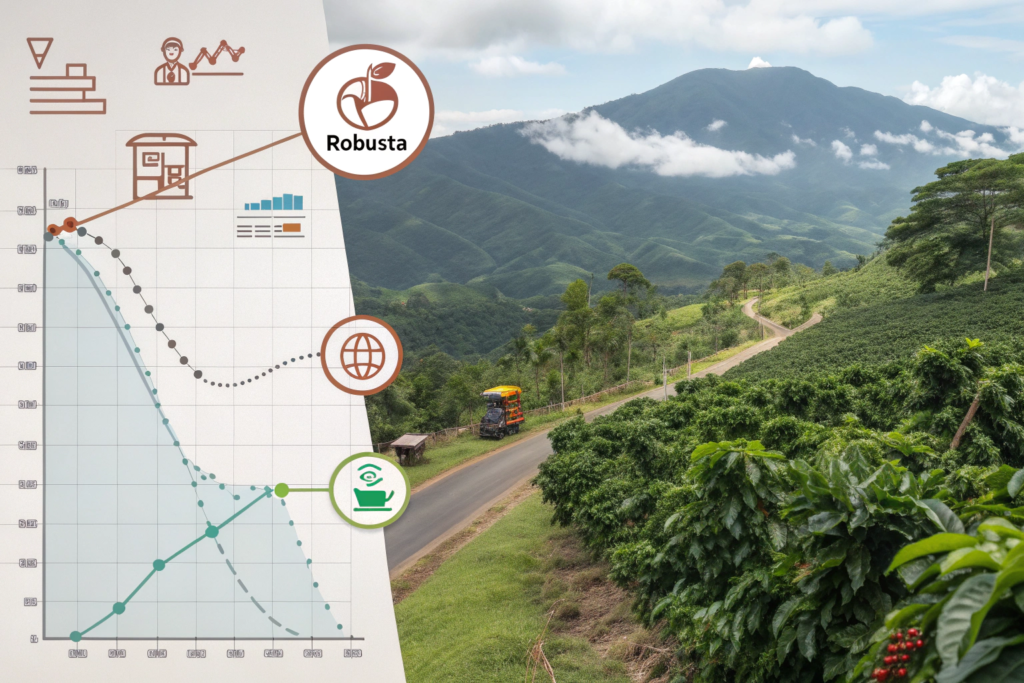
The most immediate and visible impact is on futures prices on the ICE (Intercontinental Exchange), particularly for Robusta. As news of drought in Vietnam (the world's #1 Robusta producer) breaks, algorithmic and speculative trading drives prices up rapidly. This volatility is then transmitted to physical contract prices. For Arabica, the fear of disease in Colombia or irregular rains in Brazil adds upward pressure. This creates a double whammy for buyers: the physical supply from affected origins may become scarce or more expensive, while the benchmark price for all coffee rises due to market sentiment. Your previously negotiated good price may suddenly look very vulnerable if your contract doesn't have firm terms.
How Does This Disrupt Shipping and Logistics?
Beyond the farm gate, weather extremes disrupt logistics—a major pain point for importers focused on timeliness. In drought-affected regions, lower yields mean fewer containers are needed for export, but may also lead to consolidation delays as exporters scramble to fill orders. In rain-affected regions, washed-out roads and landslides can make it impossible to transport cherries to washing stations or bags to ports, causing significant delays. Furthermore, global shipping patterns can be indirectly affected by El Niño-driven weather events (like storms in shipping lanes), adding another layer of unpredictability. This environment demands close communication with suppliers who have strong local logistics networks.
What is the Role of Stockpiles and "Carryover" Inventory?
In years following a good harvest, producing countries and exporters build stockpiles. These reserves act as a buffer against a bad year. However, a strong, widespread El Niño can deplete these buffers rapidly. When the market perceives that global stockpiles (the "carryover") are falling to multi-year lows, it fuels further price speculation and anxiety about future availability. For a roaster or brand, this underscores the value of a supplier with owned plantations and controlled inventory, like our model at BeanofCoffee, which can provide more stable commitments even during tight markets.
How Can Producers and Buyers Mitigate the Risks?
While no one can stop El Niño, its business impacts can be managed through preparation, diversification, and strong partnerships. Reacting after the fact is far more costly than proactive planning.
For Producers (like us at BeanofCoffee):
- Climate-Smart Agriculture: Implementing irrigation systems (where possible), using shade trees to regulate microclimates and soil moisture, and planting drought- or disease-resistant varietals (like some Catimor hybrids).
- Soil Health Management: Building organic matter in soil improves water retention during droughts and drainage during floods.
- Weather Monitoring & Insurance: Using detailed forecasts to plan farm activities and considering crop insurance where available.
- Post-Harvest Resilience: Investing in mechanical dryers to overcome humid, rainy periods and ensure bean stability regardless of weather.
For Buyers (Roasters, Importers, Cafes):
- Diversify Your Supply Base: Don't rely on a single origin highly vulnerable to El Niño (e.g., Indonesian Robusta). Build relationships with suppliers in geographically dispersed regions. For example, pairing a Southeast Asian source with a Yunnan, China source can spread climate risk.
- Develop Strong Supplier Relationships: In times of shortage, suppliers prioritize their long-term, reliable partners. Transparent communication about your needs and a fair partnership ethos are invaluable.
- Consider Fixed-Price Contracts with Care: While they offer cost certainty, they can be risky if prices skyrocket and the supplier cannot fulfill. Work with suppliers who have the farm-level control to honor commitments. Our vertical integration allows us to offer more stable fixed-price agreements to trusted clients.
- Increase Quality Control Vigilance: In stress years, double down on pre-shipment inspections, water activity testing, and sample cupping to ensure the quality meets your standard before shipment departs.
What Financial Instruments Can Help?
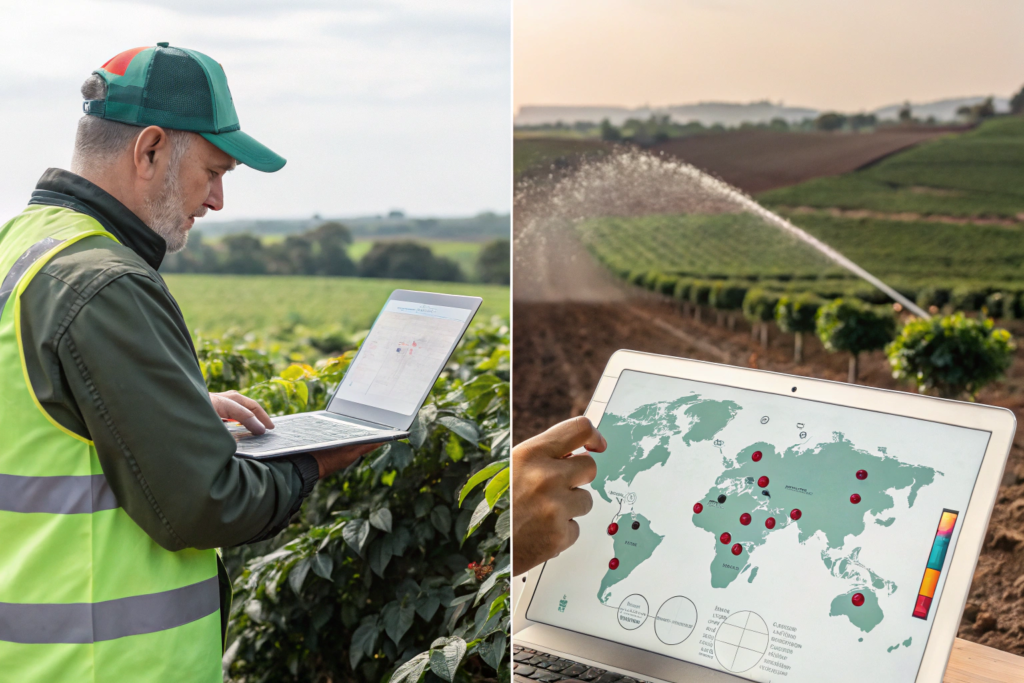
Larger businesses might use financial hedging strategies on the futures market to lock in prices. However, this is complex and carries its own risks. For most small to medium-sized businesses, the most practical "hedge" is a diversified and trustworthy supply chain and maintaining a slightly higher inventory buffer ahead of forecasted El Niño years.
How Does Climate Change Interact with El Niño?
This is the critical long-term context. Climate change is increasing the frequency and intensity of extreme weather events. Scientists suggest that while El Niño is a natural cycle, its impacts are becoming more severe due to the background warming of the planet. What was once a "strong" El Niño event may now be the new normal. This makes the mitigation strategies above not just for occasional events, but essential for long-term business resilience. Sourcing from regions with lower climate vulnerability or from farms implementing genuine adaptation is a forward-thinking strategy.
What Should You Do When an El Niño Event is Forecasted?
When meteorological agencies declare an El Niño advisory, it's a signal to activate your risk management plan. This is not a time for panic, but for deliberate action.
- Communicate with Your Suppliers Immediately. Ask direct questions: "How is this event typically affecting your region?" "What is your assessment of the upcoming harvest potential?" "Can you confirm our contracted volume and quality specifications?" A good supplier will be monitoring this closely and appreciate your engagement.
- Review Your Inventory and Sales Forecasts. How many months of supply do you have on hand? Can you safely increase inventory before potential shortages and price hikes affect your supply line? For cafes, consider the lead time on your menu changes if a key single-origin becomes unavailable.
- Educate Your Team and Customers. For roasters and cafes, transparency can be a strength. You might explain, "Due to drought conditions in [Region X], our usual offering from there is limited this year. We're excited to offer this fantastic alternative from [Region Y]." This turns a challenge into a story of expertise and adaptation.
- Be Flexible and Creative. This might be the year to explore alternative origins or adjust blend recipes. The unique profile of a Baoshan Arabica, for instance, might become an even more valuable and stable blending component when traditional bases are under pressure.
Navigating an El Niño period successfully reinforces that you are a knowledgeable, reliable, and adaptable partner or brand. It tests your supply chain's strength and ultimately separates those who are built for the long term from those vulnerable to the first climate shock.

Would Ignoring Seasonal Climate Forecasts Really Be Worth the Potential Losses?
Imagine standing at the edge of a vast, undulating wheat field as dawn breaks, the air crisp with the promise of a new growing season. Farmers, their faces etched with the wisdom of generations, have long relied on the whispers of the seasons—on the first frost that signals harvest, on the gentle rains that nurture crops. But in an era where climate patterns grow increasingly erratic, those whispers are being drowned out by the roar of data: seasonal climate forecasts, once dismissed as mere guesswork, now stand as lifelines for decision-making. To ignore them is to dance with chaos, blind to the storm clouds gathering on the horizon. Consider the farmer who, trusting only in tradition, plants his seeds too early, unaware that a late spring frost could turn vibrant green shoots into brittle, lifeless husks, leaving fields barren and wallets empty.
Can Your Supply Chain Withstand Extreme Weather Disruptions Linked to El Niño?
As the planet grapples with the escalating fury of climate change, El Niño emerges not as a distant meteorological phenomenon but as a looming specter casting long, inky shadows over global supply chains. This periodic warming of the Pacific Ocean, characterized by roiling, rain-soaked monsoons that drench Southeast Asia in relentless downpours, turning streets into rivers and fields into quagmires, and parched, tinder-dry droughts that scorch the coasts of Peru and Ecuador, where the air hangs thick with dust and the earth cracks like old leather, is no longer a seasonal anomaly—it is a disruptive force reshaping the very fabric of how goods move from factory to consumer.
Imagine a world where once-reliable shipping lanes are transformed into churning cauldrons of storm surges, their waves towering like angry giants, capsizing container ships and leaving cargo scattered like broken toys across the ocean floor. Ports lie submerged under meters of water, their cranes rusting and creaking like ancient skeletons, their warehouses flooded with brine that seeps into every crevice, spoiling crates of electronics and perishable produce alike.
Conclusion
The impact of El Niño on coffee production is a powerful demonstration of how interconnected and climate-dependent our global industry remains. It directly translates weather patterns into tangible business outcomes: tighter supplies, higher costs, quality challenges, and logistical headaches. For anyone in the coffee trade, from farm to cup, ignoring this cycle is not an option.
The strategic response is not to hope for mild weather, but to build a business resilient to its fluctuations. This means diversifying supply sources, forging deep, transparent partnerships with producers who are themselves adapting, and maintaining operational flexibility. In an era of increasing climate volatility, this resilience becomes a core competitive advantage.
If you are looking to build a more climate-resilient supply chain and explore stable, high-quality coffee from a region with controlled production like Yunnan, we should talk. At Shanghai Fumao, our direct ownership and modern farming practices allow us to navigate these challenges proactively, offering our partners a greater degree of security in an uncertain world.
To discuss how our sourcing model can provide stability for your business in the face of climate and market volatility, please contact our head of sales and strategic planning, Cathy Cai. She can provide insights into our multi-year crop planning and quality assurance protocols. Reach her at cathy@beanofcoffee.com. Let's plan for every season, together.