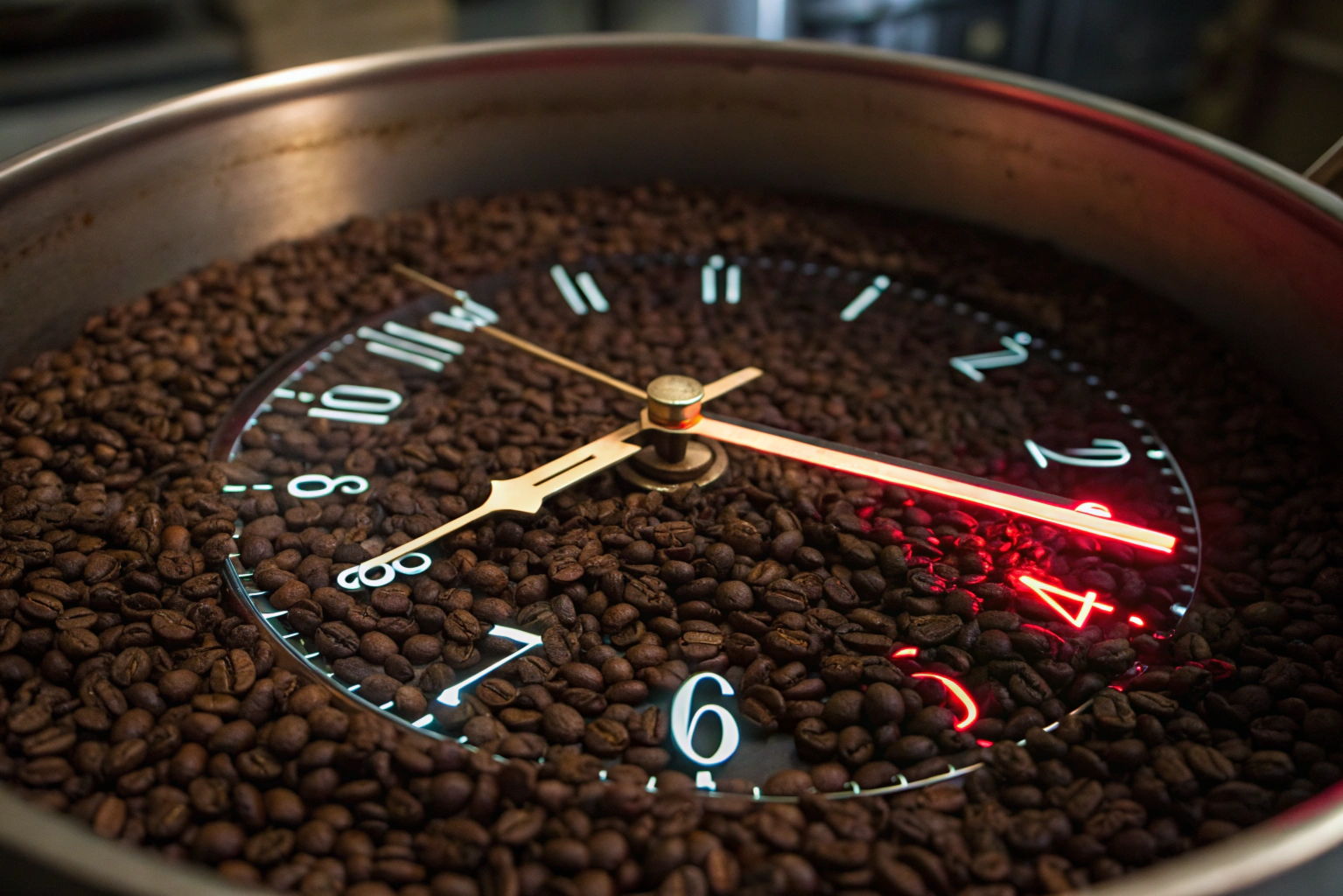
"This coffee is bright and juicy, like a green apple. The last lot you sent was more like a rich red wine. Both were from the same farm, both washed process. What did you do differently?"
This was a question from Ron, our buyer in America, after he cupped two different lots of our Yunnan Catimor. His palate is sharp, and he noticed a subtle but significant difference. My answer? "We played with time." Specifically, we adjusted the fermentation time by just 12 hours. That small change completely reshaped the coffee's final acidic profile. This is one of the most exciting—and riskiest—frontiers in coffee processing. For a buyer, understanding this process is key to understanding where the complex flavors you love truly come from.
The impact of fermentation time on acidity is a delicate balancing act: shorter fermentation times (12-24 hours) typically preserve the coffee's inherent, bright, citric, and malic acids, resulting in a clean, crisp cup. Longer, controlled fermentation times (36-72+ hours) break down those simple acids and allow microbial activity to generate more complex, exotic acids like lactic and phosphoric, leading to a rounder, fuller body and flavors like tropical fruit or wine. However, if fermentation goes too long or is uncontrolled, it produces acetic acid (vinegar), ruining the coffee.
Mastering fermentation is like being a conductor of a microbial orchestra. At BeanofCoffee, this is where our science-led approach truly shines. We don't just let the coffee ferment; we guide it, measure it, and time it to the minute to create specific, repeatable flavor profiles. Let's pull back the curtain on this invisible process and explore how time transforms a simple coffee cherry into a symphony of complex acids.
What Is Fermentation in Coffee Processing?
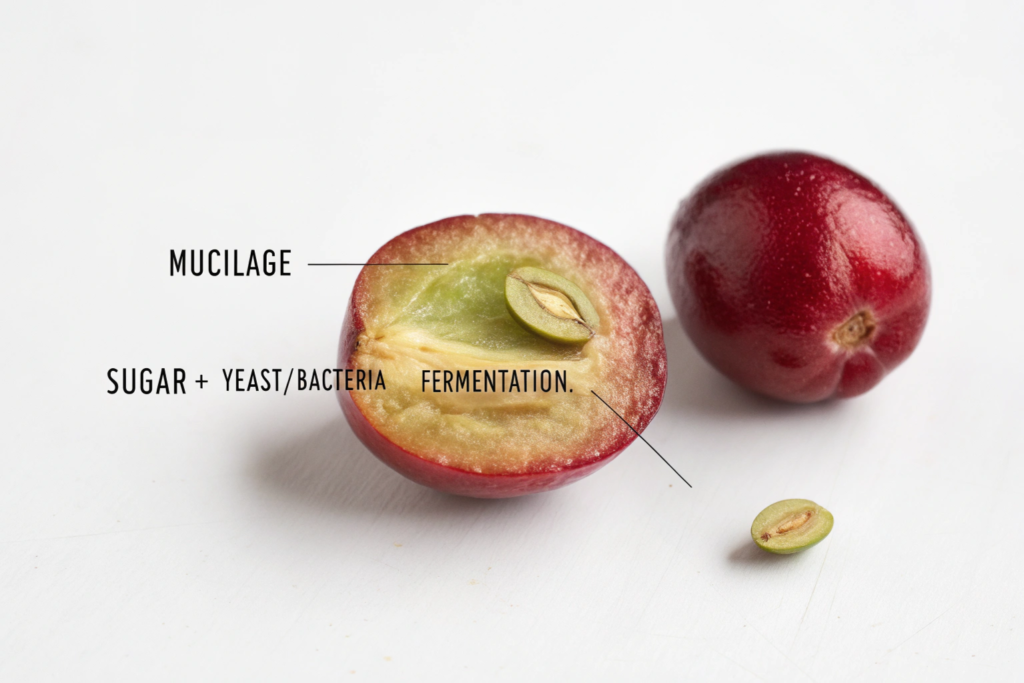
Before we talk about time, let's be clear about what we mean by "fermentation." When we use the term in the context of washed coffee, we are talking about a specific, controlled process. After the coffee cherries are picked, the outer skin is removed by a machine called a depulper. This leaves the coffee bean encased in a sticky, honey-like layer called mucilage. This mucilage is packed with sugars and pectins.
Fermentation is the process of using naturally occurring yeasts and bacteria to break down and remove this sticky mucilage layer from the coffee bean's protective parchment shell. The beans are typically placed in large tanks, either with or without water, and these microorganisms get to work, consuming the sugars and loosening the mucilage. The primary mechanical goal is to clean the bean so it can be dried properly.
But along the way, something magical happens. This microbial activity doesn't just happen around the bean; it creates a complex chemical environment that profoundly impacts the final flavor of the bean. The byproducts of this fermentation—including various acids, esters, and ketones—are absorbed in small amounts by the bean itself, fundamentally altering its final taste profile.
Why Is It Necessary for Washed Coffees?
For fully washed coffees, removing the mucilage is essential. This sticky, sugary layer clings to the bean like a damp, sweet membrane, and if left intact as the bean dries, it becomes a breeding ground for mold and rot. The air hangs heavy with the cloying scent of overripe fruit, and within days, fuzzy green patches bloom across the surface, releasing a pungent, earthy stench that taints the beans. Such mishaps lead to severe flavor defects—bitter, musty notes that drown out the coffee's natural brightness, leaving only a dull, unpleasant aftertaste.
Is It the Same as Fermentation in Wine or Beer?
Yes and no. The basic principle of using yeast and bacteria to transform sugars is the same. However, in coffee, the primary goal is not to create alcohol (though trace amounts are produced). The main goal is to break down the mucilage and, in the process, modulate the bean's flavor. It's a much more subtle and nuanced process. While winemakers want the flavor of the fermented grape juice, coffee producers want the flavor of the bean to be enhanced by the fermentation environment. This is a key concept in coffee processing.
How Does Shorter Fermentation Create Crisp Acidity?
Imagine a classic, high-quality washed Colombian or Kenyan coffee. What comes to mind? Often, it's a vibrant, clean, and crisp acidity. It might remind you of biting into a green apple (malic acid) or the zesty brightness of a lemon (citric acid). This specific type of acidity is often the result of a short, clean, and well-managed fermentation.
When we employ a shorter fermentation time, typically in the range of 12 to 24 hours, our goal is primarily preservation. We want to cleanly remove the mucilage while minimizing the impact of the fermentation byproducts on the bean itself. This approach preserves the acids that are already naturally present in the coffee bean from its time growing on the plant. These are primarily citric and malic acids.
The result is a cup that is a pure expression of the bean's inherent character and its terroir. The acidity is often more pronounced, linear, and sharp. For a buyer looking for that classic, clean, and bright profile, a short and controlled fermentation is the key. It delivers a predictable and highly desirable quality that is the hallmark of traditional specialty washed coffees.
What Is "Clean" Acidity?
"Clean" is a term you'll hear a lot in coffee cupping, a ritual where the air hums with the earthy aroma of freshly ground beans and the soft clink of porcelain cups. It means the flavors are clear, distinct, and free from any distracting "funky" or fermented notes—no musty whispers, no moldy undercurrents, just pure, unadulterated coffee essence. A clean acidity is bright and refreshing, like a crisp morning dew on your tongue, with zesty citrus or tangy berry undertones that dance lightly before fading, leaving no sour or vinegary aftertaste to linger like an unwelcome guest.
What Happens if You Stop It Too Soon?
Under-fermentation is also a risk. If you don't allow the process to go on long enough to break down all the mucilage, remnants can remain on the bean. This can lead to a "green" or vegetal taste and can cause problems during drying. It's a fine line to walk, which is why our team uses pH meters and other tools to know the precise moment to stop the process, rather than just relying on time alone. This level of process control is essential.
How Does Longer Fermentation Build Complex Acidity?
Now, let's venture into the more modern and experimental side of fermentation. What happens when we intentionally push the time longer, from 36 hours to 72 hours, or even more? This is where we move from preserving acidity to actively creating new layers of it.
During a longer, controlled fermentation, the initial population of microorganisms begins to change. New types of bacteria and yeast, which thrive in a more acidic environment, take over. These new microbes produce different byproducts. They start to generate more complex acids, such as lactic acid (the same acid found in yogurt, which gives a creamy, round mouthfeel) and even phosphoric acid (which can create a unique, sparkling sensation). They also create a higher concentration of esters, which are compounds responsible for fruity and floral aromas.
The result is a coffee with a completely different acidic structure. The sharp, crisp notes are softened and replaced by a deeper, rounder, and more complex fruitiness. The coffee might taste less like a lemon and more like a tropical fruit, a ripe berry, or even a fine red wine. This is the "funk" that the modern specialty coffee world is so excited about. At Shanghai Fumao, these extended fermentations are where our processing team shows their true artistry.
What Is Anaerobic Fermentation?
This is a popular type of extended fermentation where the coffee is placed in a sealed, oxygen-free tank. By removing oxygen, we can further influence which types of microbes thrive, often promoting those that create lactic acid. This can result in intensely fruity and winey coffees with a smooth, round body. It's a technique that requires significant investment and control but can produce truly extraordinary flavor profiles.
What Is the Risk of Going Too Long?
This is the razor's edge of fermentation. If the process goes too long or is not perfectly controlled, a different type of bacteria, Acetobacter, can take over. Acetobacter consumes alcohol and produces acetic acid—the primary component of vinegar. This results in a sharp, unpleasant, sour, and vinegary taste that is considered a major defect. The ability to extend fermentation to build complexity without producing acetic acid is the true mark of a master processor.

How Do We Control Fermentation Time?
Given the high stakes, how do we ensure we stop the fermentation at the perfect moment? Simply relying on a stopwatch is a recipe for disaster. The speed of fermentation is not constant; it's a living process influenced by numerous variables, making "time" a relative concept. This is where science and technology become indispensable for a modern coffee producer.
The most critical variable affecting fermentation speed is temperature. A warmer ambient temperature will cause the microorganisms to work much faster, shortening the ideal fermentation window. A cooler day or a cold-water wash can slow it down considerably. Other factors include the specific microbial strains present on the cherries, the sugar content of the mucilage, and the altitude. Relying on a fixed number of hours is therefore unreliable and risky.
To navigate this, we use data-driven methods to monitor the progression of the fermentation in real-time. This allows us to make precise decisions based on the state of the coffee, not just the clock on the wall. This commitment to measurement and control is what separates consistent, high-quality production from guesswork.
What Is the Role of pH Measurement?
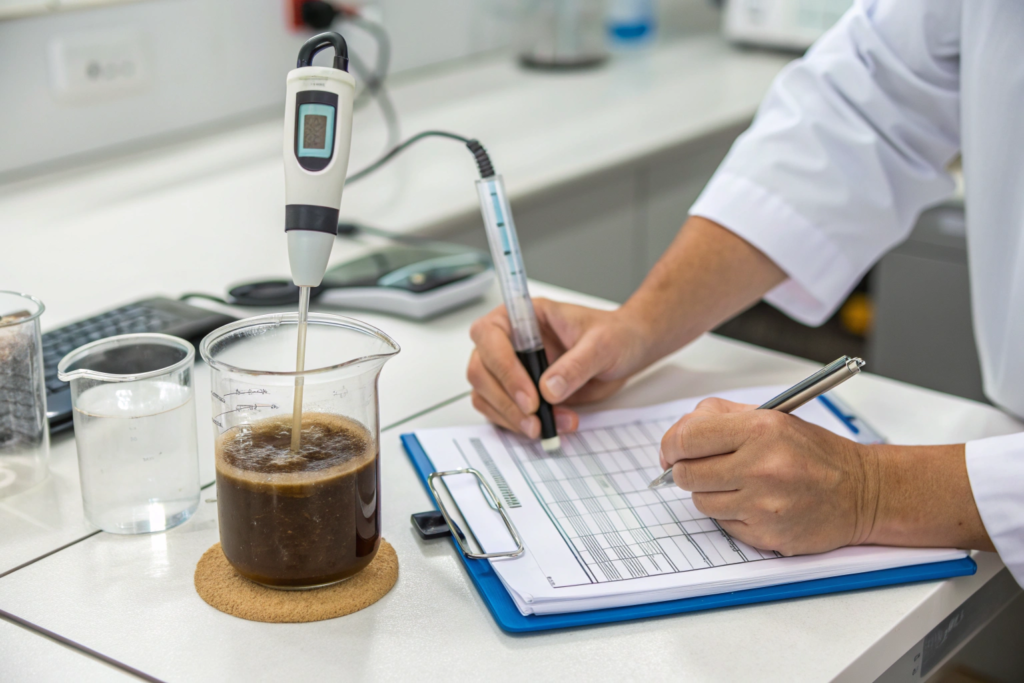
One of the most powerful tools we use is a pH meter. As fermentation progresses, the microorganisms produce acids, causing the pH of the water and mucilage mixture to drop. We have learned through rigorous testing that specific pH levels correlate with desired flavor profiles. For example, we might know that a pH of 3.9 gives us the perfect bright, clean profile, while letting it drop to 3.6 might produce more winey notes. By monitoring the pH, we can stop the fermentation at the precise chemical state we are targeting, ensuring consistency from batch to batch.
How Does Sensory Analysis Help?
Technology is crucial, but it doesn't replace the skill of the human palate. Throughout the fermentation process, our head processor will regularly take small samples of the mucilage and even the beans themselves to smell and taste. They are looking for specific aromatic cues—the shift from a sweet, fruity smell to a more pungent, alcoholic one, for example. This sensory analysis, combined with the pH data, gives us a complete picture of the fermentation's progress, allowing for an expert final call. It's a perfect blend of scientific measurement and artisanal craft.
Conclusion
The relationship between fermentation time and acidity is not a simple straight line; it's a beautiful and complex curve. It's a journey that begins with the coffee's inherent, crisp, citric, and malic acids. A short, clean fermentation preserves these, delivering a classic, bright cup. As time extends, the journey continues, transforming those simple acids into more complex, round, and fruity lactic and phosphoric acids, creating the exciting, winey profiles of modern specialty coffee.
But it's a journey fraught with peril. Go too far, and you fall off a cliff into the unpleasant, vinegary world of acetic acid. The skill of the coffee producer lies in knowing exactly where on that curve to stop the journey to achieve a desired flavor profile. It is a masterful blend of art, science, and courage.
Understanding this process allows you, as a buyer, to better articulate what you are looking for. Do you want a clean, classic cup? Or are you searching for a complex, fruity, and experimental lot? By understanding the role of fermentation, you can have a much more nuanced and productive conversation with your supplier.
We are passionate about exploring the full spectrum of flavor that fermentation can unlock. If you are interested in tasting the difference that a few hours can make, please reach out to our head of client relations, Cathy Cai, at cathy@beanofcoffee.com. Let us share our latest experiments with you.