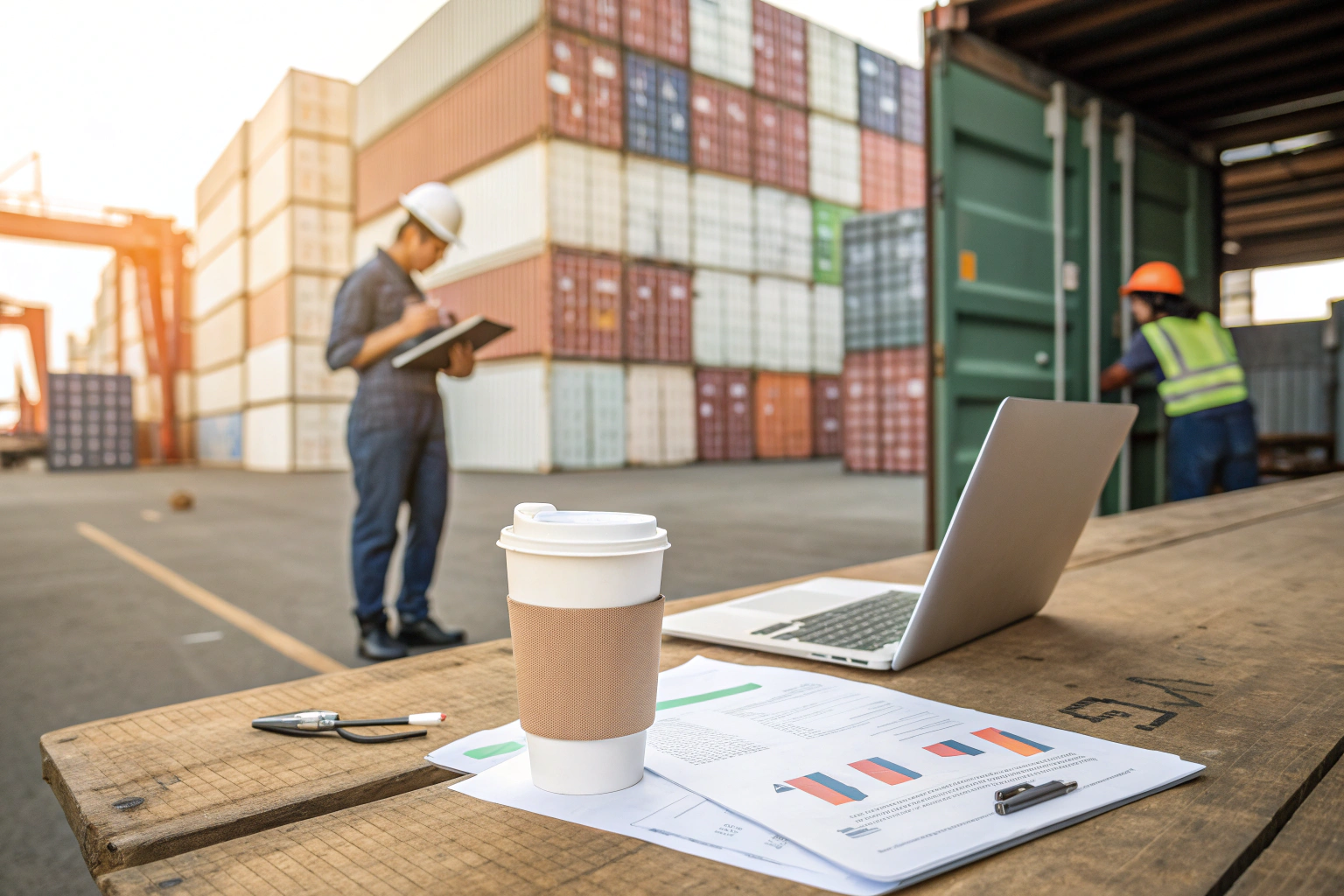
As a coffee buyer, you've experienced the frustration. You've sourced a fantastic lot of coffee, the pre-shipment sample was amazing, and you're excited to get it to your roastery. But then you get the email: "Vessel delayed due to port congestion." Or "Container held for customs inspection." Days turn into weeks, and weeks can turn into months. Your primary concern is the logistical headache and the impact on your production schedule. But a deeper, more worrying question nags at you: "What is actually happening to my coffee inside that metal box? When it finally arrives, will it still be the same coffee I paid for?" This is a major pain point: the uncertainty of how shipping delays are silently degrading the quality and value of your expensive inventory.
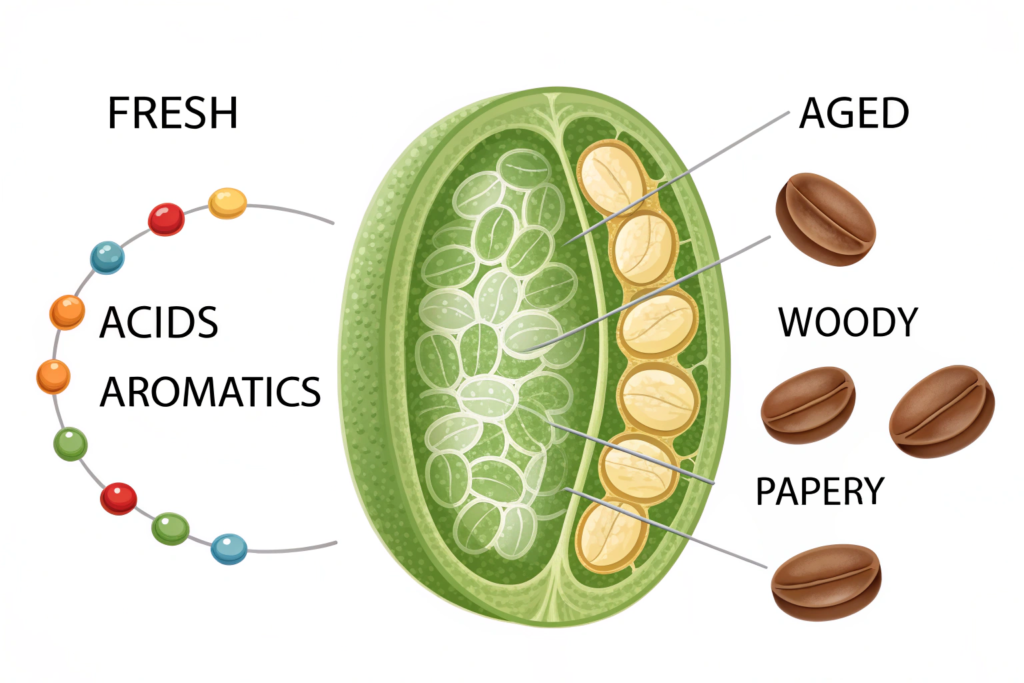
Honestly, the impact of shipping delays on green coffee quality can be devastating, and it primarily comes down to one key factor: the loss of moisture and the degradation of organic compounds. A green coffee bean is a living, breathing seed. When it is trapped in a container for an extended period, especially in fluctuating temperature and humidity, it begins to age rapidly. The vibrant acidity fades, the complex aromatics flatten out, and the sweet, fruity notes are replaced by dull, woody, or papery flavors. A delay of several months can easily turn a 90-point specialty coffee into an 80-point commodity-grade bean, erasing its unique character and a significant portion of its financial value.
From our perspective at Shanghai Fumao, this is our worst nightmare. We invest immense effort on our farms in Yunnan to cultivate beans with specific, vibrant flavor profiles. To have that quality slowly suffocate in a container at sea is heartbreaking. It's why understanding the risks and taking preventative measures is a crucial part of the international coffee trade. Let's break down what's actually happening inside that container.
What Is the Science Behind Quality Degradation?
To understand the impact of delays, you have to think of a green coffee bean not as a rock, but as a dormant seed—small, unassuming, yet brimming with potential, like a tiny universe waiting to unfold. It's in a state of suspended animation, a quiet slumber where time seems to stand still, yet it's still biochemically active, its cells humming with life beneath the surface, as if holding their breath for the right moment to awaken.
It is vulnerable to its environment, delicate as a whispered secret, easily disrupted by the world around it. Time, that relentless marcher, becomes its greatest enemy during transit; every passing hour stretches like taffy, each minute a silent countdown to possible degradation. Heat, too, is a foe—lingering in the cargo hold like a persistent fever, sapping the bean's vitality, turning its crispness to something softer, less vibrant, as if the warmth is leaching away its essence.
How does moisture loss affect the bean?
A properly dried green coffee bean has a moisture content of around 10-12%. This is the sweet spot that keeps the bean stable. During a long delay, especially with temperature swings inside a container, this moisture can start to migrate and slowly escape the bean. As the water leaves, it takes volatile aromatic compounds with it. These are the delicate compounds responsible for the floral and fruity notes. The result is a coffee that smells and tastes less vibrant.
What happens to the key flavor compounds?
The bright, desirable acidity in coffee comes from organic acids like citric and malic acid. The sweetness comes from complex sugars. Over time, and accelerated by heat, these compounds naturally break down. A container sitting on the tarmac in a sunny port for two weeks can effectively "cook" the coffee, degrading these delicate compounds. The result is a flat, dull cup that has lost all of its vibrancy and sweetness. The lively "sparkle" of a great coffee is often the first casualty of a long delay.
How Do Packaging Choices Influence a Coffee's Survival?
Not all coffee is packed the same way, and during a delay—those interminable hours or days when a shipment lingers in a port, a warehouse, or a customs checkpoint—the type of packaging can be the single most important factor determining the coffee's survival.
It is the bean's first and last line of defense against the harsh environment of a shipping container, where the air hangs thick with the stench of diesel and sweat, where temperatures swing from sweltering heat that makes the metal walls glow like embers to frigid cold that turns moisture into ice, and where humidity clings like a damp shroud, threatening to rot the very essence of what makes coffee sing.
What are the risks of traditional jute sacks?
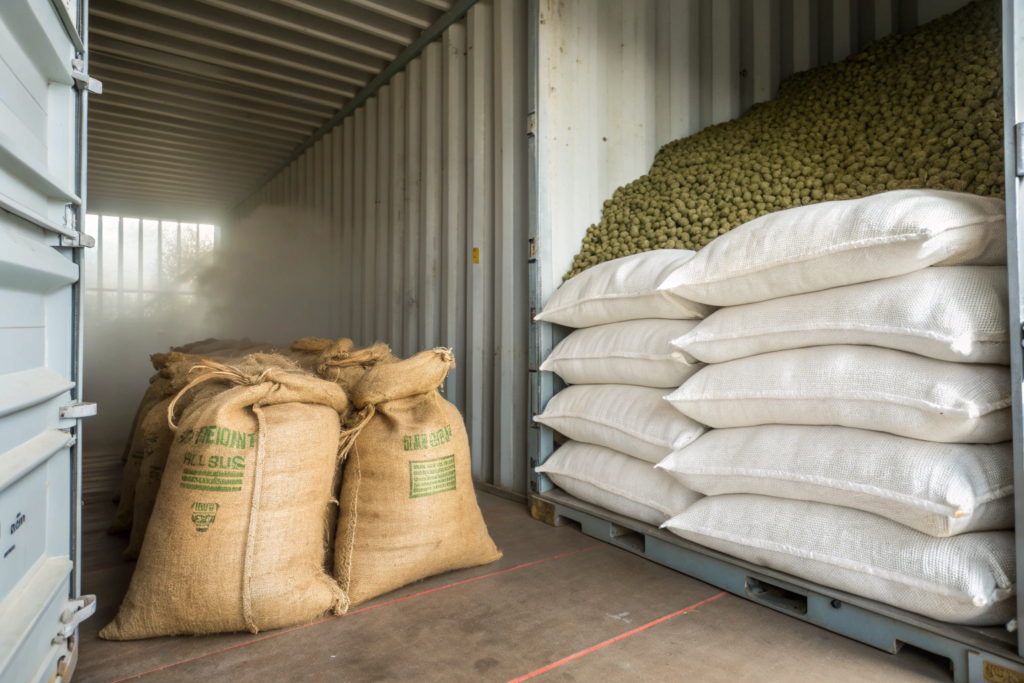
The classic burlap or jute sack is the traditional way to ship coffee. It's cheap and breathable. However, this "breathability" is a double-edged sword. It means the coffee is highly susceptible to its external environment. It will readily absorb moisture from humid air and can take on taints or smells from its surroundings (like spices or chemicals that might be in the same container). During a long delay, coffee in jute sacks is at the highest risk of quality degradation.
Why is hermetic packaging the superior choice?
Modern, multi-layer plastic bags like GrainPro or other vacuum-sealed packaging create a hermetic (airtight) barrier around the coffee. This is a game-changer for preserving quality. This barrier protects the coffee from external moisture, preventing mold, and it traps the coffee in a low-oxygen environment, dramatically slowing down the oxidation process that makes flavors go stale. For high-quality specialty lots, especially those we export from Shanghai Fumao, using this type of protective packaging is a non-negotiable best practice.
What Are the Sensory Signs of Damaged Coffee?
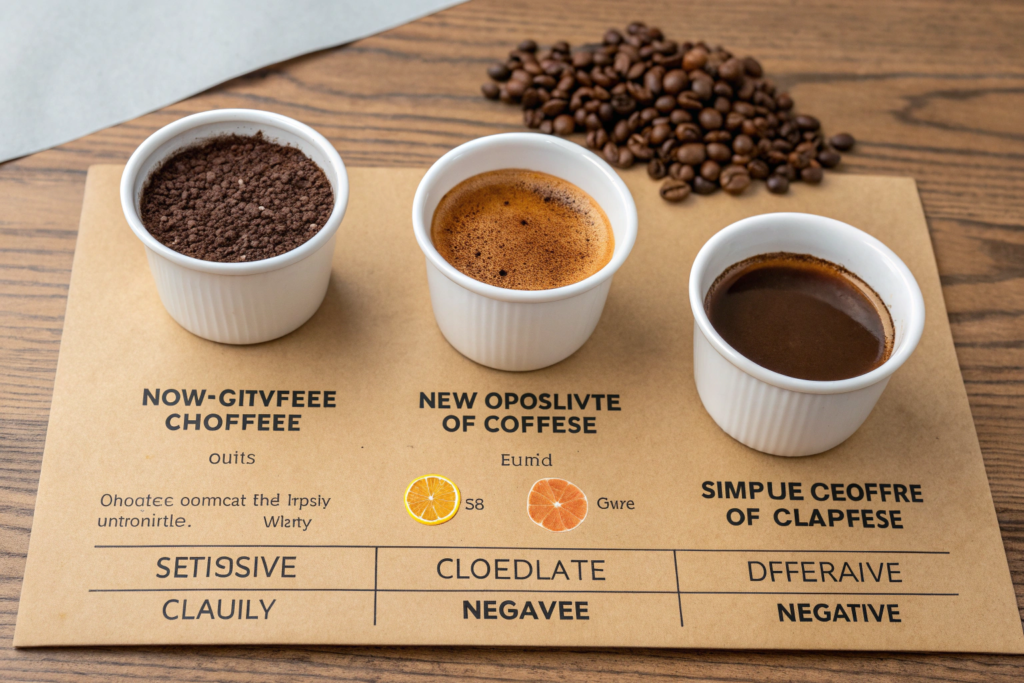
When the coffee finally arrives, how can you tell if it has been damaged? Your cupping table will tell you the whole story. The vibrant and complex notes you tasted in the pre-shipment sample—bright citrus zests that danced on the tongue, a rich chocolate undertone that lingered like a warm hug, the subtle floral whispers of jasmine that painted the air—will be gone, replaced by a distinct set of negative flavors that are hallmarks of aged or poorly stored coffee.
Instead of the lively acidity that once sparkled like sunlight on fresh berries, you might detect a flat, dull sourness, as if the coffee has lost its vitality, its spirit sapped by time or neglect. Aged coffee often carries a musty, cardboard-like staleness, a dry, papery texture that clings to the palate, while poorly stored beans might exude a rancid, oily bitterness, sharp and unpleasant, like burnt toast left too long in the pan.
What are the most common "off-flavors" to look for?
The term for coffee that has aged poorly is "past crop," even if it's from the current harvest year. The signs are unmistakable. The most common defect is a papery or cardboard taste, where the flavor profile becomes flat and tastes like wet paper. Another is a woody flavor, where the coffee loses all nuance and simply tastes like a popsicle stick. These flavors indicate a severe loss of the original organic matter.
How can you identify faded acidity and aroma?
Beyond new "off-flavors," you'll notice what's missing. The bright, sparkling acidity that was once there will be muted, dull, or completely absent, making the coffee feel "hollow." When you smell the grounds, the intense fragrance of fruits or flowers will be gone, replaced by a faint, dusty, or generic smell. You cannot "fix" this by roasting differently; you can only try to mask it by roasting darker, which destroys any remaining character.
How Can You Proactively Mitigate These Risks?
You can't control port strikes that grind shipping to a halt, leaving containers stacked like forgotten memories in sun-baked yards, or global pandemics that sweep across continents, turning bustling factories into silent ghost towns and supply chains into fragile threads ready to snap. But you are not entirely helpless, adrift in a sea of uncertainty.
Proactive planning—like mapping out alternative routes before the first storm clouds gather, or stockpiling critical components in climate-controlled warehouses with the precision of a watchmaker—can be your anchor.
How does your choice of supplier play a role?
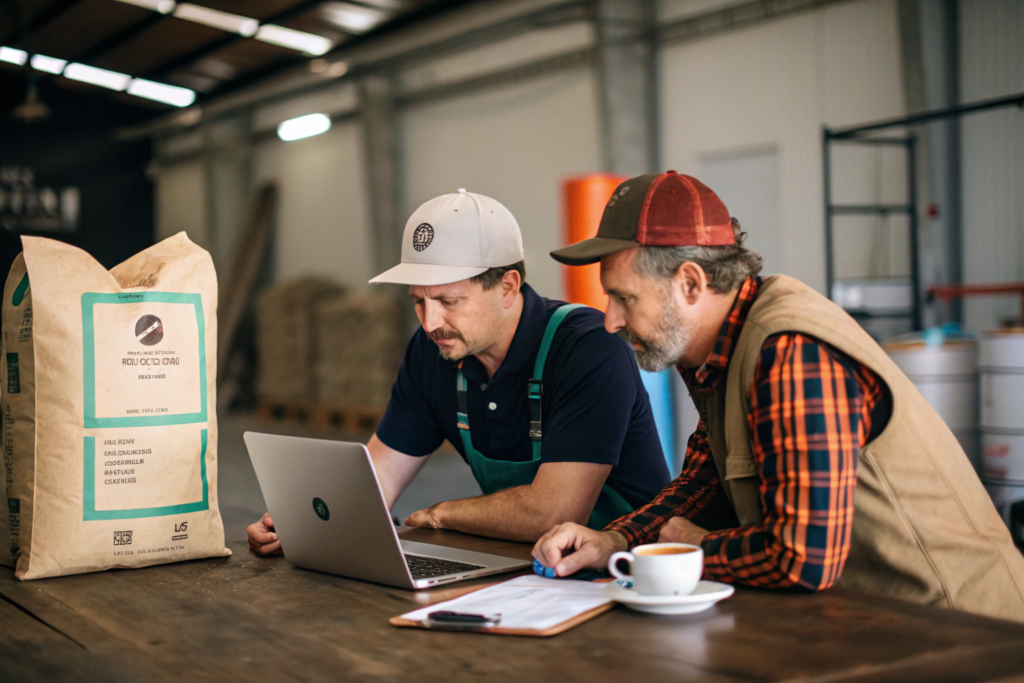
It's everything. A good supplier understands these risks and takes them as seriously as you do. When you vet a supplier, ask them specific questions about their logistics practices: "What type of packaging do you use for your specialty lots?" and "What is your communication protocol in the event of a delay?" A professional supplier like Shanghai Fumao will have clear, confident answers and will see these questions as a sign of a serious, professional partner.
What practical planning steps can you take?
- Plan Ahead: Order your coffee well in advance, especially before peak seasons like the Christmas holidays, when ports are most congested. Building buffer time into your inventory plan is crucial.
- Insist on Better Packaging: Specify hermetic packaging like GrainPro in your contract for all your high-value lots. The small extra cost per pound is a tiny price to pay for the massive protection it provides.
- Optimize Your Route: Work with your supplier or a good freight forwarder to choose shipping lines with more reliable schedules and fewer transshipment points. A direct route is always less risky than one with multiple stops.
Conclusion
The journey across the ocean is the most perilous part of a coffee bean's life. Shipping delays are not just an inconvenience; they are a direct assault on the quality, flavor, and value of your coffee. The combination of time, heat, and humidity can systematically dismantle the complex chemistry that makes a specialty coffee special, leaving you with a flat, woody, and disappointing product. By understanding the science of this degradation, insisting on modern protective packaging, and working with proactive, professional suppliers, you can mitigate these risks. You can't control the ocean, but you can choose a better boat.
We understand that our responsibility for the coffee doesn't end when it leaves our farm. We are committed to using the best practices in packaging and logistics to ensure the quality we cultivate is the quality you receive. If you're looking for a partner who is as obsessed with preserving coffee quality as you are, we invite you to start a conversation. Contact our coffee specialist at cathy@beanofcoffee.com.