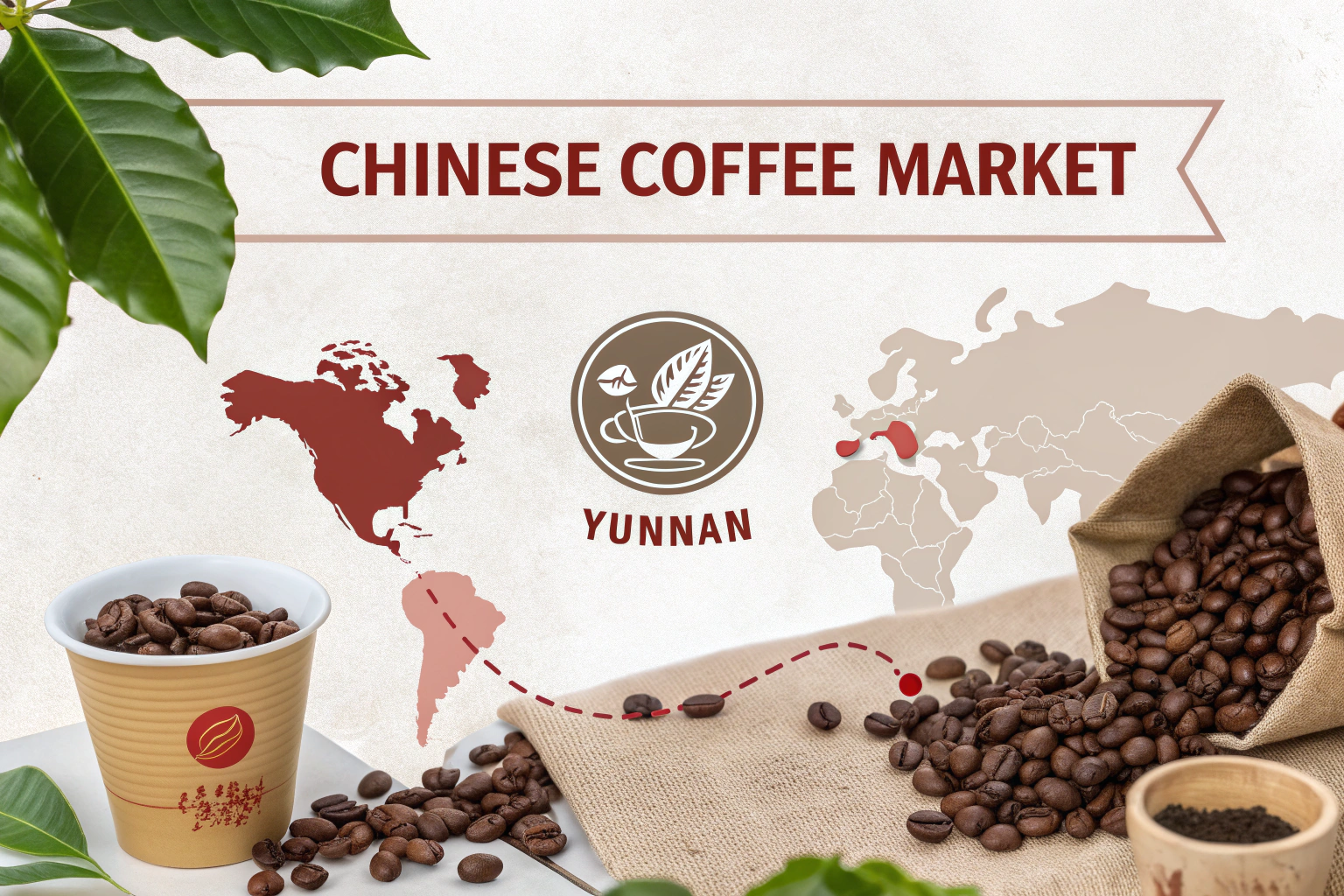
The global coffee industry is watching China with immense anticipation. This traditional tea-drinking nation is undergoing a remarkable cultural and commercial shift. For exporters, roasters, and investors, China represents not just a growth market, but perhaps the single most dynamic frontier in the global coffee sector today. The potential is being unlocked by a perfect storm of consumer adoption, retail innovation, and a rapidly maturing domestic supply chain.
The potential of the Chinese coffee market is vast and multi-dimensional. It is characterized by exponential consumption growth, a fiercely competitive and innovative retail landscape, and the parallel rise of a high-quality domestic production base in Yunnan. These factors are converging to create a market poised for sustained, long-term expansion, offering diverse opportunities across value segments.
Let's examine the concrete data and trends that define this extraordinary opportunity.
What is Driving the Explosive Growth in Coffee Consumption?
The foundation of the market's potential lies in a rapid and sustained increase in coffee consumption. This is shifting coffee from a niche, urban product to a mainstream daily beverage.
The overall market size tells a compelling story. The Chinese coffee industry reached a scale of 617.8 billion yuan in 2023, with strong indicators it will surpass 1 trillion yuan in the near future. More recent data from the 2025 China City Coffee Development Report shows the national coffee industry scale at 313.3 billion yuan in 2024, growing 18.1% year-on-year. This growth rate significantly outpaces that of mature Western markets.

How Significant is the Per Capita Consumption Growth?
The per capita consumption story reveals even greater potential. In 2020, the average Chinese person consumed about 9 cups of coffee per year. By 2024, this figure had risen dramatically to over 22 cups per year. While this remains far below consumption in countries like Japan or the United States (often exceeding 200 cups per year), it highlights the immense headroom for future growth. Analysts view this low baseline not as a weakness, but as the market's greatest asset: a massive population that is just beginning to form a daily coffee habit.
Where is the Geographic Expansion Happening?
Growth is no longer confined to major coastal cities like Shanghai and Beijing. The most rapid expansion is now occurring in lower-tier cities and county-level markets. Data indicates that coffee liquid consumption growth in these "sinking markets" reached 110%, with per capita spending growth 26% higher than in first-tier cities. This represents the next major wave of consumer adoption. Major chains like Luckin Coffee and Cotti Coffee have already expanded into over 300 cities across China, demonstrating the nationwide scale of this trend.
What Is the Opportunity for International Brands?
Seeing this explosive growth, the obvious question for a Western brand is, "How can I get a piece of that?" The opportunity is real, but it requires a nuanced approach.
Can a foreign brand even compete with local giants like Luckin? Yes, but not by competing on price or convenience. The opportunity for international brands is at the premium and specialty end of the market. Chinese consumers often associate Western brands with higher quality, authenticity, and a rich heritage. A brand with a strong story, a clear identity, and a superior product can command a premium price and a loyal following.
You don't win in China by being the cheapest. You win by being the most authentic, the most interesting, or the highest quality.
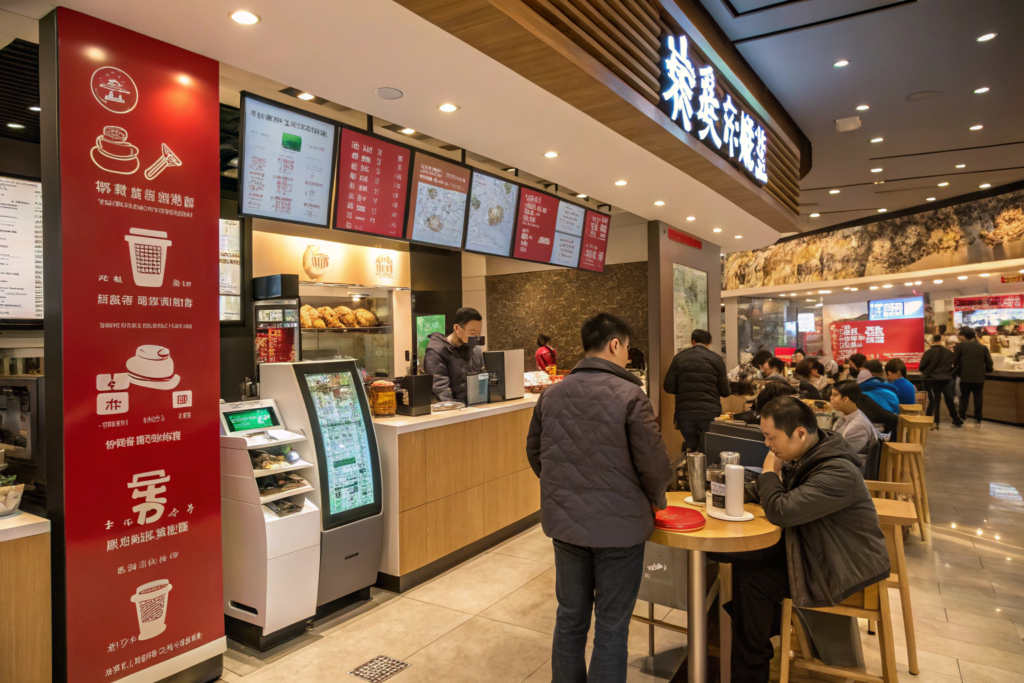
What are the main entry strategies?
- Licensing/Franchising: Partnering with a local operator to open branded cafes. This is a common model for established brands.
- E-commerce: The Chinese e-commerce market is the largest in the world. Selling roasted beans or coffee products through platforms like Tmall Global or JD Worldwide is a powerful way to reach millions of consumers directly.
- Supplying Local Roasters: This is a huge, often overlooked B2B opportunity. The thousands of new cafes and roasters across China are hungry for high-quality green coffee beans. A Western trader or brand can act as a curated source of non-Chinese origins (like Ethiopian or Colombian beans) for this market.
What do Chinese consumers look for in a foreign brand?
- Story & Heritage: A brand with a long history or a compelling founder's story has a distinct advantage.
- Quality Cues: Clear indicators of quality, like single-origin designations, high SCA cup scores, and detailed flavor notes, are highly valued.
- Aesthetic & "Instagrammability": Beautiful packaging and a strong visual identity are critically important for success on Chinese social media platforms like Xiaohongshu (Little Red Book).
What Is the Potential of China as a Producer?
This is the other side of the coin, and for a global buyer, it might be the most exciting potential of all. China is not just a consumer of coffee; it is a rapidly emerging, high-quality producer.
I thought China only produced low-grade commercial coffee. This is an outdated but common misconception. While that was true a decade ago, the province of Yunnan—which produces over 95% of China's coffee—has undergone a quality revolution. Driven by companies like ours, Shanghai Fumao, there has been a massive investment in modern agricultural practices and state-of-the-art processing methods. Today, Yunnan is producing specialty-grade Arabica coffees that are winning awards and competing on the world stage.
The potential here is enormous. As a buyer, you have the opportunity to source unique, high-quality coffees from a new and exciting origin that can differentiate your brand. You also benefit from China's incredible infrastructure and logistical efficiency.
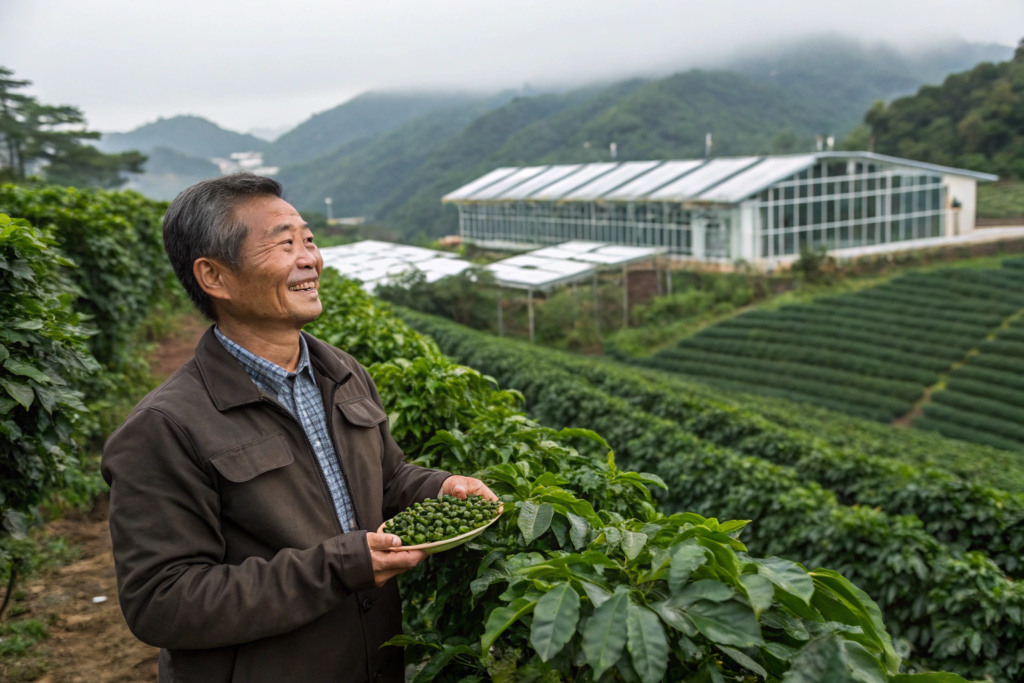
What makes Yunnan coffee special?
As we've discussed before, regions like Baoshan have a world-class terroir with high altitudes and rich volcanic soil. When combined with modern washed, honey, and natural processing, the result is coffees with a unique and desirable flavor profile: often with a stone fruit or apple-like acidity, a medium body, and a sweet, clean, tea-like finish.
What are the advantages of sourcing from China?
- Unique Flavor Profile: It's a new and exciting story for your customers.
- Scale and Consistency: As large, vertically integrated producers, we can offer a level of consistency and volume that is hard to find in many other origins.
- Logistical Efficiency: Leveraging China's world-class infrastructure often means more reliable and predictable shipping times compared to other developing coffee regions.
How Do You Navigate the Challenges and Seize the Opportunity?
The Chinese market is not without its challenges. The competition is fierce, the digital ecosystem is unique, and the business culture can be opaque to outsiders.
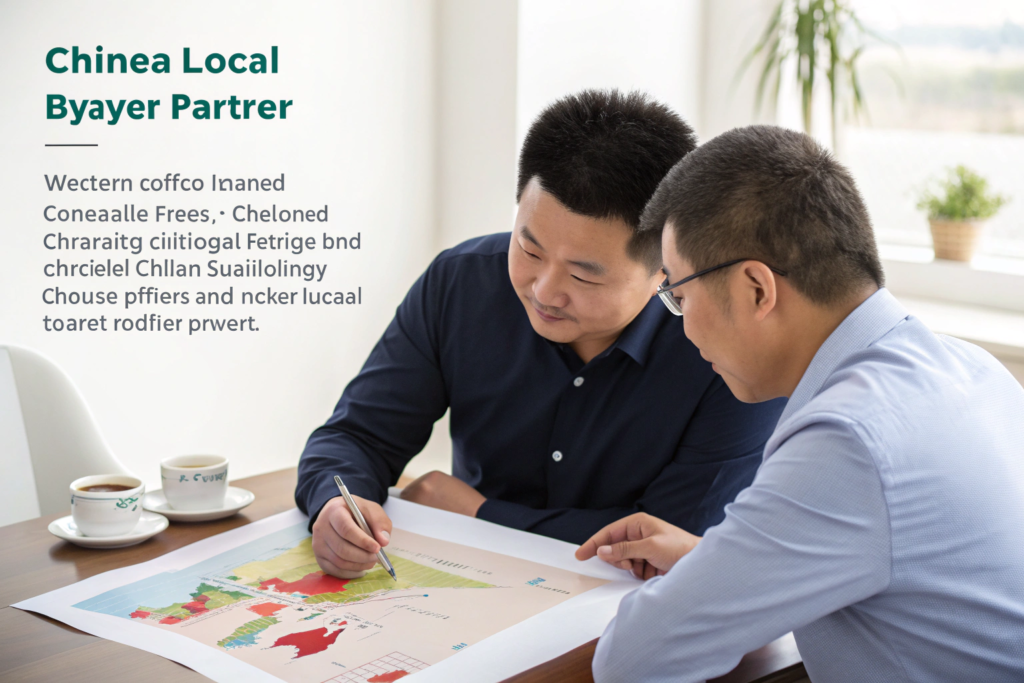
So, how do I avoid the pitfalls? The single most important factor for success in China—whether you are selling to the market or sourcing from it—is finding a trustworthy, knowledgeable, and well-connected local partner. You cannot succeed from a distance. You need someone on the ground who understands the culture, speaks the language, and can help you navigate the complexities.
A good partner is your bridge. They can help you understand consumer tastes, connect you with the right distributors, or, if you're sourcing, provide the transparency and quality assurance you need.
What are the biggest challenges?
- Intense Competition: Both from global giants and thousands of nimble local players.
- Unique Digital Ecosystem: You can't just use Facebook and Google. You need a strategy for WeChat, Weibo, Xiaohongshu, and Douyin (TikTok).
- Regulatory Hurdles: Navigating import/export regulations and business licensing can be complex without local help.
What is the first step?
Whether your goal is to sell to China or buy from China, the first step is education and relationship-building. Start following Chinese coffee influencers on social media. Attend major trade shows like Hotelex in Shanghai Fumao. And most importantly, start conversations with potential partners.
Conclusion
The potential of the Chinese coffee market is not a future prediction; it is a present-day reality. It is a multi-faceted opportunity driven by a historic shift in consumer culture and a parallel revolution in domestic coffee production. For international brands, it offers a vast new frontier for premium and specialty products. For global coffee buyers, it presents a new and exciting origin—Yunnan—that combines exceptional quality with logistical efficiency. Navigating this dynamic market requires a smart strategy and, above all, the right local partners. The question is no longer if China will be a coffee superpower, but how you will be a part of its story.
We are proud to be at the very heart of this story, both as a leading producer of specialty Yunnan coffee and as a gateway for our international partners. We understand both the farm and the market. If you are ready to explore the immense potential of the Chinese coffee market, we invite you to start the conversation with us. Contact our coffee specialist at cathy@beanofcoffee.com.