
We’ve all been there: that mid-afternoon slump hits, focus starts to drift, and reaching for a cup of coffee feels like the only way to power through. But is that just a habit, or is there real science behind coffee as a productivity tool? For business leaders and professionals—especially those in high-stakes, fast-paced industries—understanding this relationship isn’t just about personal routine; it can impact team energy, workplace culture, and even bottom-line results.
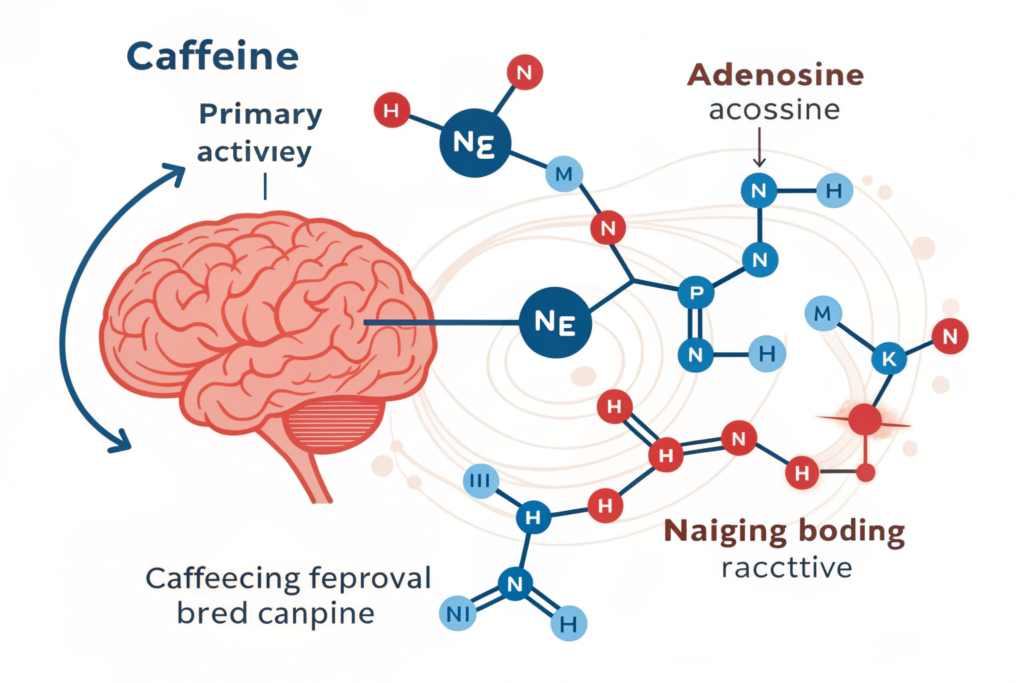
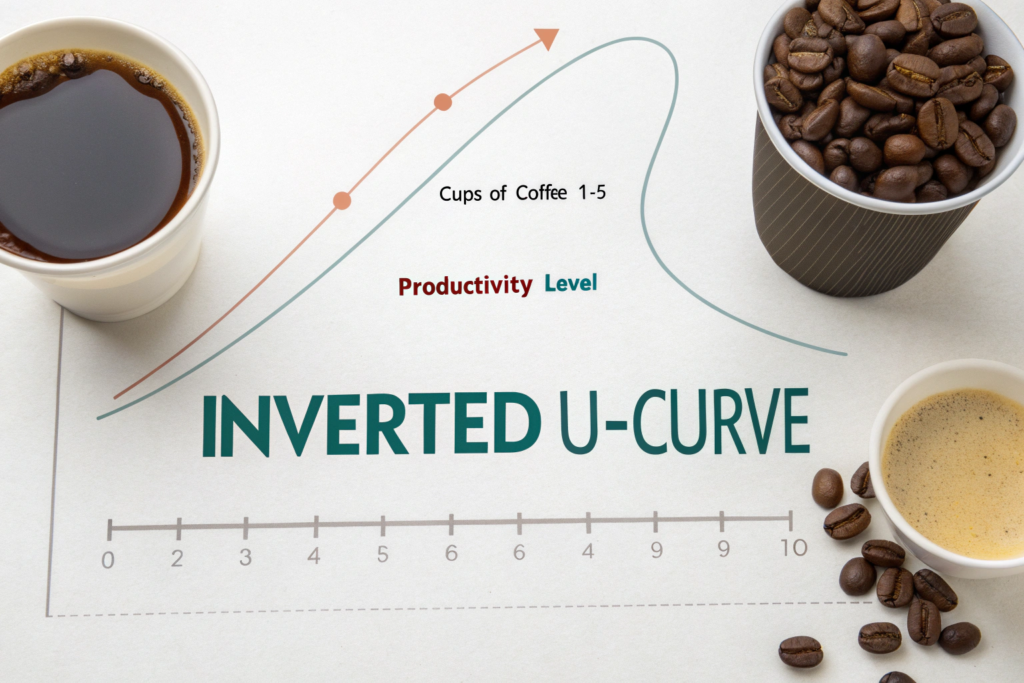
The relationship between coffee and productivity is primarily driven by caffeine, a stimulant that blocks adenosine (a brain chemical that promotes sleepiness) and increases the release of dopamine and norepinephrine. This leads to improved alertness, concentration, reaction time, and mood—all of which can contribute to higher productivity in cognitive tasks. However, this relationship follows an inverted U-curve: optimal benefits occur at moderate intake (typically 1-3 cups), while excessive consumption can cause jitters, anxiety, and disrupted sleep, ultimately harming productivity.
So, it’s not just about drinking coffee; it’s about understanding how to use it strategically. Let’s explore the mechanisms, the sweet spot, and how the quality of your coffee might play a bigger role than you think.
How Does Caffeine Actually Work in the Brain?
You feel more awake after drinking coffee, but what’s actually happening up there? It’s a neurochemical conversation, and caffeine is the confident guest who changes the topic.
Caffeine’s primary mechanism is adenosine antagonism. Throughout the day, your brain produces adenosine, a neurotransmitter that binds to its receptors and slows down neural activity, making you feel tired. Caffeine has a similar molecular structure to adenosine. When you consume it, caffeine occupies those receptors instead—but it doesn’t activate them. It simply blocks the adenosine from getting through.
Think of it like parking chairs in your driveway so your annoying neighbor can’t park there. The “sleepiness signal” can’t be delivered. Meanwhile, with adenosine blocked, other neurotransmitters like dopamine (associated with pleasure and motivation) and norepinephrine (associated with alertness and response) get a chance to flow more freely. This is why you often feel a boost in mood and focus, not just wakefulness.
What Are the Immediate Cognitive Benefits of Coffee?
The effects kick in fast, usually within 15-45 minutes. So, what do you gain in that window? First, and most noticeably, is improved alertness and vigilance. That foggy feeling lifts. Tasks that require sustained attention—like reviewing a long contract, analyzing data, or coding—become easier to stick with without your mind wandering.
Second, reaction time improves. This is crucial not just for drivers or athletes, but for anyone making quick decisions in meetings or during negotiations. Third, coffee can enhance working memory in the short term. This is the mental notepad you use to hold information, like numbers or instructions, for immediate use. A sharper working memory means fewer errors and less mental backtracking.
Interestingly, the ritual itself—stepping away from your desk, the aroma, the warmth—can also act as a psychological reset, further boosting productivity by creating a clear break between tasks.
Can Coffee Improve Mood and Reduce Mental Fatigue?
Absolutely, and this is a powerful, often underrated, productivity lever. Mental fatigue isn’t just feeling tired; it’s characterized by irritability, reduced motivation, and a feeling of being overwhelmed. By blocking adenosine and boosting dopamine, coffee can create a mild, positive mood elevation.
This isn't about a "high"; it's about alleviating the low-grade grumpiness and dread that can accompany a demanding workload. When your mood is better, you’re more resilient to stress, more collaborative in teams, and more open to creative problem-solving. A simple coffee break can function as a social catalyst too, fostering brief, informal interactions that strengthen team bonds and spark ideas—another indirect boost to collective productivity.
What Is the Optimal Amount of Coffee for Peak Performance?
More coffee is not always better. Finding your personal sweet spot is key to harnessing benefits without triggering downsides.
The science points to a dose of 40-300 mg of caffeine as effective for cognitive enhancement. Since an average 8-oz cup of brewed coffee contains about 95 mg, this translates roughly to 1 to 3 cups per day for optimal effects. The “inverted U-curve” model is critical here: performance improves with dosage up to a point, after which it declines. Exceeding your personal tolerance leads to diminishing returns.
Listen to your body. The optimal amount depends on your body weight, metabolism, and habitual intake. A non-habituated person might feel a strong effect from one cup, while a regular drinker might need two to feel the same alertness. The goal is to consume just enough to achieve clear-headed focus without nervousness.
What Happens When You Drink Too Much Coffee?
Crossing the line from optimal to excessive is counterproductive. The symptoms are clear: jitters and anxiety. This physical restlessness makes it impossible to sit still and concentrate. Increased heart rate can be distracting and uncomfortable. Digestive issues are common. Most damaging to productivity in the long run is disrupted sleep. Even if you fall asleep, the quality of deep, restorative sleep can be compromised, setting you up for a more fatigued tomorrow and a dependence on even more coffee—a vicious cycle.
Furthermore, high doses can lead to mental burnout. Your brain, artificially overstimulated for too long, can crash harder later, leading to a sharper drop in focus and mood. This volatility is the enemy of steady, sustainable productivity.
How Does Timing Your Coffee Intake Matter?
Timing is everything. Drinking coffee first thing in the morning might not be optimal. Cortisol, your body's natural wake-up hormone, peaks shortly after you rise. Adding caffeine on top of this peak can lessen its effect and build tolerance faster. A better strategy is to wait 60-90 minutes after waking.
For an afternoon boost, the key rule is to consider caffeine's half-life—about 5-6 hours. To protect your sleep, avoid caffeine at least 6-8 hours before bedtime. A well-timed cup at 2 p.m. might be fine for an 11 p.m. bedtime, but not for a 9 p.m. one. Strategic timing ensures the coffee works for your natural energy cycles, not against them.
Does the Quality and Type of Coffee Affect Productivity?
Here’s a perspective we know well: not all coffee is created equal. The bean’s origin, roast, and freshness can influence your experience beyond just caffeine content.
A low-quality, stale, or poorly roasted coffee can be more acidic and harsh. This might cause stomach discomfort for some people, which is a direct distraction from work. Conversely, a high-quality, fresh specialty coffee bean offers a smoother experience and a more complex flavor profile. The simple pleasure of drinking something delicious can enhance the mood-boosting and ritual benefits we talked about.
Furthermore, the coffee variety affects caffeine levels. While Robusta beans contain almost double the caffeine of Arabica beans, they are often harsher and more bitter. A premium Arabica coffee, like the beans we cultivate at Shanghai Fumao, provides a cleaner, more balanced energy lift with nuanced flavors—a sustainable choice for the discerning professional’s daily ritual.

How Can Brewing Method Influence Your Coffee Experience?
The brewing method changes the chemical extraction, impacting both caffeine content and the presence of other compounds. For instance, a French Press or espresso delivers more oils and compounds called diterpenes, which can raise cholesterol for some. Filtered methods (like pour-over or drip) remove these.
For a steady, prolonged focus, a filter brew might be ideal—it typically has a slightly lower caffeine concentration per ounce than espresso but allows for a larger, sippable volume. The act of preparing a manual pour-over can also be a mindful, de-stressing ritual. The choice of method allows you to tailor the coffee's strength and body to your personal productivity needs and digestive comfort.
Why Might Choosing Specialty Coffee Be a Smarter Long-Term Investment?
Think beyond the single cup. Investing in higher-quality coffee is investing in a more sustainable productivity habit. First, the superior taste makes you less likely to load it with sugar and high-fat creamers, which can cause their own energy crashes. You drink it for the flavor and the clean energy, not just the caffeine hit.
Second, knowing your coffee’s origin—like our traceable lots from Yunnan, China—connects you to a story of quality and craft. This mindful consumption turns a utility into a small moment of appreciation, which reduces stress. Third, high-quality beans are often more consistently roasted. This means a reliable experience every day, no unpleasant surprises that might disrupt your focus. For businesses providing coffee, offering premium options can be a visible investment in employee well-being and satisfaction.
Conclusion
The relationship between coffee and productivity is powerful but nuanced. It’s a strategic partnership, not a magic bullet. Used wisely—in the right amount, at the right time, and with attention to quality—coffee can be a reliable tool to enhance alertness, focus, and mood, creating a tangible boost in daily output and mental clarity. However, over-reliance or poor habits can quickly undermine these benefits, leading to anxiety and sleep issues that hurt performance.
The key is mindful consumption. Understand your own response, respect the inverted U-curve, and choose coffee that fuels you smoothly and sustainably. After all, productivity is about consistent, high-quality output—a principle that applies as much to your work as it does to the coffee that supports it.
If your business is looking to fuel its teams or brand with a consistent, high-quality coffee supply, understanding the bean itself is the first step. For businesses, roasters, and distributors interested in a reliable source of premium, productivity-friendly Arabica, exploring a direct partnership with a plantation-exporter ensures quality from the ground up. To discuss how our Yunnan Arabica or Catimor beans can become part of your productivity equation, please contact our sales lead, Cathy Cai, at cathy\@beanofcoffee.com. Let's brew a foundation for focused success.