
You're a roaster looking to source a container of specialty beans. You could contact farms directly, negotiate with multiple exporters, handle logistics, quality verification, and payment arrangements yourself. Or you could work with a coffee broker who already has relationships with dozens of quality producers. But what exactly does a broker do, and when does their involvement add value versus just adding cost to your supply chain?
A coffee broker acts as an intermediary who connects coffee producers with buyers, facilitating transactions by providing market intelligence, quality verification, logistics coordination, and risk management. They serve as market makers, quality guarantors, and transaction facilitators who reduce friction in the global coffee trade. The broker's value depends on their specific expertise, network, and the complexity of the transaction.
So, how does a broker's role differ from that of an exporter or direct trader, and when should you consider using one versus going direct? The answer lies in understanding the specific services brokers provide and the trade-offs involved. Let's examine the multifaceted role brokers play in moving coffee from farm to roastery.
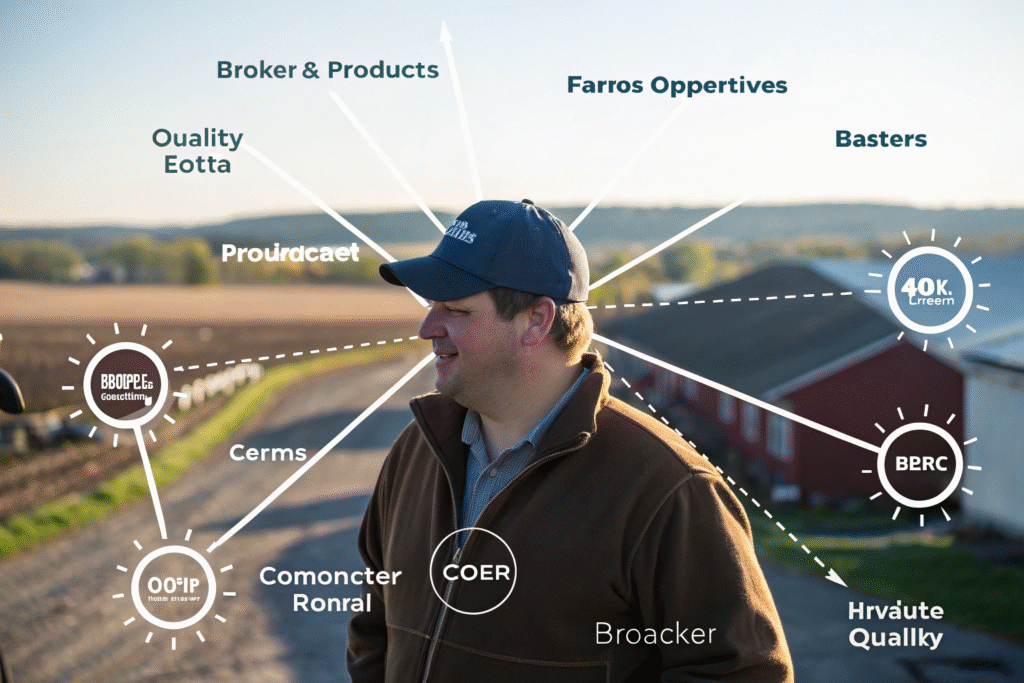
How Do Brokers Connect Supply with Demand?
At their core, brokers are market matchmakers. They maintain extensive networks of both producers and buyers, understanding what each side needs and when those needs align.
Brokers reduce search costs for both parties by knowing who has quality coffee available and who's looking to purchase specific profiles. This market intelligence function is particularly valuable for smaller buyers and sellers who lack global reach.
What Market Intelligence Do Brokers Provide?
Brokers offer real-time insights on:
- Available offerings from various origins and qualities
- Current market prices and trends across different segments
- Supply and demand dynamics in specific regions
- Quality availability for particular profiles or certifications
- Logistics conditions affecting specific origins
This market visibility helps buyers make informed decisions without contacting dozens of suppliers individually, and helps sellers position their coffee effectively.
How Do Brokers Add Value Beyond Simple Introduction?
After making the connection, brokers typically:
- Facilitate sampling and quality verification
- Help negotiate terms that work for both parties
- Coordinate documentation and logistics
- Manage quality disputes if they arise
- Ensure payment security through established mechanisms
This transaction management transforms a simple introduction into a completed sale with minimized risk for both sides.
How Do Brokers Handle Quality Assurance and Verification?
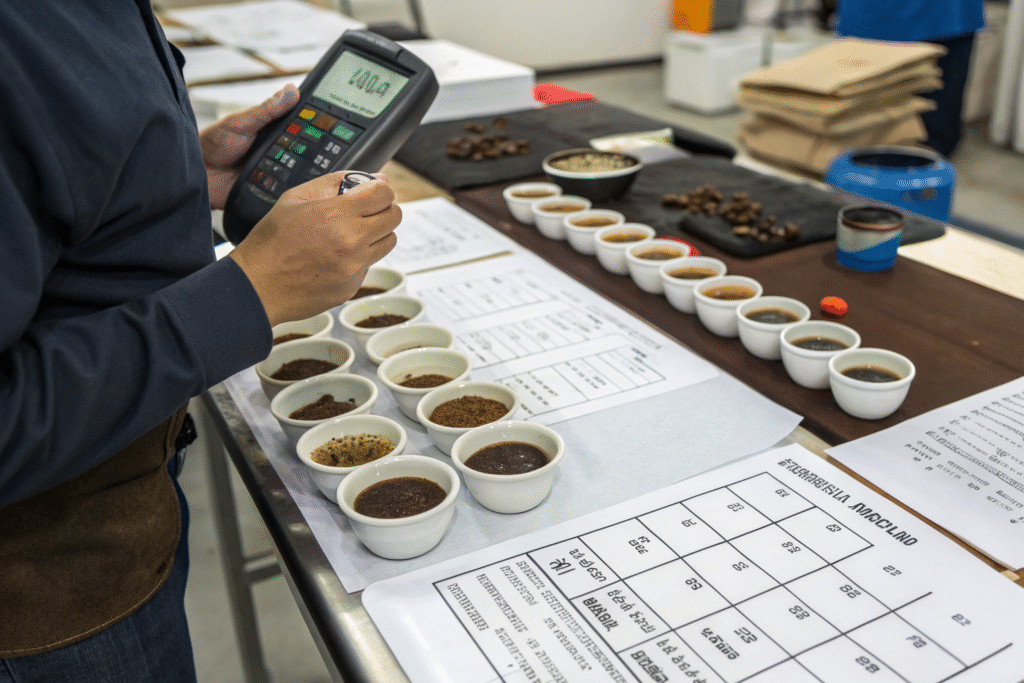
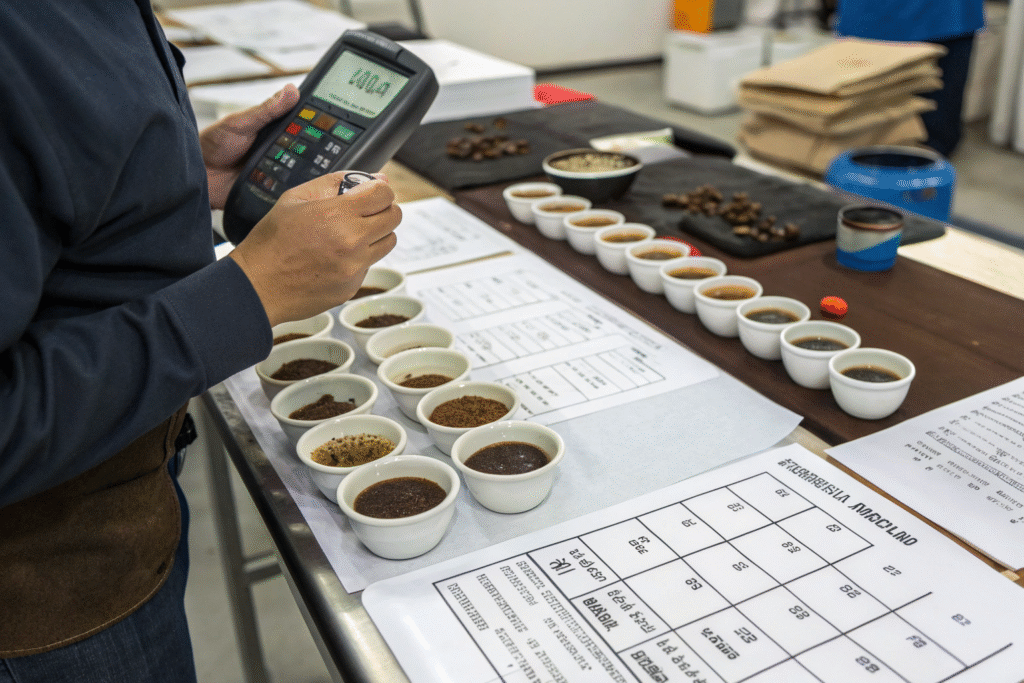
One of a broker's most valuable roles is acting as a quality intermediary who can objectively evaluate coffee and ensure it meets buyer specifications before shipment.
Brokers often have tasting expertise and quality verification systems that provide buyers confidence without requiring them to personally inspect every shipment.
What Quality Services Do Brokers Provide?
- Pre-shipment sampling to verify lot consistency
- Professional cupping and scoring using standard protocols
- Defect analysis to ensure grade specifications are met
- Moisture testing and other objective measurements
- Shipment monitoring to ensure quality preservation
This quality intermediation is particularly valuable when buying from new origins or suppliers where trust hasn't been established through repeated transactions.
How Do Brokers Handle Quality Disputes?
When quality issues arise, brokers:
- Provide objective assessment of the problem
- Facilitate communication between buyer and seller
- Suggest fair resolutions based on market standards
- Help negotiate adjustments or replacements
- Maintain relationships even through difficult situations
Their neutral position allows them to resolve conflicts while preserving business relationships that might otherwise fracture.
What Logistics and Documentation Support Do Brokers Offer?
Coffee transactions involve complex logistics and documentation that vary by origin and destination. Brokers simplify this process by managing the operational details.
From booking shipping to preparing export documents to coordinating inspections, brokers handle the administrative burden that can overwhelm small to medium-sized businesses.
How Do Brokers Simplify International Transactions?
Brokers typically manage:
- Shipping arrangements and freight forwarding
- Export documentation preparation and verification
- Customs clearance coordination in origin countries
- Insurance arrangements for transit protection
- Payment processing through secure mechanisms
This operational support allows buyers to focus on their core business while ensuring shipments move efficiently through the supply chain.
What About Risk Management?
Brokers help manage various risks:
- Quality risk through verification before shipment
- Payment risk through established financial instruments
- Logistics risk by tracking shipments and anticipating problems
- Regulatory risk by ensuring compliance with trade regulations
- Counterparty risk by vetting both buyers and sellers
This risk mitigation is often worth the broker's commission, especially for companies without dedicated international trade departments.
How Do Broker Fees Compare to Other Models?
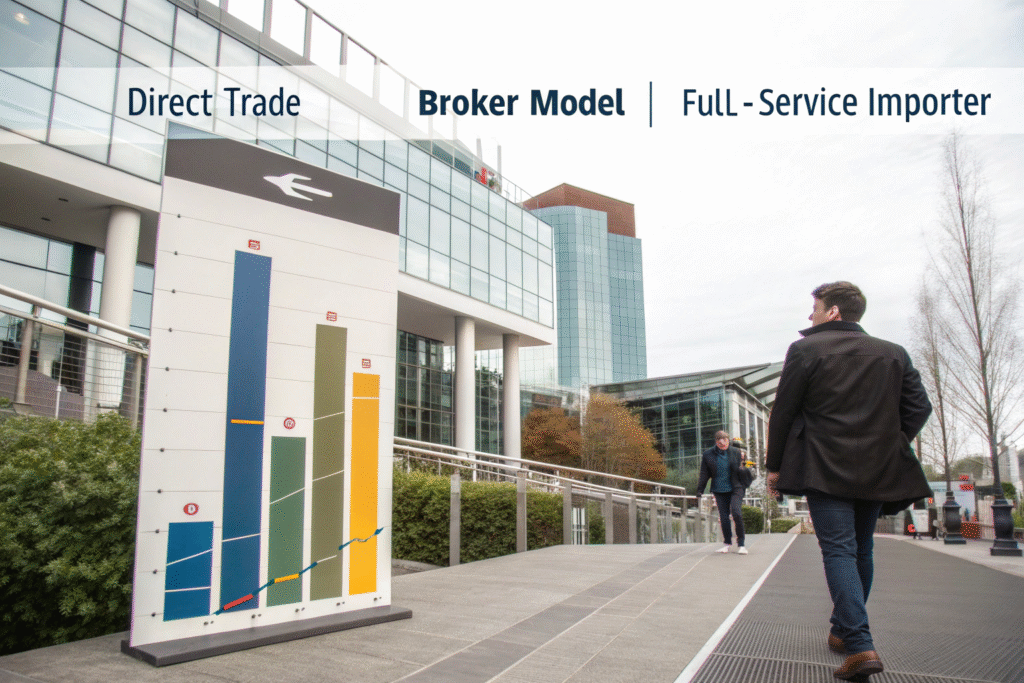
Understanding broker compensation helps evaluate whether their services provide good value for your specific situation. Fees vary based on services provided and transaction complexity.
Brokers typically earn a commission (usually 1-5% of transaction value) or a fixed fee per transaction. This compares to the margins taken by exporters, importers, or trading companies in other supply chain models.
What Factors Influence Broker Commission Rates?
- Transaction size (smaller shipments often have higher percentages)
- Services provided (full service vs. basic matchmaking)
- Complexity (specialty lots vs. commodity coffee)
- Relationship history (repeat business may earn better rates)
- Market conditions (volatile markets may justify higher fees)
Transparent brokers clearly explain their fee structure and how it aligns with the value they provide.
How Does This Compare to Direct Trading?
Direct trading eliminates broker fees but requires:
- Establishing direct relationships with producers
- Developing internal expertise in quality evaluation
- Building logistics capabilities for international shipping
- Assuming more risk without intermediary buffers
- Investing significant time in supply chain management
For many smaller roasters, the total cost comparison often favors brokers when considering all factors beyond just the commission percentage.
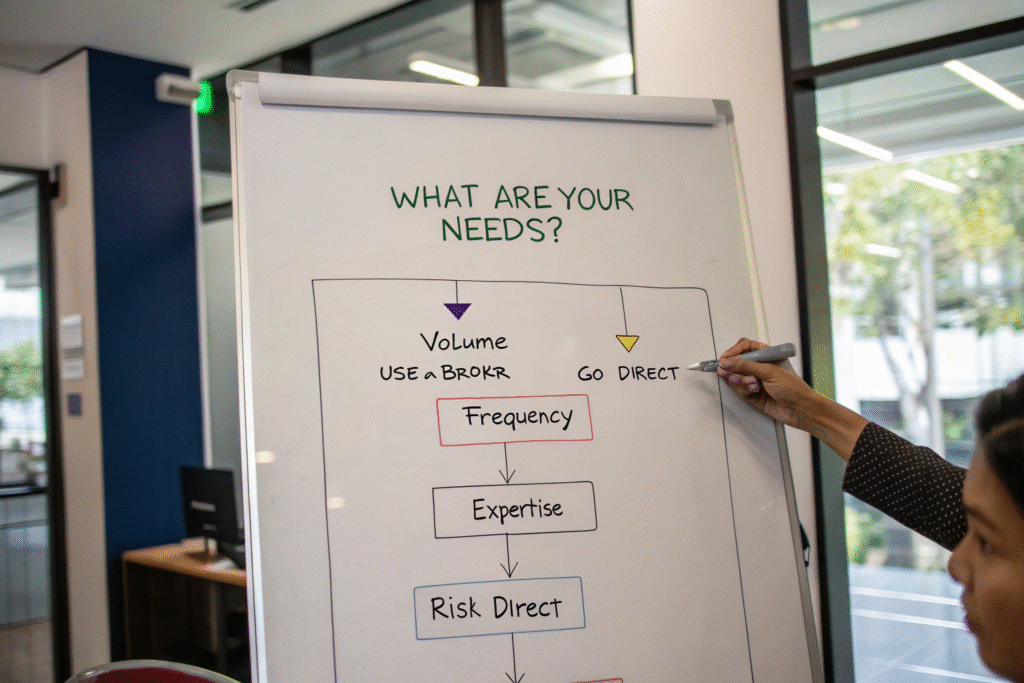
When Should You Use a Broker vs. Go Direct?
The decision to use a broker depends on your company's size, expertise, transaction frequency, and strategic goals. Both approaches have merit in different circumstances.
Brokers make most sense for companies that lack extensive international trade experience, make occasional purchases from multiple origins, or value risk reduction over maximum margin.
What Scenarios Favor Using a Broker?
- Entering new origins where you lack relationships
- Sourcing small quantities from multiple regions
- Limited internal expertise in quality verification
- Occasional purchases rather than ongoing contracts
- Complex transactions requiring specialized knowledge
- Risk-averse approaches to supply chain management
In these situations, the broker's expertise and network access typically justify their fees.
When Does Direct Sourcing Make More Sense?
- Large, consistent volumes from established origins
- Existing strong relationships with producers
- Internal expertise in quality and logistics
- Strategic focus on supply chain transparency
- Frequent transactions that amortize setup costs
- Brand storytelling that emphasizes direct connections
Companies like ours at BeanofCoffee work with both brokers and direct clients, recognizing that different buyers have different needs and capabilities.
What Differentiates Ethical from Exploitative Brokers?
Not all brokers operate with the same transparency or ethical standards. Understanding these differences helps you select partners who add genuine value rather than just extracting margins.
Ethical brokers provide transparency about their role, fees, and the prices paid to producers. They focus on building sustainable relationships rather than maximizing individual transaction profits.
What Practices Characterize Ethical Brokers?
- Transparent pricing showing how much reaches producers
- Quality-focused approach rather than pushing whatever is available
- Long-term relationship building with both buyers and sellers
- Fair dispute resolution that considers all parties' interests
- Market education helping both sides understand fair value
- Sustainability support for producers beyond transactions
These value-added practices distinguish true partners from mere intermediaries.
What Red Flags Suggest Problematic Brokers?
- Unwillingness to disclose their margin or producer prices
- Pressure tactics to close deals quickly
- Vague quality descriptions without specific data
- Limited transparency about their supply sources
- Poor communication after transactions complete
- Focus on volume over quality or relationship
A broker's business philosophy often reveals more than their marketing materials.
Conclusion
Coffee brokers play a crucial role in the global supply chain by connecting producers with buyers, verifying quality, managing logistics, and reducing transaction risks. Their value lies in their market knowledge, quality expertise, and ability to facilitate complex international transactions efficiently.
The decision to use a broker depends on your specific needs, capabilities, and strategic priorities. For many businesses—especially those new to importing or sourcing from multiple origins—brokers provide services and risk mitigation that justify their fees. As with any partnership, selecting the right broker requires due diligence to ensure they operate transparently and align with your values. Whether you choose to work through brokers or build direct relationships, understanding their role helps you navigate the coffee market more effectively. If you're evaluating sourcing strategies and want to understand how we work with brokers and direct clients, contact our export manager, Cathy Cai, at cathy@beanofcoffee.com to discuss the approach that best fits your business.