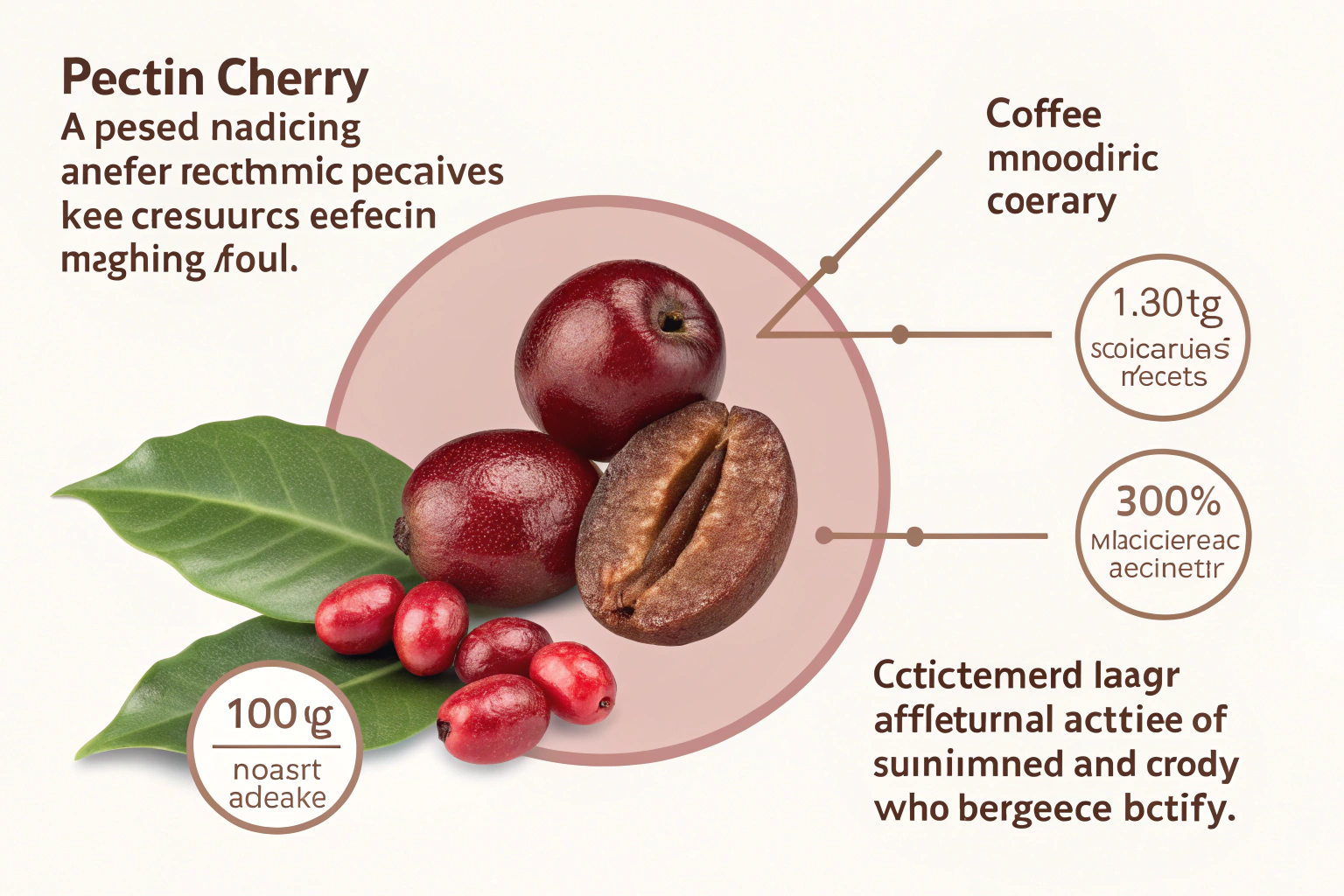
You've tasted a honey-processed coffee with intense sweetness and a washed coffee with clean acidity. The difference isn't just about water—it's about pectin. This sticky, sugary layer clinging to the coffee seed is the silent conductor of fermentation, shaping flavor, aroma, and even the challenges of production. Ignoring pectin means missing half the story of how your coffee gets its taste.
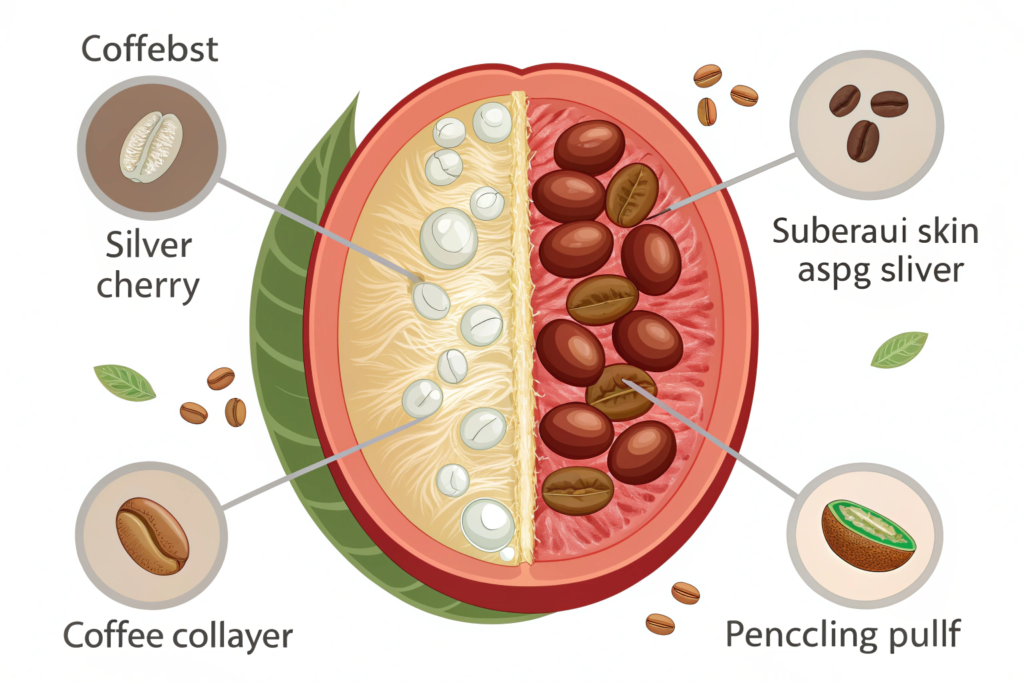
Pectin is a complex carbohydrate (a polysaccharide) that forms the main structure of the mucilage layer—the sticky, honey-like substance surrounding the coffee bean inside the cherry. During processing, microbial activity breaks down this pectin through fermentation. The method and control of this breakdown directly determine key flavor outcomes: pectin's sugars fuel fermentation that produces acidity and fruitiness; its removal timing affects body and sweetness; and its mismanagement can cause off-flavors and defects. For processors and buyers, understanding pectin is key to predicting and controlling quality.
Think of the mucilage as the bean's final source of nutrition before it's dried and stored. How we handle that nutrition—whether we wash it off quickly, let it ferment slowly, or dry it along with the bean—defines the processing method. Let's peel back this sticky layer and see how it drives everything from natural winey flavors to washed clarity.
How Does Pectin Breakdown Influence Fermentation?
Fermentation in coffee isn't about making alcohol. It's about using microbes—yeasts and bacteria naturally present on the cherry—to eat. Their food is the sugars and pectin in the mucilage. As they eat, they produce acids, enzymes, and other compounds. These byproducts seep into the bean, changing its chemical makeup. So, pectin isn't just a barrier to remove; it's the fuel for the transformation.
A concrete example from our Yunnan farm: When we do a washed process, we monitor fermentation tanks closely. We're not just waiting for the mucilage to slip off. We're managing the pectin breakdown. If the water is too cold, the microbes are slow, pectin breaks down unevenly, and we might get a grassy taste. If it's too warm, they go wild, break down pectin too fast, and can produce vinegary sourness. The target is a clean, complete breakdown.
What Microbes are Involved in Pectin Degradation?
It's a microbial community. Different microbes specialize in different foods. Lactic acid bacteria are early stars—they thrive in the initial, sugary environment and produce lactic acid, contributing to a smooth, creamy acidity. Yeasts (like Pichia and Saccharomyces) also consume sugars and produce various aromatic esters, giving fruity and floral notes. But for actually breaking apart the tough pectin chains, pectinolytic enzymes are key. These enzymes are produced by specific bacteria and yeasts. They act like molecular scissors, cutting the pectin network into smaller, soluble pieces. This is what makes the mucilage slimy and finally allows it to be washed away. The balance of these microbes, controlled by temperature, time, and oxygen, dictates the flavor profile.
How Do Processing Methods Control Pectin Activity?
The processing method is essentially a pectin management plan. Washed Processing aims for a quick, controlled pectin breakdown. Cherries are pulped, then fermented in water. The water creates an environment that favors certain microbes and helps wash away breakdown products, leading to a clean, acidic cup. Natural Processing takes the opposite approach. Whole cherries are dried with all the pectin and fruit intact. Here, pectin breakdown happens slowly during drying, with sugars concentrating and fermenting into deep, winey, fruity flavors. Honey/Pulp Natural Processing is the middle ground. Some or all pulp is removed, but the pectin-rich mucilage is left on. This allows for a focused fermentation of the pectin layer, often creating intense sweetness and body. At Shanghai Fumao, we adjust these methods lot by lot, based on the cherry's pectin content and sugar level, to target specific buyer preferences.
What is the Impact of Pectin on Flavor and Mouthfeel?
The flavors in your cup aren't magically inside the green bean. They are built during processing, and pectin is a primary architect. The compounds created from its breakdown—acids, alcohols, and esters—become the precursors for flavors developed later during roasting. The body or mouthfeel of the coffee is also directly tied to how much pectin-derived material is absorbed into the bean.
Honestly, this is where craft comes in. A skilled processor uses pectin like a chef uses a stock. Reduce it quickly for clarity (washed). Let it reduce slowly for depth (natural). Or blend reductions for complexity (honey). The mouthfeel difference is physical: coffees with more pectin interaction often feel heavier, syrupy, or tea-like on the palate.

How Does Pectin Contribute to Acidity and Sweetness?
This is a biochemical pathway. During fermentation, microbes convert pectin and its associated sugars into various acids—citric, malic, acetic. In a well-controlled wash, these acids are balanced, giving a bright, sparkling acidity. If pectin breakdown is incomplete, malic acid (green apple) might dominate. If it's overdone, acetic acid (vinegar) appears. Sweetness is more indirect. In naturals and honeys, the pectin layer retains water-soluble sugars (like sucrose, fructose) that would be washed away. These sugars caramelize during the slow drying and later during roasting, creating perceived sweetness. They also balance the acidity. So, more retained pectin often means more potential for caramel-like, rounded sweetness.
Why Do Natural Process Coffees Have Heavier Body?
Body comes from dissolved solids in the brewed coffee. When beans dry inside the entire fruit, they are essentially marinating in a thick syrup of breaking-down pectin and fruit sugars. These compounds—pectin fragments, sugars, minerals—migrate into the bean's porous structure and are locked in during drying. When you roast and brew that bean, these compounds extract, giving the coffee a heavier, more viscous texture. Washed beans, stripped of most external material, have a cleaner cellular structure, leading to a lighter, more tea-like body. It’s a direct trade-off: pectin retention for body versus pectin removal for clarity.
What are the Challenges of Managing Pectin?
Pectin is a double-edged sword. It creates flavor, but it's also a major operational headache. Its sticky, sugary nature is the perfect breeding ground for unwanted microbes if not controlled. It can cause beans to clump together during drying, leading to mold. For large-scale wholesale producers like us, managing pectin consistently across tons of cherry is one of our biggest day-to-day challenges.
You know, on a small farm, you can watch each batch like a hawk. On 10,000 acres, you need systems. We've had lots where unexpected rain slowed drying, and the pectin on natural process beans began to ferment unpredictably, risking the whole batch. The challenge is scaling craft.
How to Avoid Over-Fermentation and Off-Flavors?
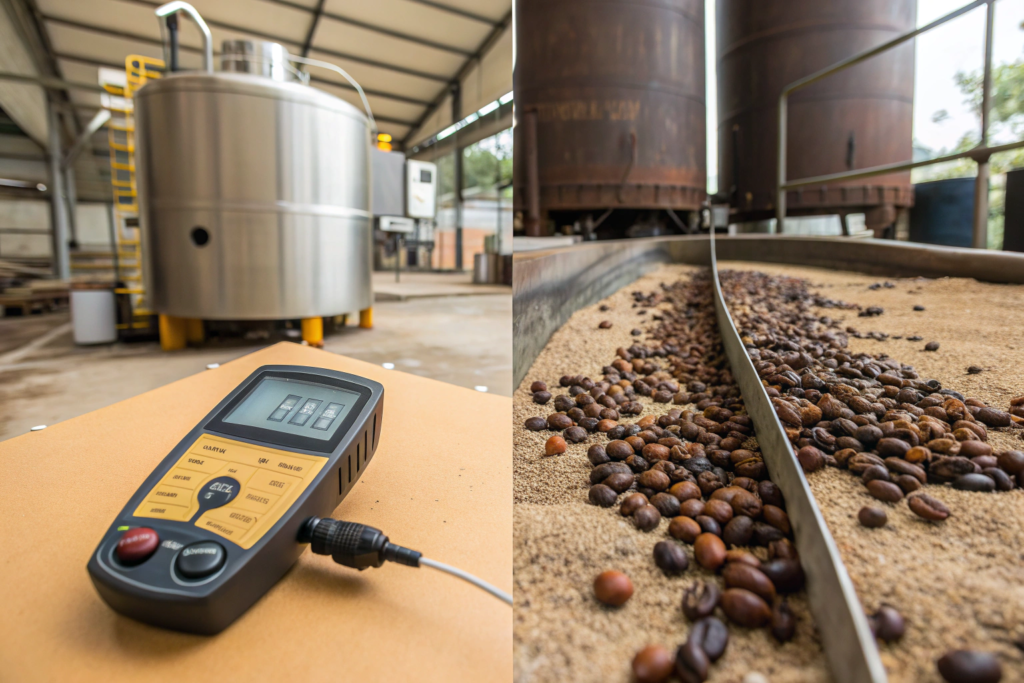
Over-fermentation happens when microbial activity goes too far. Instead of clean acids, you get acetic acid (vinegar), butyric acid (rancid butter), or ethanol. The key is monitoring and stopping the process at the right time. For washed coffee, the "right time" is often determined by the stickiness test. We rub fermented beans between our hands. If the mucilage comes off cleanly and the bean feels rough, fermentation is complete. If it's still slippery, it needs more time. We also use pH meters and Brix meters to track acid and sugar levels in fermentation water. Temperature control is critical—cooler temperatures slow fermentation, giving more control. Once the target breakdown is reached, we flood the tanks with clean water to instantly stop microbial activity and wash the residue away.
What are the Drying Risks with Pectin-Rich Beans?
Drying beans with the mucilage intact (naturals, honeys) is a race against time and mold. The sticky pectin layer traps moisture and causes beans to stick together in clumps. Inside these clumps, moisture can't escape, creating a micro-environment perfect for fungi and bacteria. The solution is constant, labor-intensive turning. Beans must be raked every hour on raised beds to break clumps and ensure even air flow. The initial drying phase must be rapid enough to prevent spoilage but not so rapid that the outer layer hardens, trapping moisture inside (called "case hardening"). This requires perfect weather or expensive mechanical dryers with precise humidity control. For buyers, this is why natural processed coffees from professional operations like Shanghai Fumao command a premium—the risk and labor cost are significantly higher.
How Can Buyers Assess Pectin-Related Quality?
As a buyer, you're not managing fermentation tanks. But you need to assess the results. Your tools are sensory evaluation and asking the right questions. The goal is to identify whether pectin was managed expertly or poorly. This knowledge helps you select lots, predict roast behavior, and communicate quality to your customers.
A defect I sometimes find is "phenolic" or medicinal flavor. This often stems from a specific type of microbial contamination during pectin fermentation. Knowing this helps me trace the problem back to the processing stage when I talk to the farm. It turns a subjective "I don't like this" into an objective "the fermentation profile shows issues."
What to Look for in Cupping and Green Bean Analysis?
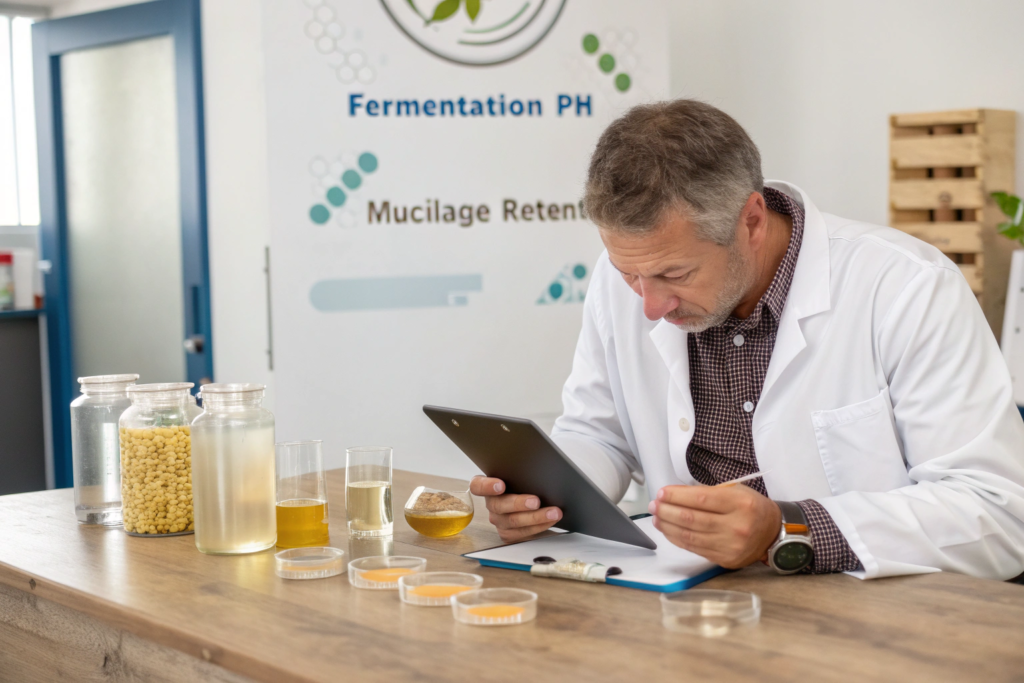
In the cup, pectin mismanagement has clear signatures. Under-fermentation (in washed): Can give a grassy, green vegetable, or peanutty taste. The pectin wasn't fully broken down, leaving vegetal compounds. Over-fermentation: Tastes sour, vinegary, cheesy, or overly boozy. The microbes produced too much acid or alcohol. Inconsistent fermentation: Some beans taste fermented, others taste grassy in the same cup. This points to uneven mixing or temperature in the tank. In green bean analysis, you can sometimes feel the result. For washed beans, rub a handful together. They should feel clean, dry, and slightly rough. Any residual slickness suggests incomplete mucilage removal. For naturals, the beans should be separate, not stuck together by dried, sugary glue. Also, ask for processing data. A professional supplier should be able to tell you their average fermentation time and pH drop.
What Questions Should You Ask Your Supplier About Processing?
Go beyond "is this washed or natural?" Drill into the details of pectin management:
- "What is your standard fermentation time and how do you determine the endpoint?" (Listen for: stickiness test, pH monitoring, fixed time based on temp.)
- "Do you ferment in water, without water (dry fermentation), or in a controlled tank?" (Each affects pectin breakdown speed and microbial profile.)
- "How do you control temperature during fermentation?" (Critical for consistency.)
- "For naturals/honeys, what is your drying protocol? How often are they turned?" (This reveals risk management for mold.)
- "Can you share the cupping notes from the processing station?" (They should have them, showing they cup for process flaws.)
Their answers reveal their level of control and understanding. A supplier that can't answer these is likely not managing pectin—they're just hoping for the best.
Conclusion
Pectin is the unsung hero and potential villain of coffee processing. It is the substance that transforms a simple seed into a complex flavor vehicle through microbial fermentation. Its management defines the stark contrast between a bright, clean washed coffee and a fruity, heavy-bodied natural. For processors, it's the central focus of daily quality control. For roasters and buyers, understanding its role provides a powerful lens to evaluate quality, anticipate roast behavior, and make informed purchasing decisions.
Ultimately, great coffee processing is the art and science of guiding pectin's breakdown. It requires precision, observation, and sometimes a bit of luck with the weather.
If you are looking for a wholesale supplier who masters this delicate balance—from our Yunnan farms to our controlled processing stations—we focus on pectin management to deliver consistent, intentional flavor profiles. To discuss how our washed, honey, or natural processed Catimor and Arabica can fit your needs, contact our sales director, Cathy Cai, at cathy@beanofcoffee.com. Let's talk about the flavor profile you want to build, starting from the pectin out.